
10 Ways Outdoor Adventures Can Help Reduce Stress and Anxiety
You’ve been feeling it, haven’t you? That persistent hum of worry in the back of your mind, the tightness in your chest, the way your thoughts seem to race even when you’re trying to relax. The demands of modern life, with its constant connectivity and relentless pace, have a way of accumulating, leaving you feeling frazzled and overwhelmed. It’s a common narrative, one shared by countless individuals navigating the complexities of their professional and personal lives. You might have tried various techniques – meditation apps, calming teas, even a new hobby – but the underlying current of stress and anxiety often remains. What if the solution wasn’t found within four walls, but beyond them, under an open sky, surrounded by the natural world? This isn’t just about a pleasant escape; it’s about a fundamental shift in your environment that can profoundly impact your mental well-being. Outdoor adventures, from a gentle stroll in a local park to a challenging multi-day trek, offer a unique and powerful antidote to the pressures you face. They engage your senses, quiet your mind, and reconnect you with something larger than yourself.
Embracing the Calming Power of Nature
Imagine a moment: the gentle rustle of leaves in a breeze, the distant call of a bird, the scent of damp earth after a rain shower. These sensory experiences, so often absent from your daily routine, are abundant in nature and possess an inherent ability to soothe your nervous system. When you step outside, you’re not just changing your physical location; you’re entering an entirely different sensory landscape. The constant bombardment of artificial stimuli – screens, traffic noise, fluorescent lights – is replaced by organic, calming input. This shift isn’t merely anecdotal; scientific research consistently points to the restorative effects of natural environments on your brain and body.
The Science Behind Nature’s Soothing Effects
Your brain, believe it or not, is hardwired to respond positively to nature. Studies using fMRI scans have shown that viewing natural scenes activates areas of your brain associated with calmness and empathy, while urban scenes tend to trigger areas linked to fear and anxiety. Exposure to green spaces has been linked to lower levels of cortisol, your body’s primary stress hormone, as well as reduced blood pressure and heart rate. This physiological response is crucial. When you’re stressed, your sympathetic nervous system kicks into overdrive, preparing you for “fight or flight.” Nature, conversely, helps activate your parasympathetic nervous system, the “rest and digest” system, promoting relaxation and recovery. Think of it as a natural reset button for your entire being. Furthermore, the concept of “biophilia,” the innate human tendency to connect with nature and other living systems, suggests that this connection is fundamental to your well-being. When you spend time outdoors, you’re fulfilling a deep-seated evolutionary need, which contributes to a profound sense of peace and belonging.
Escaping the Digital Overload
You’re likely glued to a screen for a significant portion of your day. Emails, social media, news feeds – the constant influx of information can be overwhelming and contribute to mental fatigue. Outdoor adventures provide a much-needed respite from this digital overload. When you’re hiking a trail, kayaking on a lake, or simply sitting by a river, your attention is naturally drawn to your surroundings. The intricate patterns of bark on a tree, the sparkle of sunlight on water, the ever-changing cloud formations – these natural wonders capture your focus in a way that is restorative rather than draining. You’re not checking notifications, you’re not scrolling endlessly; you’re simply being present. This enforced digital detox allows your brain to unwind, reducing the cognitive load that often contributes to feelings of stress and anxiety. It’s an opportunity to truly disconnect to reconnect with yourself and the world around you, fostering a sense of clarity and mental space that’s often elusive in your everyday life.
If you’re looking for more insights on how engaging with nature can enhance your mental well-being, you might find the article on various outdoor events particularly helpful. It explores different activities that not only promote physical health but also serve as effective stress relievers. You can read more about these enriching experiences in the article at Footsteps and Food.
Engaging Your Body, Quieting Your Mind
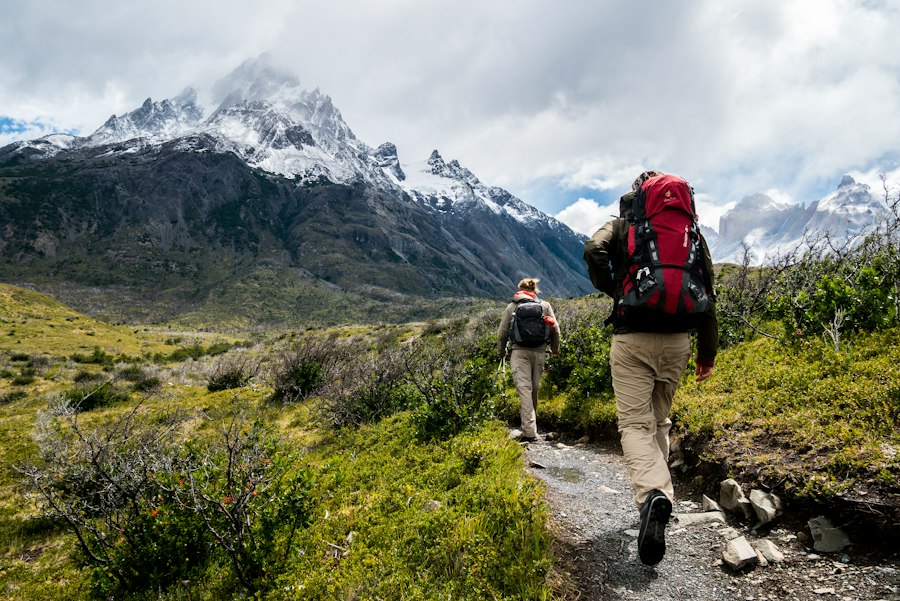
One of the most immediate benefits of outdoor adventures is the physical activity they inherently involve. Whether you’re walking, cycling, paddling, or climbing, you’re moving your body, and that movement is a powerful stress reliever. Physical exertion in a natural setting offers a double dose of therapeutic benefits, addressing both the physiological and psychological aspects of stress and anxiety. You’re not just exercising; you’re interacting with your environment in a dynamic and engaging way.
The Endorphin Boost
You’ve probably heard of “runner’s high,” and it’s a very real phenomenon. When you engage in physical activity, your body releases endorphins, natural painkillers and mood elevators. These powerful neurochemicals create a sense of euphoria, reduce pain perception, and significantly improve your mood. When you’re hiking up a challenging trail, paddling against a current, or cycling through scenic countryside, your body is producing these feel-good chemicals, effectively counteracting the negative emotions associated with stress and anxiety. This isn’t just a temporary fix; regular physical activity in the outdoors can lead to more sustained improvements in your overall mood and emotional resilience. The effort you expend also helps to burn off excess adrenaline and cortisol, the very hormones that fuel your stress response, providing a direct physical outlet for pent-up tension.
Mindful Movement and Present Moment Awareness
Outdoor activities naturally encourage mindfulness. When you’re navigating a trail, your focus is on your footsteps, the terrain, and your balance. When you’re observing wildlife, your attention is acutely honed. This forced present moment awareness is a potent antidote to rumination – the repetitive, negative thought patterns that often accompany anxiety. You can’t simultaneously worry about a future deadline and meticulously plan your next step over a tricky rock formation. Your mind is fully engaged in the task at hand, leaving less room for intrusive thoughts. This practice of being fully present, even for short periods, can train your brain to let go of anxious thoughts more easily in other aspects of your life. It’s a form of active meditation, where the rhythm of your body and the input from your surroundings anchor you firmly in the here and now. The sensory details of nature – the feel of the wind, the warmth of the sun, the scent of pine – further enhance this mindful experience, grounding you and pulling you away from internal worries.
Cultivating a Sense of Accomplishment and Competence
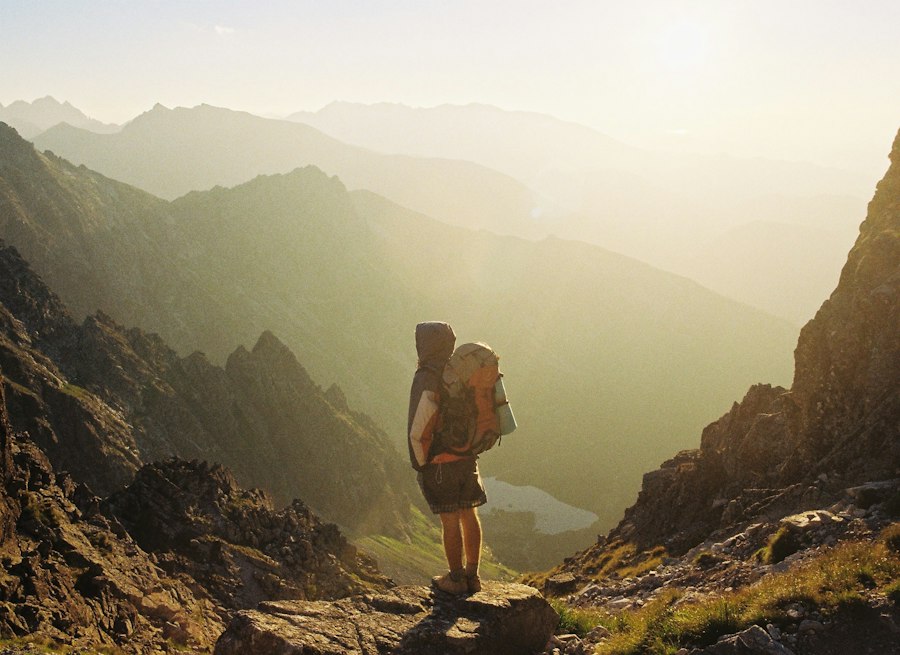
There’s an undeniable satisfaction that comes from overcoming a physical challenge or mastering a new skill. Outdoor adventures provide ample opportunities for this, fostering a sense of accomplishment and competence that directly combats feelings of inadequacy or helplessness often associated with stress and anxiety. When you push your boundaries and succeed, you build self-efficacy, a belief in your own ability to achieve goals.
Setting and Achieving Goals
Whether it’s reaching the summit of a mountain, completing a long-distance bike ride, or successfully navigating a challenging kayak route, outdoor activities offer clear, tangible goals. The process of setting these goals, planning your adventure, and then executing it, builds a powerful sense of purpose and direction. Each small step you take towards your objective, each hurdle you overcome, contributes to a growing feeling of mastery. This isn’t about competing with others; it’s about competing with yourself, pushing your personal limits, and discovering capabilities you might not have known you possessed. The satisfaction derived from achieving these goals spills over into other areas of your life, boosting your confidence and your ability to tackle challenges both within and outside of nature. You learn to break down larger tasks into manageable steps, a valuable skill for managing any complex project or stressful situation.
Building Resilience and Problem-Solving Skills
Nature can be unpredictable, and outdoor adventures often present unexpected challenges. You might encounter adverse weather, navigate difficult terrain, or face unforeseen obstacles. These situations, while potentially stressful in the moment, are invaluable for building resilience and problem-solving skills. When you’re forced to adapt, to think on your feet, and to find solutions in a dynamic environment, you develop a stronger capacity to handle life’s inevitable bumps. You learn to trust your instincts, to assess risks, and to persevere even when things don’t go according to plan. This real-world application of problem-solving techniques strengthens your ability to cope with stressful situations in your everyday life, making you less susceptible to anxiety when faced with unexpected events. The ability to calmly and effectively respond to challenges in the wild translates directly to a more robust emotional response to stressors at home or work.
Fostering Connection and Perspective
Humans are social creatures, and a sense of connection to others and to something larger than ourselves is crucial for mental well-being. Outdoor adventures, whether undertaken solo or with companions, offer unique avenues for cultivating these vital connections, providing perspective and reducing feelings of isolation.
The Power of Social Connection in Nature
Sharing an outdoor experience with friends or family can deepen bonds and create lasting memories. The shared effort, the mutual encouragement, and the collective awe inspired by natural beauty strengthen relationships. When you’re navigating a trail together, setting up camp, or simply sharing a meal under the stars, you’re engaging in genuine human interaction free from the distractions of everyday life. These shared experiences foster a sense of belonging and camaraderie, which are powerful buffers against stress and anxiety. Even if you embark on a solo adventure, you might find yourself connecting with fellow adventurers on the trail, sharing stories, and offering support, creating fleeting yet meaningful interactions that remind you of our shared humanity. The laughter, conversation, and mutual appreciation for nature provide a rich social tapestry that enriches your experience and combats feelings of loneliness.
Gaining Perspective and Reducing Self-Focus
When you’re surrounded by towering mountains, vast oceans, or ancient forests, your personal problems can begin to feel a little smaller. Nature has a way of putting things into perspective. The sheer scale and enduring presence of the natural world can remind you that your worries, while valid, are part of a much larger picture. This shift in perspective can be incredibly liberating, reducing the intensity of anxious thoughts and allowing you to see your challenges with greater clarity and less emotional charge. It allows you to move beyond self-absorption and connect with something transcendent. You realize you are a part of a vast, intricate ecosystem, and this connection can evoke feelings of awe and wonder, replacing stress with a sense of peace and belonging. This cosmic perspective often leads to a greater appreciation for life and a reduction in the internal pressures you place upon yourself.
Engaging in outdoor adventures can significantly alleviate stress and anxiety, as highlighted in the article “10 Ways Outdoor Adventures Can Help Reduce Stress and Anxiety.” For those looking to explore new horizons, you might find inspiration in the related piece that discusses the best destinations for outdoor activities around the globe. Discovering these breathtaking locations can enhance your experience and provide the perfect backdrop for relaxation and rejuvenation. To learn more about these incredible places, check out the article on the 50 best countries for outdoor adventures.
Recharging Your Mental Batteries
Just as your phone needs to be recharged, your mental energy reserves can become depleted, especially when you’re under chronic stress. Outdoor adventures act as a powerful recharger, offering a unique blend of stimulation and relaxation that revitalizes your mind and body, leaving you feeling refreshed and renewed.
Enhanced Creativity and Cognitive Function
Spending time in nature has been shown to boost creativity and improve cognitive function. The gentle, undirected attention that nature encourages, known as “soft fascination,” allows your prefrontal cortex (the part of your brain responsible for planning, problem-solving, and decision-making) to rest and recover. This mental break can lead to new insights, innovative solutions, and a renewed sense of mental clarity. When you return to your daily tasks, you might find yourself approaching them with a fresh perspective and enhanced problem-solving abilities. It’s like defragmenting your brain; clearing out the clutter and optimizing its performance. This isn’t just about feeling better; it’s about performing better, with greater focus and mental agility.
Improved Sleep Quality
Stress and anxiety often manifest as sleep disturbances, creating a vicious cycle where poor sleep exacerbates anxious feelings. Outdoor adventures can break this cycle by promoting better sleep. The physical exertion helps you burn off excess energy and makes you more physically tired, facilitating a deeper and more restful sleep. Additionally, exposure to natural light during the day helps regulate your circadian rhythm, your body’s natural sleep-wake cycle. When your circadian rhythm is aligned with the natural day-night cycle, you’re more likely to fall asleep easily and experience more restorative sleep. The overall calming effect of nature also reduces the mental chatter that often keeps you awake at night, allowing your mind to quiet down and prepare for rest. Imagine drifting off to sleep feeling genuinely tired from a day of adventure, rather than mentally exhausted from worrying.
The Sense of Awe and Wonder
Finally, one of the most profound and often overlooked benefits of outdoor adventures is the sense of awe and wonder they inspire. Standing before a majestic mountain range, gazing at a starlit sky far from city lights, or witnessing the raw power of a waterfall can evoke a profound sense of humility and appreciation for the natural world. These “awe-inducing” experiences have been linked to increased feelings of well-being, reduced stress, and a greater sense of connection to something larger than oneself. They provide a powerful antidote to the mundane and the stressful, reminding you of the beauty and magic that still exist in the world. This experience of awe can shift your perspective, making your everyday problems seem less overwhelming and filling you with a renewed sense of hope and inspiration. It’s an emotional reset, reminding you of the profound beauty and complexity of existence, which can be an incredibly powerful balm for a troubled mind.