
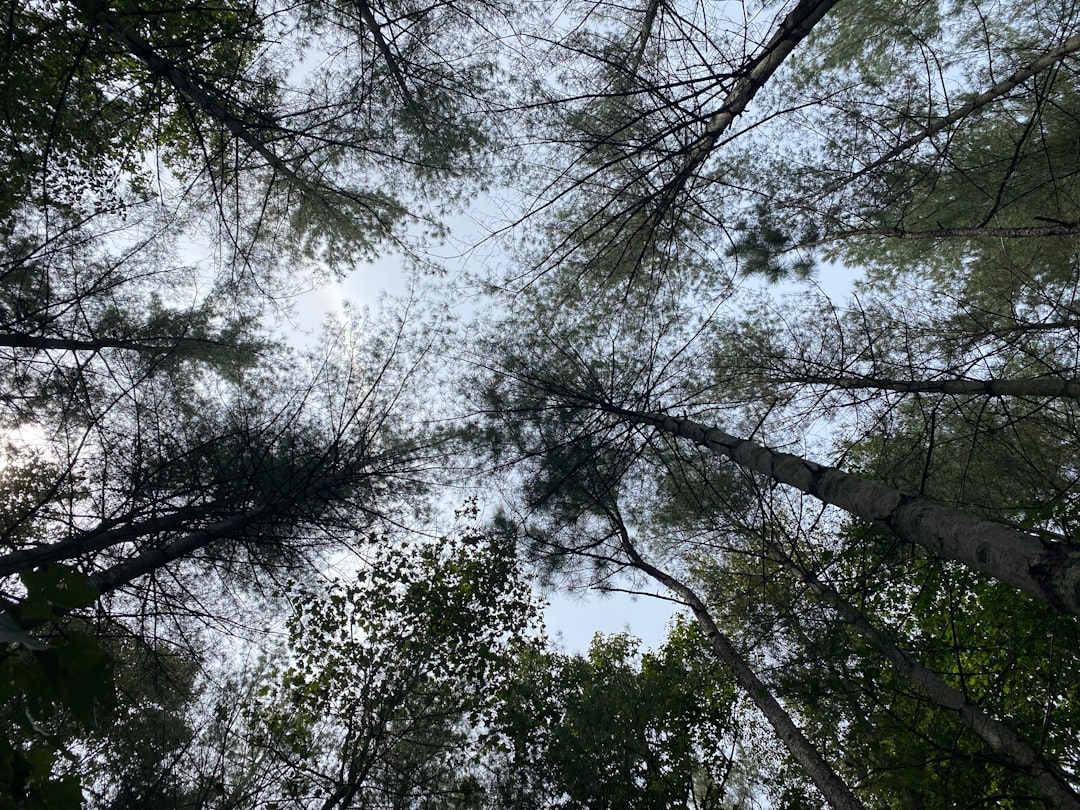
Reconnect with nature, Some simple ideas
# The Benefits of Engaging with Natural Environments
Modern life, characterized by urbanization and technology, often limits opportunities for direct contact with natural environments. Research demonstrates that regular engagement with nature provides measurable benefits to physical and mental health. Natural settings have been shown to reduce stress, lower blood pressure, and improve overall psychological well-being.
Individuals can reconnect with nature through various activities suited to different preferences and circumstances. These range from walking in local parks to hiking in mountainous regions. The specific activity matters less than the consistency of outdoor engagement.
Urban residents have access to parks, gardens, and green spaces, while rural populations benefit from more extensive natural areas. Establishing a regular practice of spending time outdoors contributes to improved health outcomes and a greater sense of personal equilibrium.
Key Takeaways
- Reconnecting with nature enhances overall wellness and mental health.
- Outdoor activities like hiking and gardening promote physical and emotional well-being.
- Spending time in nature reduces stress, boosts immunity, and improves mood.
- Simple practices such as mindful walks and creating green spaces foster a deeper nature connection.
- Integrating nature into daily life supports mindfulness and a healthier lifestyle.
Outdoor Activities for Wellness
Engaging in outdoor activities is one of the most effective ways to enhance your physical and mental wellness. You might consider activities such as hiking, biking, or even gardening as excellent ways to get outside and enjoy the fresh air. Hiking allows you to explore new trails while providing a great cardiovascular workout.
The rhythmic sound of your footsteps on the earth and the rustle of leaves in the wind can create a meditative experience that calms your mind and invigorates your body. If hiking isn’t your preference, biking can be an exhilarating alternative. Riding through scenic routes not only boosts your fitness levels but also allows you to take in the beauty of your surroundings.
Alternatively, gardening offers a more grounded approach to outdoor activity. Tending to plants and flowers can be incredibly therapeutic, providing you with a sense of accomplishment as you watch your efforts bloom into life. Each of these activities encourages you to engage with nature actively, promoting both physical health and mental clarity.
Health Benefits of Spending Time in Nature

The health benefits of spending time in nature are well-documented and profound. Research has shown that being outdoors can reduce stress levels significantly. When you immerse yourself in natural settings, your body responds by lowering cortisol levels, which are often elevated due to stress.
This reduction in stress can lead to improved mood and overall mental health, making it easier for you to cope with life’s challenges. Moreover, exposure to natural light is essential for regulating your circadian rhythms, which can enhance your sleep quality. A good night’s sleep is crucial for maintaining cognitive function and emotional stability.
Additionally, spending time outdoors often encourages physical activity, which is vital for maintaining a healthy weight and reducing the risk of chronic diseases such as heart disease and diabetes. The combination of fresh air, sunlight, and physical movement creates a powerful recipe for improved health and well-being.
Simple Ideas for Reconnecting with Nature
Reconnecting with nature doesn’t have to be complicated or time-consuming. There are simple yet effective ways to integrate nature into your daily life. One idea is to take short walks during your lunch break or after dinner.
Even a brief stroll around your neighborhood or local park can provide a refreshing break from screens and indoor environments. As you walk, pay attention to the sights and sounds around you—the chirping of birds, the rustling of leaves, or the vibrant colors of flowers. Another simple way to reconnect is by creating a small garden space at home, whether it’s a few pots on your balcony or a dedicated area in your yard.
Planting flowers, herbs, or vegetables not only beautifies your space but also fosters a sense of responsibility and connection to the earth. You might also consider joining local community events focused on environmental conservation or outdoor activities. These gatherings can introduce you to like-minded individuals who share your passion for nature while providing opportunities for exploration and learning.
Mindfulness and Nature Connection
| Idea | Description | Time Required | Benefits |
|---|---|---|---|
| Daily Nature Walk | Take a 20-30 minute walk in a nearby park or natural area. | 20-30 minutes | Improves mood, reduces stress, increases physical activity |
| Gardening | Plant flowers, herbs, or vegetables in your garden or pots. | 15-60 minutes daily or weekly | Enhances mindfulness, provides fresh produce, connects with earth |
| Bird Watching | Observe and identify local birds in your backyard or park. | 10-30 minutes | Increases attention to detail, promotes relaxation |
| Outdoor Meditation | Practice meditation or deep breathing exercises outside. | 10-20 minutes | Reduces anxiety, improves focus, connects mind and nature |
| Picnic in Nature | Enjoy a meal outdoors in a natural setting. | 30-60 minutes | Encourages social connection, enhances sensory experience |
| Stargazing | Spend time observing the night sky and constellations. | 15-45 minutes | Fosters wonder, improves sleep quality |
Mindfulness is an essential practice that complements your efforts to reconnect with nature. By being present in the moment and fully engaging with your surroundings, you can deepen your appreciation for the natural world. When you step outside, take a moment to pause and observe what’s around you.
Notice the texture of tree bark, the patterns in leaves, or the sounds of water flowing in a nearby stream. This practice not only enhances your connection with nature but also cultivates a sense of gratitude for the beauty that exists in everyday life. Incorporating mindfulness into your outdoor experiences can transform a simple walk into a profound journey of self-discovery.
As you breathe in the fresh air and feel the ground beneath your feet, allow yourself to let go of distractions and worries. Focus on your breath and let it guide you into a state of relaxation. This mindful approach can help you develop a deeper bond with nature while also promoting mental clarity and emotional resilience.
Creating a Nature-Friendly Living Space
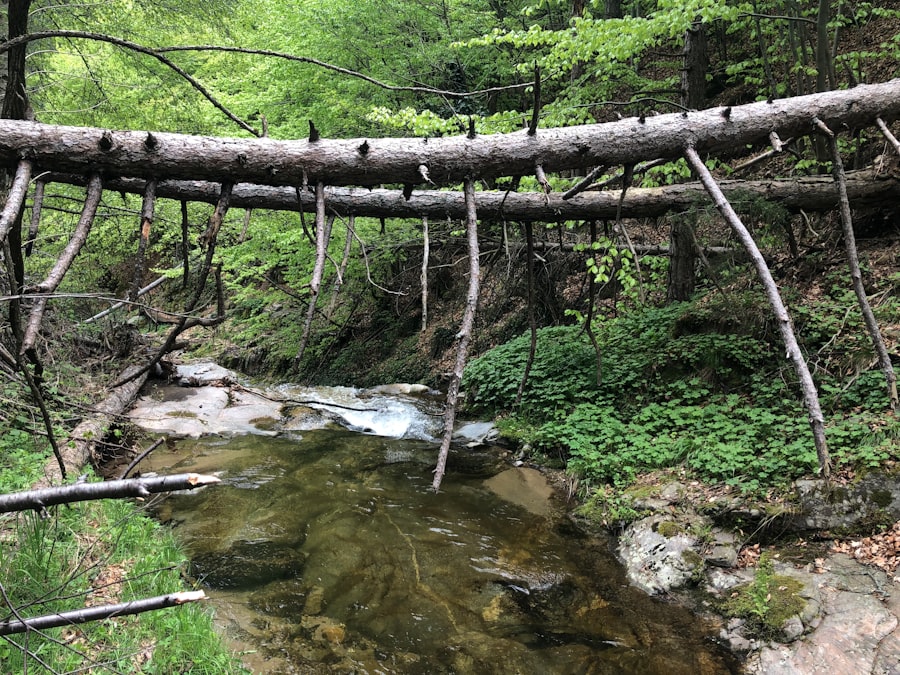
Your living space can significantly influence your connection with nature. By incorporating natural elements into your home environment, you can create a sanctuary that promotes relaxation and well-being. Start by adding houseplants; they not only purify the air but also bring a touch of greenery indoors.
Choose plants that thrive in your living conditions, whether they are low-maintenance succulents or vibrant flowering plants. Additionally, consider using natural materials in your home decor. Wooden furniture, stone accents, and organic textiles can evoke a sense of warmth and connection to the earth.
You might also want to incorporate large windows or glass doors that allow natural light to flood your space while providing views of the outdoors. By designing a nature-friendly living space, you create an inviting atmosphere that encourages you to spend more time appreciating the beauty of nature.
Incorporating Nature into Daily Routines
Integrating nature into your daily routines can be both simple and rewarding. Start by making small adjustments to your schedule that allow for outdoor time. For instance, consider having breakfast on your patio or balcony when weather permits.
Enjoying your morning coffee surrounded by fresh air can set a positive tone for the day ahead. You might also explore ways to incorporate nature into your exercise routine. Instead of hitting the gym, opt for outdoor workouts such as jogging in the park or practicing yoga on the beach.
These activities not only provide physical benefits but also allow you to connect with nature while enhancing your overall experience. By making these small changes, you’ll find that nature becomes an integral part of your daily life rather than an occasional escape.
Embracing the Health Benefits of Nature
In conclusion, embracing the health benefits of nature is essential for nurturing both your physical and mental well-being. By taking intentional steps to reconnect with the natural world—whether through outdoor activities, mindfulness practices, or creating a nature-friendly living space—you can cultivate a deeper appreciation for the environment around you. The simple act of stepping outside can lead to profound changes in how you feel and function in everyday life.
As you embark on this journey of reconnection, remember that nature is not just a backdrop; it is an integral part of who you are as a human being. Allow yourself to be inspired by its beauty and wisdom, and let it guide you toward a healthier, more balanced life. Embrace these opportunities to engage with nature fully; they will enrich your life in ways you may have never imagined possible.