
Nature, the outdoors and how these help mental health
Spending time in natural environments such as parks and forests produces measurable improvements in mental health and psychological well-being. Scientific research demonstrates that exposure to natural settings reduces anxiety, elevates mood, and enhances cognitive clarity. These benefits result from the sensory experiences nature provides—visual stimuli, ambient sounds, and natural scents—which activate the parasympathetic nervous system and promote relaxation.
Mental health professionals increasingly recommend nature-based interventions as evidence-based treatments for stress, anxiety, and depression. Regular outdoor activity has been shown to lower cortisol levels, reduce blood pressure, and improve overall emotional resilience. The therapeutic effects of nature exposure are now recognized as a legitimate complement to conventional mental health treatment, offering individuals an accessible and cost-effective method to support their psychological well-being.
Key Takeaways
- Spending time outdoors has significant positive effects on mental health and well-being.
- Nature therapy, or immersing oneself in natural environments, can improve mental wellness and reduce stress.
- Scientific research supports the connection between exposure to nature and enhanced emotional resilience.
- Incorporating various outdoor activities into self-care routines can boost mental health and reduce anxiety.
- Regular time in nature helps build emotional strength and supports overall mental health care.
The Mental Health Benefits of Outdoor Activities: Exploring the Positive Impact of Nature on Well-being
Engaging in outdoor activities can be a transformative experience for your mental health. Whether you enjoy hiking, biking, or simply taking a leisurely stroll, these activities allow you to connect with nature while also reaping the benefits of physical exercise. You may find that the combination of fresh air, sunlight, and physical movement creates a powerful antidote to feelings of stress and anxiety.
The endorphins released during physical activity can elevate your mood, while the natural surroundings provide a soothing backdrop that encourages relaxation. Moreover, outdoor activities often foster social connections, which are essential for maintaining good mental health. When you participate in group activities like team sports or community hikes, you not only enjoy the benefits of nature but also build relationships with others who share your interests.
These social interactions can combat feelings of loneliness and isolation, further enhancing your emotional well-being. By incorporating outdoor activities into your routine, you create opportunities for both physical and mental rejuvenation.
Nature Therapy: How Immersing Yourself in the Outdoors Can Improve Mental Wellness
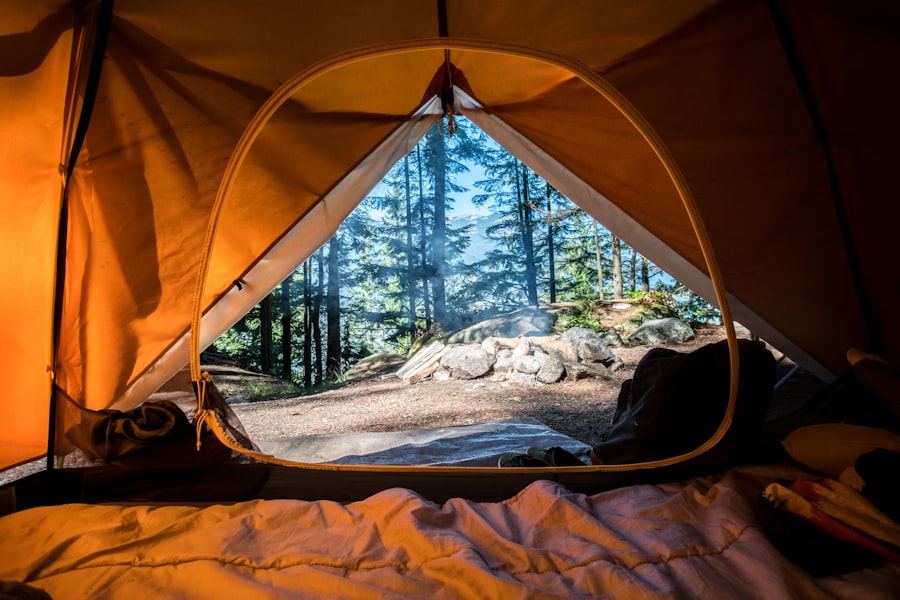
Nature therapy, also known as ecotherapy, is an emerging field that emphasizes the therapeutic benefits of spending time in natural environments. You may find that immersing yourself in nature can lead to profound changes in your mental wellness. This practice encourages you to engage with the natural world on a deeper level, allowing you to experience its beauty and tranquility fully.
Whether it’s through guided forest bathing sessions or solo hikes, nature therapy invites you to slow down and appreciate the present moment. The benefits of nature therapy extend beyond mere relaxation; they can also promote self-reflection and personal growth. As you spend time outdoors, you may find yourself contemplating your thoughts and feelings in a way that is difficult to achieve in the hustle and bustle of everyday life.
This introspection can lead to greater self-awareness and emotional clarity, helping you navigate life’s challenges with renewed strength and resilience. By embracing nature therapy, you open yourself up to a world of healing possibilities.
The Connection Between Nature and Mental Health: Understanding the Science Behind the Healing Effects of the Outdoors
The connection between nature and mental health is supported by a growing body of scientific research. Studies have shown that exposure to natural environments can lower cortisol levels, reduce blood pressure, and improve overall mood. When you spend time outdoors, your body responds positively to the sights and sounds around you, triggering physiological changes that promote relaxation and well-being.
This scientific understanding reinforces the idea that nature is not just a backdrop for our lives but an essential component of our mental health. Furthermore, the concept of biophilia suggests that humans have an innate connection to nature, which plays a crucial role in our psychological well-being. You may find that being surrounded by greenery or listening to the sound of flowing water evokes feelings of comfort and safety.
This connection can be particularly beneficial during times of stress or emotional turmoil, as nature provides a grounding force that helps you regain balance. By understanding the science behind these effects, you can appreciate the importance of incorporating nature into your life for improved mental health.
Outdoor Activities for Mental Health: Exploring Different Ways to Incorporate Nature into Your Self-care Routine
Incorporating outdoor activities into your self-care routine can be both enjoyable and beneficial for your mental health. You might consider starting with simple activities like gardening or taking regular walks in your neighborhood park. These low-impact options allow you to connect with nature without requiring extensive planning or resources.
As you become more comfortable spending time outdoors, you can explore more adventurous activities such as hiking, kayaking, or even camping. Another way to enhance your outdoor experience is by practicing mindfulness while engaging in these activities. You can focus on your breath as you walk or pay attention to the sensations around you—the rustling leaves, the chirping birds, or the warmth of the sun on your skin.
This mindfulness practice can deepen your connection to nature and enhance its calming effects on your mind. By intentionally incorporating outdoor activities into your self-care routine, you create a holistic approach to mental wellness that nurtures both body and spirit.
Nature’s Calming Effect: How Spending Time Outdoors Can Reduce Stress and Anxiety
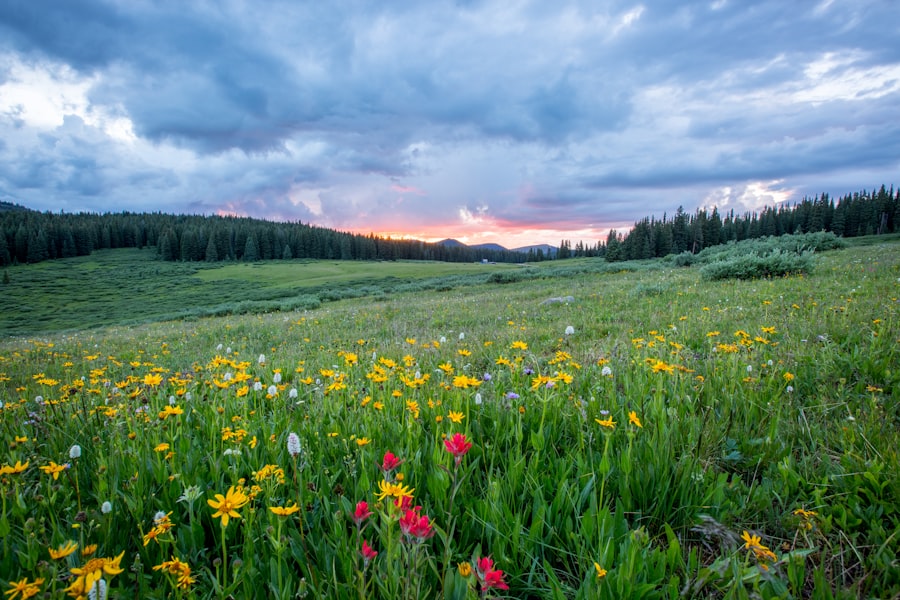
You may have experienced moments when stepping outside instantly alleviated feelings of stress or anxiety. Nature has a unique ability to calm the mind and soothe the soul. The gentle sounds of rustling leaves or flowing water can create a serene atmosphere that encourages relaxation.
When you immerse yourself in these natural sounds, your body responds by lowering heart rates and reducing stress hormones, leading to an overall sense of tranquility. Additionally, spending time outdoors allows you to disconnect from technology and the constant barrage of information that often contributes to anxiety. In nature, you can escape from screens and notifications, giving your mind a much-needed break from digital distractions.
This disconnection fosters a sense of presence and mindfulness that can be incredibly grounding. By prioritizing time outdoors as a means to reduce stress and anxiety, you empower yourself to cultivate a more peaceful state of mind.
The Role of Nature in Boosting Mental Resilience: How the Outdoors Can Help Build Emotional Strength
Building mental resilience is essential for navigating life’s challenges effectively. Nature plays a significant role in this process by providing opportunities for reflection, growth, and healing. When you face difficulties while spending time outdoors—whether it’s overcoming physical obstacles on a hike or dealing with unexpected weather—you learn valuable lessons about perseverance and adaptability.
These experiences can translate into greater emotional strength in other areas of your life. Moreover, nature encourages a sense of perspective that can be incredibly beneficial during tough times. When surrounded by vast landscapes or towering trees, you may find it easier to put your problems into context.
This shift in perspective allows you to approach challenges with renewed clarity and determination. By embracing nature as a source of strength and resilience, you equip yourself with the tools needed to face adversity head-on.
Harnessing the Healing Power of Nature: Tips for Incorporating Outdoor Time into Your Mental Health Care Routine
To harness the healing power of nature effectively, consider setting aside dedicated time each week for outdoor activities. You might start by scheduling regular walks or hikes into your calendar as non-negotiable appointments for self-care. This commitment not only prioritizes your mental health but also creates a routine that reinforces the importance of connecting with nature.
Additionally, consider exploring new outdoor spaces or activities to keep things fresh and exciting. You could join local hiking groups or participate in community gardening projects to meet like-minded individuals who share your passion for nature. Engaging with others can enhance your experience while providing additional motivation to spend time outdoors.
Lastly, remember that even small moments spent in nature can be beneficial. Whether it’s sipping coffee on your balcony surrounded by plants or taking a few minutes to breathe deeply while standing under a tree, every little bit counts toward improving your mental health. By incorporating these tips into your routine, you can fully embrace the healing power of nature and cultivate a more balanced and fulfilling life.
Spending time in nature has been shown to significantly improve mental health, and exploring beautiful outdoor locations can enhance this experience. A related article that highlights some must-visit places for outdoor enthusiasts is available at Must-Visit Places for Outdoor Enthusiasts. This article not only showcases stunning landscapes but also emphasizes the therapeutic benefits of immersing oneself in the great outdoors, making it a valuable resource for anyone looking to boost their mental well-being through nature.