
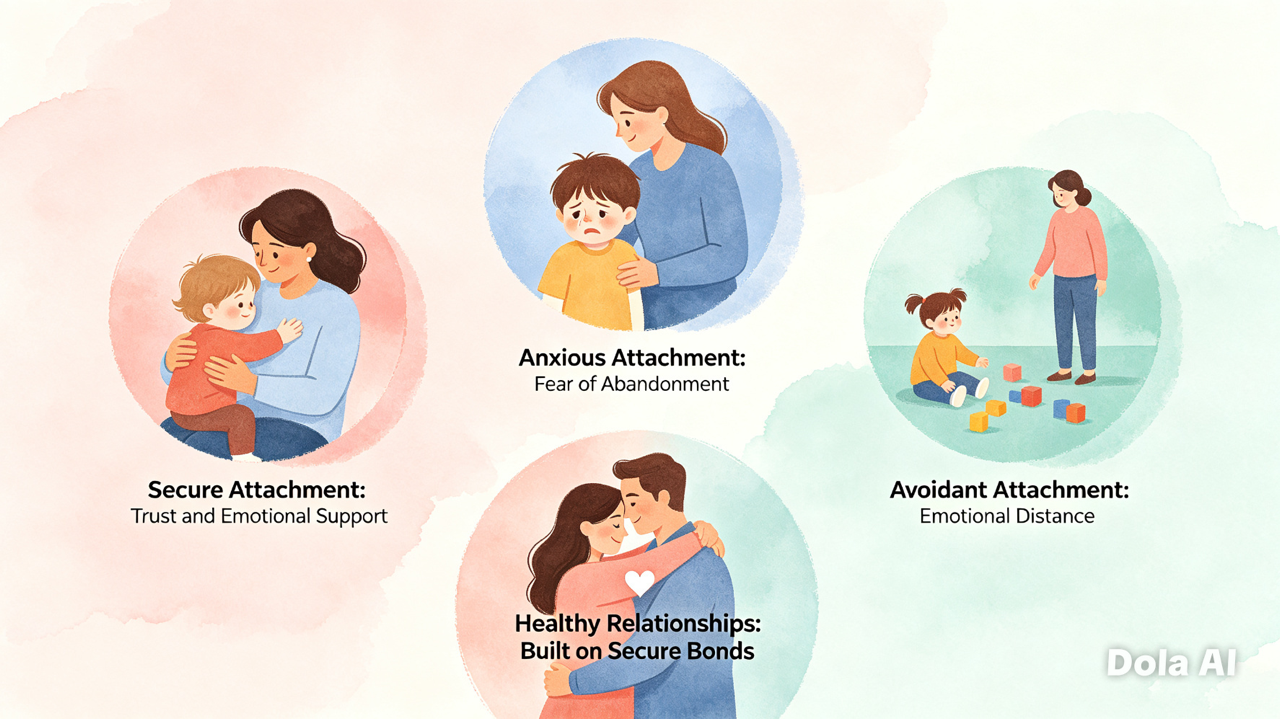
How to Change an Anxious or Avoidant Attachment Style Into a Secure Attachment
Attachment styles shape how we connect, communicate, and feel in relationships. If you often fear abandonment, struggle with emotional closeness, or feel trapped when relationships become serious, your attachment style may be influencing your behaviour more than you realise.
The good news is that attachment styles are not permanent. With self-awareness, emotional regulation, and healthier relationship patterns, it is possible to move from anxious or avoidant attachment toward a secure attachment style.
In this guide, we’ll explore:
- What anxious and avoidant attachment styles are
- Signs you may have one
- How attachment styles develop
- Practical steps to become more secure
- How relationships can heal attachment wounds
What Is Attachment Theory?
Attachment theory explains how early emotional experiences shape the way we connect with others in adulthood. Our attachment style often develops through childhood relationships with caregivers and can influence:
- Romantic relationships
- Friendships
- Emotional regulation
- Trust and intimacy
- Conflict resolution
The four main attachment styles are:
- Secure attachment
- Anxious attachment
- Avoidant attachment
- Fearful-avoidant attachment
People with secure attachment generally feel safe with intimacy and independence. Those with anxious or avoidant styles often struggle with emotional safety in opposite ways.
Signs of Anxious Attachment
People with anxious attachment typically crave closeness but fear rejection or abandonment.
Common Signs
- Overthinking texts and communication
- Needing constant reassurance
- Fear of being left or replaced
- Emotional highs and lows in relationships
- Difficulty feeling secure even with a loving partner
- Becoming highly sensitive to distance or change
Many anxiously attached people learned early in life that love felt inconsistent, unpredictable, or conditional.
Signs of Avoidant Attachment
People with avoidant attachment often value independence so strongly that emotional intimacy feels uncomfortable or overwhelming.
Common Signs
- Pulling away when relationships become serious
- Difficulty expressing emotions
- Avoiding vulnerability
- Feeling trapped by emotional closeness
- Shutting down during conflict
- Preferring independence over connection
Avoidant attachment often develops when emotional needs were dismissed, criticised, or ignored during childhood.
Can Attachment Styles Change?
Yes. Attachment styles are learned patterns, not life sentences.
The brain has the ability to create new emotional patterns through:
- Self-awareness
- Repetition
- Safe relationships
- Therapy
- Emotional regulation
- Consistent experiences of trust and connection
This process is often called “earned secure attachment.”
How to Heal Anxious Attachment
1. Learn to Self-Soothe
Anxious attachment often creates emotional panic when connection feels uncertain. Learning to calm your nervous system is essential.
Healthy self-soothing strategies include:
- Deep breathing exercises
- Journaling
- Meditation
- Physical movement
- Grounding techniques
- Spending time with supportive people
The goal is to stop relying entirely on external reassurance for emotional safety.
2. Stop Seeking Constant Validation
Reassurance can temporarily reduce anxiety, but constantly seeking validation can strengthen insecurity over time.
Instead of asking:
- “Do they still love me?”
- “Are they losing interest?”
Try asking yourself:
- “What evidence do I actually have?”
- “Am I reacting from fear or reality?”
Building internal security reduces emotional dependence.
3. Develop a Strong Identity Outside Relationships
Many anxiously attached people lose themselves in relationships.
Focus on:
- Personal goals
- Hobbies
- Friendships
- Career growth
- Physical and mental wellbeing
The more fulfilled you feel independently, the less emotionally fragile relationships become.
4. Communicate Needs Calmly
Healthy communication is direct, honest, and regulated.
Instead of:
- Blaming
- Clinging
- Testing your partner
Try:
- “I feel anxious when communication suddenly changes.”
- “Consistency helps me feel emotionally safe.”
Secure communication builds trust instead of conflict.
How to Heal Avoidant Attachment
1. Become Comfortable With Vulnerability
Avoidant attachment often treats vulnerability as danger.
Start small:
- Share emotions honestly
- Express appreciation
- Talk about fears
- Allow others to support you
Emotional intimacy becomes easier with practice.
2. Stop Automatically Pulling Away
Avoidant individuals often create distance when emotions intensify.
Before withdrawing:
- Pause
- Reflect on what triggered you
- Identify whether you truly need space or are avoiding discomfort
Not every emotional conversation is a threat.
3. Learn Emotional Awareness
Many avoidant people disconnect from emotions rather than process them.
Helpful tools include:
- Therapy
- Journaling
- Mindfulness
- Emotional check-ins
Naming emotions reduces emotional shutdown.
4. Challenge Negative Beliefs About Dependence
Avoidant attachment often carries beliefs such as:
- “I can only rely on myself.”
- “Needing people is weakness.”
- “Closeness leads to pain.”
Secure attachment recognises that healthy interdependence is normal and healthy.
Traits of Secure Attachment
People with secure attachment usually:
- Communicate openly
- Trust their partners
- Respect boundaries
- Handle conflict calmly
- Feel comfortable with intimacy and independence
- Regulate emotions effectively
Security does not mean perfection. It means stability, emotional honesty, and resilience.
The Role of Therapy in Attachment Healing
Therapy can significantly help with attachment healing, especially if patterns are deeply rooted.
Helpful approaches include:
- Cognitive Behavioural Therapy (CBT)
- Somatic therapy
- Internal Family Systems (IFS)
- Trauma-informed therapy
- Emotionally Focused Therapy (EFT)
A safe therapeutic relationship can help retrain the nervous system to experience connection differently.
How Healthy Relationships Help You Become Secure
Relationships themselves can be healing when they are:
- Consistent
- Emotionally safe
- Honest
- Respectful
- Communicative
Secure relationships help rewire old attachment wounds through repeated positive experiences.
However, healing still requires personal responsibility. A partner cannot heal attachment wounds alone.
Daily Habits to Build Secure Attachment
Practical Daily Practices
- Regulate emotions before reacting
- Communicate honestly
- Set healthy boundaries
- Spend time alone comfortably
- Challenge negative assumptions
- Practice vulnerability gradually
- Build self-worth independently of relationships
- Choose emotionally available partners
Small consistent changes create long-term emotional transformation.
Final Thoughts
Healing anxious or avoidant attachment is not about becoming emotionally perfect. It is about creating emotional safety within yourself and your relationships.
Secure attachment develops through:
- Self-awareness
- Emotional regulation
- Healthy communication
- Safe connection
- Consistency
No matter how long you’ve struggled with insecurity, intimacy fears, or emotional distance, change is possible. With time and intentional effort, you can build healthier, calmer, and more fulfilling relationships.