
Adventure Travel and Mental Health: Why We Need More Adventure in Our Lives
The Call of the Wild and Your Inner Landscape
You feel it, don’t you? That subtle tug, a whisper in the back of your mind suggesting there’s more to life than the daily grind. Perhaps it’s a yearning for something raw, something real, far removed from the sterile predictability of modern existence. This isn’t just a fleeting desire; it’s a fundamental human need, a deep-seated impulse to explore, to challenge, to experience. We’re talking about adventure travel, not merely as a vacation, but as a potent catalyst for profound mental well-being. You might dismiss it as a luxury, an indulgence, but what if you reframe it as a vital prescription for a healthier, more resilient mind? In an increasingly complex and demanding world, the very act of stepping outside your comfort zone, of embracing the unpredictable, offers a unique and powerful antidote to the anxieties and stresses that permeate our lives. This isn’t about escaping reality; it’s about engaging with a different, often more elemental, reality that can reshape your perspective and fortify your inner strength. You’re not just booking a trip; you’re investing in your mental capital, unlocking potential you didn’t even know you possessed. The physical exertion, the mental fortitude required, the stunning natural environments – all converge to create a holistic experience that profoundly impacts your psychological state. You’ll find yourself breathing deeper, thinking clearer, and feeling more alive than you have in years.
Redefining Mental Resilience Through Exploration
Consider for a moment what true mental resilience looks like. It’s not an absence of problems; it’s the ability to navigate them with strength and grace. Where do you cultivate such resilience in your daily routine? The repetitive nature of work, the endless to-do lists, the constant digital bombardment – these often deplete rather than replenish your mental reserves. Adventure travel, however, throws you into situations that demand ingenuity, adaptability, and self-reliance. You might face unexpected weather shifts on a mountain trek, discover a challenging river crossing during a kayaking expedition, or encounter cultural differences that push your understanding of the world. Each of these moments, initially perceived as obstacles, becomes an opportunity for growth. You learn to problem-solve under pressure, to trust your instincts, and to rely on your own capabilities. This process of overcoming external challenges directly translates into an increased capacity to handle internal ones. You return home not just with stories and photos, but with a sharpened sense of self-efficacy, a quiet confidence that says, “I can handle this.” This isn’t just fleeting bravado; it’s a deep-seated belief in your ability to adapt and thrive, a belief forged in the crucible of adventure. You’ll find yourself less prone to panic, more able to see setbacks as temporary, and more willing to embrace the unknown, both on and off the trail.
The Antidote to Digital Overload
You’re constantly connected, aren’t you? Your phone buzzes, emails stack up, social media clamors for your attention. This ceaseless digital interaction, while offering convenience, can also be a significant source of stress and mental fatigue. Your brain is in a constant state of alert, processing information, responding to notifications. This hyper-connectivity often leads to fragmented attention, difficulty focusing, and a pervasive sense of being overwhelmed. Adventure travel offers a radical, yet incredibly effective, digital detox. Imagine days, even weeks, where your primary connection is to the natural world around you. No emails, no endless scrolling, no urgent messages demanding an immediate response. Your focus shifts to the immediate environment: the rhythm of your breath as you climb, the sound of rushing water, the scent of pine needles. This enforced disconnect allows your brain to reset, to slow down, and to engage with the world in a more mindful and present way. You experience a profound sense of liberation from the digital chains, allowing for genuine introspection and a clearer understanding of your own thoughts and feelings. This isn’t just a temporary break; it’s a re-calibration of your relationship with technology, reminding you of the beauty and peace that exist beyond the screen.
Adventure travel not only offers thrilling experiences but also plays a significant role in enhancing mental health by promoting a sense of well-being and reducing stress. Engaging in adventurous activities can help individuals reconnect with nature and themselves, leading to improved emotional resilience. For those interested in understanding the broader implications of physical health on mental well-being, an insightful article titled “The Importance of Hormonal Balance” delves into how hormonal health can affect mood and overall mental state. You can read it here: The Importance of Hormonal Balance.
The Therapeutic Power of Nature Immersion
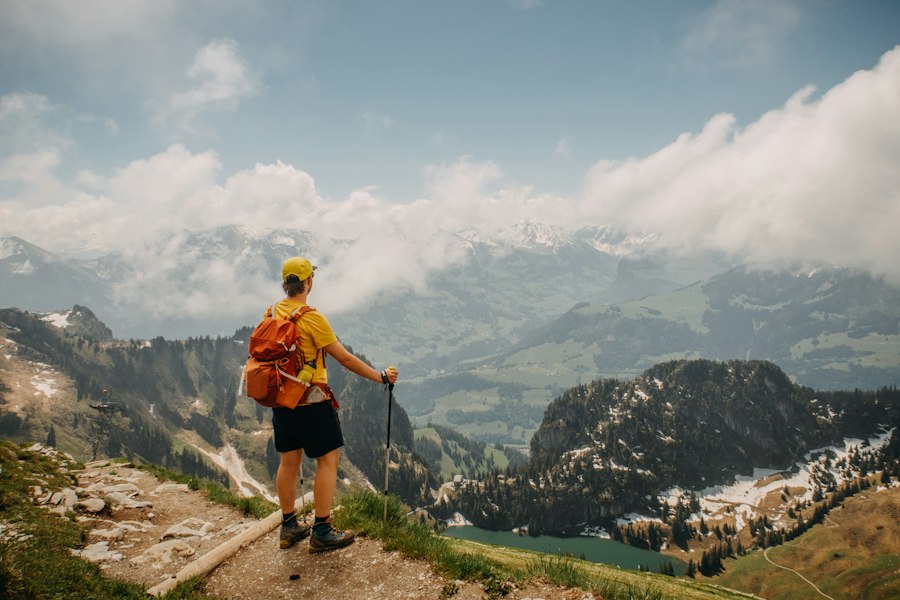
You already intuitively know that nature is good for you. A walk in the park can lift your spirits, a day at the beach can soothe your soul. But adventure travel takes this innate understanding and amplifies it exponentially. You’re not just visiting nature; you’re immersing yourself in it, becoming an integral part of its rhythms and challenges. This deep engagement with natural environments offers a unique and powerful therapeutic experience that can profoundly impact your mental health. Think about the sensory richness of an untouched landscape: the crisp, clean air filling your lungs, the vibrant colors of a sunset over the mountains, the exhilarating chill of a wild river, the vastness of a star-filled night sky unmarred by city lights. These experiences aren’t just pleasant; they’re restorative. They engage your senses in a way that urban environments rarely do, drawing your attention away from internal anxieties and towards the grandeur and simplicity of the natural world. This profound connection to nature isn’t just anecdotal; it’s backed by a growing body of scientific research demonstrating its positive effects on stress reduction, mood improvement, and cognitive function.
Forest Bathing and Beyond
You might have heard of “forest bathing” (shinrin-yoku), a Japanese practice that emphasizes mindful immersion in forests. While this practice focuses on contemplative presence, adventure travel takes this a step further by adding an element of active engagement and challenge. When you’re trekking through dense forests, navigating a challenging river, or scaling a rock face, you’re not just passively observing nature; you’re actively interacting with it. This interaction deepens your connection, transforming you from an observer into a participant. The physical exertion inherent in most adventure activities enhances the benefits of nature immersion. Your body releases endorphins, those natural mood boosters, while the fresh air and sunlight contribute to improved sleep patterns and vitamin D levels, both crucial for mental well-being. You experience a unique sense of flow, where the demands of the environment merge with your actions, leading to a state of heightened focus and reduced self-consciousness. This “flow state” is incredibly therapeutic, allowing you to temporarily shed the burdens of self-doubt and overthinking. You become one with the moment, fully present and engaged, a feeling that is increasingly rare in our overstimulated lives.
The Grandeur Effect and Perspective Shift
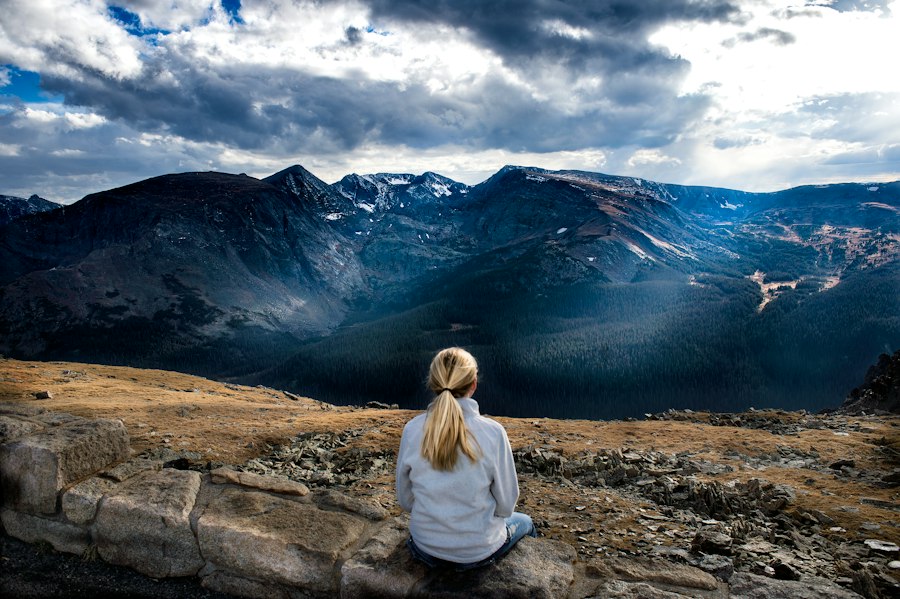
You’ve stood at the edge of a vast canyon, haven’t you, or gazed up at towering mountains? That feeling of insignificance, of being a small speck in a magnificent universe – that’s the “grandeur effect,” and it’s incredibly powerful for your mental health. When faced with the immense scale and beauty of nature, your everyday worries and anxieties often shrink into proper perspective. The petty squabbles, the missed deadlines, the perceived failures – they don’t disappear, but their importance diminishes when compared to the timeless majesty of the natural world. This shift in perspective can be incredibly liberating. It helps you to detach from ruminative thought patterns and to recognize that many of your worries are transient and ultimately less significant than you once believed. You gain a broader understanding of your place in the world, fostering a sense of humility and connection to something larger than yourself. This can be a profound spiritual experience for many, instilling a sense of awe and wonder that can re-energize your spirit and offer a fresh outlook on life’s challenges. You return with a clearer head, a lighter heart, and a renewed sense of purpose.
Building Self-Efficacy and Conquering Fear
You know that feeling of accomplishment, don’t you? The satisfaction of achieving something difficult, of pushing past your perceived limits. Adventure travel is a masterclass in cultivating this feeling, building robust self-efficacy and offering invaluable opportunities to confront and conquer fear. It’s not about being fearless; it’s about acting despite fear, about understanding that discomfort is often the gateway to growth. Every challenge met, every obstacle overcome, reinforces your belief in your own capabilities. This isn’t just a temporary boost; it’s a foundational strengthening of your internal psychological architecture. You’re rewriting your narrative, transforming from someone who might try into someone who does, and then into someone who can.
The Growth Mindset in Action
You’ve heard of a “growth mindset,” haven’t you? The belief that your abilities can be developed through dedication and hard work. Adventure travel puts this concept into tangible action. When you’re learning to rappel, navigating a complex trail with a map and compass, or mastering a new kayaking stroke, you’re actively engaging in a process of skill acquisition and mastery. You’ll make mistakes, you’ll feel frustrated, you’ll doubt yourself. But you’ll also persevere. You’ll receive guidance, you’ll practice, and eventually, you’ll succeed. This iterative process of learning, failing, and ultimately mastering new skills directly strengthens your growth mindset. You learn that challenges aren’t insurmountable, but rather opportunities for learning and development. This translates directly back into your daily life. You’ll approach new projects at work with greater confidence, face personal challenges with more resilience, and be more open to learning new things, knowing that you possess the capacity for growth and adaptation.
Embracing Discomfort for Long-Term Gain
You might shy away from discomfort, and that’s a natural human instinct. But adventure travel teaches you that embracing discomfort can be profoundly transformative. Whether it’s the aching muscles after a long hike, the chill of an early morning dip in a mountain lake, or the vulnerability of being in an unfamiliar environment, these moments of discomfort are where true growth occurs. They force you to adapt, to push your boundaries, and to discover an inner strength you didn’t know you possessed. By voluntarily stepping into uncomfortable situations, you develop a higher tolerance for distress, a crucial skill for navigating the inevitable challenges of life. You learn that discomfort isn’t always a sign of danger; often, it’s a signal that you’re expanding your comfort zone. This psychological resilience, cultivated through intentional exposure to manageable discomfort, is one of the most valuable mental health benefits of adventure travel. You realize that you’re tougher than you think, more capable of enduring and thriving even when things get tough.
The Power of Presence and Mindfulness
You live in a world that often pulls you in multiple directions simultaneously, demanding your attention for past regrets or future anxieties. It’s rare to simply be in the present moment. Adventure travel, by its very nature, forces you into a state of heightened presence and mindfulness, offering a powerful antidote to the scattered attention and constant rumination that plague modern minds. When you’re navigating a river, scaling a rock face, or even just setting up camp in a remote wilderness, your focus has to be entirely on the immediate task and environment. Your survival, or at least your comfort, depends on it. This involuntary immersion in the present moment is deeply therapeutic.
A Natural Form of Meditation
You might struggle with traditional meditation, finding it difficult to quiet your mind. But adventure travel offers a dynamic, active form of mindfulness. Imagine the complete focus required to place your foot precisely on a narrow trail, to interpret the nuanced shifts in a river’s current, or to feel the subtle movements of your climbing ropes. Your mind isn’t wandering to your email inbox or your to-do list; it’s entirely absorbed in the sensory input and the task at hand. This intense focus on the present moment effectively quietens the internal chatter, offering a much-needed respite from overthinking. You become acutely aware of your body, your breath, and the natural world around you. This isn’t just relaxation; it’s a deep engagement with reality that grounds you and restores your sense of inner calm. You’re not just experiencing an adventure; you’re experiencing a prolonged state of active meditation, often without even realizing it.
Enhanced Sensory Awareness
You’re surrounded by stimuli in your daily life, but how often do you truly perceive them? Adventure travel heightens your sensory awareness in a way that urban environments rarely do. You become attuned to the subtle shifts in wind, the warmth of the sun on your skin, the unique scent of different foliage, the distinct calls of birds, the intricate textures of rocks and plants. This enhanced sensory engagement brings you more fully into the present moment, anchoring you to your surroundings. It’s a form of “sensory diet” that nourishes your mind, replacing the artificial and often overwhelming stimuli of modern life with the rich, natural tapestry of the wilderness. This renewed appreciation for sensory details can extend beyond your adventure, allowing you to experience the world with a heightened sense of wonder and connection in your everyday life. You’ll find yourself noticing beauty and detail where you once saw only the mundane.
Adventure travel has been increasingly recognized for its positive impact on mental health, as it encourages individuals to step outside their comfort zones and embrace new experiences. Engaging in activities like hiking, rock climbing, or exploring unfamiliar cultures can significantly boost one’s mood and overall well-being. For those interested in exploring the intersection of culture and adventure, a related article can be found at Footsteps and Food, which delves into how cultural experiences can enhance our understanding of the world and ourselves. By incorporating more adventure into our lives, we not only enrich our personal narratives but also foster resilience and joy.
Fostering Connection and Community
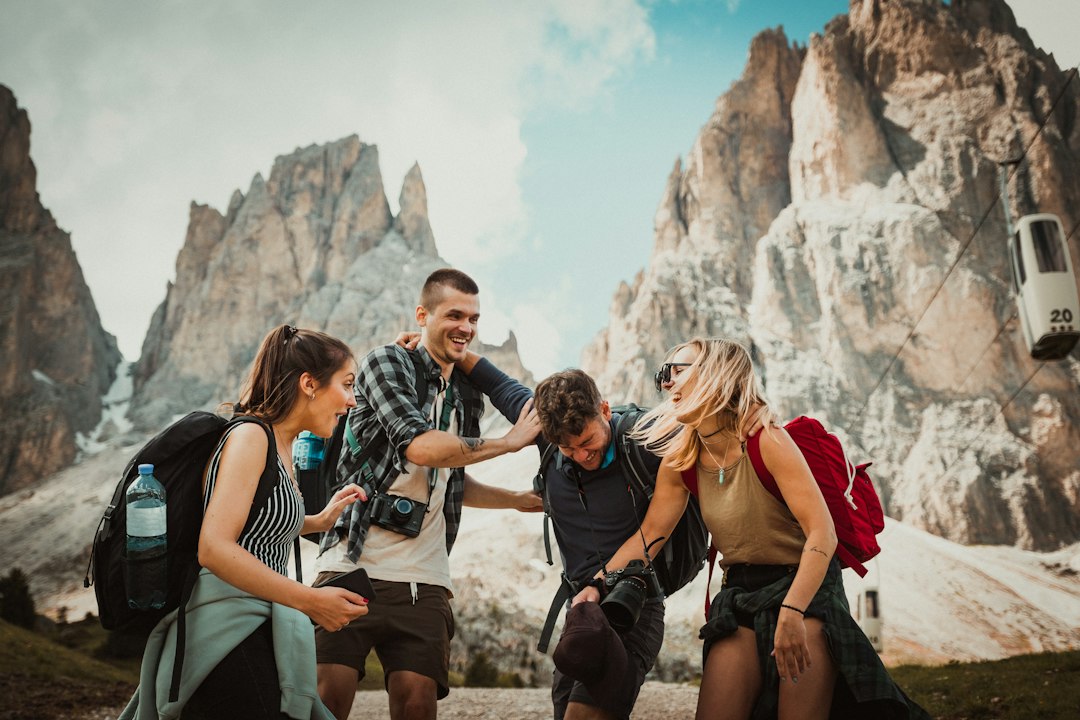
You might think of adventure travel as a solitary pursuit, a personal quest for self-discovery. While it certainly offers profound opportunities for introspection, it also excels at fostering deep human connection and building supportive communities. Whether you’re traveling with a small group of fellow adventurers, relying on a guide, or simply sharing a meal with locals in a remote village, these experiences create bonds that transcend superficial interactions and contribute significantly to your mental well-being. The shared challenges, the mutual support, and the collective triumphs forge powerful connections that combat feelings of isolation and loneliness, prevalent issues in our increasingly individualized societies.
Shared Vulnerability and Mutual Support
You’re placed in situations where vulnerability is not just acceptable, but often necessary. When you’re tired, cold, or facing a difficult climb, you learn to rely on others and to offer support in return. This shared vulnerability breaks down barriers and fosters genuine camaraderie. You see people at their most authentic, stripped of their usual social masks, and you offer your authentic self in return. The trust that develops in these high-stakes, shared experiences is unlike anything you typically encounter in daily life. You learn the invaluable lesson that you don’t have to carry every burden alone, and that true strength often lies in collaboration and mutual aid. This sense of belonging and support is a powerful antidote to stress and anxiety, reminding you that you are part of a larger human network.
Stepping Outside Your Social Bubble
You likely operate within a social bubble, interacting primarily with people who share similar backgrounds, beliefs, and experiences. While comfortable, this can limit your perspective and reinforce existing biases. Adventure travel, particularly to culturally diverse regions, shatters this bubble. You interact with people from vastly different walks of life, grappling with different languages, customs, and worldviews. This exposure fosters empathy, broadens your understanding of humanity, and challenges your preconceived notions. You learn adaptability, patience, and cross-cultural communication skills, all of which are invaluable for mental flexibility and reducing ethnocentric biases. This expansion of your social and cultural horizons can be incredibly enriching, offering new perspectives on your own life and society, and fostering a deeper appreciation for the diversity of human experience. You’re not just seeing new places; you’re seeing new ways of being, and that can be profoundly liberating.