
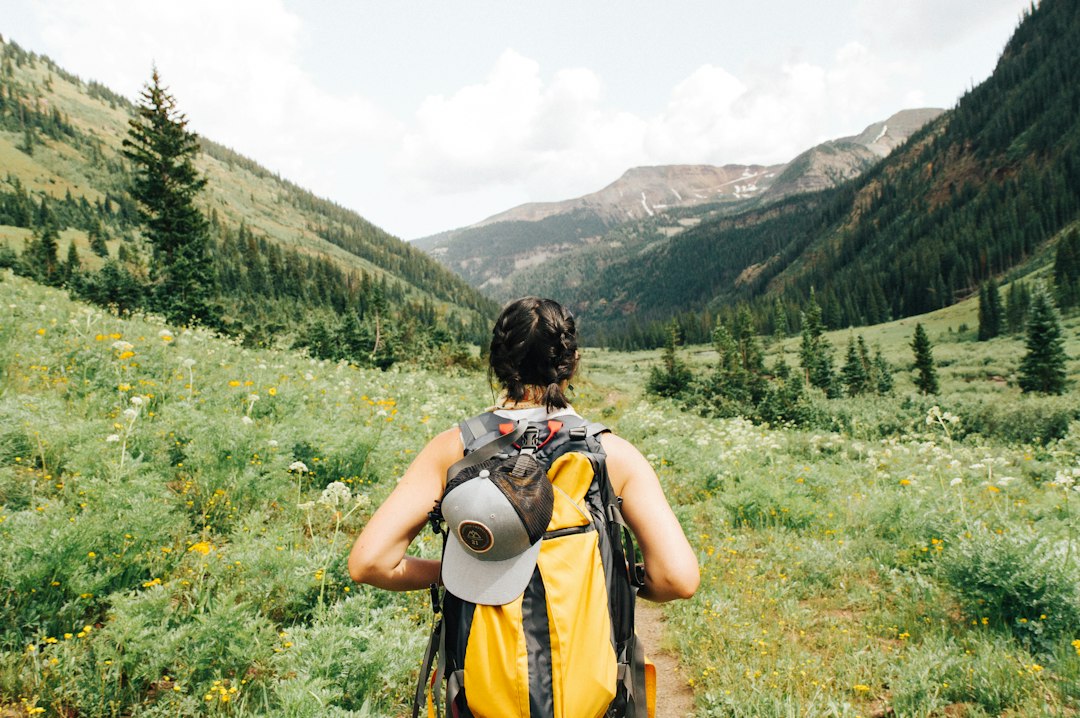
The Benefits of Travelling, Walking and Exploring for Your Mental Wellbeing
Reclaiming Your Calm Through Movement
You live in a world that constantly demands your attention, pulling you in myriad directions with notifications, deadlines, and an endless stream of information. It’s easy to feel overwhelmed, to find your mental landscape cluttered with anxieties and worries. But what if the antidote to this modern malaise wasn’t a complex therapy or an expensive retreat, but something far more accessible, something inherent to your very being? What if the key to unlocking a more resilient and serene mind lay in the simple acts of travelling, walking, and exploring? You might dismiss these as mere leisure activities, pleasant diversions from the “real” work of life. However, you’d be overlooking a profound truth: these activities are not just enjoyable; they are fundamental pillars of your mental wellbeing, offering a powerful and often overlooked pathway to clarity, emotional regulation, and a deeper connection with yourself and the world around you. This isn’t about embarking on an epic expedition every weekend, nor is it about forsaking your responsibilities for a life of perpetual wanderlust. It’s about recognizing the incremental power of movement, the subtle shifts in perspective that come from stepping outside your familiar confines, and the profound benefits that accrue when you consciously choose to engage with the world beyond your immediate four walls.
The Science Behind the Stroll
You might wonder how something as simple as putting one foot in front of the other can have such a profound impact on your brain. The answer lies in a fascinating interplay of neurobiology and psychology. When you walk, especially in natural environments, your brain undergoes a remarkable transformation. Studies have shown that even a short walk can reduce the levels of cortisol, the primary stress hormone, in your body. This reduction isn’t just a fleeting sensation; it contributes to a sustained feeling of calm and a decreased susceptibility to anxiety. Furthermore, physical activity, including walking, stimulates the production of endorphins, your body’s natural mood elevators. These powerful chemicals bind to opioid receptors in your brain, producing feelings of pleasure and euphoria, effectively acting as natural pain relievers and stress reducers. You experience a “runner’s high” not just from intense exercise, but from sustained, moderate activity like walking too.
Breaking the Cycle of Rumination
One of the most insidious aspects of poor mental health is the tendency towards rumination – the repetitive dwelling on negative thoughts and feelings. You find yourself trapped in a loop, replaying past mistakes or anticipating future misfortunes. Walking offers a powerful circuit breaker for this destructive pattern. As you move, your focus naturally shifts. The rhythmic motion of your legs, the subtle changes in your surroundings, the fresh air on your skin – all these external stimuli draw your attention away from the internal monologue of worry. You become more present, more anchored in the immediate moment. This isn’t to say that your problems vanish, but rather that the intense grip they hold on your mind loosens, allowing for a more objective perspective to emerge. It’s akin to stepping back from a painting; you gain a better understanding of the whole picture when you’re not pressed right up against it.
In addition to the insights shared in “The Benefits of Travelling, Walking and Exploring for Your Mental Wellbeing,” readers may find it valuable to explore related articles that delve deeper into the connection between mental health and outdoor activities. One such resource can be found at Footsteps and Food, where various articles discuss the positive impacts of nature, travel, and physical activity on mental health, providing further evidence of how engaging with the world around us can enhance our overall well-being.
The Therapeutic Power of Exploration

Beyond the sheer act of movement, the element of exploration adds another powerful layer to the mental health benefits. You are, at your core, an inquisitive being. Your brain thrives on novelty, on learning, and on experiencing new things. When you explore, whether it’s a new trail in your local park, a different neighborhood in your city, or a far-flung country, you engage these innate drives in a profoundly positive way. This isn’t about seeking constant adrenaline rushes; it’s about gently pushing the boundaries of your comfort zone, expanding your horizons, and stimulating your cognitive faculties in ways that sedentary living simply cannot.
Broadening Your Perspective
You often become entrenched in your daily routines, seeing the world through a familiar, albeit sometimes narrow, lens. This predictability can be comforting, but it can also foster a sense of stagnation and limit your understanding of alternative possibilities. Exploring new places, whether near or far, forces you to confront different perspectives. You encounter new cultures, new ways of life, new architectural styles, and new natural landscapes. This exposure challenges your preconceived notions and expands your understanding of the vast tapestry of human experience and the diversity of the natural world. You realize that your way isn’t the only way, and this realization can be incredibly liberating, reducing rigid thinking and fostering greater empathy and adaptability. It allows you to see your own problems in a broader context, often diminishing their perceived magnitude.
Boosting Creativity and Problem-Solving
When you explore, your brain is actively engaged in processing new information, making connections, and navigating unfamiliar situations. This mental stimulation is a potent catalyst for creativity. You encounter unexpected sights, sounds, and smells, which can spark new ideas and connections you wouldn’t have made in your familiar environment. The act of navigating an unfamiliar place, even something as simple as finding your way through a new town, activates your problem-solving skills. You learn to be resourceful, to adapt, and to trust your instincts. This cognitive exercise strengthens your mental agility and equips you with enhanced coping mechanisms for challenges you face in other areas of your life. You’re not just finding your way to a new café; you’re building a more flexible and robust mind.
Cultivating a Sense of Awe and Wonder
One of the most profound, yet often overlooked, benefits of exploring is the cultivation of awe and wonder. When you stand before a majestic mountain range, gaze at a vibrant coral reef, or even simply discover a hidden waterfall in a local forest, you experience a sense of vastness that can be incredibly humbling and uplifting. Research suggests that experiencing awe can lead to increased feelings of generosity, humility, and a greater sense of connection to something larger than yourself. This can be a powerful antidote to feelings of isolation and insignificance, reminding you of the beauty and grandeur that still exist in the world, even amidst its challenges. It helps you transcend the mundane and tap into a deeper sense of meaning.
The Mental Benefits of Nature’s Embrace
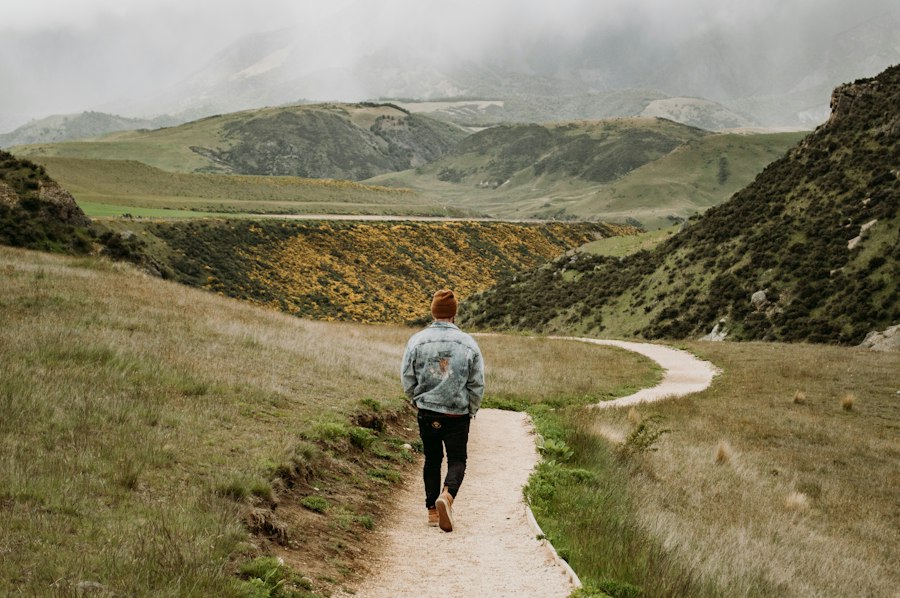
While any form of walking and exploration can be beneficial, there’s a unique and profound advantage to engaging with these activities in natural environments. You are, after all, a biological being, intrinsically connected to the natural world. Modern urban living often disconnects you from this fundamental truth, contributing to what some call “nature deficit disorder.” Actively seeking out natural spaces – forests, parks, beaches, mountains – offers a wealth of specific mental health benefits that you might not find in a concrete jungle.
Reducing Stress and Anxiety with Green Spaces
You’ve probably felt it instinctively: a sense of calm descends when you step into a forest or sit by a flowing river. This isn’t just anecdotal; it’s backed by a growing body of scientific evidence. Spending time in nature, often referred to as “forest bathing” (Shinrin-yoku), has been shown to significantly reduce levels of cortisol, lower blood pressure, and decrease heart rate. The sights and sounds of nature – the rustling of leaves, the chirping of birds, the gentle murmur of water – have a deeply soothing effect on your nervous system. Unlike the jarring, unpredictable sounds of an urban environment, natural soundscapes promote a state of relaxed alertness, allowing your mind to rest and rejuvenate. The visual complexity of natural patterns, often fractal in nature, also provides a gentle form of stimulation that is engaging without being overwhelming, in contrast to the often harsh and linear aesthetics of urban landscapes.
Improving Mood and Decreasing Negative Emotions
The connection between nature and mood is undeniable. Studies consistently show that exposure to green spaces can significantly improve mood, reduce feelings of anger, fatigue, and sadness, and increase overall feelings of happiness and vitality. This positive effect is multifaceted. Part of it comes from the physical activity often associated with being in nature, but there’s more to it. The sheer beauty of natural environments can evoke feelings of joy and appreciation. The fresh air, often less polluted than urban air, contributes to a sense of physical well-being that translates into improved mental state. Furthermore, sunlight exposure in natural settings helps regulate your circadian rhythm and boosts Vitamin D production, both of which are crucial for mood regulation and preventing seasonal affective disorder (SAD). You’re not just seeing trees; you’re absorbing a symphony of beneficial elements.
Enhancing Cognitive Function and Attention Restoration
You experience constant demands on your directed attention in your daily life – focusing on tasks, ignoring distractions, making decisions. This can lead to mental fatigue. Nature offers a unique remedy for this. According to Attention Restoration Theory (ART), natural environments provide a form of “soft fascination” – engaging your attention effortlessly, allowing your directed attention to rest and recover. The gentle sounds, the subtle movements of leaves, the vastness of a landscape – these draw your attention without demanding intense focus. This passive engagement allows your cognitive resources to replenish, leading to improved concentration, better problem-solving abilities, and enhanced creativity when you return to your demanding tasks. You’re giving your brain a much-needed break from the relentless barrage of information.
Building Resilience Through Travel
Travel, particularly when it involves stepping outside your comfort zone, acts as a powerful forge for mental resilience. You encounter unexpected situations, overcome challenges, and adapt to new environments. Each hurdle you navigate, each problem you solve on the road, strengthens your internal resources and prepares you for future adversities. This isn’t about luxurious, all-inclusive resorts; it’s about the conscious decision to experience the unfamiliar.
Overcoming Challenges and Building Self-Efficacy
When you travel, especially independently, you inevitably face challenges. Lost luggage, language barriers, confusing public transport, unexpected detours – these are all par for the course. While initially frustrating, each of these situations presents an opportunity for growth. You learn to problem-solve on the fly, to communicate creatively, and to trust your own judgment. Successfully navigating these hurdles builds a profound sense of self-efficacy – the belief in your own ability to succeed in specific situations or accomplish a task. This confidence extends beyond your travels, making you feel more capable and resilient in your daily life. You discover a strength within yourself you might not have known existed.
Adapting to the Unforeseen
Life is inherently unpredictable, and the ability to adapt is a cornerstone of good mental health. Travel is an unparalleled teacher of adaptability. You’re constantly adjusting to new schedules, different customs, varying food options, and unforeseen circumstances. This continuous process of adaptation makes you more flexible and less rigid in your thinking. You learn to embrace uncertainty rather than fear it, understanding that even when things don’t go according to plan, you can still find a way forward. This mindset is invaluable when facing the inevitable curveballs life throws your way, fostering a sense of calm acceptance rather than anxious resistance.
Cultivating Gratitude and Perspective
When you travel, particularly to places with different socio-economic realities, you often gain a profound sense of gratitude for what you have. Seeing how others live, experiencing different cultures, and witnessing challenges that are different from your own can put your own problems into perspective. The anxieties that seemed overwhelming at home might suddenly seem less significant when viewed against a broader backdrop. This cultivation of gratitude is a powerful buffer against negative emotions and a significant contributor to overall well-being. It helps you appreciate the simple things and fosters a more positive outlook on life.
Exploring new places can significantly enhance your mental wellbeing, as highlighted in the article on the benefits of travelling, walking, and exploring. Engaging with different environments not only stimulates your senses but also fosters a sense of adventure and discovery. For further insights into how travel can positively impact your life, you might find this related article on travel advice helpful. Check it out here to learn more about the transformative power of travel.
Integrating Movement and Exploration Into Your Life
You might be thinking, “This all sounds wonderful, but how do I actually integrate these things into my busy life?” The good news is that you don’t need to quit your job and embark on a year-long backpacking trip to reap these benefits. The key is consistency, intentionality, and a willingness to start small. Even incremental changes can yield significant positive returns for your mental wellbeing.
Start Small and Build Momentum
You don’t need to climb Mount Everest to experience the benefits of nature. Begin by incorporating short walks into your daily routine. Take a different route to work, walk during your lunch break, or spend 15 minutes in your local park. The aim is to create a habit, to make movement and exposure to your surroundings a regular part of your day. As you experience the positive effects, you’ll naturally be motivated to increase the duration and frequency of your activities. Think of it as building a muscle; you start with lighter weights and gradually increase the load.
Embrace Micro-Adventures
You might not have the time or resources for a grand adventure, but you can certainly embark on “micro-adventures.” These are short, local, and accessible explorations that offer a taste of the larger benefits. This could mean exploring a new neighborhood on foot, visiting a botanical garden, taking a day trip to a nearby town you’ve never visited, or even sleeping under the stars in your backyard. The essence is to step outside your routine, to see something new, and to engage your sense of curiosity. These small acts of exploration inject novelty and excitement into your life without demanding significant commitments.
Be Present and Mindful
When you are walking, travelling, or exploring, make a conscious effort to be present. Put away your phone, resist the urge to constantly plan, and simply observe your surroundings. Pay attention to the sights, sounds, smells, and textures. Feel the ground beneath your feet, notice the light filtering through the trees, listen to the ambient noises. This practice of mindfulness enhances the restorative power of these activities, allowing you to fully immerse yourself in the experience and truly disconnect from your worries. It’s not just about being in a place; it’s about being with the place.
Connect with Others (or Not)
While solitary exploration can be incredibly beneficial for self-reflection and introspection, sometimes sharing the experience with others can amplify the positive effects. Walking or exploring with friends, family, or a walking group can provide a sense of connection and shared joy, further boosting your mood. However, don’t feel obligated to always seek company. For some, the profound peace and mental clarity come precisely from the solitude of their journey. Find what works best for you and your current mental state. The goal is to nurture your wellbeing, and that might mean different approaches at different times.
Ultimately, your mental wellbeing is a precious resource that requires active nurturing. The simple, yet profound, acts of travelling, walking, and exploring offer a powerful, accessible, and enjoyable pathway to a more resilient, calm, and vibrant mind. By consciously integrating these activities into your life, you’re not just taking a stroll or seeing a new place; you’re investing in your most valuable asset: your inner peace and clarity.