Majorca, Island paradise or tourist trap?
An Island of Contradictions: First Impressions and Enduring Charms
You’ve likely seen the postcards: cerulean waters lapping against golden sands, ancient stone villages clinging to dramatic cliffs, and vibrant bougainvillea spilling over sun-baked walls. This is the Majorca of your dreams, a Mediterranean idyll promising escape and rejuvenation. But as you consider your next holiday destination, a nagging question might surface: is Majorca truly an island paradise, or has it succumbed to the relentless march of mass tourism, transforming into little more than a sun-drenched tourist trap? To answer this, you must look beyond the glossy images and delve into the island’s multifaceted reality. Your initial encounter with Majorca might heavily influence your perception. If you land in Palma and head directly to one of the larger, purpose-built resorts along the south coast – Magaluf, Palma Nova, El Arenal – you’ll immediately be immersed in an environment geared towards high-volume tourism. Here, the thrum of activity is constant: crowded beaches, ubiquitous souvenir shops, international fast-food chains, and a nightlife scene designed for revelry. For some, this is precisely what they seek – a lively atmosphere, easy access to amenities, and a focus on entertainment. You’ll find fellow holidaymakers from across Europe, all enjoying the convenience and energy of a well-oiled tourist machine. The resorts are self-contained ecosystems, offering everything you could possibly need within walking distance, from water parks to live music venues.
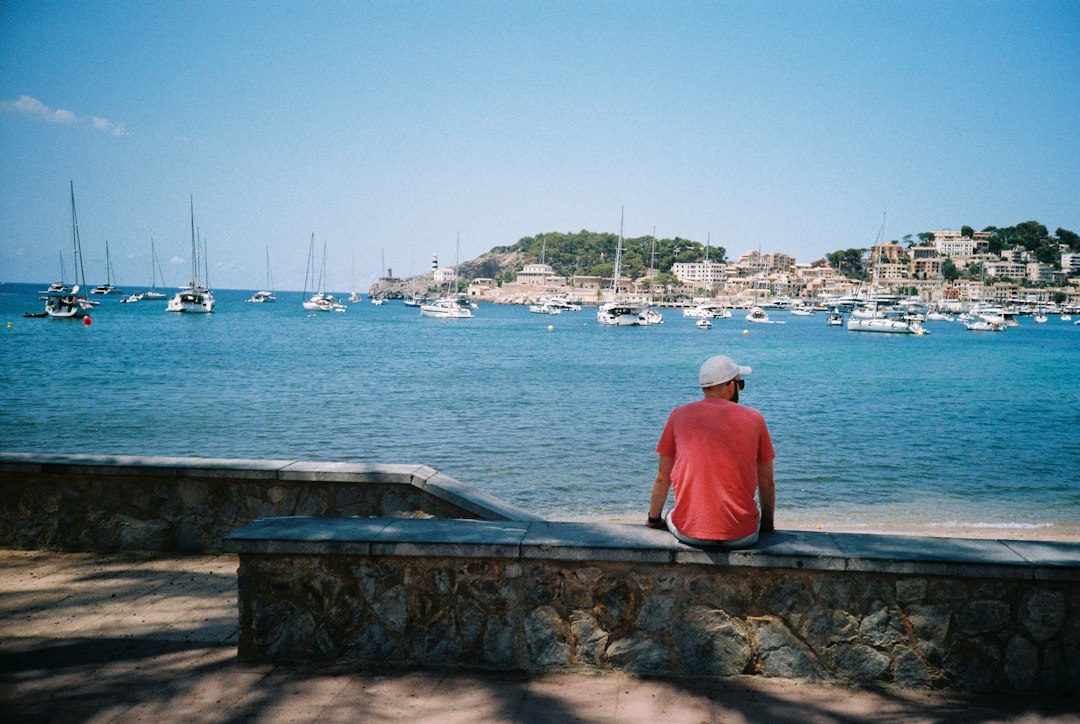
However, if your journey takes you inland, or to the charming towns nestled in the Serra de Tramuntana mountains, or even to the more secluded coves of the east and north, a very different Majorca will unfold before you. Here, the pace slows considerably. You’ll discover ancient olive groves, terraced vineyards, and sleepy villages where the rhythm of life is still dictated by the sun and the seasons. The air is often scented with pine and wild herbs, and the only sounds you might hear are the distant bleating of sheep or the chimes of a church bell. This is the Majorca that has captivated artists and writers for centuries, a place of quiet beauty and enduring tradition. The island’s geography itself plays a significant role in fostering these contrasting experiences. The flat, accessible south and southwest coasts naturally lent themselves to large-scale development, while the rugged, mountainous northwest (a UNESCO World Heritage site) and the more irregular coastline elsewhere have largely preserved their natural character. You’ll notice immediately that Majorca is not a monolithic destination; it’s an island of distinct regions, each offering a unique flavor. Your choice of where to stay and what to do will, more than anything else, determine whether you experience paradise or perceive a trap.
The Allure of Palma: City Life and Cultural Richness
Your arrival point will most likely be Palma, the island’s vibrant capital, and it offers a compelling argument for Majorca’s paradisiacal qualities. Far from being just an airport hub, Palma is a sophisticated city that often surprises visitors expecting only beach resorts. Here, you’ll find a fascinating blend of history, culture, and contemporary Mediterranean living. The crowning jewel, undoubtedly, is the magnificent La Seu Cathedral, a Gothic masterpiece that dominates the skyline overlooking the Parc de la Mar. Its sheer scale and intricate details are breathtaking, especially when bathed in the morning or evening light. Inside, the sheer stained-glass windows, including the largest rose window in the world, cast kaleidoscopic patterns across the ancient stone. You could spend hours simply admiring its architecture and its remarkable connection to Antoni Gaudí, who contributed to its interior renovation.
Beyond the cathedral, the historic old town of Palma is a labyrinth of narrow, cobbled streets, hidden courtyards, and elegant plazas. As you wander, you’ll discover boutique shops selling local crafts, art galleries showcasing both established and emerging talent, and charming tapas bars where you can savor authentic Majorcan flavors. The architecture is a beautiful mix of Gothic, Baroque, and Modernist styles, reflecting centuries of diverse influences. You’ll feel a palpable sense of history as you pass ancient palatial homes and former convents. The Passeig del Born, a tree-lined boulevard, serves as Palma’s main artery, bustling with shoppers, street performers, and people simply enjoying a coffee at one of its many outdoor cafes. It’s a place to see and be seen, offering a glimpse into the stylish urban life of the islanders.
The Urban Beach Experience: City Paradise or Crowded Sands?
Even within Palma, the dichotomy of Majorca presents itself. While the city itself is a cultural treasure, it also boasts a significant urban beach – the Platja de Palma – stretching for several kilometers along the bay. This beach is incredibly popular, especially during the peak summer months. You’ll find it well-equipped with sun loungers, umbrellas, watersports facilities, and numerous chiringuitos (beach bars) serving refreshments. For many, it’s the perfect combination: the convenience of a city break with the option of immediate beach access. You can spend your morning exploring the cathedral and your afternoon sunbathing, all without having to travel far.
However, the popularity of Platja de Palma also means it can become exceptionally crowded. If your idea of paradise is a secluded stretch of sand where you can escape the crowds, this might feel more like a tourist trap. The sheer volume of people, combined with the often-dense rows of sunbeds, can detract from the natural beauty of the coastline. You might find yourself jostling for space, and the general atmosphere can be more lively and less serene than you might desire. The immediate surroundings of the beach also feature a range of hotels, restaurants, and shops catering to a mass market, which can contribute to a sense of generic tourism rather than an authentic Majorcan experience. It’s a question of priorities: if convenience and a bustling atmosphere are what you seek, Platja de Palma delivers. If tranquility is paramount, you’ll need to venture further afield.
If you’re considering a trip to Majorca, you might find it helpful to explore the nuances of popular tourist destinations and their appeal. A related article that delves into the complexities of travel experiences is titled “Turkey: A Culinary Journey Through History,” which can be found at this link. It offers insights into how certain locations can be both enchanting and overwhelming, much like Majorca, where the beauty of the island can sometimes be overshadowed by the influx of tourists.
Beyond the Beaches: The Natural Splendor of the Tramuntana
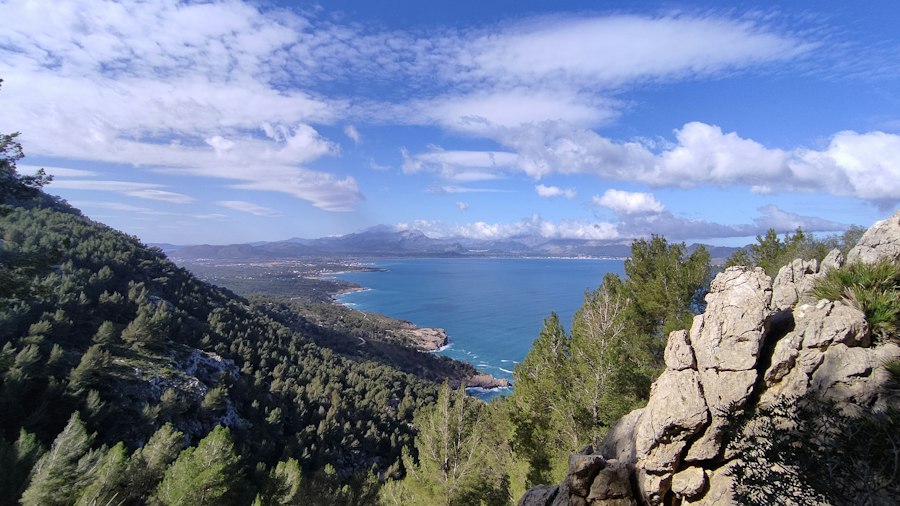
If the coastal resorts hint at a tourist trap, the Serra de Tramuntana mountains scream island paradise. This magnificent mountain range, a UNESCO World Heritage site, stretches along the northwest coast of Majorca, offering a dramatic contrast to the flat plains and sandy beaches elsewhere. As you drive or hike through its winding roads, you’ll be mesmerized by the sheer scale of the landscape: ancient terraced fields clinging to steep slopes, olive groves that have stood for centuries, and pine forests cascading down to the shimmering Mediterranean Sea. The air here is cleaner, fresher, often carrying the scent of pine and rosemary. The light has a different quality, softer and more ethereal, especially at dawn and dusk.
This is a region for exploration, for reconnecting with nature, and for experiencing a different side of Majorca. You’ll find a network of well-marked hiking and cycling trails, ranging from gentle strolls through picturesque valleys to challenging climbs that reward you with panoramic views stretching across the island and out to sea. The famous Dry Stone Route (GR221) traverses the entire range, allowing you to walk from village to village, discovering hidden gems along the way. Imagine stopping at a tiny, family-run restaurant in a mountain village, savoring traditional Majorcan cuisine while looking out over an impossibly beautiful vista. This is the essence of the Tramuntana experience.
Enchanting Villages and Artistic Havens
Within the embrace of the Tramuntana lie some of Majorca’s most charming and iconic villages, each with its own unique character.
Deià: Bohemian Charm and Artistic Legacy
You’ve likely heard of Deià, even if you don’t immediately recognize the name. This idyllic village, nestled in a valley overlooking the sea, has long been a magnet for artists, writers, and musicians. Its stone houses with green shutters, narrow winding streets, and bougainvillea-draped walls exude an undeniable bohemian charm. The famous poet Robert Graves made his home here, and his legacy, along with that of many other creative souls, is palpable in the village’s relaxed yet cultured atmosphere. You can visit his former home, now a museum, or simply wander through the streets, perhaps stopping at one of the upscale boutiques or art galleries. The views from the churchyard, looking down over the valley to the Mediterranean, are simply breathtaking. While Deià is undoubtedly popular and can get busy, especially in summer, it retains an authentic, almost timeless quality that sets it apart. The underlying spirit of quiet contemplation and artistic inspiration ensures it remains a paradise for those seeking beauty and tranquility.
Valldemossa: History, Chopin, and Carthusian Serenity
Just a short drive from Deià, Valldemossa offers a different, yet equally captivating, experience. This village is perhaps best known for its Royal Carthusian Monastery, where Frédéric Chopin and George Sand famously spent a winter in 1838-1839. As you explore the monastery, you can step into their former cells, see Chopin’s piano, and imagine the challenges and inspirations of their time there. The monastery itself is a beautiful complex of cloisters, gardens, and a church, offering a fascinating glimpse into monastic life. Valldemossa’s stone houses are adorned with potted plants, and its streets are impeccably maintained. You’ll find charming cafes and bakeries selling “coca de patata,” a traditional potato cake that’s a local specialty. The air here feels particularly peaceful, a testament to the village’s long history and the enduring influence of the monastery. It’s a place where history feels alive, and the beauty of the surroundings invites contemplation.
Sóller and Port de Sóller: Mountain Valley and Coastal Charm
Venturing deeper into the Tramuntana, you’ll discover Sóller, a vibrant town nestled in a fertile valley renowned for its citrus groves. The journey to Sóller is an experience in itself, particularly if you take the vintage wooden train from Palma – a delightful ride that winds through tunnels and orange groves, offering spectacular views. Sóller itself is a bustling market town with a beautiful main square, Plaça Constitució, dominated by the imposing Sant Bartomeu church. You can spend hours here, soaking up the atmosphere, browsing the local market, and enjoying a freshly squeezed orange juice.
A charming old tram connects Sóller to its coastal counterpart, Port de Sóller, making the journey part of the adventure. Port de Sóller is a picturesque horseshoe-shaped bay, lined with cafes and restaurants, and backed by the dramatic mountains. While it’s certainly a tourist hub, especially in summer, it retains a distinct charm, thanks to its stunning natural setting and the relaxed pace of life. You can enjoy boat trips along the coast, kayaking in the sheltered waters, or simply relax on the small beaches. The port offers a perfect blend of mountain beauty and coastal accessibility, making it an ideal base for exploring the Tramuntana. While these villages and towns attract visitors, their inherent character, stunning natural surroundings, and cultural depth firmly place them in the ‘paradise’ camp for many, offering an authentic Majorcan experience far removed from the mass-market resorts.
The Coastal Kaleidoscope: From Seclusion to Spectacle
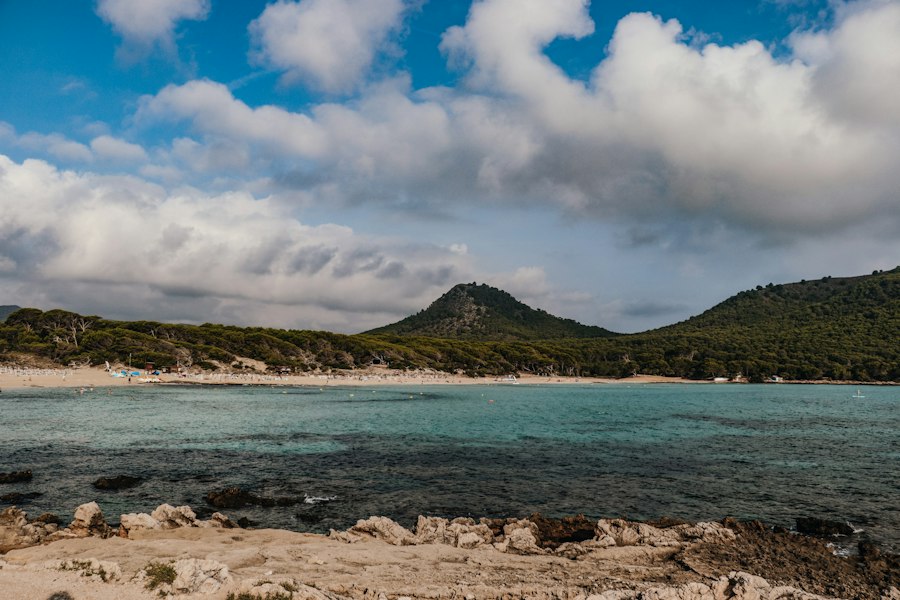
Majorca’s coastline is remarkably diverse, stretching for over 550 kilometers and offering everything from expansive sandy beaches to dramatic cliffs and hidden coves. Your perception of Majorca as paradise or trap will heavily depend on which part of this kaleidoscope you choose to explore.
The Buzz of the Major Resorts: Tourist Trap or Convenience Hub?
We’ve touched upon them already, but it’s worth revisiting the major resort areas like Magaluf, Palma Nova, and El Arenal. For many, these represent the quintessential “tourist trap” image – rows of high-rise hotels, lively (and sometimes boisterous) nightlife, British pubs, Irish bars, and menus catering explicitly to an international palate. The beaches, while beautiful, can become incredibly crowded during peak season, with sunbeds packed shoulder-to-shoulder. The focus here is on affordability, convenience, and a high-energy holiday experience. You’ll find an abundance of water parks, organized excursions, and entertainment options designed to keep you busy from morning till night.
If your ideal holiday involves lively evenings, readily available entertainment, and the camaraderie of fellow holidaymakers, then these resorts might feel like paradise. Everything is designed to be easy and accessible, allowing you to switch off and simply enjoy. You don’t need to speak Spanish, worry about local customs, or venture far from your hotel to find food or fun. However, if you crave authenticity, quiet reflection, or a genuine immersion in Majorcan culture, you’ll likely find these areas overwhelming and lacking in character. The generic international atmosphere can indeed feel like a trap, detaching you from the very essence of the island you’ve come to visit. It’s a matter of managing your expectations and understanding what these specific areas offer. They are purpose-built for a certain type of holidaymaker, and they deliver on that promise.
Discovering Secluded Coves and Untouched Beauty
Move away from the major resorts, and Majorca reveals its true coastal magic. The island is dotted with hundreds of “calas” (coves), many of which remain relatively untouched and offer breathtaking natural beauty. Imagine discovering a small, sandy inlet, accessible only by a winding track or a short hike, where the water is so clear you can see every pebble on the seabed. These are the places that truly embody the “island paradise” ideal.
Cala Llombards and Cala S’Almunia: Southern Gems
In the southeast, you’ll find exquisite coves like Cala Llombards, a deep inlet with turquoise waters and traditional fishing boat houses (casas de pescadores) carved into the cliffs. It’s popular with locals and those seeking a more tranquil beach experience than the larger resorts. Further along the coast lies Cala S’Almunia, a truly picturesque cove accessed via a scenic walk, offering incredible snorkeling opportunities and a sense of genuine discovery. These aren’t beaches with rows of sunbeds and booming music; they are places to relax, swim, and appreciate the raw beauty of the Mediterranean.
The Rugged North: Cala Tuent and Sa Calobra
The north coast, particularly within the Tramuntana mountains, offers some of the most dramatic coastal scenery. Cala Tuent, a pristine shingle beach backed by pine forests and mountains, is a true hidden gem. It’s relatively undeveloped and offers a sense of seclusion that is hard to find elsewhere. Nearby is the famous Sa Calobra, a spectacular cove at the mouth of the Torrent de Pareis gorge. Reaching it is an adventure in itself, via a famously winding road with hairpin bends known as the “tie knot” (Nus de sa Corbata), or by boat from Port de Sóller. While popular, especially in summer, the sheer grandeur of the natural landscape here is undeniable, making it an unforgettable experience despite the crowds. The narrow gorge itself, leading to a hidden beach, is a geological marvel.
Exploring these quieter coves requires a little more effort – often involving a car and some walking – but the reward is immense. You’ll find yourself in places where the dominant sounds are the gentle lapping of waves and the cry of seagulls, where the scent of salt and pine fills the air, and where the beauty feels utterly unspoiled. This is where Majorca truly feels like a slice of paradise.
Culinary Journey: From Global Fare to Authentic Flavors
Your gastronomic experience on Majorca can swing wildly between “tourist trap” and “culinary paradise,” depending entirely on where and what you choose to eat. In the major resort areas, you’ll find a proliferation of restaurants catering to an international palate. This often means menus featuring familiar dishes like pizza, pasta, burgers, fish and chips, and full English breakfasts. While convenient and often affordable, these establishments rarely offer a genuine taste of Majorca. The ingredients might be generic, and the cooking methods adapted to a broad, often unadventurous, tourist base. You might feel like you could be eating in any resort town anywhere in the world, which can certainly contribute to the “tourist trap” feeling. You might pay a premium for a mediocre meal simply because of its prime location overlooking a bustling promenade.
However, step away from these areas, or even just a few streets back in some towns, and a rich and diverse Majorcan culinary scene awaits. The island’s cuisine is deeply rooted in its agricultural heritage and its bounty from the sea. You’ll discover fresh, seasonal ingredients and traditional dishes that reflect centuries of history and cultural influences.
Savoring Authentic Majorcan Delicacies
Sobrassada and Ensaimada: Iconic Majorcan Treats
No culinary journey through Majorca is complete without tasting sobrassada, a cured sausage made from indigenous Majorcan black pork, seasoned with paprika. It has a distinctive soft, spreadable texture and a rich, smoky flavor. You’ll find it served in various ways – on toast, grilled, or as an ingredient in other dishes. It’s a true taste of the island and a testament to its strong culinary traditions.
For something sweet, you must try ensaimada, Majorca’s most famous pastry. This spiral-shaped, slightly sweet bread is light, airy, and typically dusted with powdered sugar. It comes in various sizes, from individual portions to large ones meant for sharing, and can be plain or filled with cream, chocolate, or pumpkin. It’s a staple for breakfast, a coffee break, or even as a souvenir to take home. The taste of a freshly baked ensaimada is pure Majorcan bliss.
Fresh Seafood and Local Produce
Given its island location, Majorca boasts an abundance of fresh seafood. In fishing villages and towns like Port de Sóller, Cala Figuera, or Colonia de Sant Jordi, you can find excellent restaurants serving the day’s catch. Look for llampuga (dorado), raó (razorfish), or gambas de Sóller (Sóller prawns), which are highly prized. Many traditional dishes feature fish and seafood, often simply grilled or prepared in stews like arroz brut (dirty rice), a hearty rice dish typically made with meat, vegetables, and sometimes seafood.
Majorca’s fertile plains and valleys yield a bounty of fresh produce. You’ll find delicious tomatoes, almonds (often used in desserts and sauces), olives (and excellent olive oil), and a variety of seasonal vegetables. Many restaurants, particularly those outside the main tourist hubs, pride themselves on using locally sourced, fresh ingredients. Seek out restaurants that display “cuina mallorquina” (Majorcan cuisine) or “productes de la terra” (local produce) for an authentic experience.
Wine Tasting and Bodegas
Majorca also has a burgeoning wine industry, with several excellent bodegas (wineries) producing high-quality wines, often from indigenous grape varieties like Manto Negro and Callet. Many bodegas offer tours and tastings, allowing you to learn about the winemaking process and sample their produce. This provides a delightful opportunity to connect with the island’s agricultural heritage and discover another facet of its culinary identity. Visiting a bodega, surrounded by vineyards bathed in Majorcan sunshine, feels distinctly like a paradise experience, far removed from any hint of a trap. Choosing to venture into these culinary experiences means actively seeking out the authentic Majorca, moving beyond the predictable and embracing the local flavors that truly define the island.
Majorca, often celebrated as an island paradise, has also faced criticism for becoming a tourist trap in recent years. Visitors flock to its stunning beaches and vibrant nightlife, but some argue that the influx of tourists has led to overcrowding and a decline in the local culture. For a deeper exploration of this topic, you can read more in the article about overcoming the challenges of tourism in beautiful destinations like Majorca. Check it out here.
Balancing Act: Striking the Right Chord for Your Ideal Holiday
Ultimately, whether Majorca appears as an island paradise or a tourist trap depends entirely on your personal expectations, your choices, and how you approach your visit. The island is large and diverse enough to cater to an incredibly wide range of preferences. It is a place of stark contrasts, where mass tourism coexists, sometimes uneasily, with profound natural beauty and deep-rooted traditions.
If your primary goal is a budget-friendly, lively holiday centered around sun, sand, and nightlife, then the major resorts of the south and southwest will deliver precisely that. For you, the convenience, the readily available entertainment, and the vibrant atmosphere might well constitute paradise. You know what you’re getting, and it fulfills that specific holiday brief. To label these areas a “trap” would be unfair to the many who genuinely enjoy and seek out that kind of experience. They are purpose-built and fulfill their function efficiently.
However, if your vision of paradise involves serene landscapes, cultural immersion, authentic culinary experiences, and a sense of tranquility, then you must actively seek out the Majorca beyond the brochures of the biggest tour operators. You’ll need to venture into the Tramuntana mountains, explore the charming villages, seek out the quieter coves, and dine in local restaurants serving traditional Majorcan fare. This Majorca exists, in abundance, and it is truly breathtaking. It’s a Majorca that rewards exploration, patience, and a willingness to step off the beaten path.
The Impact of Tourism: A Double-Edged Sword
It’s impossible to discuss Majorca without acknowledging the profound impact of tourism, which is the island’s primary economic driver. While it brings prosperity and jobs, it also brings challenges. Over-tourism in certain areas strains resources, contributes to environmental concerns, and can dilute the authenticity of local culture. You might witness this in crowded hotspots, increased traffic, or the proliferation of businesses that cater exclusively to foreign tastes. The sheer volume of visitors during peak season undeniably puts pressure on the infrastructure and natural environment. This can, for some, create the perception of a “trap” – a beautiful place loved to the point of being overwhelmed.
However, the island’s government and local communities are increasingly aware of these challenges. Efforts are being made towards sustainable tourism, promoting less-visited areas, encouraging off-season travel, and preserving natural and cultural heritage. You might notice initiatives to protect natural parks, promote responsible hiking, or support local artisans. This ongoing balancing act is crucial for Majorca’s future.
Crafting Your Majorcan Paradise
To truly experience Majorca as a paradise, you must be intentional about your choices. Do your research. Don’t simply default to the cheapest package holiday or the most advertised resort. Consider staying in a finca (traditional country house) in the interior, an agrotourism hotel, or a charming boutique hotel in a mountain village. Rent a car to explore independently. Seek out local markets, festivals, and lesser-known beaches. Engage with the local culture, try to learn a few basic Spanish or Catalan phrases, and be open to new experiences.
Majorca is not a simple, one-dimensional destination. It is a complex tapestry woven from ancient history, stunning landscapes, vibrant culture, and the undeniable forces of modern tourism. For some, it will always be the loud, bustling resort island, a convenient escape for sun and fun. For others, it is a place of profound beauty, peace, and rich tradition. Ultimately, Majorca offers you the choice: to fall into the well-trodden paths of mass tourism, or to carve out your own unique path to discovery, finding your own personal paradise amidst its many treasures. The island is waiting, ready to reveal itself to you, in all its contradictory and captivating glory.