Anti-inflammatory foods for a healthier you
Inflammation is a natural protective response that helps your body heal from injury and fight infection. However, chronic inflammation can contribute to serious health conditions such as heart disease, diabetes, and autoimmune disorders. Your lifestyle choices—particularly diet and stress management—directly affect inflammatory processes in your body.
Acute inflammation serves a beneficial purpose, while chronic inflammation can damage your health. Chronic inflammation often develops without noticeable symptoms until it causes significant health problems. Common signs include fatigue, joint pain, and digestive issues, which may not be immediately connected to inflammation.
Poor diet, physical inactivity, and chronic stress can worsen this condition. Recognizing these warning signs and understanding how inflammation affects your health allows you to take preventive measures and make lifestyle improvements to reduce inflammatory responses.
Key Takeaways
- Chronic inflammation negatively affects overall health and can lead to various diseases.
- Consuming anti-inflammatory foods like fruits, vegetables, and omega-3 fatty acids helps reduce inflammation.
- Herbs, spices, and healthy fats play a crucial role in managing inflammation naturally.
- Probiotics and fermented foods support gut health, which is key to controlling inflammation.
- Balanced meals incorporating these anti-inflammatory components promote long-term wellness and vitality.
The Role of Anti-Inflammatory Foods in Promoting Wellness
Incorporating anti-inflammatory foods into your diet can be a powerful strategy for enhancing your overall wellness. These foods are rich in antioxidants, vitamins, and minerals that help combat oxidative stress and reduce inflammation in the body. By choosing a diet abundant in these nutrient-dense options, you can support your immune system and improve your body’s ability to heal itself.
This approach not only helps in managing existing health conditions but also serves as a preventive measure against future ailments. You may find that anti-inflammatory foods are not only beneficial for your health but also delicious and satisfying. Foods such as berries, leafy greens, nuts, and fatty fish are not only packed with nutrients but also versatile enough to be included in various meals.
By making conscious choices to include these foods in your daily diet, you can create a sustainable eating pattern that promotes long-term health benefits while enjoying flavorful dishes.
Incorporating Fruits and Vegetables with Anti-Inflammatory Properties into Your Diet

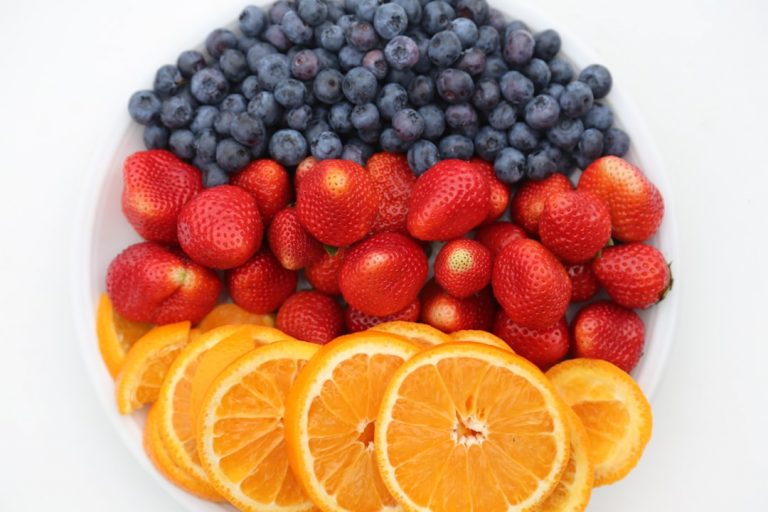
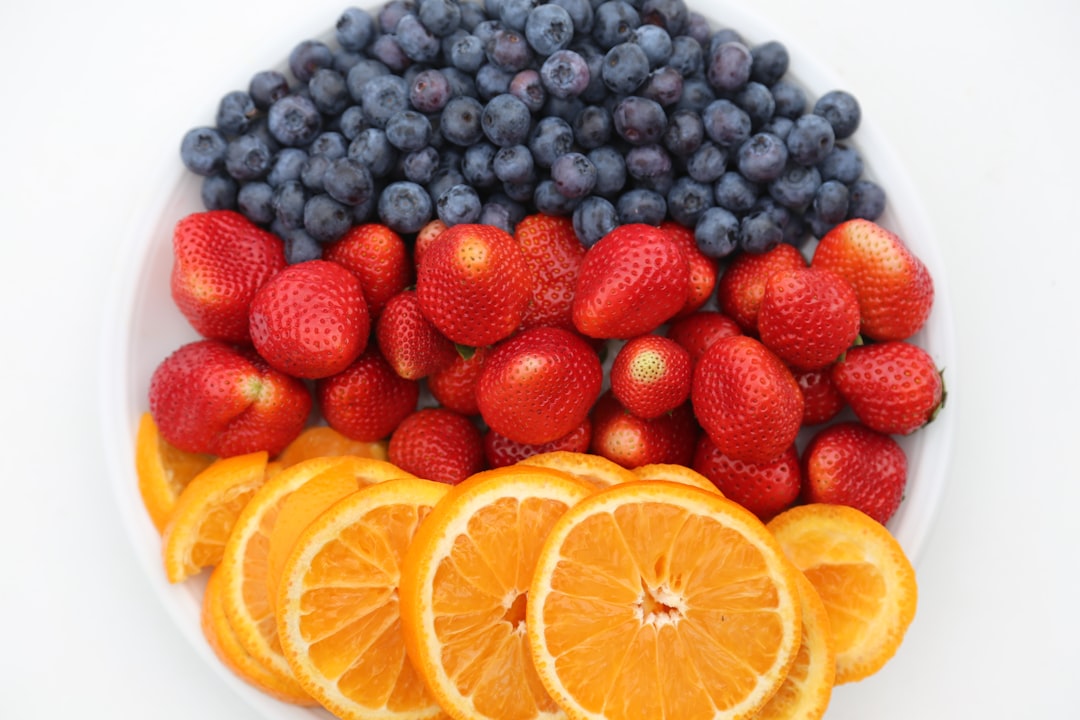
Fruits and vegetables are at the forefront of any anti-inflammatory diet due to their high content of vitamins, minerals, and phytonutrients. You might consider adding a variety of colorful produce to your meals, as different colors often indicate different beneficial compounds. For instance, berries are rich in antioxidants like anthocyanins, which have been shown to reduce inflammation.
Leafy greens such as spinach and kale are also excellent choices, packed with vitamins A, C, and K that support immune function. To make it easier for you to incorporate these nutrient-rich foods into your diet, consider meal prepping or creating smoothies that blend various fruits and vegetables together. This not only saves time but also ensures that you’re getting a wide range of nutrients in one go.
You could also experiment with different cooking methods—steaming, roasting, or sautéing—to enhance the flavors and textures of your vegetables while retaining their nutritional value.
The Benefits of Omega-3 Fatty Acids in Fighting Inflammation
Omega-3 fatty acids are essential fats that play a crucial role in reducing inflammation throughout the body. You may have heard about the benefits of omega-3s found in fatty fish like salmon, mackerel, and sardines. These healthy fats help to balance the inflammatory response by producing anti-inflammatory compounds known as resolvins and protectins.
Including omega-3-rich foods in your diet can significantly lower the risk of chronic diseases associated with inflammation. If you’re not a fan of fish or prefer plant-based options, you can still reap the benefits of omega-3s through sources like flaxseeds, chia seeds, and walnuts. These plant-based alternatives provide alpha-linolenic acid (ALA), which your body can convert into the more potent forms of omega-3s.
By diversifying your sources of omega-3 fatty acids, you can ensure that you’re supporting your body’s anti-inflammatory processes while enjoying a variety of flavors and textures.
Herbs and Spices That Can Aid in Reducing Inflammation
Herbs and spices are not only used to enhance the flavor of your meals but also offer remarkable anti-inflammatory properties that can contribute to better health. Turmeric, for example, contains curcumin, a compound known for its potent anti-inflammatory effects. You might consider adding turmeric to soups, stews, or even smoothies for an extra health boost.
Similarly, ginger is another powerful anti-inflammatory spice that can be easily incorporated into your diet through teas or as a seasoning in various dishes. In addition to turmeric and ginger, other herbs like garlic and cinnamon also possess anti-inflammatory properties. Garlic is known for its immune-boosting effects and can be used in countless recipes to add depth of flavor.
Cinnamon not only enhances sweetness without added sugar but also helps regulate blood sugar levels and reduce inflammation. By experimenting with these herbs and spices in your cooking, you can create flavorful meals that support your health goals.
The Importance of Including Healthy Fats in Your Diet for Anti-Inflammatory Effects

Healthy fats are essential for maintaining overall health and play a significant role in reducing inflammation within the body. You may already be familiar with sources like avocados, olive oil, and nuts that provide monounsaturated fats known for their heart-healthy benefits. These fats help to lower bad cholesterol levels while promoting good cholesterol levels, ultimately contributing to reduced inflammation.
Incorporating healthy fats into your meals doesn’t have to be complicated. You might drizzle olive oil over salads or use it as a base for homemade dressings. Avocados can be added to smoothies or spread on whole-grain toast for a nutritious breakfast option.
Nuts and seeds make excellent snacks or toppings for yogurt and oatmeal. By making these small adjustments to your diet, you can enjoy the benefits of healthy fats while enhancing the flavor and satisfaction of your meals.
How Probiotics and Fermented Foods Can Contribute to a Healthy Gut and Reduce Inflammation
The gut plays a pivotal role in regulating inflammation within the body, making probiotics and fermented foods essential components of an anti-inflammatory diet. Probiotics are beneficial bacteria that help maintain a healthy gut microbiome, which is crucial for digestion and immune function. You might consider incorporating foods like yogurt, kefir, sauerkraut, or kimchi into your meals to boost your intake of these beneficial microorganisms.
Fermented foods not only provide probiotics but also contain bioactive compounds that can further reduce inflammation. For instance, kimchi is rich in vitamins A and C while also being low in calories—making it an excellent addition to any meal. By regularly consuming these foods, you can support gut health and potentially reduce systemic inflammation throughout your body.
Creating Balanced Meals with Anti-Inflammatory Foods for Overall Health and Wellbeing
Creating balanced meals that incorporate anti-inflammatory foods is key to promoting overall health and wellbeing. You might start by building your plate around a source of lean protein—such as grilled chicken or legumes—paired with a variety of colorful vegetables and whole grains like quinoa or brown rice. This combination not only provides essential nutrients but also ensures that you’re getting a wide range of antioxidants that combat inflammation.
Don’t forget to include healthy fats in your meals as well; a drizzle of olive oil or a handful of nuts can elevate both the flavor and nutritional profile of your dishes. Additionally, consider experimenting with herbs and spices to enhance taste while reaping their anti-inflammatory benefits. By consciously planning your meals with these elements in mind, you can create satisfying dishes that nourish your body while helping to reduce inflammation over time.
In conclusion, understanding inflammation’s impact on health is crucial for making informed dietary choices that promote wellness. By incorporating anti-inflammatory foods into your daily routine—ranging from fruits and vegetables to healthy fats—you can take significant steps toward reducing chronic inflammation and enhancing your overall quality of life. Embrace this journey toward better health by exploring new recipes and flavors that align with your goals for wellbeing.
In addition to exploring anti-inflammatory foods for a healthier lifestyle, you might find it interesting to read about the culinary delights of Morocco, which often feature a variety of spices known for their anti-inflammatory properties. Check out this article on Moroccan cuisine for a deeper understanding of how these flavors can contribute to your health: Bienvenue au Maroc.