
Fear of heights
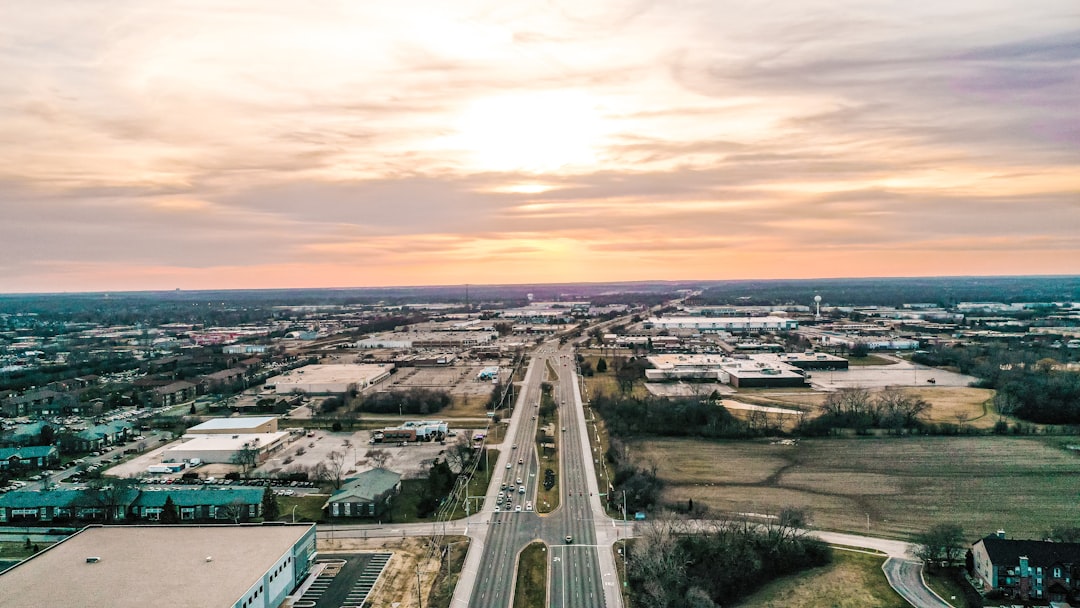
You stand at the edge, a panoramic vista stretching before you, the world unfolding beneath your feet. For many, this is a moment of breathtaking beauty, a chance to feel small yet connected to something vast. But for you, it’s a cold sweat, a racing heart, a primal urge to retreat, to cower, to escape. This isn’t just a healthy caution; it’s a deep-seated, often debilitating fear: acrophobia. You’re not alone in this; millions experience varying degrees of discomfort, anxiety, and even panic when confronted with heights. This isn’t a weakness; it’s a complex psychological response that can profoundly impact your life, dictating where you live, what you do, and even who you are.
What Exactly is Acrophobia?
You might think you’re just “a bit scared of heights,” but acrophobia goes far beyond that. It’s an intense, irrational fear, a phobia specifically triggered by elevated places. You find yourself experiencing overwhelming anxiety, even panic, at the mere thought of being high up, let alone actually being there. It’s not about the danger itself; it’s about the feeling of being out of control, of being vulnerable to a fall, of the sheer drop below.
Not Just Discomfort, But True Panic
When you encounter a height, your body’s fight-or-flight response kicks into overdrive. You might feel your heart pound in your chest, your palms become clammy, and your breathing grows shallow and rapid. This isn’t a gentle unease; it’s a full-blown physiological alarm. You might experience dizziness, nausea, and trembling. Your legs might feel weak, and you could have a strong urge to lie down or cling to something stable. This isn’t just your mind playing tricks; it’s your sympathetic nervous system reacting as if you’re in immediate mortal peril, even when you know, rationally, that you’re perfectly safe.
Distinguishing Acrophobia from Healthy Caution
It’s crucial to understand that a normal level of caution around heights is entirely rational and, indeed, evolutionary. You wouldn’t want to stand too close to an unguarded cliff edge or jump from a tall building. This is a healthy respect for gravity. Acrophobia, however, transcends this rational caution. It’s when you can’t even stand on a sturdy balcony, look down from a second-story window, or even climb a short ladder without intense distress. Your fear isn’t proportional to the actual danger, making it a true phobia.
The Roots of Your Fear: Why Do You Feel This Way?
You might wonder why you, specifically, experience this debilitating fear. The origins of acrophobia are multifaceted and often unique to each individual. It’s rarely a single, identifiable event but rather a complex interplay of various factors that shape your psychological landscape. Understanding these potential roots is often the first step towards managing your fear.
Traumatic Experiences and Conditioning
Perhaps you vividly remember falling as a child, even from a relatively low height. Or you witnessed someone else fall, or heard a terrifying story that imprinted itself on your psyche. These direct experiences, known as classical conditioning, can create a strong, lasting association between heights and danger. Your brain, in its attempt to protect you, learns to trigger panic whenever you’re in a similar situation. You’re not consciously choosing to be afraid; your body has been conditioned to react.
Learned Behavior and Observational Learning
Think about your childhood. Did you have a parent or caregiver who was also nervous around heights? You might have unconsciously picked up their anxiety. Children are highly attuned to their environment and often internalize the fears and anxieties of those around them. If you saw a trusted adult display fear or caution around heights, you might have learned that heights are something to be feared, even if you never had a direct negative experience yourself. This observational learning can be just as powerful as direct trauma.
Evolutionary Preparedness
Some theories suggest that a predisposition to fear heights is an evolutionary survival mechanism. Our ancestors who avoided dangerous falls were more likely to survive and reproduce. While this doesn’t explain the irrational intensity of acrophobia, it suggests a baseline, innate wariness that, when coupled with other factors, can escalate into a full-blown phobia. You’re pre-programmed, to some extent, to be cautious of falling, but in acrophobia, this caution goes into overdrive.
Genetic Predisposition and Temperament
Are you generally an anxious person? Do you have family members who suffer from anxiety disorders or other phobias? Research suggests that you might have a genetic predisposition to anxiety, which could make you more susceptible to developing specific phobias, including acrophobia. Your individual temperament—whether you’re naturally more cautious or prone to worrying—can also play a significant role in how you perceive and react to potential threats like heights.
The Impact on Your Daily Life: How Acrophobia Limits You
You might not realize the subtle and not-so-subtle ways acrophobia shapes your life until you start to examine it. It’s more than just avoiding roller coasters; it can dictate your career choices, your social life, and even your sense of freedom. Living with acrophobia often means making countless accommodations and sacrifices, sometimes without even consciously recognizing them.
Restricting Travel and Activities
Imagine a friend invites you on an adventure. “Let’s go hiking in the mountains!” they exclaim. Your immediate thought isn’t about the breathtaking views, but about the narrow paths, the sheer drops, the possibility of a cable car ride. You might politely decline, making up an excuse, simply because the thought of those heights fills you with dread. Your world shrinks as you systematically avoid situations that trigger your fear: no glass-bottomed bridges, no rooftop bars, no scenic overlooks. You might miss out on incredible experiences and connections, all due to your acrophobia.
Limiting Career and Housing Options
Consider career choices. If you dream of being an architect, engineer, or even a window cleaner for skyscrapers, acrophobia would pose a significant barrier. You might find yourself unconsciously steering away from jobs that require working at heights or even just being in high-rise buildings. Similarly, finding a place to live can become a challenge. You might instinctively avoid apartments on higher floors, even if they offer better views or are more affordable. Your dream home might be geographically limited, confined to ground-level dwellings, simply because of your fear.
Social Aversion and Isolation
Phobias can be incredibly isolating. You might feel embarrassed or ashamed of your fear, leading you to hide it from friends and family. This can result in you avoiding social gatherings that involve heights, like going to a sporting event in a stadium with steep steps, visiting a friend’s high-rise apartment, or even attending weddings held on rooftops. You might invent excuses, but the underlying truth is you’re avoiding situations that cause you intense anxiety, slowly creating a rift between yourself and social opportunities.
General Anxiety and Stress
Living with a phobia means living with a constant undercurrent of anxiety. Even when you’re not directly confronted with heights, the anticipation of potentially encountering them can cause significant stress. You might constantly scan your environment for potential triggers, or find yourself planning your day to meticulously avoid them. This hyper-vigilance can be exhausting, leading to chronic stress, poor sleep, and a general feeling of unease that permeates your entire life.
Taking Back Control: Strategies for Managing Your Fear
The good news is that acrophobia is highly treatable. You don’t have to live a life constantly dictated by your fear. There are proven strategies and therapies that can help you confront and conquer this phobia, allowing you to reclaim your freedom and experience life without the constant shadow of anxiety.
Cognitive Behavioral Therapy (CBT)
This is one of the most effective treatments for phobias, and it’s likely what a therapist would recommend first. CBT focuses on identifying and challenging the negative thought patterns that fuel your fear. You’ll learn to recognize irrational thoughts – such as “I’m definitely going to fall” when you’re standing on a secure balcony – and replace them with more realistic and helpful ones. This therapy helps you understand the connection between your thoughts, feelings, and behaviors, empowering you to gradually reframe your perception of heights.
Exposure Therapy
Often a core component of CBT, exposure therapy is exactly what it sounds like: gradually exposing you to the source of your fear in a controlled and safe environment. You won’t be thrown off a cliff on day one! The process is systematic and builds slowly.
Systematic Desensitization
This involves creating a “fear hierarchy,” a list of height-related situations, from least fear-inducing (e.g., looking at a picture of a tall building) to most fear-inducing (e.g., standing at the edge of a tall cliff). Your therapist will guide you through these situations, starting with the least anxiety-provoking, while teaching you relaxation techniques. As you become comfortable with one step, you move to the next, slowly desensitizing your brain to the triggers. You might start by watching videos of heights, then moving to a low balcony, then a higher one, all at your own pace.
Virtual Reality (VR) Exposure Therapy
This innovative approach uses VR headsets to simulate height-related scenarios. You can experience being on top of a skyscraper, crossing a narrow bridge, or riding a glass elevator, all from the safety of a therapist’s office. This allows for repeated exposure in a completely controlled environment, often with greater accessibility and fewer logistical challenges than real-world exposure. Your brain processes the VR experience in a similar way to real-life, allowing you to practice coping mechanisms and gradually reduce your anxiety.
Relaxation Techniques
Before and during exposure, learning to manage your physical anxiety symptoms is crucial. Techniques like deep breathing, progressive muscle relaxation, and mindfulness can help you calm your nervous system. When you feel a panic attack starting, you can use these tools to regain control, slow your heart rate, and bring your breathing back to normal. Practicing these regularly will equip you with vital coping mechanisms whenever you encounter a height.
Medication (in conjunction with therapy)
While medication doesn’t “cure” acrophobia, it can be a helpful tool, particularly in the initial stages of therapy or for managing severe panic attacks. Your doctor might prescribe anti-anxiety medications (anxiolytics) or antidepressants (SSRIs) if your fear is significantly impacting your daily life. These medications can help reduce the intensity of your anxiety symptoms, making it easier for you to engage in therapy and practice exposure. However, they are typically most effective when used in combination with therapy, rather than as a standalone solution.
Beyond Therapy: Self-Help and Support for Your Journey
While professional help is invaluable, you also have a significant role to play in your journey to overcome acrophobia. Your commitment, self-awareness, and willingness to engage in self-help strategies can greatly accelerate your progress and provide ongoing support.
Education and Understanding
One of the most empowering things you can do is to learn everything you can about acrophobia. Understanding its mechanisms, its causes, and its symptoms can demystify your experience. Knowing that what you’re feeling is a common, recognized phobia, and not an indication that you’re “crazy,” can reduce feelings of shame and isolation. The more you understand your fear, the more control you can exert over it.
Building a Support System
Don’t go it alone. Share your experiences with trusted friends, family members, or a support group. Having people who understand and validate your feelings can be incredibly comforting. They can offer encouragement, celebrate your small victories, and provide a safe space for you to express your anxieties without judgment. Sometimes, just knowing that someone listens can make a world of difference.
Gradual Self-Exposure
Once you’ve learned coping mechanisms and your therapist has guided you through initial exposures, you can continue the process of self-exposure in your daily life. This involves consciously and safely seeking out height-related situations, always starting small and gradually increasing the challenge.
Practicing Step-by-Step
Start by looking at photos of tall buildings or landscapes from high up on your phone. Then, try watching a video of someone on a high balcony. Next, stand on a sturdy chair in your home. Slowly work your way up to a low-story window, a balcony on a lower floor, and then gradually higher. Always ensure you feel safe and in control. The key is small, manageable steps that build your confidence over time.
Celebrating Small Victories
Every step you take, no matter how small, is a victory. Whether it’s successfully looking down from a second-story window without panicking, or simply agreeing to walk past a tall building you used to avoid, acknowledge and celebrate your progress. Positive reinforcement is crucial for maintaining motivation and reinforcing the idea that you can overcome this fear.
Mind-Body Practices
Incorporating practices that promote overall well-being can significantly aid in managing anxiety associated with acrophobia.
Regular Exercise
Physical activity is a powerful stress reliever. When you exercise, your body releases endorphins, natural mood lifters. It also helps you burn off adrenaline that can build up during anxious periods. Regular walks, jogging, yoga, or any activity you enjoy can reduce your baseline anxiety levels, making it easier to confront your phobia.
Mindfulness and Meditation
These practices teach you to stay present and observe your thoughts and feelings without judgment. When you’re caught in a cycle of fear, mindfulness can help you step back, acknowledge your anxiety, and then gently redirect your attention. It’s about developing a greater awareness of your inner experience and cultivating a sense of calm amidst the storm of anxious thoughts.
You are not defined by your acrophobia. It’s a challenge, yes, but one that is completely surmountable. By understanding its nature, exploring its roots, and consistently applying effective strategies, you can gradually dismantle the power it holds over you. You can learn to stand tall, both literally and figuratively, and embrace all the incredible experiences life has to offer, no matter how high they are. The journey might be long, and there will be ups and downs, but with perseverance and self-compassion, you can ultimately conquer your fear of heights and reclaim your freedom.