How Solo Adventures Can Build Confidence, Independence and Self-Belief
Embracing the Unknown: The First Step to Solo Exploration
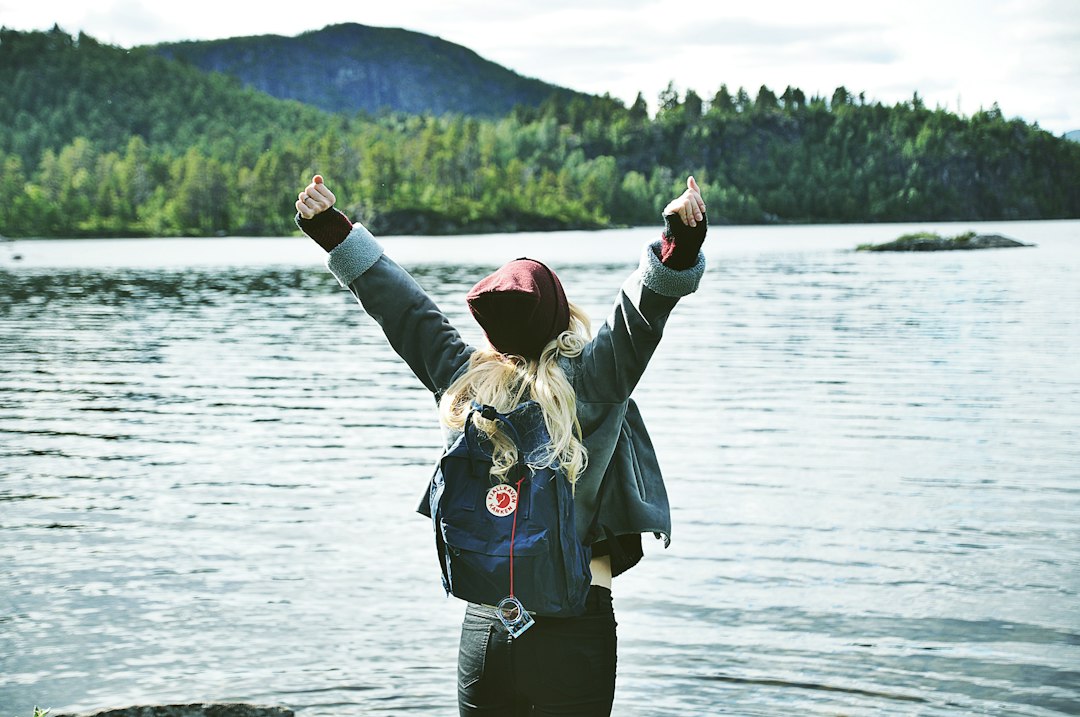
You stand at the precipice of a decision, a quiet whisper in your mind urging you to step outside your comfort zone. This isn’t about grand expeditions to remote corners of the earth, though it certainly can be. It’s about taking that initial, often intimidating, leap into doing something on your own, solely for yourself. Perhaps it’s a weekend trip to a nearby city you’ve always wanted to explore, a hike on a new trail, or even just dining alone at a restaurant you’ve admired from afar. The very act of conceiving and committing to a solo adventure, regardless of its scale, is the first crucial step in a transformative journey. It’s an acknowledgment of a desire for personal growth, a quiet rebellion against the reliance on others for your experiences.
The apprehension you feel is entirely natural. Society often conditions us to seek companionship, to share experiences, to avoid the perceived awkwardness of solitude. But these societal norms, while well-intentioned, can inadvertently stifle individual growth. When you venture out alone, you are forced to confront these ingrained ideas, to challenge the notion that your enjoyment or success is contingent upon another person’s presence. This initial confrontation is where the seeds of confidence are sown. You are taking ownership of your leisure, your curiosity, and ultimately, your happiness. It requires a level of courage that might surprise you, a quiet defiance that starts to chip away at self-doubt. You begin to realize that your own company is not only sufficient but can be deeply enriching.
Planning Your Solo Venture
Before you even pack your bag or book your ticket, the planning phase itself becomes a powerful exercise in independence. When you travel or embark on any adventure with others, decisions are often collaborative, a series of compromises and negotiations. But when it’s just you, every choice rests squarely on your shoulders. You decide the destination, the itinerary, the pace, the budget. This might sound daunting, but it’s incredibly liberating. You are no longer beholden to someone else’s preferences or limitations. Do you want to spend an entire afternoon browsing a quirky antique shop? Go for it. Do you feel like changing your plans last minute and heading in a completely different direction? You have the freedom to do so without explanation or apology.
This meticulous, or sometimes spontaneous, planning process sharpens your organizational skills and problem-solving abilities. You research destinations, accommodations, transportation, and activities. You learn to budget your resources effectively. You anticipate potential challenges and formulate contingency plans. Each successful decision, each problem avoided or overcome during the planning stage, reinforces your belief in your own capabilities. You are becoming your own project manager, your own travel agent, your own guide. This self-reliance in the planning phase is a direct precursor to the self-reliance you will cultivate during the actual adventure, building a foundational layer of confidence that you are competent and capable of handling whatever comes your way.
Overcoming Initial Hesitations
It’s one thing to dream of a solo adventure and another to actually set foot out the door. The moment of departure often brings a surge of last-minute doubts and anxieties. “Am I really doing this?” “What if something goes wrong?” “Will I feel lonely?” These are valid concerns, and acknowledging them is important. However, dwelling on them can prevent you from ever experiencing the profound benefits that lie ahead. The key is to recognize these thoughts as natural reactions to the unknown, rather than as definitive truths.
You can proactively address some of these hesitations. For instance, if safety is a concern, thoroughly research your destination, share your itinerary with a trusted friend or family member, and ensure you have emergency contacts readily available. If the thought of loneliness weighs heavily, consider incorporating activities that involve interaction, such as joining a walking tour, taking a cooking class, or staying in a hostel with common areas. The beauty of solo travel is that you can tailor the level of solitude or interaction to your own comfort. But perhaps the most powerful way to overcome these hesitations is to simply push through them. Take that first step. Open the door. Board the train. The initial discomfort quickly dissipates, replaced by a sense of accomplishment and the thrill of the unfolding adventure. Each time you face down a fear and proceed anyway, you are building an invaluable reservoir of courage and self-belief.
Exploring the great outdoors can significantly enhance personal growth, as highlighted in the article “How Solo Adventures Can Build Confidence, Independence and Self-Belief.” Engaging in solitary journeys not only fosters self-reliance but also cultivates a deeper understanding of one’s capabilities. For those interested in discovering more about outdoor experiences that promote personal development, you can check out related insights in this article on outdoor adventures at Footsteps and Food.
Navigating Challenges and Embracing Resourcefulness
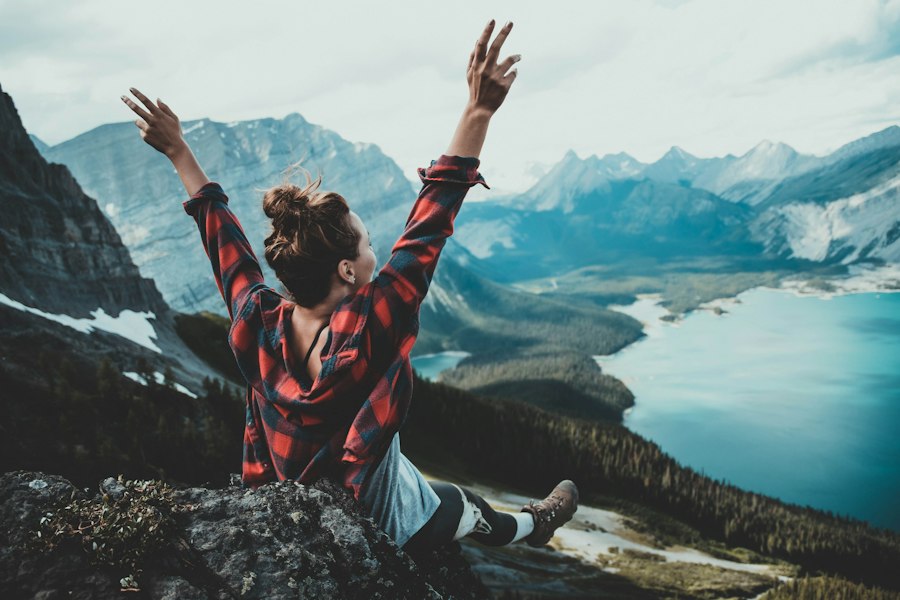
Once you’re out there, immersed in your solo adventure, you inevitably encounter situations that test your mettle. A bus might be late, you might get lost, a reservation could go awry, or you might face a language barrier. When you’re with others, these challenges are often shared burdens, resolved collectively. But when you’re alone, you are the sole problem-solver. This is where the true magic of solo adventure begins to unfold, fostering an incredible sense of independence and resourcefulness.
You are forced to think on your feet, to creatively assess situations, and to trust your instincts. There’s no one to lean on for an immediate solution, no one to defer to. You must tap into your innate problem-solving abilities, which you might not even realize you possess. Perhaps you have to use a translation app to ask for directions, or decipher a confusing map, or find an alternative route when your original plan falls through. Each successful navigation of a small obstacle, each moment where you figure things out on your own, builds a powerful internal narrative: “I can handle this. I am capable.”
Developing Practical Skills
Beyond the mental fortitude, solo adventures often necessitate the development of practical skills that you might not otherwise acquire. You become adept at reading maps, navigating public transport systems in unfamiliar cities, and managing your finances on the go. You learn to pack efficiently, to adapt to different climates and conditions, and to troubleshoot minor issues with your belongings. If you’re hiking, you learn about trail markers, reading the weather, and essential first aid. If you’re traveling internationally, you might pick up basic phrases in a new language, learn about different cultural customs, and master the art of currency exchange.
These skills are not merely useful for your current trip; they become part of your broader life toolkit. The confidence gained from successfully using these skills translates into other areas of your life. You might find yourself more comfortable navigating new situations at work, more confident in making decisions independently, or more resourceful in handling unexpected challenges at home. The sense of self-efficacy cultivated on your solo journey permeates your everyday existence, making you a more capable and adaptable individual.
Connecting with Strangers (and Yourself)
One of the common misconceptions about solo travel is that it leads to isolation. While you certainly have more opportunities for solitude, it paradoxically often leads to more genuine and profound interactions with strangers. When you’re alone, you appear more approachable. You’re not ensconced in your own group dynamic, making it easier for others to engage with you, and for you to initiate conversations. You might find yourself striking up conversations with locals in cafes, fellow travelers on trains, or even the staff at your accommodation. These interactions can be incredibly enriching, offering new perspectives, insights into different cultures, and sometimes, even unexpected friendships.
More importantly, the solitude of solo adventure provides an unparalleled opportunity to connect with yourself. Without the constant chatter and demands of others, you have space to reflect, to introspect, to truly listen to your own thoughts and feelings. You might discover new passions, re-evaluate your priorities, or gain a deeper understanding of who you are and what truly makes you happy. This self-discovery is a cornerstone of building self-belief. When you understand yourself better, you trust your instincts more, you make choices that align with your values, and you become more comfortable in your own skin. The quiet moments of reflection, whether overlooking a breathtaking landscape or simply enjoying a meal in silence, become invaluable opportunities for personal growth and self-affirmation.
Cultivating Resilience and Adaptability
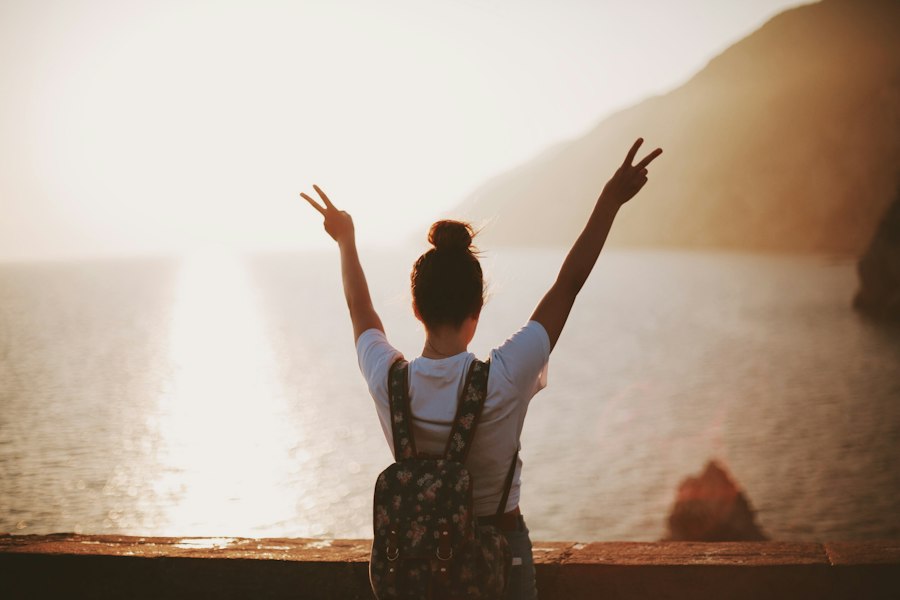
Life, whether at home or on the road, is unpredictable. Solo adventures, by their very nature, amplify this unpredictability. You are stripped of your usual support systems, forced to confront the unexpected head-on. This constant exposure to novel situations and the need to adapt to them is a powerful catalyst for developing resilience. Resilience isn’t about avoiding challenges; it’s about bouncing back from them, learning from them, and emerging stronger.
When your meticulously planned itinerary falls apart, and you have to scramble for an alternative, you’re building resilience. When you get lost in an unfamiliar city, and you eventually find your way back, you’re building resilience. When you encounter a language barrier that seems insurmountable, and you manage to communicate your needs, you’re building resilience. Each small victory over adversity, each time you adjust your expectations and find a new path forward, strengthens your inner fortitude. You learn that setbacks are not failures, but simply detours, opportunities to learn and grow.
Embracing Discomfort
Growth rarely happens within your comfort zone. Solo adventures inherently push you beyond its boundaries. You might find yourself in situations that are initially uncomfortable: navigating a crowded foreign market, trying unfamiliar foods, sleeping in a strange bed, or simply enduring moments of quiet solitude that feel unusual. The natural inclination is often to retreat to what is familiar, but solo travel encourages you to lean into this discomfort.
By consciously choosing to engage with these uncomfortable experiences, you expand your tolerance for the unknown. You learn that discomfort is a temporary state, and often, beyond it lies a new discovery, a new skill, or a deeper appreciation for your own capabilities. You might realize that you’re more adventurous than you thought, or more resilient, or more open-minded. This willingness to embrace discomfort, and the subsequent discovery that you can indeed handle it, is a monumental step in building self-confidence and self-belief. You start to see challenges not as threats, but as opportunities for personal expansion.
Learning to Trust Your Gut
When you are solely responsible for your decisions and your safety, your intuitive senses become finely tuned. You learn to listen to that quiet voice within you, the one that signals caution or greenlights an opportunity. This is particularly crucial for safety, but it extends to all aspects of your journey. Should you take that shortcut? Is that person genuinely helpful or do they have ulterior motives? Is this meal going to be a culinary delight or a stomach upset?
Without the constant input and opinions of others, you are forced to rely on your own judgment. This process hones your decision-making skills and, crucially, builds trust in your own intuition. You start to recognize patterns, to interpret subtle cues, and to make choices that align with your well-being and desires. This isn’t just about avoiding danger; it’s about making choices that lead to greater fulfillment and richer experiences. The more you trust your gut and see positive outcomes, the more your self-belief solidifies. You learn that you possess an inner compass, a powerful guide that can navigate you through life’s complexities.
The Power of Accomplishment and Self-Validation
As your solo adventure progresses, and certainly when you return home, a profound sense of accomplishment washes over you. You did it. You planned it, you executed it, and you overcame the inevitable challenges, all on your own terms. This isn’t just a fleeting feeling of pride; it’s a deep, foundational shift in your self-perception. You have concrete evidence of your capabilities, resilience, and independence.
This tangible evidence of accomplishment acts as a powerful antidote to self-doubt. When future challenges arise, you can draw upon the memories of your solo journey. “If I could navigate a foreign city alone, I can certainly handle this presentation.” “If I could solve that problem on the road, I can find a solution for this issue at home.” These mental anchors provide a wellspring of confidence, reminding you of your innate strength and resourcefulness. You are no longer just thinking you can do something; you know you can, because you’ve already proven it to yourself.
Redefining Your Relationship with Yourself
One of the most transformative aspects of solo adventuring is the redefinition of your relationship with yourself. You move beyond seeing yourself as someone who needs external validation or companionship to be complete. Instead, you begin to see yourself as a competent, interesting, and valuable individual in your own right. You discover the joy of your own company, the richness of your own thoughts, and the depth of your own inner world.
This doesn’t mean you won’t enjoy the company of others or seek out social connections. Instead, it means that your desire for connection comes from a place of abundance rather than neediness. You choose to share your experiences and your life with others because you want to, not because you feel incomplete without them. This radical self-acceptance and self-love are cornerstones of true self-belief. You learn that your worth is intrinsic, not dependent on external factors or the approval of others. You become your own best friend, your own most trusted companion.
Inspiring Future Growth
The impact of a solo adventure doesn’t end when you unpack your bags. It instigates a continuous cycle of growth. Having pushed your boundaries once, you become more inclined to seek out new challenges, to explore uncharted territories in your life, both literal and metaphorical. The fear of the unknown diminishes, replaced by a curiosity and an eagerness to see what else you’re capable of.
You might find yourself more willing to take risks in your career, pursue a long-held passion, or embrace new hobbies that previously felt intimidating. The independence you cultivated on your journey becomes a guiding principle, encouraging you to make choices that truly serve your personal growth and fulfillment. Each subsequent solo experience, whether a short day trip or a multi-month expedition, further reinforces these positive shifts, creating a virtuous cycle of confidence, independence, and self-belief. You are not just returning from an adventure; you are returning as a more confident, more capable, and more self-assured version of yourself, ready to face the world with renewed vigor and a profound sense of personal power.
Engaging in solo adventures can significantly enhance one’s confidence, independence, and self-belief, as highlighted in a related article that explores the transformative power of travel. By stepping out of their comfort zones, individuals often discover new strengths and capabilities they never knew they had. For those interested in learning more about the experiences of solo travelers and the personal growth that comes from these journeys, you can read about it in this insightful piece on travel blogging.
Sustaining the Benefits and Integrating Solo Discoveries
The glow of a solo adventure can last long after you’ve returned home, but to truly integrate the lessons learned and sustain the benefits, you must consciously apply them to your everyday life. The confidence, independence, and self-belief cultivated during your journey aren’t meant to be left behind at the airport; they are vital tools to enhance your daily existence. This requires intentional reflection and a commitment to continue pushing your boundaries, even in smaller ways, in your familiar environment.
Think back to the moments of triumph: solving a tricky navigation problem, overcoming a language barrier, making a new friend, or simply enjoying a meal in quiet contemplation. What skills did you employ? What inner strengths did you discover? How can you apply those same approaches to challenges in your work, relationships, or personal development? The ability to reflect on and articulate these experiences solidifies their impact, transforming fleeting moments into lasting personal growth.
Applying Independence to Daily Life
The independence you savored on your solo trip can be consciously brought into your everyday routine. This doesn’t mean you need to isolate yourself, but rather to cultivate a sense of self-reliance in your decision-making and activities. Perhaps you start taking solo walks in a new part of your city, visit a museum alone, or try a new restaurant by yourself. These small acts reinforce the message that your happiness and fulfillment are not contingent on the availability or preferences of others.
Consider tasks or hobbies you’ve always wanted to pursue but have put off because you couldn’t find a companion. Now is the time to embrace them. Learn that new instrument, take that art class, or volunteer for a cause you care about, regardless of whether anyone joins you. Each independent pursuit strengthens your self-identity and validates your autonomy. You are proving to yourself that you are capable of generating your own experiences and finding joy in your own company, translating the grand independence of travel into the practical independence of daily living.
Nurturing Self-Belief through Ongoing Challenges
The self-belief you built on your solo journey is not a static state; it’s a muscle that needs continuous exercise. Look for opportunities to challenge yourself, even in minor ways, to keep that sense of self-efficacy alive. This might involve tackling a project at work that feels slightly beyond your current skill set, advocating for yourself in a difficult conversation, or learning a completely new skill that requires dedicated effort.
Each time you step outside your comfort zone and successfully navigate a new challenge, you reinforce the positive feedback loop established during your solo adventure. You remind yourself that you are capable of learning, adapting, and growing. When doubts inevitably creep in – as they do for everyone – you can draw upon your mental archive of past accomplishments, including the entirety of your solo journey. “I handled X, Y, and Z on my own; I can certainly manage this.” This internal dialogue becomes a powerful tool for self-encouragement and perseverance, solidifying your belief in your inherent strength and capacity to overcome obstacles. Your solo adventure becomes a touchstone, a powerful reminder of your potential, forever altering your trajectory towards a more confident, independent, and self-assured you.