Independence vs Intimacy: Why You Don’t Have to Choose One or the Other in Relationship
Independence vs Intimacy: Why You Don’t Have to Choose One or the Other
A common belief in relationships is that you must choose between independence and intimacy. Either you stay emotionally close and risk losing yourself, or you stay independent and risk emotional distance.
But healthy relationships don’t work that way.
The strongest connections are built on both intimacy and independence coexisting together. You don’t have to sacrifice one to have the other—you just need the right balance.
What Independence in a Relationship Really Means
Independence is often misunderstood as emotional distance, but in healthy relationships it simply means being a whole person on your own.
Healthy independence includes:
- Maintaining your own identity, goals, and interests
- Feeling emotionally stable without constant reassurance
- Having friendships and life outside the relationship
- Making decisions confidently as an individual
- Not relying on your partner for self-worth
Independence means: “I am complete as I am.”
What Intimacy in a Relationship Really Means
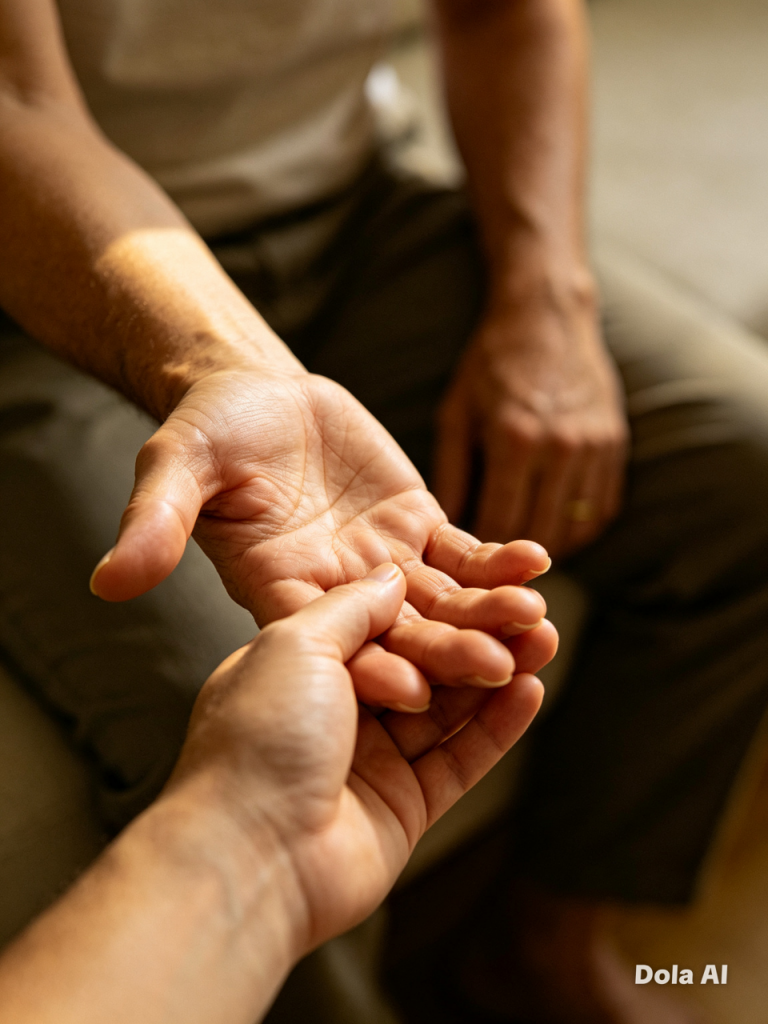
Intimacy is the emotional closeness that allows two people to connect deeply and authentically. It’s what creates trust, safety, and bonding.
Healthy intimacy includes:
- Emotional openness and vulnerability
- Physical closeness and affection
- Honest communication without fear of judgement
- Feeling seen, heard, and understood
- Sharing experiences and building memories together
Intimacy means: “I allow you to see me fully.”
Why People Think You Have to Choose One
Many people fear that too much intimacy will lead to losing their identity, while too much independence will lead to emotional distance. This creates a false belief that relationships require sacrifice in one direction.
This often comes from:
- Past relationship experiences
- Fear of dependency or abandonment
- Confusing independence with emotional withdrawal
- Lack of healthy relationship models
In reality, the issue isn’t intimacy or independence—it’s imbalance.
When Independence Is Too Strong
Too much independence can turn into emotional detachment, even if the relationship looks fine on the surface.
Signs include:
- Rare emotional vulnerability
- Avoiding deep conversations
- Prioritising personal space over connection consistently
- Feeling more like friends or roommates than partners
- Limited emotional sharing
In this case, independence is protecting distance rather than supporting connection.
When Intimacy Is Too Strong
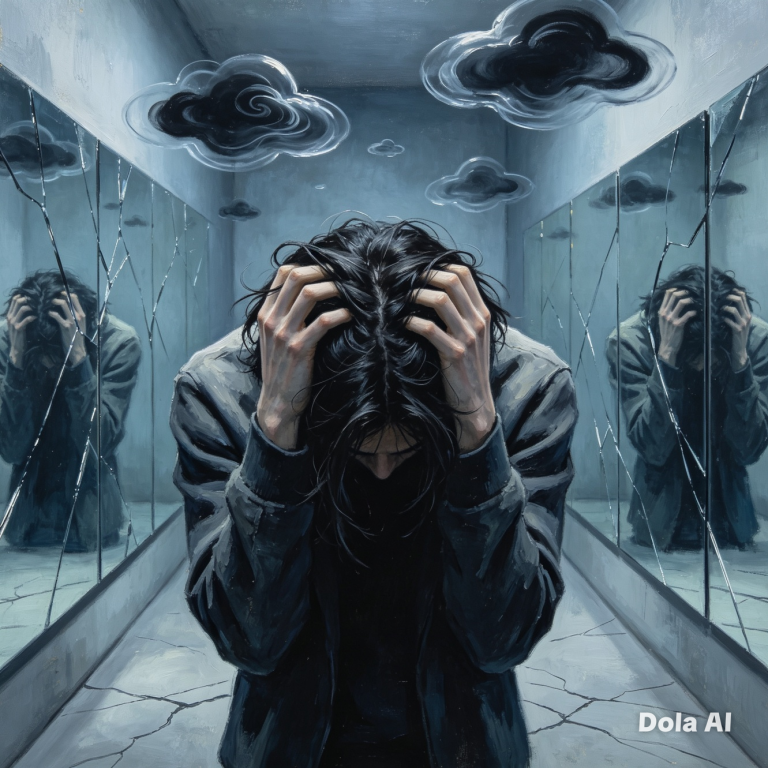
Too much intimacy without independence can lead to emotional dependency and pressure.
Signs include:
- Needing constant reassurance
- Loss of personal identity or interests
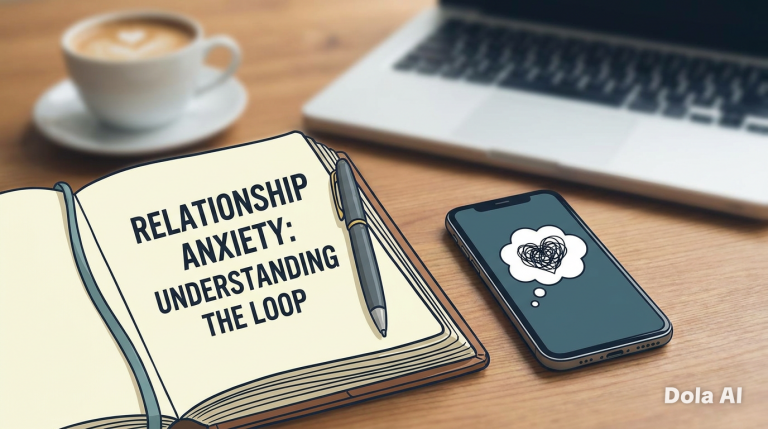
- Anxiety when apart from your partner
- Over-reliance on your partner for emotional stability
- Difficulty setting boundaries
Here, intimacy becomes overwhelming rather than supportive.
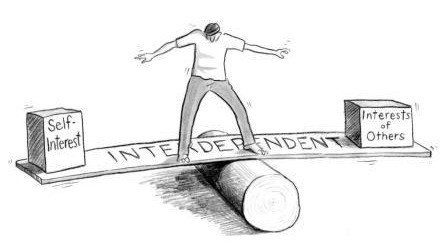
The Healthy Balance: Interdependence
The healthiest relationships don’t sit at either extreme. They operate through interdependence, where both people are emotionally secure on their own and connected to each other.
Interdependence looks like:
- Strong emotional closeness and personal freedom
- Time together that feels intentional, not forced
- Time apart that feels comfortable, not anxious
- Two individuals choosing each other daily
- Shared connection without loss of identity
It’s not independence or intimacy—it’s both working together.
How to Build Both Independence and Intimacy
You don’t need to choose—you need to integrate both.
Practical ways to do that:
- Keep personal hobbies and interests alive
- Schedule intentional quality time together
- Practice honest emotional communication
- Respect each other’s need for space
- Build trust through consistency, not control
Healthy relationships grow stronger when both people feel free and connected at the same time.
Final Thoughts
Independence vs intimacy is not a battle—it’s a balance. The healthiest relationships are not built on choosing one over the other, but on learning how to hold both.
True connection doesn’t require losing yourself, and true independence doesn’t require emotional distance. The goal is a relationship where two whole people can stay connected without sacrificing who they are.