The Importance of Protein for Weight Loss: Why It Should Be the Foundation of Your Diet
You’ve likely heard it before: protein is crucial for your health. But when it comes to weight loss, its role transcends mere importance – it becomes the bedrock upon which your success is built. You’re not just looking to shed pounds; you’re aiming for sustainable fat loss, preserved muscle mass, and a feeling of lasting satisfaction. To achieve this, you need to understand why protein is so vital and how to effectively integrate it into your daily regimen.
You might be thinking, “I already eat protein.” But the question isn’t if you eat protein, it’s how much and what kind and when. When you prioritize protein, you’re tapping into a powerful trifecta of mechanisms that directly contribute to your weight loss goals.
The Power of Satiety: Feeling Fuller, Longer
Imagine a world where you’re not constantly battling hunger pangs. This isn’t a fantasy; it’s a reality you can create by strategically increasing your protein intake.
Protein’s Impact on Hunger Hormones
You know that feeling of being stuffed after a carb-heavy meal, only to feel hungry again an hour later? That’s often due to the rapid rise and fall of blood sugar. Protein, however, behaves differently. It promotes the release of satiety hormones like peptide YY (PYY) and cholecystokinin (CCK), while simultaneously suppressing ghrelin, the “hunger hormone.” This means your brain receives stronger signals that you’re full and satisfied, leading to a natural reduction in your overall calorie intake throughout the day. You’ll find yourself less likely to reach for those unhealthy snacks between meals.
The Thermic Effect of Food: Burning More Calories Just by Eating
Here’s a concept that might surprise you: you burn calories just by digesting food. This is known as the thermic effect of food (TEF). Protein has the highest TEF of all macronutrients. While carbohydrates have a TEF of 5-10% and fats have a TEF of 0-3%, protein boasts a TEF of 20-30%. This means that for every 100 calories of protein you consume, your body expends 20-30 calories just to process it. While not a massive calorie burner in itself, this cumulative effect contributes to a higher daily energy expenditure, subtly nudging you towards a calorie deficit without you even realizing it. You’re essentially getting a metabolic boost every time you eat protein.
Reducing Cravings and Unhealthy Snacking
When you’re consistently full and satisfied from adequate protein, the incessant urge to snack on sugary or processed foods significantly diminishes. Your blood sugar remains more stable, preventing those sharp spikes and crashes that often trigger cravings. You’ll notice a remarkable shift in your relationship with food – less impulsive eating, more mindful choices, and a greater sense of control over your diet.
In exploring the significance of protein for weight loss, it’s essential to consider various dietary strategies that can complement a high-protein regimen. A related article that delves into overcoming common weight loss challenges can provide valuable insights and practical tips. You can read more about these strategies in the article titled “Overcoming Weight Loss Obstacles” available at this link. This resource can help you navigate the complexities of weight management while emphasizing the importance of a protein-rich diet.
Protecting Your Precious Muscle Mass During Weight Loss
You’re not just trying to lose weight; you’re striving to lose fat. This distinction is critical because losing muscle along with fat can derail your long-term progress and negatively impact your metabolism.
The Metabolic Advantage of Muscle
Think of your muscle mass as your metabolic engine. The more muscle you have, the more calories you burn at rest, even when you’re just sitting on the couch. This is your basal metabolic rate (BMR). When you lose weight through drastic calorie restriction without adequate protein, your body starts to break down muscle for energy. This lowers your BMR, making it harder to lose weight and easier to regain it once you stop dieting. You want to preserve and even build muscle to keep your metabolism revving.
Protein’s Role in Muscle Protein Synthesis
Protein is made up of amino acids, the building blocks of muscle. When you consume protein, your body uses these amino acids to repair and build muscle tissue, a process known as muscle protein synthesis (MPS). This process is constantly happening in your body, but it’s particularly important when you’re in a calorie deficit. By providing your body with a consistent supply of amino acids, you signal to your body to prioritize muscle retention, even when calories are limited.
Minimizing Muscle Loss During Calorie Restriction
You will inevitably lose some muscle when you’re in a calorie deficit, but you can significantly minimize this loss by consuming sufficient protein. Studies consistently show that higher protein diets are superior for preserving lean body mass during weight loss compared to lower protein diets, even when calorie intake is identical. This is why resistance training, combined with a high-protein diet, is such a potent combination for body recomposition – you lose fat while maintaining or even gaining muscle.
Sustaining Energy Levels and Preventing Diet Fatigue

One of the biggest challenges you’ll face during weight loss is the feeling of fatigue and low energy that can often accompany calorie restriction. Protein can be your secret weapon against this.
Stable Blood Sugar for Consistent Energy
Unlike carbohydrates, which can cause rapid fluctuations in blood sugar, protein has a much more gradual and sustained impact. This helps to keep your blood sugar levels stable, preventing the energy crashes and dips that can lead to cravings and a feeling of lethargy. You’ll experience more consistent energy throughout your day, making it easier to stick to your exercise routine and avoid reaching for quick sugar fixes.
Avoiding the “Diet Brain” Fog
When your blood sugar is all over the place, it can affect your cognitive function. You might experience difficulty concentrating, irritability, and a general feeling of mental fog. By stabilizing your blood sugar with protein, you’ll feel more mentally sharp and focused, which is crucial for making healthy food choices and staying motivated on your weight loss journey.
Supporting Overall Well-being and Mood
Protein isn’t just for your muscles; it also plays a vital role in the production of neurotransmitters like serotonin and dopamine, which are crucial for mood regulation. When you’re adequately nourished with protein, you’re less likely to experience mood swings and irritability, making the weight loss process feel more manageable and enjoyable. You’re more likely to stay positive and committed to your goals.
Practical Strategies for Making Protein the Foundation of Your Diet
Now that you understand why protein is so important, let’s explore how you can effectively integrate it into your daily life. This isn’t about bland, boring meals; it’s about making delicious and strategic choices.
Prioritizing Protein at Every Meal
You shouldn’t just be adding protein; you should be leading with it. Make protein the first thing you consider when planning your meals.
Breakfast: Kickstarting Your Metabolism
Start your day strong with a protein-rich breakfast. Instead of sugary cereals or pastries, opt for eggs, Greek yogurt, cottage cheese, a protein smoothie, or even leftover chicken or fish. This sets the tone for stable blood sugar and satiety for the rest of the day. You’ll find yourself less likely to overeat at lunch.
Lunch and Dinner: Building Around a Protein Source
For your main meals, always build your plate around a lean protein source. Think grilled chicken breast, baked salmon, lean ground turkey, lentils, beans, or tofu. Once you have your protein, then add a generous portion of non-starchy vegetables and a moderate amount of healthy fats and complex carbohydrates.
Snacks: Smart Protein Choices
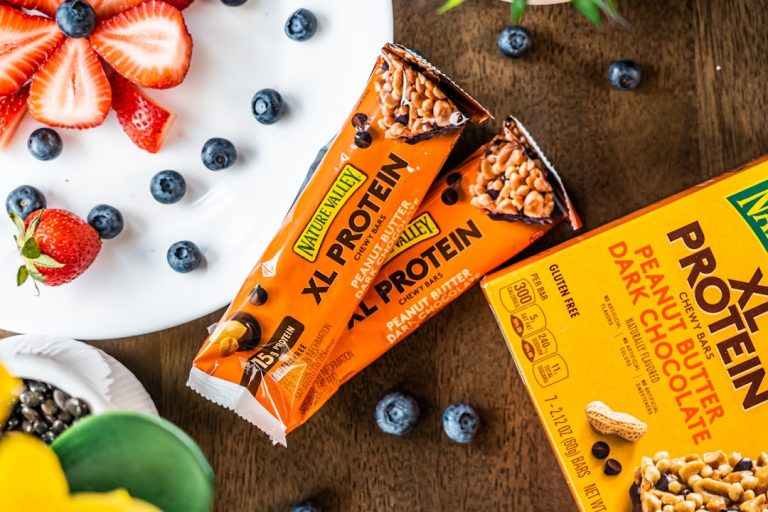
When hunger strikes between meals, reach for protein-packed snacks. Hard-boiled eggs, a handful of almonds, a small serving of cottage cheese, Greek yogurt, or a protein bar can keep you feeling full and satisfied until your next meal, preventing you from reaching for less healthy options.
Choosing High-Quality Protein Sources
Not all protein is created equal. You want to focus on sources that offer a complete amino acid profile and are low in unhealthy fats and added sugars.
Lean Meats and Poultry
These are excellent sources of complete protein. Opt for chicken breast, turkey breast, lean cuts of beef (like sirloin or round), and pork tenderloin. Aim for grass-fed and organic options when possible for additional nutritional benefits.
Fish and Seafood
Rich in protein and often beneficial omega-3 fatty acids, fish like salmon, tuna, mackerel, cod, and tilapia are fantastic choices. Omega-3s further contribute to satiety and overall health.
Dairy Products
Greek yogurt, cottage cheese, milk, and cheese are versatile and convenient sources of protein. Choose plain, unsweetened varieties to avoid added sugars.
Legumes and Beans
For plant-based protein, lentils, black beans, chickpeas, kidney beans, and edamame are excellent options. They also provide fiber, which further enhances satiety.
Eggs
A perfect, complete protein source, eggs are incredibly versatile and affordable. Enjoy them scrambled, boiled, poached, or as part of an omelet.
Plant-Based Protein Alternatives
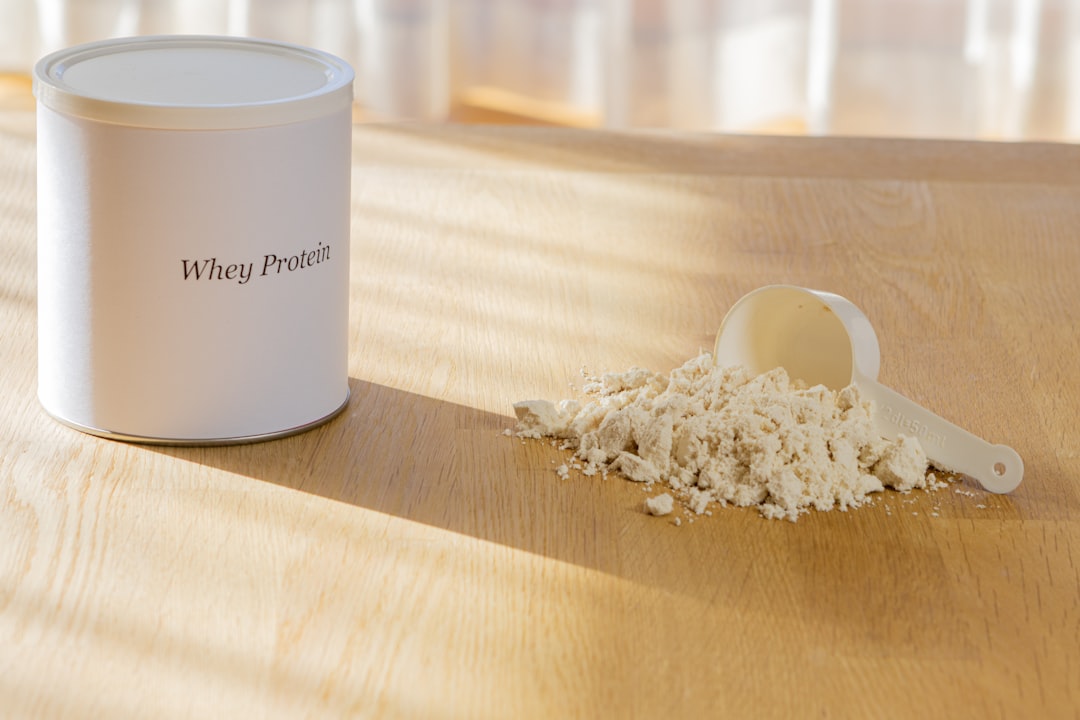
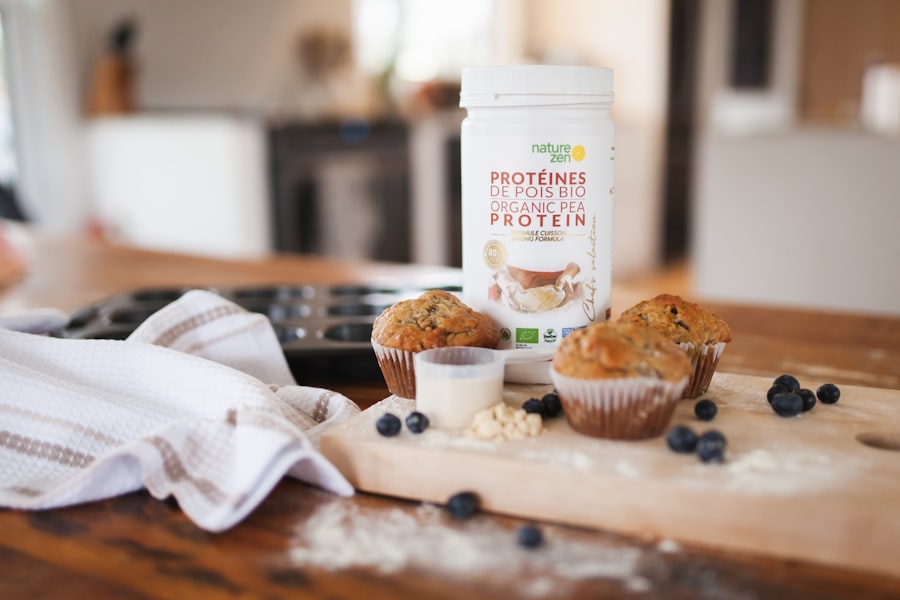
Tofu, tempeh, seitan, and various plant-based protein powders (pea, soy, hemp) are increasingly popular and effective for meeting your protein needs, especially if you follow a vegetarian or vegan diet.
In exploring the significance of protein for weight loss, it is also beneficial to consider the role of hydration in a balanced diet. Staying properly hydrated can enhance metabolic processes and support overall health, which complements a protein-rich eating plan. For more insights on maintaining a healthy lifestyle, you might find this article on the benefits of water and its impact on wellness particularly interesting. Check it out here.
Addressing Common Concerns and Optimizing Your Protein Intake
You might have some lingering questions or concerns about incorporating more protein. Let’s address them.
How Much Protein Do You Really Need?
This is a frequently asked question, and the answer isn’t a one-size-fits-all. While the recommended dietary allowance (RDA) for protein is 0.8 grams per kilogram of body weight, this is often considered the minimum to prevent deficiency, not the optimal amount for weight loss.
Optimal Protein for Weight Loss
For weight loss, a good starting point is aiming for 1.6 to 2.2 grams of protein per kilogram of your target body weight (or current lean body mass). For example, if you weigh 80 kg and are aiming for 70 kg, you might target 112-154 grams of protein per day. If you are very active or engaging in significant resistance training, you might even go slightly higher, up to 2.5 g/kg. This might seem like a lot, but by distributing it throughout your meals, it becomes manageable.
Spreading Protein Intake Throughout the Day
Don’t try to consume all your protein in one sitting. Your body can only effectively utilize a certain amount of protein for muscle protein synthesis at any given time. Aim to distribute your protein intake relatively evenly across 3-5 meals or snacks throughout the day. This optimizes muscle repair and keeps you feeling fuller for longer.
Are There Any Risks to High Protein Diets?
You might have heard myths about high-protein diets harming your kidneys or bones. For healthy individuals, these concerns are largely unfounded.
Kidney Health
Numerous studies have shown that high protein intake does not harm healthy kidneys. However, if you have pre-existing kidney disease, you should consult with your doctor or a registered dietitian before significantly increasing your protein intake.
Bone Health
Contrary to some popular beliefs, higher protein intake, especially from animal sources, has been linked to improved bone density, particularly when calcium intake is also adequate. Protein provides amino acids essential for bone matrix formation.
Digestive Issues
Some people might experience minor digestive discomfort when first increasing their protein intake, particularly if they switch to more protein from animal sources. This usually subsides as your body adjusts. Ensure you’re also consuming plenty of fiber from fruits, vegetables, and whole grains to support digestive regularity.
The Synergy of Protein with Other Macronutrients and Micronutrients
While protein is foundational, it doesn’t work in isolation. You need to consider the bigger picture of your diet.
Pairing Protein with Fiber-Rich Foods
Combining protein with fiber-rich foods (fruits, vegetables, legumes, whole grains) creates a powerful satiety synergy. Fiber adds bulk to your meals, slows down digestion, and further stabilizes blood sugar, while protein provides the sustained fullness.
Don’t Forget Healthy Fats and Complex Carbs
While prioritizing protein, don’t eliminate healthy fats and complex carbohydrates. Healthy fats (avocado, nuts, seeds, olive oil) are essential for hormone production, nutrient absorption, and further satiety. Complex carbohydrates (oats, quinoa, brown rice, sweet potatoes) provide sustained energy for your workouts and daily activities. It’s about balance, with protein taking center stage.
In conclusion, when you commit to a weight loss journey, you’re not just embarking on a temporary diet; you’re adopting a sustainable lifestyle change. And within that lifestyle, protein should be your unwavering ally. By understanding its profound impact on satiety, metabolism, muscle preservation, and energy levels, you can make informed choices that will not only help you shed the weight but also maintain it for the long run. You’re building a stronger, healthier, and more vibrant you, one protein-packed meal at a time. So, go ahead, make protein the undeniable foundation of your diet, and watch as you transform your body and your relationship with food.