
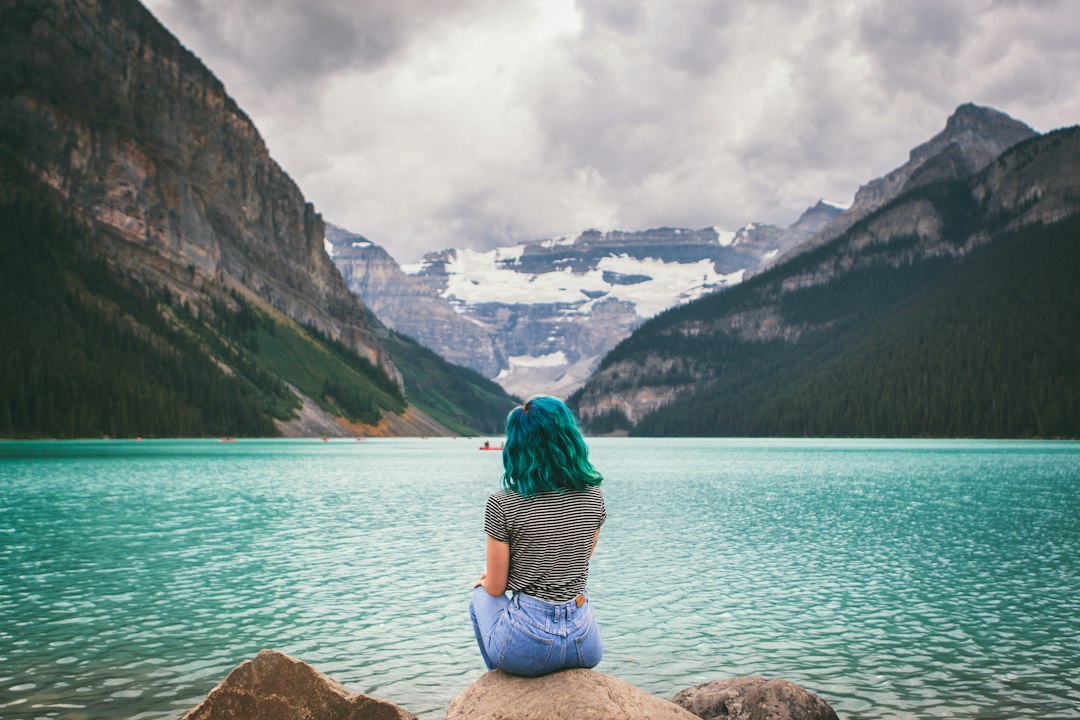
Why Travelling Alone Can Be Good for Your Mental Health
Embracing the Solitary Journey: A Path to Inner Well-being
You stand at the precipice of a decision, perhaps a dream you’ve nurtured for years: to travel. But the thought of doing it alone often conjures images of loneliness, missed photo opportunities, or simply a lack of shared experiences. Yet, the quiet hum of your own thoughts, the unburdened rhythm of your footsteps, and the unadulterated pursuit of your own desires when traversing the globe solo, can be profoundly transformative for your mental health. It’s an act of radical self-care, a deliberate step away from the familiar comfort zones that, while safe, can sometimes stifle personal growth and introspection. When you venture out on your own, you’re not just seeing new places; you’re seeing yourself anew, through a lens unclouded by the expectations or preferences of others. You are the architect of your itinerary, the sole arbiter of your pace, and the primary audience for your own evolving story. This autonomy, this uninhibited freedom, is a powerful antidote to the stresses and demands of daily life, offering a unique space for mental rejuvenation and profound self-discovery. It is in these moments of solitude, amidst the unfamiliar, that you truly begin to understand the depths of your resilience, the breadth of your capabilities, and the richness of your inner world.
The Myth of Loneliness
Before delving into the myriad benefits, it’s crucial to address the most pervasive fear associated with solo travel: loneliness. You might imagine yourself dining alone, feeling like an outsider, or simply wishing for someone to share a breathtaking view with. However, what you often discover is quite the opposite. When you travel alone, you are inherently more open and approachable. The absence of a built-in companion forces you to engage with the world around you in a more direct and unmediated way. You’ll find yourself striking up conversations with locals, fellow travelers, and even just the person sitting next to you on a train, in ways you might never consider when traveling with others. This doesn’t just prevent loneliness; it fosters a deeper connection with the places you visit and the people you encounter, enriching your experience far beyond what a group tour could offer.
Cultivating Self-Reliance and Resilience
When you’re navigating an unfamiliar city, deciphering a foreign language, or dealing with unexpected travel hiccups, you are entirely reliant on yourself. There’s no one to delegate to, no one to commiserate with, and no one to bail you out. While this might sound daunting, it’s precisely where the magic happens. Every challenge you overcome, every problem you solve, builds a profound sense of self-reliance and competence. You learn to trust your instincts, to think on your feet, and to adapt to unforeseen circumstances. This isn’t just about practical skills; it’s about internalizing the belief that you are capable, strong, and resourceful. These lessons, forged in the crucible of solo travel, extend far beyond your trip, empowering you in every aspect of your life back home.
Traveling alone can be a transformative experience that significantly benefits mental health, as it allows individuals to reflect, recharge, and discover new aspects of themselves. For those interested in enhancing their solo travel experiences, a related article on the importance of connecting with nature can be found at Footsteps and Food. This article explores how wildlife encounters during solo trips can foster a deeper sense of peace and mindfulness, further contributing to overall well-being.
Unlocking Unparalleled Freedom and Autonomy
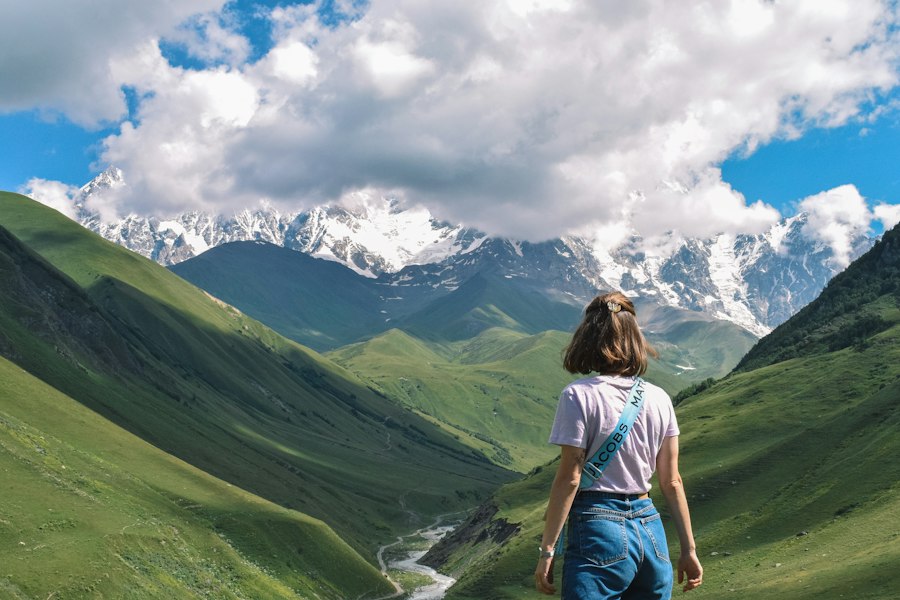
Imagine waking up one morning in a quaint European town. Today, you feel like exploring ancient ruins. Tomorrow, perhaps a quiet day by the sea. The next, a spontaneous hike into the mountains. When you travel alone, these choices are entirely yours. There are no compromises to be made, no schedules to align, no preferences to accommodate other than your own. This unfettered freedom is perhaps one of the most compelling arguments for solo travel, especially for your mental health. The constant negotiation and compromise inherent in group travel, while sometimes necessary, can be mentally draining. The ability to follow your whims, to change your plans on a dime, and to simply exist without the pressure of another’s desires is incredibly liberating and profoundly restorative. It allows you to tune into your own needs and desires in a way that is often impossible in your everyday life.
The Joy of Spontaneity
The beauty of solo travel lies in its inherent unpredictability. You might stumble upon a hidden gem of a café, decide to take a detour down a charming alleyway, or spend an entire afternoon simply people-watching in a park. These spontaneous moments, unburdened by the need for consensus, are often the most memorable and enriching parts of your journey. They allow for a kind of serendipitous discovery that is often lost when you’re adhering to a rigid itinerary planned with others. This embrace of the unplanned, this openness to whatever the day brings, fosters a sense of excitement and adventure that is wonderfully invigorating for the mind. It pulls you out of your comfort zone in a gentle, exhilarating way, reminding you that life doesn’t always have to be meticulously planned to be deeply fulfilling.
Tailoring Your Experience Exactly to Your Liking
Think about your ideal trip. Is it packed with museums, or do you prefer leisurely strolls through local markets? Do you crave adventurous excursions, or are you drawn to quiet contemplation in nature? When you travel with others, you inevitably end up compromising on some of these preferences. You might spend hours in a museum you have no interest in, or skip a hike you were looking forward to, all to accommodate the group. Solo travel eliminates this entirely. You are the sole curator of your experience. If you want to spend an entire day reading a book by the ocean, you can. If you want to revisit a favorite bakery three times in one day, no one will judge. This ability to fully immerse yourself in what truly brings you joy, without external pressure, is a powerful form of self-care and deeply beneficial for your mental well-being. It allows you to truly recharge and reconnect with what genuinely resonates with you.
Deepening Self-Awareness and Personal Growth
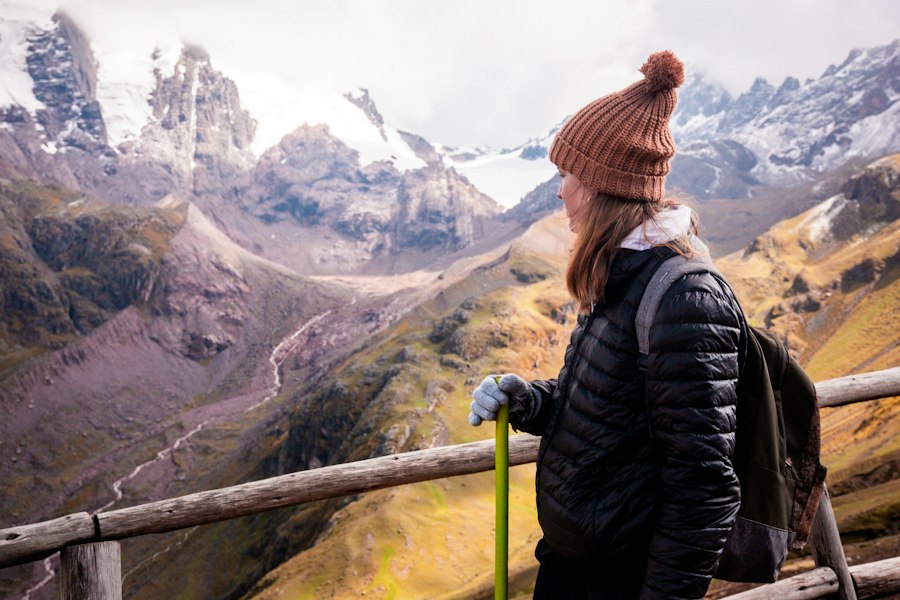
Beyond the immediate benefits of freedom and independence, solo travel offers a unique crucible for personal growth and self-discovery. When you are stripped of your usual routines, your familiar social circles, and the comfort of home, you are confronted with yourself in a way that is rarely possible otherwise. This confrontation, while sometimes uncomfortable, is ultimately profoundly enriching. It provides an unparalleled opportunity for introspection, reflection, and a deeper understanding of who you are, what you value, and what truly makes you happy. You learn to listen to your inner voice, to trust your instincts, and to connect with your authentic self away from the influence of others.
Cultivating Mindfulness and Presence
When you’re alone in a new environment, your senses are heightened. You notice the intricate details of a building, the aromas wafting from a street food vendor, the rhythm of a foreign language. There are fewer distractions, fewer conversations to engage in, which naturally leads to a more mindful state. You become more present in the moment, less preoccupied with past regrets or future anxieties. This increased mindfulness is incredibly beneficial for mental health, helping to reduce stress, improve focus, and foster a greater appreciation for the world around you. You’re not just observing; you’re experiencing everything with a heightened sense of awareness, absorbing the richness of your surroundings without the filter of external commentary.
Confronting and Overcoming Challenges
Solo travel inevitably presents challenges, big and small. Maybe you miss a train, get lost in an unfamiliar city, or face a language barrier. In these moments, you are forced to rely on your own problem-solving skills and resilience. There’s no one else to turn to immediately, which might feel isolating at first, but ultimately empowers you. Each time you successfully navigate a difficult situation, your confidence grows. You learn that you are capable of handling whatever comes your way, fostering a profound sense of self-efficacy. This mental fortitude, developed through overcoming travel obstacles, translates directly into your everyday life, making you more adaptable and less prone to stress when faced with challenges at home. You discover inner strengths you never knew you possessed.
Understanding Your True Desires
Without the influence of others, you have the space to truly tune into your own desires. Do you want to visit every historical site, or would you rather spend an afternoon exploring local cafes? Do you prefer lively nightlife or quiet evenings? When you’re making decisions solely for yourself, you gain a clearer understanding of what genuinely brings you joy and fulfillment. This process of self-discovery is invaluable. It helps you articulate your own needs and preferences, not just in travel, but in all aspects of your life. You learn to prioritize your own well-being and to make choices that are authentically aligned with your values, leading to a greater sense of contentment and purpose.
Enhancing Emotional Well-being and Reducing Stress
The very act of stepping away from your routine, your responsibilities, and the demands of everyday life can be incredibly therapeutic. Solo travel offers a complete mental reset, allowing you to decompress, reflect, and recharge your emotional batteries. It’s a dedicated period where your primary focus shifts to your own experiences and internal landscape, offering a much-needed respite from the constant external pressures that can contribute to stress and burnout. This sustained period of self-focus and freedom can have profound and lasting positive effects on your emotional well-being.
The Power of Detachment and Perspective
When you’re far from home, problems that seemed insurmountable often shrink in significance. The distance, both geographical and psychological, provides a fresh perspective. You gain clarity on situations, allowing you to approach challenges with a renewed sense of calm and rationality. This detachment from daily stressors enables you to see the bigger picture, to prioritize what truly matters, and to let go of anxieties that no longer serve you. It’s like hitting a mental refresh button, allowing you to return with a clearer head and a more balanced outlook on life.
Reconnecting with Inner Peace
The quiet moments of solo travel—a silent walk through a forest, watching a sunset over the ocean, or simply enjoying a meal in solitude—provide ample opportunities for introspection and reconnection with your inner self. In the absence of constant conversation or external stimuli, you have the space to listen to your thoughts, process emotions, and simply be. This deliberate quietude is a powerful antidote to the noise and chaos of modern life. It fosters a sense of inner peace and tranquility, allowing you to calm your mind and find a deeper sense of contentment within yourself. Many people find that solo travel facilitates a kind of meditation in motion, where the journey itself becomes a meditative practice.
Boosting Self-Confidence and Self-Esteem
Every successful interaction with a local, every navigated public transport system, every new dish tried, and every minor problem solved while traveling alone contributes to a profound boost in self-confidence. You discover just how capable and resilient you truly are. This isn’t superficial confidence; it’s a deep-seated belief in your own abilities, forged through direct experience. This increased self-esteem radiates into all areas of your life, making you more assertive, more willing to take on new challenges, and more comfortable in your own skin. You learn to trust your judgment and celebrate your accomplishments, leading to a more positive self-image overall.
Traveling alone can be a transformative experience that significantly enhances your mental health, allowing for self-reflection and personal growth. For those interested in exploring the positive impacts of solo travel further, a related article discusses how embracing change can lead to newfound confidence and resilience. You can read more about this fascinating topic in the article on change and its effects on our well-being.
Fostering Creativity and Inspiration
The disruption of routine and the immersion in new cultures, sights, sounds, and tastes inherent in solo travel acts as a potent stimulant for creativity. When your mind is liberated from the familiar, it becomes more open to new ideas, new ways of thinking, and new perspectives. This creative awakening isn’t just for artists or writers; it benefits anyone seeking fresh solutions to problems, innovative approaches to their work, or simply a richer, more imaginative internal life. Solo travel strips away the mundane, revealing the extraordinary and prompting you to engage with the world in a more imaginative way.
Sensory Overload (in a Good Way)
Every new destination bombards your senses with fresh input. The smell of exotic spices in a market, the vibrant colors of street art, the rhythm of a foreign language, the taste of unfamiliar cuisine – all these new sensations awaken parts of your brain that might lie dormant in your usual environment. This sensory feast stimulates new neural pathways, expanding your perception and fostering a more imaginative mind. You start to notice details you might otherwise overlook, to appreciate nuances you previously missed, and to connect seemingly disparate ideas in novel ways. This constant influx of novelty is like brain food for creativity.
Time for Uninterrupted Thought
When you’re traveling alone, there are ample opportunities for uninterrupted thought. Whether you’re on a long bus ride, sitting in a park, or simply enjoying a quiet meal, you have the space to let your mind wander, to ponder ideas, and to connect dots that might otherwise remain separate. This dedicated time for reflection, free from the demands of conversation or shared activities, is invaluable for creative thinking. It allows for incubation periods where new ideas can form and develop, often leading to breakthroughs and insights that might have eluded you in a busier, more socially engaged environment. You give your subconscious the space to work its magic.
Gaining New Perspectives and Problem-Solving
Exposure to different cultures, ways of life, and approaches to common problems can significantly broaden your perspective. You see that there isn’t just one “right” way to do things, which can be incredibly liberating. This expanded worldview directly fuels creativity, as you begin to think outside the box and apply diverse cultural insights to your own challenges. Witnessing how other societies operate can inspire novel solutions to personal or professional dilemmas, leading to a more innovative and flexible mindset. Solo travel essentially offers you a crash course in global problem-solving, equipping you with a richer toolkit for addressing complexity.
The decision to travel alone is not just about visiting new places; it’s about embarking on a profound journey of self-discovery and mental enrichment. While the initial thought might evoke apprehension, the reality is often one of immense personal growth, unparalleled freedom, and a deep reconnection with your inner self. You discover resilience you didn’t know you possessed, cultivate a profound sense of self-reliance, and unlock a level of autonomy that is truly liberating. It’s an investment in your emotional well-being, a powerful way to reduce stress, and a catalyst for profound self-awareness and creativity. So, if the call of the open road whispers to you, consider heeding it – alone. You might just find that the greatest adventure awaits within yourself.