Why You Should Spend More Time Outside: The Mental Health Benefits of Nature
Reconnecting with Your Inner Calm
In the whirlwind of modern life, where screens dominate our waking hours and deadlines loom large, it’s easy to forget a fundamental truth: you are an intrinsic part of the natural world. Your ancestors thrived amidst forests, plains, and rivers, their minds and bodies finely tuned to the rhythms of the earth. Today, many of us spend the vast majority of our lives indoors, bathed in artificial light, breathing recycled air. This disconnect, while seemingly convenient, carries a hidden cost – a toll on your mental well-being. Stepping outside, however, offers a powerful antidote, a simple yet profound way to reclaim your inner calm and foster a more resilient mind. It’s not just about fresh air; it’s about a holistic reset that impacts every facet of your psychological health.
The Evolutionary Advantage of Green Spaces
Consider for a moment your biological heritage. For millennia, human survival depended on an intimate understanding of the natural environment. Your brain evolved to process the sights, sounds, and smells of nature, to recognize patterns in foliage, to interpret the murmuring of a stream. This deep-seated connection isn’t something that simply vanishes because you now have Wi-Fi. Instead, it manifests as a deep-seated craving, a subtle but persistent yearning for the restorative qualities of the outdoors. When you immerse yourself in nature, you’re not just engaging in a pleasant pastime; you’re tapping into an ancient wellspring of peace and rejuvenation that is hardwired into your very being. This inherent biological predisposition means that nature isn’t just nice to have; it’s essential for your optimal functioning.
In addition to exploring the mental health benefits of spending time outdoors, you may find it insightful to read the article on energy management and fitness, which discusses how outdoor activities can enhance physical well-being and overall vitality. Engaging with nature not only boosts your mood but also contributes to better energy levels and fitness, making it a holistic approach to health. For more information, check out the article here: Energy Management and Fitness.
Reducing Stress and Anxiety Naturally
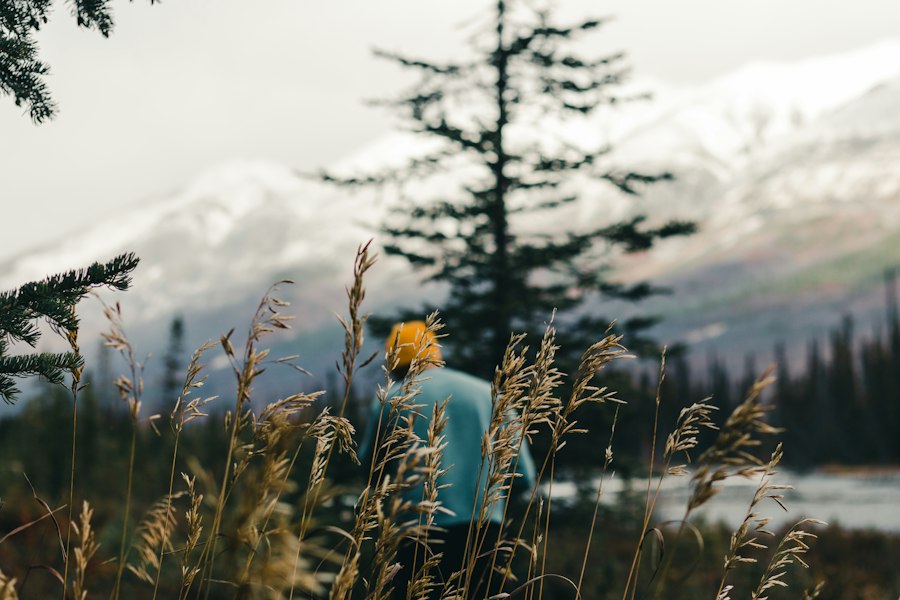
The unrelenting pace of contemporary life often leaves you feeling overwhelmed, stressed, and anxious. The constant barrage of information, the pressure to perform, and the struggle to maintain a work-life balance can elevate your cortisol levels, the body’s primary stress hormone, leading to a cascade of negative physical and mental health outcomes. Fortunately, nature offers a potent and readily accessible stress-buster. Simply spending time in green spaces has been scientifically proven to significantly reduce these feelings of unease, offering a therapeutic escape from the demands of your daily routine.
Lowering Cortisol Levels and Heart Rate
Research consistently demonstrates that even short stints in natural environments can have a profound physiological impact. Studies show that people who spend time in forests, parks, or even gardens exhibit lower levels of cortisol, the hormone directly associated with stress. Your heart rate, often elevated by anxiety, also tends to decrease when you’re surrounded by nature. This isn’t just anecdotal evidence; it’s a measurable biological response. The calming effects of natural sounds – the rustling of leaves, the chirping of birds, the gentle flow of water – contribute to this physiological shift, helping your body to downregulate its stress response and move into a state of relaxation. You are, in essence, giving your nervous system a much-needed break from the constant vigilance demanded by urban environments. This natural unwinding allows your body to recover and replenish its resources, making you more resilient to future stressors.
The Soothing Power of Greenery
Beyond the measurable physiological changes, there’s a subjective sense of calm that washes over you when you’re immersed in greenery. The color green itself is often associated with tranquility and growth, and the complex patterns found in nature – the fractal geometry of leaves, the intricate branches of trees – are aesthetically pleasing to the human eye, fostering a sense of harmony and order. This visual stimulation, devoid of the jarring artificiality of urban landscapes, allows your mind to decompress. You’re not just seeing green; you’re experiencing a sensory symphony that quietens the internal noise and offers a gentle invitation to simply be. This effortless engagement with your surroundings contrasts sharply with the focused attention often required by screens and structured tasks, giving your brain a chance to rest and recover. The mental energy you expend navigating complex urban environments is significantly reduced in nature, freeing up cognitive resources and promoting a sense of mental clarity.
Enhancing Mood and Cognitive Function
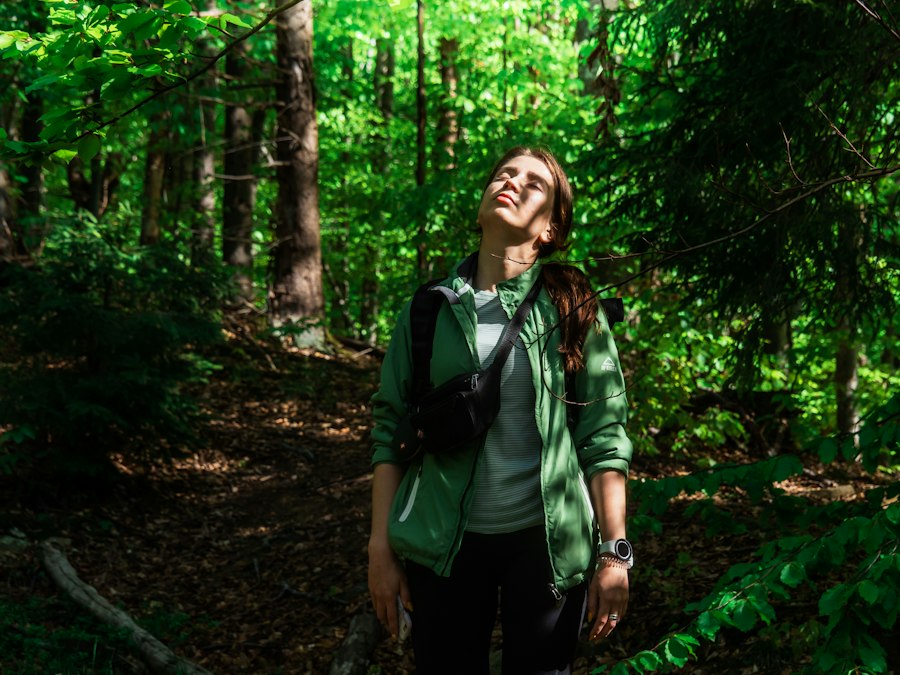
Beyond stress reduction, spending time outdoors actively boosts your mood and sharpens your cognitive abilities. It’s not merely a passive retreat but an active engagement that nourishes your brain, making you feel more optimistic, focused, and creative. The interplay of sunlight, fresh air, and natural stimuli creates a powerful cocktail for mental rejuvenation.
Boosting Serotonin and Dopamine Levels
Exposure to sunlight is crucial for the production of serotonin, a neurotransmitter often referred to as the “feel-good” hormone. Low levels of serotonin are linked to depression and anxiety, so getting a healthy dose of natural light is a simple yet effective way to uplift your spirits. Similarly, engaging with nature can stimulate the release of dopamine, another neurotransmitter associated with pleasure and motivation. Whether you’re hiking a trail, tending to a garden, or simply observing wildlife, the sense of accomplishment, wonder, and discovery can all contribute to a natural dopamine boost. You are literally rewiring your brain for happiness simply by stepping out your door. This biochemical shift translates into a more positive outlook, increased energy levels, and a greater capacity for joy.
Improving Focus and Attention
The constant demands on your attention in the digital age can lead to mental fatigue and difficulty concentrating. Nature offers a unique form of “soft fascination,” a gentle engagement that allows your mind to wander and recover without being overwhelmed. Unlike the directed attention required by a spreadsheet or a challenging book, the stimuli in nature – the rustling leaves, the shifting clouds, the patterns in bark – capture your attention effortlessly. This type of engagement, known as “involuntary attention,” allows your directed attention faculties to rest and replenish. Think of it as a mental palate cleanser. When you return to demanding tasks after spending time in nature, you’ll often find yourself more focused, alert, and better able to concentrate. This restoration of attentional capacity is invaluable in a world that constantly vies for your focus.
Sparking Creativity and Problem-Solving
Many great thinkers throughout history have found inspiration in nature. There’s a reason for this. When your mind is relaxed and less cluttered by immediate stressors, it becomes more open to new ideas and perspectives. The non-linear, unpredictable nature of the outdoors encourages divergent thinking, allowing you to connect disparate concepts and approach problems with fresh eyes. Whether you’re sketching in a park, journaling by a lake, or simply letting your thoughts drift during a walk, nature provides a fertile ground for creativity to blossom. You’ll find that solutions to perplexing problems often emerge when you step away from the desk and immerse yourself in a natural setting. The change of scenery acts as a cognitive reset, breaking you free from rigid thought patterns and fostering innovative solutions.
Fostering Physical Health and Sleep Quality
The benefits of spending time outside extend far beyond your mental landscape, significantly impacting your physical well-being. Your body, like your mind, thrives in natural environments, benefiting from increased activity, improved immune function, and more restorative sleep. These physical advantages, in turn, create a virtuous cycle that further enhances your mental health.
Encouraging Physical Activity
While you don’t need to be an avid hiker or runner to reap the rewards, simply being outdoors naturally encourages more physical activity. Whether it’s a gentle stroll through a park, cycling along a scenic path, or engaging in outdoor sports, nature provides an inviting backdrop for movement. Regular physical activity is a well-documented antidote to depression and anxiety, releasing endorphins that have mood-boosting effects. It also helps to manage weight, strengthen your cardiovascular system, and improve overall physical fitness. When you’re exercising outdoors, you often perceive the effort as less strenuous, making it more enjoyable and sustainable in the long run. The changing scenery and fresh air make workouts feel less monotonous than exercising in a gym, encouraging you to maintain a consistent routine.
Boosting Vitamin D Production
Sunlight is your body’s primary source of Vitamin D, a crucial nutrient that plays a vital role in bone health, immune function, and even mood regulation. Many people in modern society suffer from Vitamin D deficiency due to insufficient sun exposure. Spending time outdoors, even on cloudy days, allows your skin to synthesize this essential vitamin, contributing to a stronger immune system and potentially reducing your risk of various health issues. It’s a natural, free, and highly effective way to bolster your body’s defenses. Just remember to practice sun safety by wearing sunscreen during prolonged exposure.
Improving Sleep Patterns
Exposure to natural light, particularly in the morning, helps regulate your circadian rhythm, your body’s internal clock. This regulation is crucial for healthy sleep patterns. When you spend too much time indoors under artificial lighting, especially at night, it can disrupt your body’s natural sleep-wake cycle, leading to insomnia and poor sleep quality. By spending time outdoors during the day, you help to synchronize your circadian rhythm, making it easier to fall asleep at night and enjoy more restorative sleep. The physical activity you undertake outdoors also contributes to better sleep, as your body naturally seeks rest after exertion. A good night’s sleep is foundational to mental well-being, enhancing your mood, cognitive function, and resilience to stress.
Spending time outdoors has been shown to significantly improve mental health, and if you’re interested in exploring this topic further, you might find a related article on travel and its benefits intriguing. Engaging with nature not only boosts mood but also enhances creativity and reduces stress. For more insights on how travel can connect you with the great outdoors, check out this article that delves into the transformative power of exploring new environments.
Cultivating Mindfulness and Connection
Beyond the immediate physiological and psychological benefits, spending time in nature offers a unique opportunity to cultivate mindfulness and foster a deeper connection – both with yourself and with the wider world. It encourages a presence that is often lost in the distractions of daily life, leading to a profound sense of peace and belonging.
Practicing Mindfulness in Nature
Nature is an unparalleled classroom for mindfulness. When you step outside, you are invited to engage all your senses in the present moment. Listen to the symphony of birdsong, feel the breeze on your skin, observe the intricate patterns of a leaf, smell the earthy scent of damp soil. This sensory immersion pulls you away from rumination about the past or anxiety about the future, grounding you firmly in the here and now. Walking mindfully through a forest, noticing each step, each breath, can be a powerful meditation, allowing you to observe your thoughts without judgment and find a quiet space within. This practice of being fully present in nature can reduce mental clutter and enhance your overall sense of well-being. It’s a natural form of meditation that doesn’t require any special equipment or training, just your willingness to open your senses to the world around you.
Fostering a Sense of Awe and Wonder
The natural world is full of beauty and majesty, from the grandeur of towering mountains to the delicate intricacy of a single flower. Experiencing these moments of awe can be profoundly transformative. Awe has been shown to reduce feelings of materialism, increase generosity, and foster a greater sense of connection to something larger than yourself. It puts your own problems into perspective and reminds you of the vastness and wonder of existence. This shift in perspective can be incredibly liberating, diminishing the grip of everyday worries and instilling a feeling of peace and gratitude. When you witness the power of a stormy sea or the delicate symmetry of a snowflake, you are reminded of the inherent beauty and complexity of the universe, fostering a sense of humility and interconnectedness.
Strengthening Social Bonds and Community
While nature often provides a space for solitude, it also offers rich opportunities for social connection. Sharing outdoor experiences with loved ones – whether it’s a family picnic in the park, a hike with friends, or simply a conversation on a bench overlooking a scenic vista – strengthens bonds and creates lasting memories. Engaging in community gardening projects or participating in environmental conservation efforts can foster a sense of belonging and purpose, connecting you with like-minded individuals who share a passion for the outdoors. These shared experiences, away from the artificial glow of screens and the pressures of daily life, can deepen relationships and build supportive communities, further enhancing your mental well-being. The shared joy of discovery, the collaborative effort, and the simple act of experiencing beauty together all contribute to stronger, more meaningful connections.
Exploring the great outdoors can significantly enhance your mental well-being, as highlighted in the article “Why You Should Spend More Time Outside: The Mental Health Benefits of Nature.” For those looking to further enrich their experiences in nature, a related article on the cultural and culinary delights of Morocco can provide inspiration for outdoor adventures. You can read more about this fascinating destination and its vibrant landscapes in the article available here. Embracing nature not only improves mental health but also opens up opportunities to discover new cultures and cuisines.
Integrating Nature into Your Daily Life
You don’t need to embark on an epic wilderness adventure to reap the mental health benefits of nature. Even small, consistent doses of the outdoors can make a significant difference. The key is to be intentional and creative in finding ways to integrate green spaces into your everyday routine, making it a regular and valued part of your lifestyle.
Small Steps for Big Impact
Start small. Instead of a massive overhaul, consider incorporating simple, achievable changes. Take your morning coffee or tea out onto your balcony or into your backyard. Eat your lunch in a nearby park. Opt for a walking commute if feasible, even if it’s just for part of the journey. Tend to houseplants or start a small herb garden on your windowsill. These seemingly minor adjustments accumulate over time, gradually shifting your relationship with the outdoors and making it a more integral part of your day. The cumulative effect of these small exposures can be surprisingly powerful, providing consistent mini-resets throughout your day.
Creating Green Spaces at Home
If access to large parks or wild areas is limited, bring nature indoors. Fill your home with plants – not only do they improve air quality, but their presence can also have a calming effect. Consider creating a small indoor herb garden or a terrarium. Even a well-placed window with a view of trees or a garden can provide a visual connection to nature that positively impacts your mood. The visual presence of natural elements within your living space can reduce stress and enhance your overall sense of well-being, making your home a more peaceful and restorative sanctuary.
Prioritizing Outdoor Activities
Make a conscious effort to schedule time outdoors, just as you would any other important appointment. Plan regular walks, bike rides, or visits to local parks. Explore hiking trails on weekends. If you have children, encourage them to play outdoors, and join them in their natural explorations. Prioritizing these activities sends a clear message to yourself that your mental and physical well-being are paramount. When you intentionally carve out time for nature, you’re investing in your own health and happiness, creating a sustainable practice that will yield benefits for years to come. The more you make time for nature, the more you’ll notice its profound positive impact on your life, reinforcing your commitment to this invaluable practice.