

Can supplements help with depression
Depression and anxiety are among the most common mental health disorders, affecting millions of people globally. Depression typically involves persistent low mood, loss of interest in previously enjoyed activities, and fatigue. Anxiety is characterized by excessive worry, restlessness, and physical symptoms including increased heart rate and perspiration.
Both conditions significantly impact daily functioning and quality of life. Depression and anxiety frequently occur together, with each condition potentially intensifying the other’s symptoms. Anxiety can trigger feelings of despair, while depression can increase anxiety levels, creating a reinforcing cycle.
These conditions may occur independently or simultaneously. Identifying specific signs and symptoms is essential for obtaining appropriate treatment and developing effective coping strategies. Early recognition enables individuals to address their mental health more effectively.
Key Takeaways
- Depression and anxiety are complex mental health conditions that may benefit from various treatment approaches.
- Certain supplements, such as omega-3 fatty acids, vitamin D, and magnesium, are commonly used to support mental health.
- Research shows mixed but promising evidence for the effectiveness of some supplements in reducing symptoms.
- Supplements can have potential risks and side effects, so professional guidance is important.
- Combining supplements with lifestyle changes and professional treatment offers a more comprehensive approach to managing depression and anxiety.
The Role of Supplements in Mental Health
In recent years, there has been a growing interest in the role of dietary supplements in managing mental health conditions like depression and anxiety. You may have heard about various vitamins, minerals, and herbal remedies that claim to alleviate symptoms or improve overall well-being. While supplements are not a substitute for professional treatment, they can play a supportive role in your mental health regimen.
The idea is that certain nutrients can help balance brain chemistry, reduce inflammation, and promote overall emotional stability. Supplements can be particularly appealing if you are looking for natural alternatives or complementary options to traditional medications. Many people are drawn to the idea of enhancing their mental health through dietary means rather than relying solely on pharmaceuticals.
However, it is essential to approach this avenue with caution and informed awareness. Not all supplements are created equal, and their effectiveness can vary from person to person. Understanding how these supplements work and their potential benefits can empower you to make informed decisions about your mental health.
Common Supplements for Depression and Anxiety
When exploring supplements for depression and anxiety, several options have gained popularity due to their potential benefits. Omega-3 fatty acids, commonly found in fish oil, are known for their anti-inflammatory properties and have been linked to improved mood regulation. If you are not getting enough omega-3s from your diet, considering a supplement might be beneficial.
Additionally, B vitamins, particularly B12 and folate, play a crucial role in brain health and mood regulation. A deficiency in these vitamins can lead to increased feelings of fatigue and depression. Another supplement worth considering is magnesium, which has been shown to have a calming effect on the nervous system.
If you often feel anxious or overwhelmed, magnesium may help ease those feelings. Additionally, herbal supplements like St. John’s Wort have been used for centuries to treat mild to moderate depression.
However, it’s important to note that St. John’s Wort can interact with various medications, so consulting with a healthcare professional before starting any new supplement is crucial.
Research and Evidence Supporting the Use of Supplements
The scientific community has conducted numerous studies examining the efficacy of supplements in treating depression and anxiety. Research indicates that omega-3 fatty acids may reduce symptoms of depression in some individuals, particularly when combined with traditional treatments. You might find it reassuring to know that some studies suggest that individuals who consume higher amounts of omega-3s tend to report lower levels of depression and anxiety.
Similarly, studies on B vitamins have shown promising results in improving mood and cognitive function. For instance, research has indicated that individuals with low levels of B12 may experience increased depressive symptoms. While more research is needed to establish definitive conclusions about the effectiveness of these supplements, the existing evidence suggests that they may offer additional support for those struggling with mental health issues.
It’s essential to stay informed about ongoing research as new findings continue to emerge.
Potential Risks and Side Effects of Supplements
| Supplement | Effectiveness for Depression | Common Dosage | Scientific Evidence | Potential Side Effects |
|---|---|---|---|---|
| Omega-3 Fatty Acids | Moderate improvement in depressive symptoms | 1,000–2,000 mg EPA+DHA daily | Several meta-analyses support benefit, especially EPA component | Gastrointestinal upset, fishy aftertaste, bleeding risk at high doses |
| St. John’s Wort | Effective for mild to moderate depression | 300 mg extract 3 times daily | Multiple studies show efficacy comparable to standard antidepressants | Photosensitivity, drug interactions, gastrointestinal symptoms |
| S-Adenosylmethionine (SAMe) | May improve depressive symptoms | 400–1,600 mg daily | Some clinical trials show benefit, but more research needed | Insomnia, anxiety, gastrointestinal issues |
| Vitamin D | Possible benefit in deficiency-related depression | 1,000–2,000 IU daily | Mixed evidence; more effective if baseline deficiency exists | Hypercalcemia at very high doses |
| Folate (L-methylfolate) | Adjunctive benefit with antidepressants | 7.5–15 mg daily | Some studies show improved response to antidepressants | Generally well tolerated |
| Magnesium | Potential mood improvement | 200–400 mg daily | Limited but promising evidence | Diarrhea, abdominal cramping |
While supplements can offer potential benefits for mental health, it’s crucial to be aware of the risks and side effects associated with their use. Just because a product is labeled as “natural” does not mean it is entirely safe for everyone. You may experience adverse reactions or interactions with other medications you are taking.
For example, St. John’s Wort can interfere with the effectiveness of certain antidepressants and other medications, leading to unwanted side effects. Additionally, taking high doses of certain vitamins or minerals can lead to toxicity or other health issues.
For instance, excessive intake of vitamin B6 can cause nerve damage over time. It’s essential to approach supplementation with caution and consult with a healthcare professional before starting any new regimen. They can help you determine the appropriate dosages and ensure that the supplements you choose are safe for your specific situation.
Integrating Supplements with Other Treatment Options
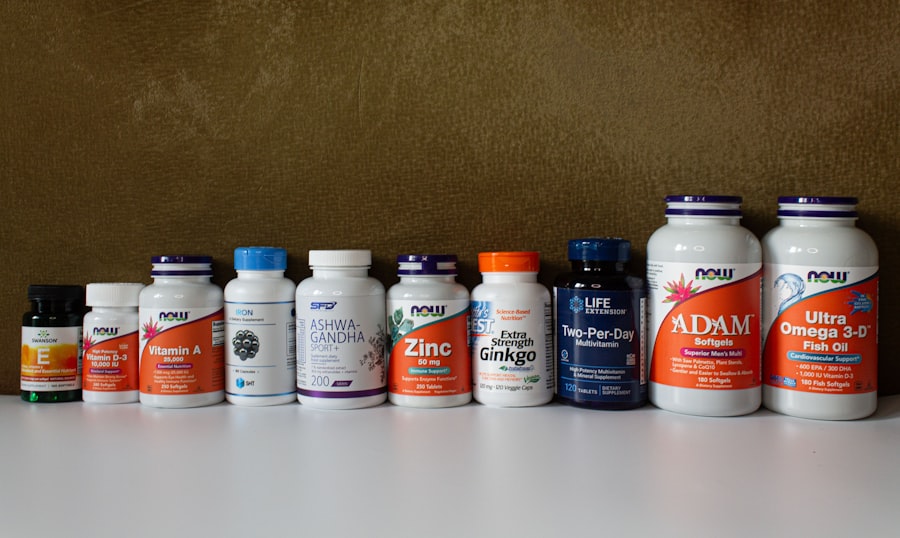
If you are considering incorporating supplements into your mental health treatment plan, it’s essential to do so in conjunction with other therapeutic options. Supplements should not replace traditional treatments such as therapy or medication but rather complement them. You might find that combining cognitive-behavioral therapy (CBT) with specific supplements enhances your overall treatment experience.
Open communication with your healthcare provider is vital when integrating supplements into your routine. They can help monitor your progress and make necessary adjustments based on your response to treatment. By taking a holistic approach that includes therapy, medication (if needed), lifestyle changes, and supplements, you can create a comprehensive plan tailored to your unique needs.
Lifestyle Changes to Support Mental Health
In addition to considering supplements, making lifestyle changes can significantly impact your mental health. You may find that incorporating regular physical activity into your routine helps alleviate symptoms of depression and anxiety. Exercise releases endorphins, which are natural mood lifters that can help combat feelings of sadness or worry.
Moreover, paying attention to your diet can also play a crucial role in supporting your mental well-being. Consuming a balanced diet rich in whole foods, fruits, vegetables, lean proteins, and healthy fats can provide your body with the nutrients it needs to function optimally. Additionally, prioritizing sleep hygiene is essential; lack of sleep can exacerbate symptoms of both depression and anxiety.
Establishing a consistent sleep schedule and creating a calming bedtime routine can help improve your overall mental health.
Seeking Professional Help for Depression and Anxiety
While exploring supplements and lifestyle changes can be beneficial, it’s essential to recognize when professional help is necessary. If you find that your symptoms are persistent or worsening despite your efforts, seeking guidance from a mental health professional is crucial. They can provide you with an accurate diagnosis and develop a tailored treatment plan that addresses your specific needs.
Therapy options such as cognitive-behavioral therapy (CBT), mindfulness-based therapy, or medication management may be recommended based on your situation. Remember that seeking help is a sign of strength; you don’t have to navigate this journey alone. By reaching out for support, you take an important step toward reclaiming your mental health and well-being.
In conclusion, understanding depression and anxiety is the first step toward managing these conditions effectively. While supplements may offer additional support in your mental health journey, they should be approached with caution and integrated thoughtfully into a comprehensive treatment plan that includes professional guidance and lifestyle changes. By prioritizing your mental well-being and seeking help when needed, you empower yourself to lead a healthier, more fulfilling life.