The Outer Hebrides
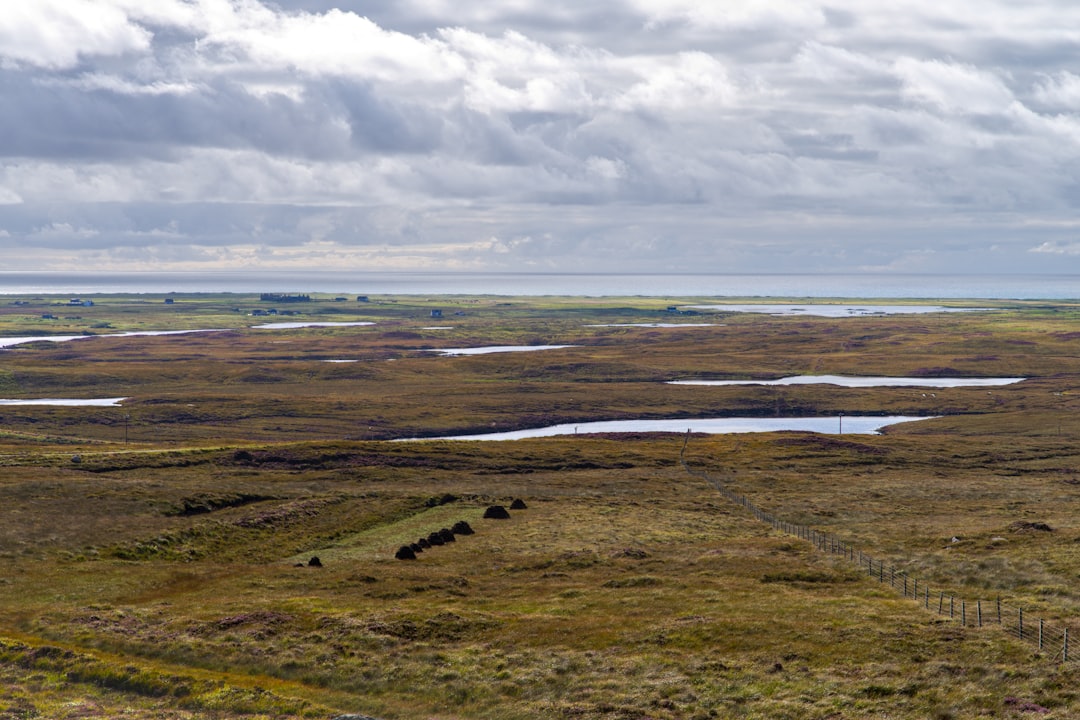
The Outer Hebrides await your exploration. Imagine a place where the relentless Atlantic meets rugged land, where ancient history whispers on the wind, and where the rhythm of life is dictated by the tides and the seasons. This archipelago, stretching west of mainland Scotland, is not just a destination; it’s an immersion. You’ve likely seen images of its dramatic landscapes – the stark beauty of its coastlines, the emerald hues of its machair, and the enduring stone circles that speak of a civilization long past. But to truly understand the Outer Hebrides, you must feel it, breathe it, and become a part of its unique tapestry.
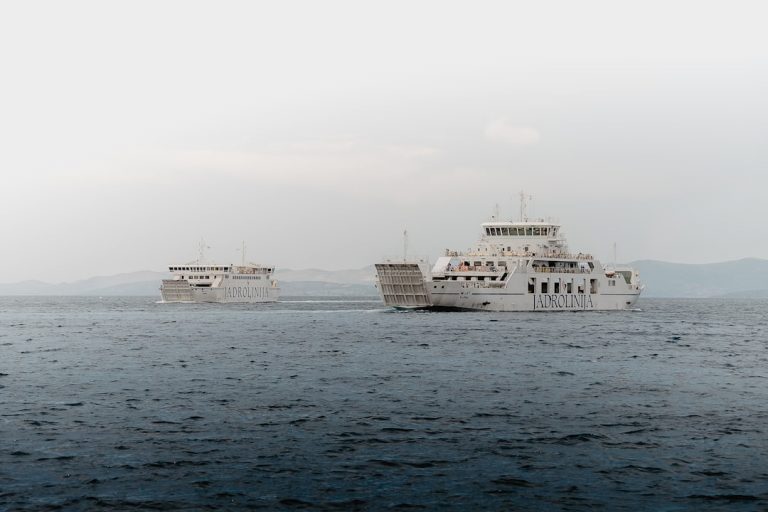
Your journey here will likely begin with a ferry crossing, a necessary ritual that separates you from the familiar and heralds your arrival into a different world. As the mainland recedes, the islands begin to emerge from the mist, their silhouettes hinting at the adventures that lie ahead. You’ll feel the salt spray on your face, the wind whipping through your hair, and a growing anticipation for the unspoiled nature that defines this remote corner of the world.
Your first encounter with the Outer Hebrides will be a sensory one. The sheer scale of the landscape, the vastness of the ocean, and the constant presence of the elements will immediately capture your attention. These islands are a testament to the raw power of nature.
The Chain of Islands: Lewis and Harris and the Southern Gems
Your exploration will likely focus on the two largest and most well-known islands, Lewis and Harris, which are geographically linked but distinct in character.
Lewis: The Northern Frontier of Culture and History
Lewis, the northernmost of the main islands, is characterized by its vast peat bogs, rugged coastlines, and ancient archaeological sites. Here, you’ll find a sense of deep history woven into the fabric of the land. Your journey through Lewis will also introduce you to its distinct Gaelic culture, evident in its language, music, and traditions.
Butt of Lewis: Where Land Meets the Infinite Ocean
As you venture to the northernmost tip of Lewis, you’ll reach the Butt of Lewis. Here, the iconic lighthouse stands as a sentinel against the powerful Atlantic winds. You can feel the immensity of the ocean stretching out before you, an unbroken expanse that connects you to distant shores. The dramatic cliffs offer breathtaking views, and the sheer force of the waves crashing against the rocks is a humbling spectacle. You’ll find yourself drawn to the raw, untamed beauty of this place, a perfect introduction to the wildness of the Hebrides.
Callanish Standing Stones: Echoes of a Prehistoric Past
No visit to Lewis is complete without experiencing the awe-inspiring Callanish Standing Stones. These megalithic monuments, dating back over 5,000 years, stand sentinel on a windswept plateau. As you walk among these ancient monoliths, you’ll feel a profound connection to the people who erected them. Imagine the rituals and ceremonies that took place here, the astronomical observations made, and the mysteries that still shroud their purpose. The sheer scale and enigmatic nature of the stones will leave you with a sense of wonder and a deep appreciation for the island’s rich history.
Harris: The Jewel of the Outer Hebrides
Separated from Lewis by a short drive or a metaphorical shift in atmosphere, Harris unfolds with a different, yet equally captivating, charm. While Lewis is about raw, untamed landscapes, Harris often surprises with its softer, more delicate beauty.
Luskentyre Beach and Scarista: Sands of a Different World
You’ll find yourself utterly captivated by the beaches of Harris, particularly Luskentyre and Scarista. These are not your typical stretches of sand. The grains here are a dazzling white, and the ocean transitions through an astonishing spectrum of blues and turquoises, resembling a tropical paradise. As you walk along these vast expanses, with the Atlantic stretching before you and the hills of Harris as a backdrop, you’ll experience a sense of peace and serenity that is rarely found. The air is clean, the silence is profound, and the sheer beauty will take your breath away.
The Golden Road: A Scenic Drive Through Crofting Communities
The “Golden Road” is a route that takes you through the heart of Harris’s remote east coast. This isn’t a straight highway; it’s a winding path that meanders through scattered crofting communities, past shimmering lochs, and alongside the dramatic coastline. As you drive, you’ll witness the traditional way of life that persists here, with small stone cottages dotting the landscape and sheep grazing peacefully. The views are ever-changing, offering glimpses of soaring eagles, seals basking on the rocks, and the ever-present grandeur of the sea.
The Southern Isles: Uist, Benbecula, Barra, and Vatersay
Beyond Lewis and Harris, a further scattering of islands awaits. These southern gems offer their own unique allure, each with its own distinct character and appeal.
The Uists: A Sanctuary of Wildlife and Wild Landscapes
The Uists – North Uist, Benbecula, and South Uist – form a contiguous string of islands famous for their rich birdlife and stunning, yet often overlooked, landscapes. You’ll find these islands to be a haven for those seeking tranquility and a deep connection with nature.
RSPB Balranald: A Haven for Waders and Wildlife
Your journey through the Uists will likely include a visit to the RSPB Balranald nature reserve on North Uist. This is a birdwatcher’s paradise, particularly in spring and summer when the machair is alive with nesting birds. You might spot wading birds like oystercatchers and ringed plovers, as well as various species of gulls and terns. The coastal walks here are also excellent for observing seals and enjoying the dramatic seascape.
Lochmaddy: A Gateway to the North Atlantic
Lochmaddy, the main ferry port on North Uist, serves as a vital hub connecting these islands to the mainland and to other parts of the archipelago. Beyond its practical function, it offers charming views of the surrounding sea and hills, and you can enjoy a moment of reflection here, perhaps savoring a cup of local tea and watching the boats come and go.
Barra and Vatersay: The Idyllic Southern Frontier
The islands of Barra and Vatersay, connected by a causeway, offer a sense of idyllic charm and a slower pace of life. These are the southernmost islands in the main chain, and they feel like a perfectly formed miniature world.
Barra Airport: A Beach Landing Experience Unlike Any Other
Perhaps the most unique feature of Barra is its airport, which is famously located on a beach. Your arrival or departure might coincide with the tide, and the experience of taking off or landing on the sand is something you won’t soon forget. It’s a testament to the island’s resourcefulness and its unwavering connection to the sea.
Vatersay: A Tranquil Escape with Stunning Vistas
Vatersay, just a short drive from Barra, offers unparalleled tranquility. The island is small, with beautiful beaches and a rugged interior. You can easily explore its entirety on foot, discovering hidden coves and enjoying panoramic views of the surrounding sea and neighboring islands. It’s the perfect place to disconnect and soak in the serene beauty of the Outer Hebrides.
Embracing the Wild: Nature’s Unspoiled Canvas
The Outer Hebrides are a sanctuary for nature. You’ll find yourself surrounded by an abundance of wildlife and landscapes that have remained largely untouched by the modern world.
The Machair: A Unique Coastal Ecosystem
One of the most distinctive features of the Outer Hebrides is the machair, a rare and precious coastal grassland that flourishes on sandy soil.
Floral Spectacle and Biodiversity Hotspot
Your visit during the spring and summer months will reveal the machair in all its glory. It’s a riot of color, carpeted with an incredible diversity of wildflowers – sea pinks, orchids, buttercups, and yellow rattle, to name just a few. This vibrant ecosystem is not only visually stunning but also crucial for the survival of many bird species, particularly ground-nesting birds. As you walk across the machair, you’ll hear the buzzing of insects and the calls of birds, a symphony of life that defines this special environment.
Marine Life: The Atlantic’s Abundant Offerings
The waters surrounding the Outer Hebrides are teeming with life. You might have the opportunity to witness some of the ocean’s most magnificent creatures.
Seabird Colonies and Whales of the Atlantic
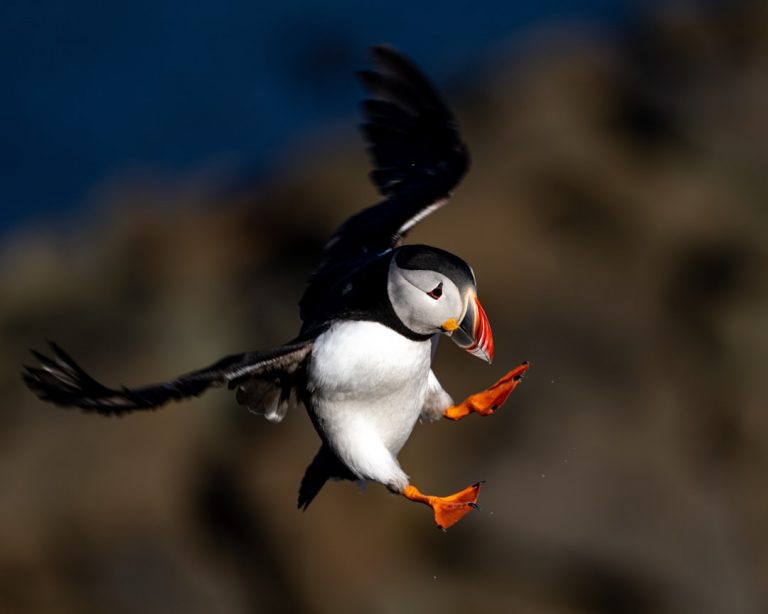
The sheer cliffs of the islands are home to vast seabird colonies. Watching thousands of puffins, gannets, kittiwakes, and guillemots nesting and diving into the sea is an unforgettable sight. In the deeper waters, you might be lucky enough to spot dolphins, porpoises, and even large whales, such as minke whales and basking sharks. Boat trips are often available, offering you the chance of a closer encounter with these incredible marine mammals.
The Elements: Wind, Rain, and Sunshine
You cannot discuss the nature of the Outer Hebrides without acknowledging the powerful influence of the elements. The weather here is a character in itself.
The Ever-Changing Sky and the Gift of Dramatic Light
The sky is a constant source of fascination. You’ll witness dramatic shifts in light and color, from the soft glow of dawn to the fiery hues of sunset. Rain showers can quickly give way to brilliant sunshine, creating stunning rainbows that arch across the landscape. The wind, a constant companion, shapes the land and influences the mood of the islands. Be prepared for all types of weather; it’s all part of the authentic Hebridean experience.
A Deep Dive into History and Heritage
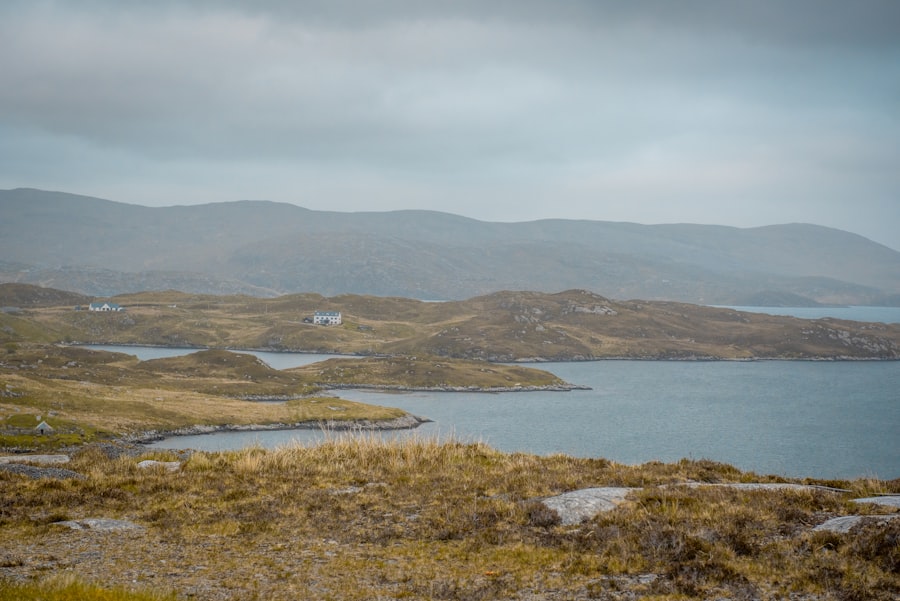
The Outer Hebrides are steeped in a history that stretches back millennia, from prehistoric settlements to the enduring legacy of Gaelic culture.
Prehistoric Marvels: Monuments to Ancient Civilizations
Long before written records, people inhabited these islands, leaving behind an impressive collection of historical sites.
Skara Brae (Orkney) and the Neolithic Heritage of the North (A Note on Proximity)
While Skara Brae is located in the Orkney Islands, its existence highlights the rich Neolithic heritage found in Scotland’s northern isles, including the Outer Hebrides. The islands share a common thread of ancient human ingenuity and connection to the land. You’ll find similar echoes of this early human presence in the archaeological sites scattered across Lewis and Harris.
Broch Sites: The Enduring Strength of Iron Age Fortifications
Throughout the Outer Hebrides, you’ll encounter the remains of Brochs, impressive circular stone towers dating back to the Iron Age. These structures, built for defense or habitation, stand as testament to the resourcefulness and engineering skills of ancient peoples. Exploring these sites allows you to imagine life in a very different time.
The Enduring Spirit of Gaelic Culture
The Gaelic language and culture remain a vibrant force in the Outer Hebrides, shaping its identity and traditions.
Gaelic Language and Dialect: A Living Heritage
You’ll hear Gaelic spoken by many islanders, and its influence can be seen in place names and local expressions. While English is widely spoken, a conscious effort is made to preserve and promote the Gaelic language. Visiting the islands offers you a chance to connect with this unique linguistic heritage.
Traditional Music and Dance: The Pulse of the Islands
The soul of the Outer Hebrides can be found in its traditional music and dance. From lively ceilidhs to haunting Gaelic songs, the islands possess a rich musical tradition. You might have the opportunity to experience live music in a local pub or attend a Gaelic arts event, where you can feel the passion and storytelling embedded in the music.
The Crofting Way of Life: A Resilient Tradition
Crofting, a unique system of small-scale landholding, has shaped the social and economic landscape of the Outer Hebrides for centuries. You’ll see its imprint on the land, with small fields and cottages scattered throughout the islands. While facing modern challenges, the spirit of crofting endures, embodying a deep connection to the land and a resilient way of life.
Experiencing the Culture: Island Life and Local Encounters
To truly appreciate the Outer Hebrides, you must engage with its people and immerse yourself in its unique way of life.
Warm Hospitality and Island Communities
The islanders are known for their warmth and welcoming nature. You’ll find yourself easily striking up conversations and experiencing a genuine sense of community.
The Pace of Life: Slowing Down and Savoring the Moment
Life in the Outer Hebrides moves at a different pace. Here, you’ll be encouraged to slow down, to appreciate the simple things, and to savor each moment. The relentless demands of modern life seem to fade away, replaced by a sense of calm and contentment.
Local Crafts and Produce: Taste the Islands
You’ll discover a wealth of local crafts, from the world-renowned Harris Tweed to intricate knitwear and pottery. Supporting these local artisans allows you to take a tangible piece of the Hebrides home with you. The islands also produce delicious seafood, lamb, and other local delicacies. Seek out opportunities to sample these culinary delights – you won’t be disappointed.
Engaging with the Island Spirit
Your experiences here will be shaped by your willingness to engage with the local culture and traditions.
Visiting Local Shops and Information Centres
When you visit local shops, you’re not just buying souvenirs; you’re supporting the island economy and often having a chance to chat with the owners. The local information centres are invaluable resources for learning about events, activities, and the history of the islands.
Attending Local Events and Festivals
If your visit coincides with a local event or festival, seize the opportunity! These gatherings are a vibrant celebration of island life, often featuring traditional music, dance, food, and a strong sense of community spirit. They offer a unique insight into the heart and soul of the Outer Hebrides.
Planning Your Hebridean Adventure: Practical Considerations
To ensure your journey is as smooth and enjoyable as possible, a little planning goes a long way.
Getting There: Ferry Services and Flights
Your primary options for reaching the Outer Hebrides are ferry services or flights.
Caledonian MacBrayne Ferries: Connecting the Isles
Caledonian MacBrayne (CalMac) operates the ferry services connecting the Outer Hebrides to the Scottish mainland and between the islands. You’ll likely use a CalMac ferry for your main journey. It’s advisable to book your ferry crossing in advance, especially during peak season, as they can get busy. The ferry journey itself is an integral part of the experience, offering stunning coastal views and a chance to acclimatize to the island atmosphere.
Flights to Stornoway and Benbecula: Speeding Your Arrival
For a quicker journey, you can fly to Stornoway Airport on Lewis or Benbecula Airport. These flights depart from several Scottish cities, including Glasgow, Edinburgh, and Inverness. While faster, flying means you miss out on the scenic ferry experience.
Accommodation: From Cosy Cottages to Bed & Breakfasts
You’ll find a range of accommodation options to suit your needs and budget.
Self-Catering Cottages: Your Home Away From Home
Renting a self-catering cottage is an excellent option, especially if you plan to stay for a longer period or are traveling with family or friends. It offers flexibility and the opportunity to truly live like a local. Many cottages boast incredible sea views.
Bed & Breakfasts and Hotels: Warm Hospitality
For a more traditional experience, consider the numerous bed and breakfasts (B&Bs) and hotels available across the islands. These often provide a personal touch and a wealth of local knowledge from your hosts.
Getting Around: Car Hire, Buses, and Walking
Navigating the Outer Hebrides requires a little thought.
Car Hire: The Freedom to Explore
Hiring a car is highly recommended for exploring the islands at your own pace. It gives you the freedom to venture off the beaten path and discover hidden gems. Roads are generally well-maintained but can be narrow and winding in places.
Public Transport: Buses and Island Hopping
A limited bus service operates on the islands, connecting the main towns and villages. If you’re planning to island hop without a car, familiarize yourself with the bus timetables. Walking and cycling are also fantastic ways to experience the islands, especially for shorter distances and exploring specific areas.
Essential Packing: Be Prepared for the Elements
The Hebridean weather can be unpredictable, so packing wisely is crucial.
Layers and Waterproofs: Your Best Friends
You’ll want to pack layers of clothing that you can add or remove as the weather changes. Waterproof and windproof outer layers are essential for both clothing and footwear. Sturdy walking boots are a must if you plan to explore the great outdoors.
Sun Protection and Insect Repellent
While known for its rain, the Hebrides can also experience bright sunshine, so don’t forget sun protection. In the warmer months, midges can be a nuisance, particularly in the evenings. Bringing insect repellent is a wise precaution.
Leaving the Islands: A Lasting Impression
As your time in the Outer Hebrides draws to a close, you’ll carry with you memories that will linger long after you’ve departed. The wild beauty of the landscapes, the warmth of the people, and the profound sense of peace you’ve experienced will have left an indelible mark.
You’ve witnessed ancient stones that whisper tales of the past, walked on beaches that rival any tropical paradise, and breathed in the purest air. You’ve felt the invigorating spray of the Atlantic and the gentle embrace of the island communities. The Outer Hebrides are not a place you simply visit; they are a place that stays with you, a reminder of the raw beauty, the enduring spirit, and the untamed power of nature. You’ll find yourself already planning your return, drawn back to the spellbinding allure of these magnificent islands.