
Meal Prep for Beginners: Easy Nutrition Tips for Busy People
I’ve always been a bit of a whirlwind, juggling work, a social life, and trying to squeeze in some exercise whenever I can. For years, this fast-paced lifestyle meant my diet often took a backseat. I’d grab whatever was quick and convenient, which was rarely the healthiest option. I found myself in a cycle of sporadic eating, energy crashes, and feeling constantly behind on my nutritional goals. That all changed the day I discovered meal prepping. It felt like an epiphany, a simple yet powerful solution to my dietary woes. I’m no nutritionist, but I’ve learned a lot through trial and error, and I’m here to share my journey and the invaluable tips I’ve picked up along the way, especially for fellow busy folks who are just starting out.
Before diving into the “how-to,” I want to emphasize why meal prepping has become such a cornerstone of my routine. It’s not just about food; it’s about reclaiming time, reducing stress, and making consistent, healthy choices effortless.
Reclaiming Precious Time
I used to spend countless hours every week agonizing over dinner, rummaging through my fridge for ingredients, and then cleaning up after a frantic cooking session. With meal prep, I dedicate a few focused hours, usually on a Sunday, to batch cook and assemble. This frees up my evenings during the week, allowing me more time for hobbies, relaxation, or catching up with loved ones. It’s a game-changer when you feel like you’re constantly running against the clock.
Reducing Decision Fatigue
One of the biggest culprits of unhealthy eating, I’ve found, is decision fatigue. After a long day of making decisions at work, the last thing I want to do is figure out what to cook. Meal prep eliminates this entirely. My pre-portioned meals are ready to grab and go, taking the guesswork out of my daily eating. This mental clarity is invaluable, and I truly believe it contributes to better choices throughout the day.
Consistently Eating Healthier
When I had no plan, my diet was a rollercoaster. High-fat, high-sugar take-out was the easy default. Now, with a fridge full of nutritious, homemade meals, I’m consistently eating balanced and wholesome food. I’m fueling my body with what it needs, and I’ve seen a noticeable improvement in my energy levels, my skin, and even my mood. It’s hard to make a bad choice when all your good choices are already prepared!
If you’re looking to enhance your meal prep skills while managing a busy lifestyle, you might also find inspiration in our related article on outdoor adventures. Exploring new places can motivate you to try fresh ingredients and diverse recipes. Check out the article on the 50 Best Countries for Outdoor Adventures to discover how outdoor experiences can influence your culinary creativity and meal planning.
Getting Started: The Absolute Basics
Embarking on a meal prep journey can feel daunting at first, especially when you see perfectly curated Instagram feeds. But trust me, it doesn’t have to be complicated. My philosophy is to start small, keep it simple, and build from there.
Define Your “Why”
Before you even think about ingredients, I encourage you to define your personal “why.” Are you trying to save money? Eat healthier? Lose weight? Gain muscle? Reduce stress? Knowing your motivation will keep you dedicated when the initial enthusiasm wanes. For me, it was a combination of saving money and improving my overall health.
Start Small and Be Realistic
Don’t try to meal prep every single meal for the entire week on your first try. That’s a recipe for burnout. I started by prepping just my lunches for the work week. Once I got comfortable with that, I added in dinners. Maybe you choose to prep only your breakfasts, or just your snacks. The key is to pick a manageable goal and achieve it, building confidence as you go. Rome wasn’t built in a day, and neither is a perfectly prepped fridge.
Gather Your Tools
You don’t need a professional chef’s kitchen, but a few key items will make your life much easier.
Essential Kitchen Equipment
- A good set of knives: Sharp knives make chopping a breeze and reduce prep time.
- Cutting boards: Multiple, for separating raw meats from fresh produce.
- Large mixing bowls: For combining ingredients and tossing salads.
- Sheet pans: Excellent for roasting vegetables and proteins simultaneously.
- Large pots and pans: For cooking grains, soups, and stir-fries in bulk.
Storage Solutions Are Key
- Airsight containers: These are non-negotiable. Glass is my personal preference as it’s microwave and oven safe, and doesn’t stain or retain odors. However, good quality BPA-free plastic containers work well too, especially if you’re worried about breakage. Look for various sizes and stackable options.
- Silicone freezer bags/reusable bags: Great for freezing individual portions of soups, stews, or even pre-portioned smoothie ingredients.
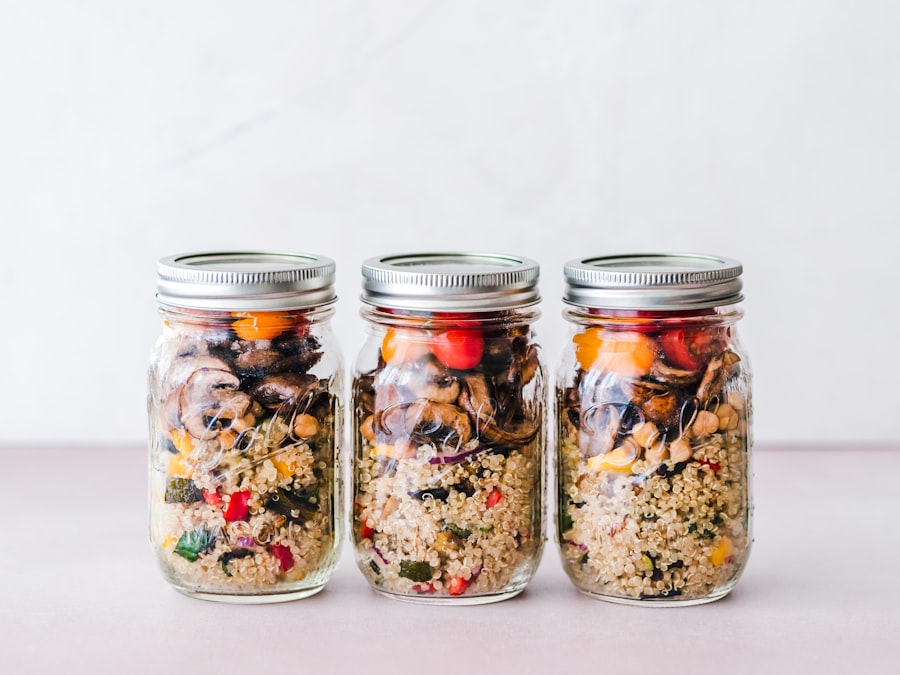
- Mason jars: Perfect for overnight oats, yogurt parfaits, or layered salads.
Planning Your Prep: A Strategic Approach
Once I had my motivation and basic tools, I realized that planning was the secret sauce to efficient meal prep. Without a plan, I’d inevitably end up staring blankly into my fridge, wasting precious time.
Choose Your Recipes Wisely
This is where many beginners get overwhelmed. I recommend starting with simple, forgiving recipes. Think about dishes that reheat well and can be easily scaled up.
Focus on Components, Not Just Full Meals
Instead of thinking “I need to make five different meals,” I often think “I need a protein, a carb, and a vegetable.” I can then mix and match these components throughout the week. For example, I might cook a big batch of chicken breasts, roast a tray of sweet potatoes, and steam a large head of broccoli. One day, it’s chicken, sweet potato, and broccoli. The next, the chicken might go into a salad with leafy greens I chopped earlier. This flexibility keeps things interesting and prevents boredom.
Embrace Repetition (Initially!)
Don’t be afraid to eat the same meal a few times a week. When you’re starting, the goal is consistency and habit formation. As you get more comfortable, you can introduce more variety. I often rotate between 2-3 main meal prep recipes per week.
Quick and Easy Recipe Ideas
- Grilled chicken/fish with roasted vegetables: Simple, versatile, and packed with nutrients.
- Lentil soup/chili: Hearty, freezes well, and can be easily customized.
- Quinoa bowls: Cook a big batch of quinoa and add different toppings throughout the week (roasted veggies, beans, a fried egg, avocado).
- Overnight oats: A perfect grab-and-go breakfast that requires no cooking in the morning.
- Sheet pan meals: Toss protein and veggies with seasonings on a single sheet pan, roast, and you’re done!
Create a Grocery List
Once your recipes are chosen, consolidate all the ingredients into one comprehensive grocery list. This prevents multiple trips to the store and ensures you don’t forget anything crucial. I organize my list by sections of the grocery store (produce, dairy, pantry, meat) to make shopping more efficient.
Schedule Your Prep Day
Designate a specific block of time for your meal prep. For me, Sunday afternoons work best. I set aside 2-3 hours. Treat this time as non-negotiable. Put on some music, listen to a podcast, or watch your favorite show while you work. Making it an enjoyable experience will make you more likely to stick with it.
The Art of Efficient Prep: My Step-by-Step Guide
Once all the planning is done, the actual cooking process can be incredibly streamlined. I’ve developed a workflow that helps me maximize my time and minimize chaos in the kitchen.
The “Mise en Place” Mentality
This French culinary term means “everything in its place.” Before I even turn on the stove, I get everything ready.
Wash and Chop All Produce First
This is a game-changer. I wash and chop all my vegetables (onions, garlic, carrots, celery, bell peppers, broccoli florets, etc.) at once. This way, when I’m actually cooking, I’m not stopping to chop midway through a recipe. I store these pre-prepped veggies in airtight containers until needed.
Measure Out Dry Ingredients
If a recipe calls for specific amounts of spices, grains, or flours, I measure them out beforehand and have them ready. This prevents me from fumbling around with measuring cups while juggling hot pans.
Batch Cooking Tactics
This is where the magic happens – cooking larger quantities of food that can be portioned out.
Multitasking with Appliances
I utilize all my kitchen appliances simultaneously. While rice or quinoa is cooking on one burner, I might have chicken roasting in the oven on a sheet pan, and a pot of soup simmering on another burner. This dramatically reduces the overall cooking time.
Cook Proteins in Bulk
Whether it’s baking a large tray of chicken breasts, sautéing ground turkey, or cooking a big batch of lentils, preparing your protein in bulk is a huge time-saver. These can then be added to various meals.
Roast Vegetables Together
Most vegetables roast at similar temperatures. I chop a variety of my favorites (broccoli, bell peppers, zucchini, sweet potatoes, Brussels sprouts) toss them with olive oil and seasonings, and roast them all on one or two sheet pans.
Assembly Line Approach
Once everything is cooked, it’s time for assembly. Think of it like a mini-factory.
Portion Out Immediately
As soon as food is cool enough, I portion it directly into my meal prep containers. This prevents me from having to reheat a giant pot of food, then portion, and then cool again. It also helps with portion control.
Layer Components Strategically
For meals like salads or bowls, I layer ingredients to maintain freshness. For example, dressing goes at the bottom of a mason jar, then hardier vegetables, then grains/protein, and finally, delicate greens on top. This prevents greens from getting soggy.
Label and Store Properly
I use a small piece of painter’s tape and a marker to label my containers with the meal and the date it was prepped. This helps me keep track of freshness. Most meals are good for 3-4 days in the refrigerator. For longer storage, I freeze portions immediately.
If you’re looking to streamline your meal prep process even further, you might find it helpful to explore the concept of planning ahead for your travels. A related article on planning a road trip offers valuable insights on how to maintain healthy eating habits while on the go. This can complement your meal prep efforts by ensuring that you stay nourished, no matter where life takes you. For more information, check out this helpful guide on planning a road trip.
Tips for Long-Term Success & Avoiding Burnout
Meal prepping is a marathon, not a sprint. I’ve learned that consistency is key, but so is flexibility and knowing when to give myself a break.
Embrace Seasonality and Variety
Eating the same thing every single week can lead to boredom and feelings of restriction. I try to incorporate seasonal produce into my meals. This keeps things fresh, often saves money, and introduces new flavors. Don’t be afraid to experiment with new spices or cooking methods.
Don’t Be Afraid to Use Shortcuts
While I love cooking from scratch, I’m also a realist. Sometimes, convenience products are a lifesaver.
Smart Convenience Foods
- Pre-chopped vegetables: While slightly more expensive, they can save significant time on a busy week.
- Rotisserie chicken: A super quick protein source that can be shredded for salads, sandwiches, or grain bowls.
- Canned beans/lentils: Rinse them well and they’re ready to go into soups, salads, or chilis.
- Frozen fruits and vegetables: Just as nutritious as fresh, and excellent for smoothies or quick stir-fries.
Adjust and Adapt Regularly
My meal prep isn’t static. It evolves based on my schedule, my cravings, and my goals. If I have a particularly busy week, I might simplify my prep even further. If I’m feeling creative, I’ll try a new recipe. The point is not to follow a rigid plan that makes you miserable, but to find a sustainable system that works for you.
Listen to Your Body
One of the greatest benefits of meal prepping is that it makes me more attuned to what my body needs. I’m eating whole, nutritious foods, and I can better gauge my hunger and satiety cues. Don’t be afraid to adjust portion sizes based on your activity level and individual needs.
Meal prepping has profoundly impacted my life. It’s given me more control over my nutrition, freed up my evenings, and significantly reduced my daily stress. It’s a journey that started with small steps, a few simple containers, and a desire for a healthier, more organized existence. If I, a perpetually busy individual, can make it work, I genuinely believe anyone can. So, take the leap, start small, and enjoy the incredible benefits that come with nourishing your body and simplifying your life.