The Power of Protein: Foundation for Weight Loss
The Power of Protein: Foundation for Weight Loss
We’ve all been there. The desire to shed a few pounds, to feel more energetic, to fit into those clothes that have been gathering dust in the back of our closets. We embark on diets, we cut calories, we try to outrun our cravings, and often, we find ourselves frustrated by slow progress or the inevitable rebound. But what if we’ve been overlooking a fundamental building block, a culinary cornerstone that could dramatically shift our weight loss journey in our favor? We’re talking about protein, and its power as the absolute foundation for sustainable and effective weight loss.
Why Protein Reigns Supreme in Our Weight Loss Arsenal
For too long, the narrative around weight loss has been dominated by restriction – the fewer calories we consume, the more weight we lose. While calorie deficit is undeniably crucial, the quality of those calories, and specifically the macronutrient breakdown, can make or break our success. And when it comes to making our bodies work for us in the pursuit of a healthier weight, protein takes center stage. It’s not just about feeling full; it’s about how protein fundamentally influences our metabolism, our muscle mass, and our hormonal balance, all of which are intricately linked to our ability to lose and maintain weight.
The Satiety Superpower: Keeping Hunger at Bay
One of the most immediate and impactful benefits we experience when we prioritize protein in our diet is its profound effect on satiety. We’ve all encountered that gnawing hunger that strikes mere hours after a carb-heavy meal, driving us back to the snack drawer. Protein, however, has a remarkable ability to keep us feeling fuller for longer. This isn’t just anecdotal; scientific research consistently shows that protein has a significantly higher thermic effect compared to carbohydrates and fats, meaning our bodies expend more energy digesting it. Furthermore, protein influences the release of hunger-regulating hormones like ghrelin and leptin, effectively putting the brakes on those disruptive cravings that often lead us astray from our weight loss goals. When we feel satisfied, we’re less likely to overeat, we make better food choices, and we naturally reduce our overall calorie intake without feeling deprived. This sustained feeling of fullness is a game-changer for our adherence to a healthy eating plan, making the journey feel less like a battle against ourselves and more like a natural progression.
The Hormonal Symphony of Satiety
Digging deeper into the science, we find that protein triggers the release of satiety hormones like cholecystokinin (CCK) and glucagon-like peptide-1 (GLP-1). These hormones signal to our brain that we are full, slowing down the emptying of our stomach and reducing our desire to eat. Conversely, carbohydrate-rich meals, especially refined ones, can lead to rapid spikes and subsequent crashes in blood sugar, often triggering a surge in ghrelin, the “hunger hormone,” leaving us feeling ravenous. By incorporating protein, we are essentially creating a more stable hormonal environment that supports our weight loss efforts. We’re not just filling our stomachs; we’re orchestrating a complex hormonal symphony that favors fullness and discourages overconsumption.
Beyond the Fullness Factor: The Psychological Edge
The impact of protein on satiety extends beyond the purely physiological. When we’re not constantly battling hunger pangs and the overwhelming urge to snack, our mental state improves. We experience less irritability, better concentration, and a greater sense of control over our food choices. This psychological edge is invaluable, as it allows us to approach our weight loss journey with a more positive and empowered mindset. Instead of feeling like we’re constantly fighting against our own bodies, we feel a sense of partnership, where our dietary choices are actively working to support our well-being.
For those looking to delve deeper into the role of nutrition in weight management, a related article titled “The Importance of Protein for Weight Loss: Why It Should Be the Foundation of Your Diet” can provide valuable insights. This piece emphasizes how incorporating adequate protein into your meals can enhance satiety and support muscle maintenance during weight loss. To explore more about wellness and nutrition, you can visit this link for additional resources and articles.
Building and Preserving Muscle Mass: The Metabolism Multiplier
Another critical role protein plays in our weight loss journey is its indispensable contribution to building and preserving muscle mass. Often, when we reduce our calorie intake, our bodies can also start to break down muscle tissue for energy. This is a detrimental outcome because muscle is metabolically active tissue; it burns calories even at rest. Therefore, the more muscle we have, the higher our resting metabolic rate, meaning we burn more calories throughout the day, simply by existing. Prioritizing protein ensures that our bodies have the necessary building blocks to maintain and even build lean muscle, even when we are in a calorie deficit. This not only aids in fat loss but also sculpts a more toned and defined physique.
The Lean Muscle Advantage: Fueling Fat Loss
When we engage in calorie restriction without adequate protein intake, we risk losing not only fat but also precious muscle mass. This is counterproductive to our weight loss goals. Muscle tissue is far more metabolically active than fat tissue. This means that for every pound of muscle we have, we burn significantly more calories at rest compared to a pound of fat. By consuming enough protein, we signal to our bodies that muscle preservation is a priority. This allows us to lose fat more efficiently while maintaining or even increasing our lean muscle mass, thereby boosting our overall metabolic rate. A higher metabolic rate translates to more calories burned throughout the day, making it easier to create the necessary calorie deficit for fat loss and contributing to a more sustainable weight loss.
Protein as the Building Blocks for Muscle Repair and Growth
Our muscles are constantly undergoing a cycle of breakdown and repair, especially when we engage in physical activity, which we should, as part of our weight loss strategy. Protein provides the essential amino acids, the fundamental building blocks, that our bodies need to repair damaged muscle fibers and to synthesize new muscle tissue. Without sufficient protein, this repair and growth process is severely hampered. This can lead to decreased strength, longer recovery times, and ultimately, a slower metabolism as our bodies lose that valuable muscle mass. Therefore, consuming adequate protein is not just about satisfying hunger; it’s about investing in our body’s ability to rebuild and strengthen itself, optimizing our metabolism for long-term success.
The Metabolic Boost: Burning More Calories Without Even Trying
The preservation and growth of muscle mass directly translates to a higher resting metabolic rate (RMR). RMR is the number of calories our body burns at rest to maintain basic bodily functions like breathing, circulation, and cell production. By increasing our lean muscle mass through adequate protein intake and exercise, we effectively turn our bodies into more efficient calorie-burning machines. This means that even when we are sitting at our desks, sleeping, or engaging in light daily activities, we are burning more calories than we would with less muscle. This metabolic advantage is a significant factor in achieving and maintaining a healthy weight, as it makes the calorie deficit required for weight loss more attainable and less reliant on extreme dietary restrictions.
The Thermic Effect of Food: Protein as a Calorie Burner
Beyond its role in satiety and muscle maintenance, protein itself requires more energy to digest, absorb, and metabolize compared to carbohydrates and fats. This phenomenon is known as the thermic effect of food (TEF), and protein boasts the highest TEF among the macronutrients. This means that when we consume protein, a portion of the calories from that protein is actually burned off as heat during the digestion process. While this might seem like a small contribution, when it’s a consistent part of our diet, the cumulative effect can be significant in contributing to a calorie deficit, further supporting our weight loss efforts.
Understanding the TEF: How Protein Aids in Calorie Expenditure
The thermic effect of food (TEF) refers to the calories our body expends to digest, absorb, metabolize, and store the nutrients from the food we eat. Different macronutrients have varying TEFs. Carbohydrates have a TEF of about 5-10%, fats have a TEF of about 0-3%, and protein has a significantly higher TEF, ranging from 20-30%. This means that for every 100 calories of protein we consume, our body uses approximately 20-30 of those calories just to process it. While this might not sound like a massive amount on its own, consider the cumulative effect over multiple meals and days. This increased calorie expenditure, purely from the act of digesting protein, contributes to a greater overall calorie deficit, making it easier to achieve our weight loss goals. It’s like getting a little metabolic boost with every protein-rich meal.
Maximizing Calorie Burn Through Strategic Protein Consumption
By strategically incorporating protein into our meals, we can effectively leverage the TEF to our advantage. Spreading our protein intake throughout the day, rather than consuming it all in one sitting, can lead to a more consistent elevation of our metabolic rate. This means that our bodies are continually working a little harder to digest and process our food, contributing to a greater daily calorie burn. Furthermore, pairing protein with other macronutrients in balanced meals can enhance the overall TEF of the meal. This means that a meal rich in protein, accompanied by complex carbohydrates and healthy fats, will generally have a higher TEF than a meal dominated by refined carbohydrates or fats alone.
The Subtle Yet Significant Impact on Daily Energy Expenditure
While the TEF of protein might not be the sole driver of weight loss, its subtle yet significant impact on our daily energy expenditure cannot be overlooked. In the context of a comprehensive weight loss strategy that includes calorie awareness and physical activity, the added calorie burn from protein digestion can be the tipping point that makes the difference between stagnant progress and steady, consistent fat loss. It’s a passive benefit that works in our favor, requiring no extra effort on our part beyond simply choosing to include protein in our diet. This makes protein a highly efficient tool in our weight loss arsenal, offering a continuous advantage without demanding additional time or exertion.
Blood Sugar Stability: Curbing Cravings and Preventing Fat Storage
Another often-underestimated benefit of prioritizing protein is its role in stabilizing blood sugar levels. Unlike refined carbohydrates, which can cause rapid spikes and subsequent crashes in blood glucose, protein has a minimal impact on blood sugar. This stability is crucial for several reasons. Firstly, it helps to prevent the energy crashes and intense cravings that often accompany blood sugar fluctuations, making it easier to stick to healthy eating patterns. Secondly, stable blood sugar levels help to regulate insulin, a hormone that plays a significant role in fat storage. By keeping insulin levels in check, we reduce the likelihood of our bodies converting excess calories into stored fat.
The Insulin Connection: How Protein Modulates Fat Storage
Insulin is a hormone released by the pancreas in response to elevated blood glucose levels. Its primary role is to help transport glucose from the bloodstream into our cells for energy. However, when blood glucose levels are consistently high, for example, after consuming a meal rich in refined carbohydrates, the body releases more insulin. Chronically elevated insulin levels can promote fat storage and hinder fat breakdown. Protein, on the other hand, has a much lower impact on insulin secretion. By incorporating protein into our meals, we can create a more gradual and sustained release of glucose into the bloodstream, leading to more moderate insulin responses. This helps to prevent the drastic insulin spikes that encourage fat storage and promotes a metabolic environment that is more conducive to fat burning.
Avoiding the Crash: Protein’s Role in Preventing Energy Slumps
We’ve all experienced the dreaded post-lunch slump, that wave of fatigue and brain fog that hits after a meal heavy in simple carbohydrates. This is a direct consequence of blood sugar fluctuations. When we consume refined carbs, our blood sugar spikes rapidly, leading to a surge of insulin to bring it back down. This can result in an overshoot, causing blood sugar to drop too low, leading to fatigue, irritability, and an overwhelming urge to reach for sugary snacks to boost our energy levels. Protein, by contrast, digests more slowly and has a minimal impact on blood sugar. This leads to a more gradual and sustained release of energy, helping us to avoid these disruptive energy slumps and maintain consistent focus and productivity throughout the day. This uninterrupted energy flow is vital for maintaining our motivation and consistency in our weight loss efforts.
The Craving Crusher: Protein’s Impact on Appetite Hormones Revisited
Our earlier discussion on satiety touched upon the hormonal interplay. Now, let’s re-examine this through the lens of blood sugar stability. When our blood sugar plummets, our body often interprets this as a sign of starvation, triggering the release of ghrelin, the hunger hormone. This can lead to intense cravings, often for quick-fix sugary or high-carbohydrate foods. By stabilizing our blood sugar with protein, we effectively mute these hormonal alarm bells. The steady release of glucose prevents the sharp drops that trigger ghrelin, thereby reducing the intensity and frequency of cravings. This ability to naturally suppress cravings is a powerful asset in preventing impulsive eating and sticking to our planned meals, making the journey to a healthier weight feel significantly more manageable.
In exploring the significance of protein for weight loss, it’s also beneficial to consider how different dietary approaches can enhance your overall health journey. A related article discusses the culinary delights and nutritional benefits of traditional Transylvanian cuisine, which often emphasizes protein-rich ingredients. You can read more about this fascinating topic and discover how these dishes can complement your weight loss goals by visiting this link.
Protein Quality and Quantity: Making Smart Choices for Maximum Impact
Understanding the power of protein is the first step; knowing how to harness it effectively is the next. This involves not only increasing our protein intake but also paying attention to the quality of the protein sources we choose and ensuring we’re consuming sufficient amounts to reap the full benefits. Not all protein sources are created equal, and understanding these nuances will allow us to optimize our nutrition for weight loss.
The Importance of Complete Proteins: Amino Acid Synergy
Proteins are made up of building blocks called amino acids. There are 20 different amino acids, nine of which are considered “essential” because our bodies cannot produce them on their own; we must obtain them from our diet. Complete proteins are those that contain all nine essential amino acids in adequate amounts. Animal-based protein sources like meat, poultry, fish, eggs, and dairy are typically complete proteins. For individuals who follow vegetarian or vegan diets, it’s crucial to combine different plant-based protein sources throughout the day to ensure they are getting a full spectrum of essential amino acids. Examples include pairing legumes with grains (like rice and beans) or nuts and seeds with legumes. Consuming complete proteins ensures our bodies have all the necessary components to build and repair tissues, including muscle, which is vital for our metabolic health and weight loss.
Animal-Based Protein Sources: Nutrient-Dense Options
When we think about protein, animal-based sources often come to mind first, and for good reason. Meats, poultry, fish, eggs, and dairy products are excellent sources of complete protein, meaning they provide all nine essential amino acids our bodies need. Lean cuts of meat, skinless poultry, and fatty fish like salmon are particularly beneficial as they offer high-quality protein along with essential nutrients like iron, zinc, and omega-3 fatty acids. Eggs are a nutritional powerhouse, offering a readily digestible protein source packed with vitamins and minerals. Dairy products, such as Greek yogurt and cottage cheese, are not only high in protein but also provide calcium and other beneficial compounds. Incorporating a variety of these sources into our meals ensures we are getting a wide array of nutrients that support overall health and well-being, crucial for a sustainable weight loss journey.
Plant-Based Protein Powerhouses: Building a Balanced Vegan/Vegetarian Approach
For those of us who choose to exclude or limit animal products, plant-based protein sources can absolutely form the foundation of a successful weight loss plan. The key lies in understanding how to combine them to achieve a complete amino acid profile. Legumes, such as beans, lentils, and peas, are rich in protein and fiber, contributing significantly to satiety. Grains, especially whole grains like quinoa, oats, and brown rice, provide essential amino acids. Nuts and seeds, while also calorie-dense, are excellent sources of protein, healthy fats, and fiber. By strategically combining these plant-based foods throughout the day – for instance, having a lentil soup with whole-grain bread, or a salad topped with quinoa, beans, and seeds – we can ensure we are meeting our essential amino acid requirements. Tofu, tempeh, and edamame are also fantastic, versatile plant-based protein options that are complete proteins on their own.
Quantifying Protein Intake: Finding Our Ideal Range
Determining the right amount of protein for our individual weight loss goals is crucial. While general recommendations exist, our specific needs can vary based on factors like activity level, age, and metabolic rate. However, a common guideline for individuals aiming for weight loss is to consume between 0.8 to 1.2 grams of protein per kilogram of body weight. For those who are highly active or looking to build significant muscle, this range might even extend higher. It’s about ensuring we’re providing our bodies with enough protein to support muscle maintenance and satiety without overdoing it, which could lead to unnecessary calorie surplus.
The 0.8 to 1.2 Grams Per Kilogram Guideline: A Starting Point
As a general rule of thumb, for individuals aiming for weight loss, a protein intake of 0.8 to 1.2 grams of protein per kilogram of body weight is a widely recommended starting point. To calculate this for ourselves, we first need to know our weight in kilograms (if we measure in pounds, we divide by 2.2). For example, if we weigh 70 kilograms, our target protein intake would be between 56 grams (70 x 0.8) and 84 grams (70 x 1.2) per day. This range is designed to provide sufficient protein to support muscle preservation, promote satiety, and contribute to a higher metabolic rate, all of which are key for effective fat loss. It’s important to note that this is a general guideline, and individual needs may vary.
Tailoring Protein Intake to Activity Levels and Goals
Our activity level plays a significant role in our protein requirements. If we are incorporating regular exercise, especially strength training, into our weight loss plan, our bodies will require more protein for muscle repair and growth. In such cases, we might aim for the higher end of the recommended range, or even slightly above it, perhaps 1.2 to 1.6 grams per kilogram of body weight. Conversely, if our lifestyle is more sedentary, we can likely stick to the lower end of the recommended range. It’s also worth considering our body composition goals. If our primary aim is to build lean muscle while losing fat, a higher protein intake is even more critical. Consulting with a registered dietitian or nutritionist can provide personalized recommendations based on our unique circumstances.
The Impact of Protein Timing: Maximizing Benefits Throughout the Day
Beyond the total daily intake, the timing of our protein consumption can also influence its effectiveness. Spreading our protein intake across multiple meals and snacks throughout the day can help to maintain consistent satiety, support muscle protein synthesis, and keep our metabolism elevated. Instead of having one large protein-rich meal and then feeling hungry later, distributing protein intake ensures a steady supply of amino acids to our muscles and helps to manage appetite more effectively. This strategy can be particularly beneficial in preventing evening cravings and ensuring we wake up feeling less hungry the next day.
Putting Protein into Practice: Delicious and Sustainable Strategies
The theory is compelling, but how do we translate this knowledge into delicious and sustainable dietary habits? It’s not about bland chicken breasts and boring salads. It’s about creativity, incorporating protein into every meal, and discovering new favorite ways to enjoy it.
Integrating Protein into Breakfast: Starting the Day Right
We often hear that breakfast is the most important meal of the day, and when it comes to weight loss, a protein-packed breakfast sets the stage for success. Instead of a sugary cereal or a pastry that will leave us hungry by mid-morning, we can opt for options that provide sustained energy and satiety. Eggs are a classic choice, whether scrambled, in an omelet, or hard-boiled. Greek yogurt is another excellent option, offering a substantial amount of protein and a creamy texture that can be enjoyed with berries and a sprinkle of nuts. Smoothies can be transformed into protein powerhouses by adding protein powder, Greek yogurt, or silken tofu. Even whole-grain toast can be elevated with toppings like avocado and smoked salmon, or cottage cheese and sliced tomatoes.
Savory Breakfast Options: Eggs, Tofu Scrambles, and Lean Meats
For those who prefer a savory start to their day, the options are plentiful. Scrambled eggs, whether plain or loaded with vegetables like spinach, mushrooms, and bell peppers, provide a satisfying protein punch. A tofu scramble, seasoned with turmeric and nutritional yeast for a “eggy” flavor, is a fantastic plant-based alternative. Adding lean meats like turkey bacon or a small portion of lean ham can further boost the protein content. We can also consider incorporating leftover cooked chicken or fish into breakfast wraps or bowls. The goal is to choose protein sources that are minimally processed and rich in nutrients, setting us up for a day of sustained energy and reduced cravings.
Sweet Breakfast Solutions: Greek Yogurt, Cottage Cheese, and Protein Smoothies
If our palate leans towards the sweeter side, we can still prioritize protein. Greek yogurt, in its plain form, is a versatile base for a protein-rich breakfast. We can top it with fresh fruits like berries or peaches, a handful of nuts or seeds for added crunch and healthy fats, and a drizzle of honey or maple syrup if needed. Cottage cheese, another dairy powerhouse, can be enjoyed similarly, or blended into a smooth, creamy base for parfaits. Protein smoothies are incredibly customizable. Beyond a scoop of protein powder (whey, casein, soy, or plant-based blends), we can add Greek yogurt, silken tofu, nut butters, and fruits to create a complete and delicious breakfast beverage. The key is to focus on whole, unprocessed ingredients and to be mindful of added sugars.
Protein-Rich Lunches and Dinners: Building Balanced Meals
The principles of protein-rich eating extend seamlessly to our midday and evening meals. The aim is to make protein the central component of our plates, complemented by plenty of vegetables and moderate portions of healthy carbohydrates and fats. This ensures we are not only meeting our protein needs but also consuming a wide array of essential vitamins, minerals, and fiber.
Lean Proteins as the Star: Chicken, Fish, and Legumes
At the heart of our lunch and dinner meals, we can feature lean protein sources. Grilled chicken breast, baked salmon or cod, turkey meatballs, or lentil stews are all excellent choices. We can incorporate these into salads, wraps, stir-fries, or serve them as the main course alongside roasted vegetables. The versatility of these ingredients allows for endless culinary exploration, ensuring we don’t fall into a rut. For instance, leftover grilled chicken can be added to a salad the next day, or flaked salmon can be incorporated into a healthy wrap with avocado and greens. The focus is on preparing these proteins in healthy ways, avoiding deep-frying or excessive use of creamy sauces.
Veggie-Forward Plates with Protein Boosters: Tofu, Tempeh, and Edamame
For those embracing plant-based eating, or simply looking to incorporate more plant-forward meals, tofu, tempeh, and edamame are indispensable. Tofu can be baked, fried (using minimal healthy oil), or added to stir-fries and curries. Tempeh, with its firmer texture and nutty flavor, is excellent grilled or pan-fried. Edamame can be enjoyed as a snack, added to salads or stir-fries, or even blended into dips. These plant-based proteins offer a satisfying texture and can absorb flavors beautifully, making them a delightful addition to any meal. We can also integrate them into dishes that are already rich in vegetables, such as hearty lentil and vegetable soups, or quinoa bowls topped with roasted vegetables and a protein source.
Smart Snacking: Protein-Packed Options to Bridge the Gaps
Snacking can be a crucial component of a successful weight loss strategy, provided we choose our snacks wisely. Instead of reaching for sugary granola bars or chips that will send our blood sugar on a rollercoaster, we can opt for protein-rich snacks that will keep us feeling satisfied and energized between meals. This proactive approach can prevent overeating at subsequent meals and help us avoid those impulsive, unhealthy food choices.
Nuts and Seeds: Portable Powerhouses
A handful of almonds, walnuts, pistachios, or pumpkin seeds provides a good dose of protein, healthy fats, and fiber. These are incredibly portable and can be easily stashed in a bag or desk drawer for a quick energy boost. However, it’s important to be mindful of portion sizes, as nuts and seeds are calorie-dense. Opting for unsalted and unroasted varieties is generally the healthiest choice. We can also explore nut butters, which can be spread on whole-grain crackers or enjoyed with apple slices.
Hard-Boiled Eggs and Edamame: Simple and Effective
Hard-boiled eggs are a perfect grab-and-go snack. They are portable, easy to prepare in advance, and offer a significant amount of high-quality protein. Edamame, whether steamed or boiled in their pods, is another excellent choice. It’s not only protein-rich but also provides fiber and essential nutrients. The act of shelling the edamame can also add a mindful element to snacking, slowing down our consumption.
Protein Bars and Shakes: Convenience When Needed
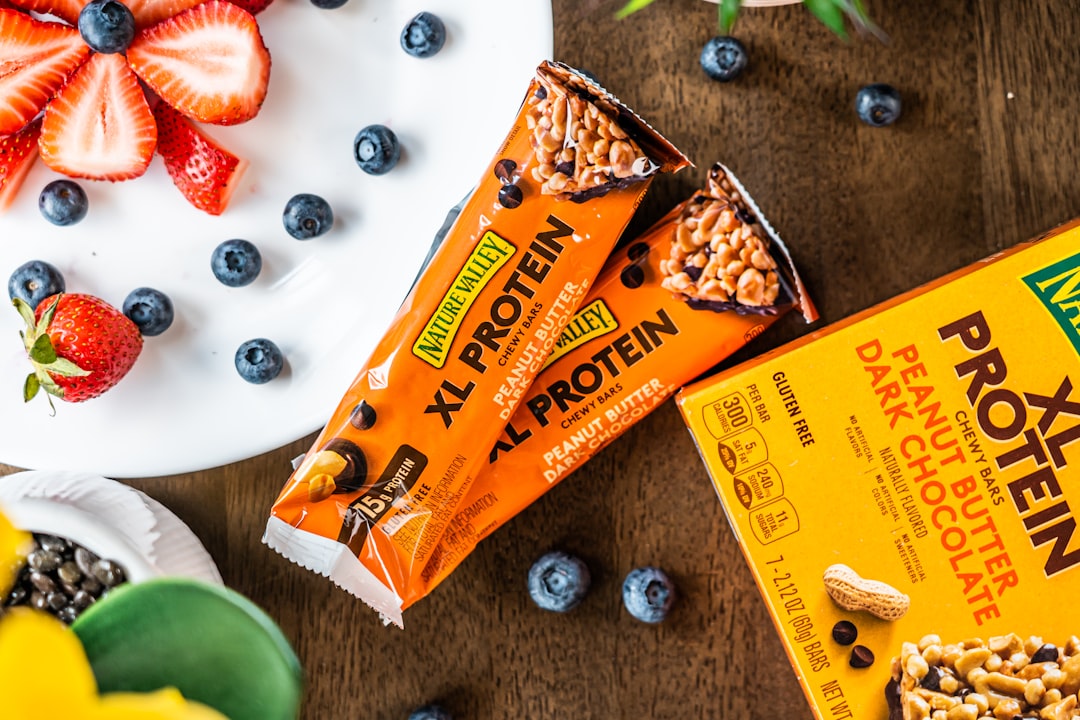
While whole foods are always the preferred option, protein bars and shakes can be convenient for busy days or when immediate post-workout recovery is needed. However, it’s crucial to read labels carefully. Many protein bars are loaded with added sugars and artificial ingredients. We should look for bars with a short ingredient list, primarily consisting of protein sources, healthy fats, and fiber, and with minimal added sugar. Similarly, protein powders can be a convenient way to boost protein intake, but we should choose reputable brands and be aware of any added fillers or sweeteners.
The Long-Term Vision: Protein for Sustainable Weight Management
Ultimately, our goal is not just to lose weight but to build healthy habits that we can maintain for a lifetime. Protein plays a vital role in this long-term vision. By building a foundation of adequate protein intake, we are not only supporting our current weight loss efforts but also creating a more resilient and metabolically sound body that is better equipped to maintain a healthy weight in the future. It’s about shifting our focus from temporary fixes to sustainable lifestyle changes that prioritize our well-being.
Beyond the Scale: The Holistic Benefits of Protein
The power of protein extends far beyond the numbers on the scale. By prioritizing protein, we are investing in our overall health and well-being. This includes improved mood, enhanced cognitive function, stronger immune systems, and healthier skin, hair, and nails. When we feel good physically and mentally, we are more likely to stick to our healthy habits and achieve our long-term goals. This holistic approach makes weight management a more enjoyable and rewarding journey, rather than a constant struggle.
The Role of Protein in Hormonal Balance and Mood Regulation
We’ve touched upon protein’s role in satiety and blood sugar stability, which directly impacts our mood. However, protein’s influence on hormonal balance goes deeper. Amino acids are precursors to neurotransmitters like serotonin and dopamine, which play a crucial role in mood regulation and feelings of well-being. Adequate protein intake can contribute to a more stable mood, reduced anxiety, and a greater sense of calm, all of which are invaluable when navigating the emotional aspects of weight loss.
Protein and Immune Function: A Stronger Defense
Our immune system relies on a constant supply of amino acids to produce antibodies and other immune cells. Insufficient protein intake can weaken our immune defenses, making us more susceptible to illness. By ensuring we are consuming enough protein, we are not only supporting our weight loss goals but also bolstering our body’s natural ability to fight off infections, ensuring we can stay healthy and active throughout our weight loss journey.
The Future of Our Health: Protein as a Cornerstone for Lifelong Well-being
As we move forward, let’s make a commitment to ourselves. Let’s embrace the power of protein not as a restrictive diet, but as a fundamental pillar of a healthy and vibrant life. By making conscious choices to incorporate lean proteins into every meal, we are not just shedding pounds; we are building strength, boosting our metabolism, and setting ourselves up for a future of sustained energy, improved well-being, and a healthy body that we can be proud of for years to come. The journey to a healthier weight is within our reach, and protein is our steadfast ally, guiding us every step of the way.