What to visit in the Czech Republic, when and where to go and what to void
Discovering the Czech Republic’s Charms
You’re contemplating a trip to the heart of Europe, a land of ancient castles, picturesque towns, and vibrant culture: the Czech Republic. This guide will walk you through the essential experiences, helping you plan your itinerary, choose the best time to visit, navigate local customs, and avoid potential pitfalls, ensuring your journey is as smooth and enjoyable as possible. From the cobblestone streets of Prague to the serene landscapes of South Bohemia, you’ll uncover a country rich in history and natural beauty, ready to captivate your senses. Prepare to immerse yourself in a truly unforgettable European adventure, tailored to your interests and preferences.
Planning Your Journey: Best Times to Visit
Deciding when to visit the Czech Republic significantly impacts your experience. Each season offers a unique perspective on the country’s beauty and cultural calendar.
Springtime Serenity (April-May)
Spring is an excellent time to visit if you appreciate milder temperatures, fewer crowds than summer, and the sight of blossoming flowers. Prague’s gardens come alive, and the countryside bursts into vibrant green. Easter celebrations, though varying in date, offer a glimpse into traditional Czech customs, including unique folk traditions and markets. However, be prepared for unpredictable weather; layers are your friend, as sunny days can quickly turn to cool evenings or even a late spring shower. This shoulder season strikes a good balance between pleasant weather and manageable tourist numbers, making it ideal for exploring both urban and natural attractions without the peak season rush.
Summer Splendor (June-August)
The summer months bring the warmest weather and the longest days, perfect for outdoor activities and extended sightseeing. However, this is also peak tourist season, meaning larger crowds and higher prices for accommodation and flights, especially in Prague. Many festivals and open-air events take place during this time, from music festivals to historical reenactments. If you plan to visit in summer, booking your accommodations and popular attractions well in advance is crucial. Expect bustling city centers and lively atmospheres. Despite the crowds, the vibrant energy of summer can be infectious, making it a popular choice for many travelers seeking a dynamic experience.
Autumnal Allure (September-October)
Autumn is arguably one of the most beautiful times to visit. The weather remains pleasant, and the landscapes transform into a breathtaking palette of red, orange, and gold. The tourist crowds begin to thin out, especially after September, offering a more relaxed experience. Wine harvest festivals (vinobraní) are a highlight, particularly in South Moravia, providing a fantastic opportunity to sample local wines and traditional foods. As with spring, packing layers is advisable, as temperatures can vary. Autumn offers a fantastic combination of agreeable weather, stunning scenery, and cultural events without the peak summer crowds, making it a highly recommended time for your visit.
Winter Wonderland (November-March)
Winter blankets the Czech Republic in snow, transforming its towns and castles into magical, fairy-tale scenes. Christmas markets, particularly in Prague and Český Krumlov, are world-renowned and create a wonderfully festive atmosphere. While temperatures can drop significantly, the festive cheer and the opportunity for winter sports (like skiing in the Krkonoše Mountains) are appealing to some. Be aware that some castles and outdoor attractions may have reduced opening hours or be closed entirely during the off-season. If you don’t mind the cold and embrace the festive spirit, winter can be a truly enchanting time to experience the Czech Republic’s unique charm, especially during the holiday season.
When planning your trip to the Czech Republic, it’s essential to consider not only the must-visit attractions but also the best times to go and what to avoid during your travels. For those interested in road trips, a related article that offers valuable insights on planning a successful journey can be found at Planning a Road Trip. This resource provides tips on how to navigate your travels effectively, ensuring you make the most of your experience while exploring the stunning landscapes and rich history of the Czech Republic.
Must-Visit Destinations Beyond Prague
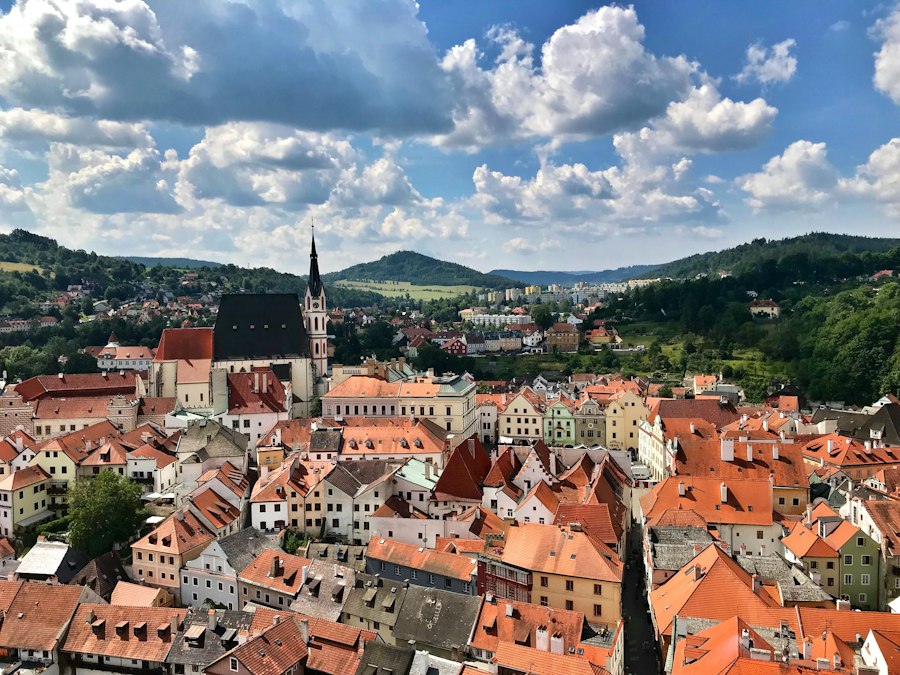
While Prague is undoubtedly a jewel, the Czech Republic offers a wealth of captivating destinations that often get overlooked. Venturing beyond the capital will reward you with diverse landscapes, rich history, and authentic cultural experiences, providing a deeper understanding of the country’s heart.
Český Krumlov: A Medieval Masterpiece
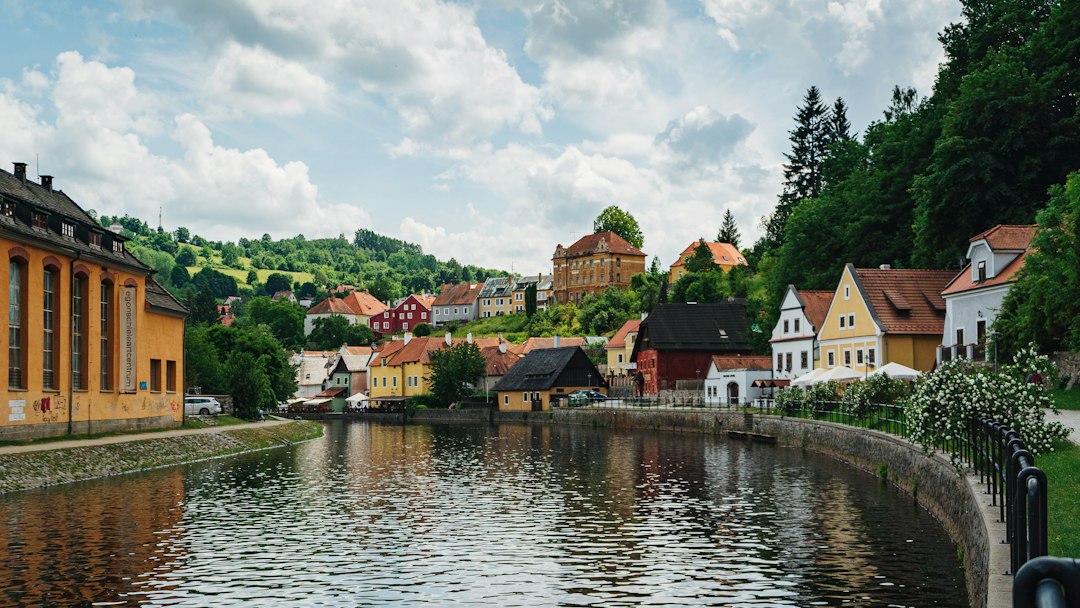
Imagine a town so perfectly preserved that it feels like stepping into a fairy tale. Český Krumlov, a UNESCO World Heritage site nestled in the Vltava River’s meander, is exactly that. Its narrow, winding cobblestone streets, colorful Renaissance and Baroque houses, and the dominant Český Krumlov Castle complex create an unforgettable atmosphere. You’ll want to dedicate at least a full day, if not two, to explore this enchanting town.
Exploring the Castle and Old Town
The Český Krumlov Castle is the second largest in the Czech Republic, after Prague Castle, and dominates the town’s skyline. Begin your visit with a tour of its opulent interiors, including the elaborate Baroque Theatre, one of the best-preserved in the world. Don’t miss the castle gardens, especially beautiful in spring and summer, offering panoramic views of the town. Wander through the Old Town, crossing the wooden Lazebnický Bridge, and explore the charming shops, galleries, and cafes. You can also rent a raft or a canoe to float down the Vltava River, providing a unique perspective of the town’s architecture. The Eggenberg Brewery offers tours and tastings, allowing you to sample local Czech beer.
Karlovy Vary: The Grand Spa Town
For a taste of elegant relaxation and architectural grandeur, head to Karlovy Vary (Carlsbad). This famous spa town, nestled in a picturesque valley, has attracted royalty, artists, and celebrities for centuries, all seeking the healing properties of its thermal mineral springs. Beyond its therapeutic waters, Karlovy Vary boasts stunning Art Nouveau and Neo-Renaissance architecture.
Indulging in Spa Culture and Architecture
Your visit to Karlovy Vary isn’t complete without sampling its mineral waters, which are dispensed from numerous ornate colonnades throughout the town. You can purchase a traditional spa cup (a “lázeňský pohárek”) and stroll along the Teplá River, sipping the warm, distinctively flavored water from different springs. The Mill Colonnade and the Market Colonnade are particularly beautiful. Beyond the waters, explore the Jan Becher Museum, dedicated to the herbal liqueur Becherovka, often called the “13th spring.” Take the funicular up to the Diana Observation Tower for breathtaking views of the town and surrounding forests. The Grandhotel Pupp, a historic luxury hotel, is also worth admiring, whether you stay there or simply enjoy a coffee in its elegant cafe.
Olomouc: Moravia’s Hidden Gem
Often overshadowed by Prague, Olomouc is a vibrant university city in Moravia that offers a rich history, stunning architecture, and a lively atmosphere without the overwhelming tourist crowds. It’s a fantastic destination for those seeking an authentic Czech experience.
Uncovering Olomouc’s Historical Riches
Olomouc’s main square, Horní náměstí (Upper Square), is dominated by the Holy Trinity Column, a UNESCO World Heritage site and an impressive Baroque monument. You’ll also find a charming astronomical clock, similar to Prague’s but with a unique socialist-realist twist added during the Communist era. St. Wenceslas Cathedral, with its soaring spires, is another architectural marvel. Don’t miss the Olomouc Fortress, a complex of fortifications that played a significant role in the city’s history. The city’s lively student population ensures a vibrant cafe and bar scene, offering a taste of contemporary Czech life alongside its historical treasures.
South Moravia: Wine Country and Castles
Venture southeast to the region of South Moravia, the Czech Republic’s premier wine-growing area. This picturesque landscape of rolling vineyards, charming wine cellars, and historic chateaus offers a delightful contrast to the bustling cities.
Exploring Vineyards and Lednice-Valtice Cultural Landscape
The towns of Mikulov and Valtice are excellent bases for exploring the region. Mikulov, crowned by its majestic castle, offers wine cellars carved into limestone rock. Valtice is home to another impressive Baroque chateau and the National Wine Centre, where you can sample hundreds of Czech wines. A highlight of the region is the Lednice-Valtice Cultural Landscape, a UNESCO World Heritage site encompassing two grand chateaus (Lednice and Valtice) connected by vast landscaped gardens, artificial lakes, and follies. You can explore this expansive area by walking, cycling, or even by horse-drawn carriage, discovering architectural gems like the Minaret and Janův Hrad (John’s Castle) within the romantic parkland. This region provides a tranquil and aesthetically pleasing escape, perfect for wine lovers and those seeking natural beauty.
Navigating the Czech Republic: Transportation and Etiquette
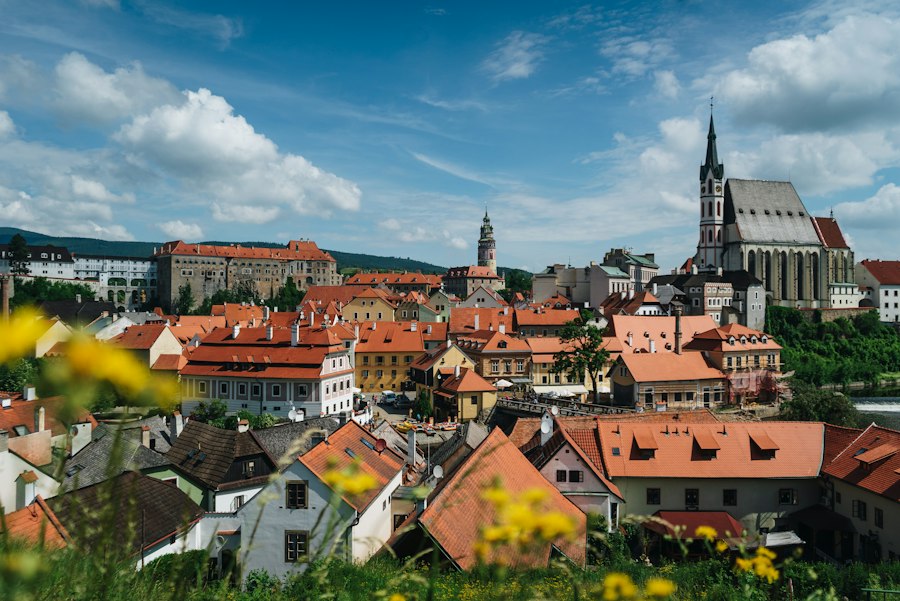
Once you’ve decided where to go, understanding how to get around and how to interact with locals will greatly enhance your trip. The Czech Republic offers a well-developed public transport system, and a little knowledge of local customs goes a long way.
Getting Around: Trains, Buses, and Trams
Public Transport in Prague
Prague boasts an efficient and extensive public transport network consisting of metros, trams, and buses. The metro is fast and reliable for longer distances, while trams offer a scenic way to see the city and reach many tourist attractions. Tickets are interchangeable across all modes and can be purchased from yellow vending machines at metro stations, newspaper kiosks, or via mobile apps. Validate your ticket immediately upon entering a metro station (before going down the escalator) or boarding a tram/bus. Inspectors frequently check tickets, and fines are steep. Consider purchasing a short-term pass (24-hour, 72-hour) if you plan on using public transport frequently. Walking is also highly recommended, especially in the historic center, to truly soak in the atmosphere.
Intercity Travel: Trains and Buses
For traveling between cities, both trains (operated by České dráhy – Czech Railways) and long-distance buses (companies like RegioJet and FlixBus) are excellent options. Trains are generally comfortable and offer scenic routes, while buses can sometimes be faster and cheaper, especially for certain routes. Booking tickets in advance, especially for popular routes or during peak season, is advisable. Websites like Omio or directly through the operators’ sites allow you to compare options and purchase tickets. The main train station in Prague is Hlavní nádraží, and major bus terminals include Florenc. Both are well-connected to Prague’s public transport system.
Driving in the Czech Republic
Renting a car offers flexibility, particularly if you plan to explore rural areas or regions with less frequent public transport. Roads are generally well-maintained, but be aware of speed limits (50 km/h in urban areas, 90 km/h outside urban areas, 130 km/h on highways). A vignette (toll sticker) is required for driving on highways; you can purchase it electronically online or at border crossings and petrol stations. Parking in city centers can be challenging and expensive. Familiarize yourself with local traffic laws and remember that the blood alcohol limit for drivers is zero. While driving offers freedom, consider if it’s truly necessary given the excellent public transport options, especially if your itinerary focuses on major cities.
Local Etiquette and Cultural Considerations
Understanding and respecting local customs will enrich your interactions and demonstrate cultural sensitivity.
Greetings and Politeness
A simple “Dobrý den” (Good day) when entering a shop or restaurant, and “Na shledanou” (Goodbye) when leaving, is always appreciated. “Prosím” (Please) and “Děkuji” (Thank you) are essential polite phrases. Czechs generally value politeness and a slightly more formal demeanor than some other cultures. While not overly effusive, they are typically warm and welcoming once you break the ice. It’s customary to wait to be seated in a restaurant and to leave a small tip (around 10%) if you are satisfied with the service.
Dining Customs
When dining out, don’t be surprised if service can be a bit slower than you might be used to in some Western countries; meals are often considered an occasion to linger. It’s common to order drinks first, then food. Tipping is generally expected in restaurants and bars if you are satisfied with the service; rounding up the bill or leaving about 10% is typical. Do not hail the server to pay; simply ask for the bill (“Prosím, zaplatit”). If you’re sharing a meal, it’s common for each person to pay for their own items, which the server can calculate individually.
Visiting Churches and Monasteries
When visiting religious sites, dress respectfully, which usually means covering your shoulders and knees. Maintain a quiet demeanor and avoid loud conversations. Photography may be restricted in some areas, so look for signs or ask for permission. These are places of worship, and showing respect for the local religious practices is important.
Must-Try Czech Cuisine and Beverages
No trip to the Czech Republic is complete without indulging in its hearty and delicious cuisine, complemented by its world-famous beers and unique spirits. Prepare your taste buds for a comforting and flavorful journey.
Culinary Delights: From Savory to Sweet
Czech food is often characterized by its rich, satisfying flavors, influenced by centuries of Central European history. Portions are generous, and meals often center around meat, potatoes, and dumplings.
Traditional Czech Dishes
You absolutely must try svíčková na smetaně, a classic dish of tender sirloin beef in a creamy vegetable sauce, typically served with bread dumplings (houskové knedlíky) and a dollop of cranberry sauce. Another staple is guláš, a rich beef stew (often pork or chicken versions exist) seasoned with paprika, usually accompanied by dumplings or fresh bread. For pork lovers, vepřo-knedlo-zelo (roast pork with dumplings and sauerkraut) is a must. If you’re feeling adventurous, try smažený sýr, fried cheese (typically Edam or Hermelín) served with tartar sauce and boiled potatoes or french fries – a popular comfort food. Vegetarian options are becoming more common, but traditional cuisine is heavily meat-based.
Sweet Treats and Snacks
For a sweet ending, trdelník is a popular street food, especially in tourist areas. It’s a sweet pastry dough wrapped around a stick, grilled, and then coated in sugar and cinnamon, sometimes filled with ice cream or chocolate. While often marketed as a traditional Czech pastry, its origins are debated and it’s more widely found in tourist hotspots. More authentically Czech desserts include fruit dumplings (ovocné knedlíky), often filled with plums or apricots and topped with melted butter, sugar, and sometimes cottage cheese, or various types of koláče (sweet pastries).
The Beer Culture and Other Drinks
The Czech Republic has a deeply ingrained beer culture, famous for its Pilsner-style lagers. Beer here is not just a drink; it’s a national institution and often cheaper than water in restaurants.
Czech Beer: A National Pride
You’ll find an incredible variety of excellent beers, from light lagers to dark stouts. Pilsner Urquell originated in the Czech city of Plzeň and set the standard for lager worldwide. Other popular brands include Staropramen, Kozel, and Budweiser Budvar (the original Budweiser). Most pubs and restaurants serve beer “na čepu” (on tap), and it’s always fresh and perfectly poured. Don’t be afraid to try local microbreweries, which are gaining popularity and offer unique craft beers. When toasting, it’s customary to make eye contact and say “Na zdraví!” (To your health!).
Other Local Beverages
Beyond beer, the Czech Republic offers other interesting libations. Becherovka is a traditional herbal liqueur, often enjoyed as a digestif or mixed with tonic water (creating a “beton” cocktail). Slivovice (plum brandy) is a strong fruit distillate, popular in Moravia, and often home-produced. You might also encounter Fernet Stock, another bitter herbal liqueur. For non-alcoholic options, try Kofola, a Czech alternative to Coca-Cola, which has a distinct herbal taste and is immensely popular. Czech wine, particularly from South Moravia, is also gaining recognition, with excellent white and red varieties available.
When planning your trip to the Czech Republic, it’s essential to consider not only the must-see attractions but also the best times to visit and potential pitfalls to avoid. For a deeper understanding of travel planning and tips that can enhance your experience, you might find this article helpful. It offers insights into various destinations and practical advice for travelers. To learn more, check out this related article here.
Avoiding Pitfalls and Staying Safe
While the Czech Republic is generally a safe and welcoming country, being aware of common tourist traps and taking basic precautions will ensure a smoother and more enjoyable trip.
Common Tourist Scams and Overcharging
Taxi Scams
In Prague, particularly around tourist hotspots like Old Town Square, Wenceslas Square, and the train station, some taxi drivers may attempt to overcharge unsuspecting tourists. Always agree on a fare in advance or ensure the meter is running correctly. Better yet, use reputable taxi apps like Bolt or Uber, which offer transparent pricing and track your journey, largely mitigating this issue. If you must flag down a taxi, choose those with official company branding and check reviews if possible. Always ensure the taxi has a visible license and a meter.
Unfair Currency Exchange
Be cautious when exchanging money, especially at independent exchange offices in tourist areas. Their advertised rates can be misleading, and some may charge exorbitant commissions or offer very unfavorable exchange rates. It’s often better to withdraw Czech Koruna (CZK) from ATMs belonging to reputable banks (like Česká spořitelna, Komerční banka, ČSOB) using your debit card, or exchange a small amount at your home bank before departure. When using ATMs, always choose to be charged in the local currency (CZK) rather than your home currency, as this typically results in a better exchange rate. Avoid street money changers entirely.
Pickpocketing
Like any major tourist city, Prague has its share of pickpockets, especially in crowded areas such such as Charles Bridge, Old Town Square, and on crowded trams (like tram 22). Be vigilant and take standard precautions: keep your wallet in a front pocket, carry your bag securely across your body, and avoid displaying large amounts of cash or expensive electronics openly. Never leave bags unattended, particularly in restaurants or cafes. A common tactic involves a distraction, so be aware of anyone bumping into you or trying to divert your attention.
Restaurant and Bar Overcharging
While less common than taxi scams, some establishments, particularly those in very touristy areas, might try to add extra items to your bill or charge more for certain items than listed on the menu. Always check your bill carefully before paying. In some pubs, be aware that waiters might keep bringing you beers without you explicitly ordering them; if you don’t want another, make it clear. Some places may also add a “cover charge” or a “service charge” which isn’t always clearly stated.
Health and Safety Tips
Emergency Numbers
In case of an emergency, the universal European emergency number is 112. For direct police assistance, dial 158. For an ambulance, dial 155. For fire services, dial 150. It’s wise to have these numbers saved in your phone.
Health Precautions
The tap water in the Czech Republic is generally safe to drink, but if you have a sensitive stomach, bottled water is readily available. No specific vaccinations are required for travel, but ensure your routine immunizations are up to date. Keep a copy of your passport and any important travel documents separate from the originals. If you have any medical conditions, carry a doctor’s note and ensure you have sufficient medication for your trip. Travel insurance is highly recommended for any international travel, covering medical emergencies, lost luggage, and trip cancellations.
General Safety
The Czech Republic is a relatively safe country with a low crime rate. However, common sense precautions apply. Avoid walking alone in poorly lit areas late at night. Be mindful of your belongings at all times, especially in crowded tourist areas and on public transport. If you are going out to bars, drink responsibly and watch your drinks. While largely safe, being aware of your surroundings and trusting your instincts will go a long way in ensuring a trouble-free visit to this beautiful country.