How Hiking Can Improve Your Mental Health, Confidence and Self-Esteem
Embracing Nature’s Therapeutic Embrace
Imagine a gentle breeze caressing your face, the scent of pine needles filling your lungs, and the rhythmic crunch of your boots on a dirt path. This isn’t just a pleasant daydream; it’s the reality of hiking, an activity that offers far more than just physical exercise. In an increasingly fast-paced and digitally saturated world, finding solace and strength can feel like an uphill battle. Yet, the simple act of stepping into nature, especially through hiking, provides a profound and accessible antidote to many of the mental health challenges you might face. You’ll discover that the wilderness isn’t just a place to escape to, but a place to heal within.
The Mindful Trek: A Pathway to Mental Clarity
When you embark on a hike, you’re not just moving your body; you’re engaging your mind in a unique and beneficial way. The very act of placing one foot in front of the other, navigating uneven terrain, and being acutely aware of your surroundings fosters a state of mindfulness. This isn’t the forced meditation you might associate with sitting cross-legged; it’s an organic, dynamic form of mindfulness that naturally arises from the experience.
Escaping the Digital Overload
You’re likely bombarded by notifications, emails, and social media updates throughout your day. This constant digital noise contributes to mental fatigue, stress, and a feeling of being perpetually “on.” Hiking offers a powerful detox. As you venture deeper into nature, the signal bars on your phone often dwindle, and with them, the incessant demands of the digital world. This forced disconnection allows your brain to truly rest and recalibrate. You’ll notice a reduction in mental chatter, a clearer thought process, and a renewed sense of presence. The worries and anxieties that typically swirl in your mind begin to dissipate as your attention shifts to the immediate environment – the chirping of birds, the rustling of leaves, the feeling of the sun on your skin. This mental break is crucial for preventing burnout and promoting overall mental well-being.
Reducing Rumination and Overthinking
Do you find yourself replaying conversations, worrying about future events, or dwelling on past mistakes? This tendency to ruminate can be incredibly detrimental to your mental health, leading to increased anxiety and depression. Hiking provides a powerful distraction from these self-defeating thought patterns. The physical demands of the trail, even a moderate one, require a certain level of focus. You need to pay attention to where you’re stepping, conserve your energy, and navigate the path. This active engagement pulls your mind away from negative spirals and grounds you in the present moment. Furthermore, the sheer beauty and grandeur of nature often inspire awe, a powerful emotion known to broaden your perspective and reduce self-focused thought. You’ll find that the vastness of the landscape makes your own problems feel a little smaller, a little more manageable.
Stimulating Creative Thinking
Have you ever noticed how your best ideas seem to come to you when you’re showering or driving? These are moments of relaxed, unfocused attention. Hiking offers a similar environment for creative problem-solving. The combination of gentle physical activity, fresh air, and a change of scenery stimulates blood flow to the brain and reduces mental blockages. Without the pressure of a deadline or the constant interruptions of an office environment, your mind is free to wander and make new connections. Many artists, writers, and thinkers throughout history have found inspiration in nature for precisely this reason. You might find solutions to work problems, breakthroughs in personal challenges, or entirely new creative concepts simply by allowing your mind to roam while your body walks.
In addition to exploring the mental health benefits of hiking, you might find it interesting to read about the impact of nature on our overall well-being in the article found at this link. This article delves into how the scents of the outdoors can enhance our mood and contribute to a more positive mindset, complementing the ways hiking can boost confidence and self-esteem.
Building Unshakeable Self-Confidence on the Trail
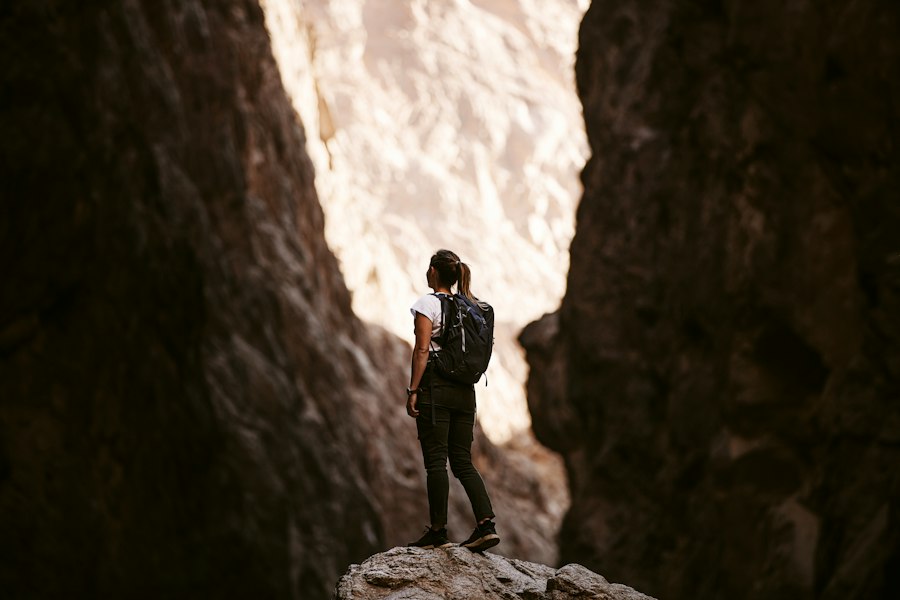
Beyond the immediate mental benefits, hiking is a potent tool for cultivating a deep and enduring sense of self-confidence. You’ll discover that conquering physical challenges in the wilderness translates directly into a stronger belief in your own capabilities, both on and off the trail.
Overcoming Physical and Mental Obstacles
Every hike, no matter how short or seemingly easy, presents its own set of challenges. It might be a steep incline that tests your stamina, a muddy patch that requires careful footwork, or a moment of doubt when you feel your energy waning. Each time you successfully navigate one of these obstacles, you’re reinforcing your belief in your own resilience.
Pushing Your Perceived Limits
You might start with a short, easy trail, but as your fitness improves and your confidence grows, you’ll naturally want to tackle more challenging routes. Completing a hike that you once thought impossible – perhaps one with a significant elevation gain or a longer distance than you’ve ever attempted – is an incredibly empowering experience. You’ll realize that your perceived limitations were often just mental barriers, and that with persistence and effort, you’re capable of achieving far more than you imagined. This realization isn’t confined to the trail; it spills over into other areas of your life, encouraging you to take on new challenges and embrace growth.
Developing Problem-Solving Skills
Nature is unpredictable, and sometimes you’ll encounter unexpected situations on the trail. A path might be blocked, the weather might change suddenly, or you might need to adjust your route. These moments require you to think on your feet, assess the situation, and make decisions. Perhaps you need to find an alternative way around an obstacle, consult your map more carefully, or decide to turn back for safety. Successfully navigating these mini-crises builds your practical problem-solving skills and your ability to adapt to changing circumstances. You’ll gain a quiet confidence in your capacity to handle whatever life throws your way, knowing you have the resourcefulness to find solutions.
The Power of Solo Adventures
While hiking with others can be enjoyable, embarking on a solo hike offers a unique opportunity for self-discovery and confidence building. When you’re alone in nature, you’re solely responsible for your decisions, your safety, and your navigation. This independence fosters a profound sense of self-reliance. You learn to trust your instincts, listen to your body, and connect with your inner strength. There’s a particular pride that comes from successfully completing a solo journey, knowing that you relied entirely on your own abilities. This experience can be incredibly validating, proving to yourself that you are competent and capable of handling solitude and self-sufficiency.
Nurturing Self-Esteem Through Connection
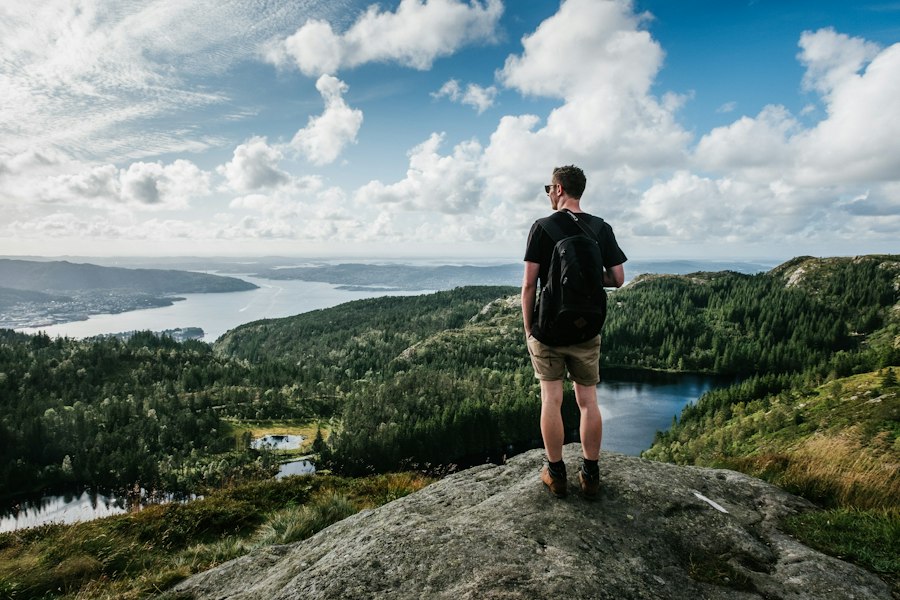
Self-esteem isn’t just about what you can do; it’s also about how you feel about yourself. Hiking provides numerous avenues for fostering a positive self-image and a deeper appreciation for your own worth.
Reconnecting with Your Body
In a society that often bombards you with idealized body images and encourages a sedentary lifestyle, it’s easy to develop a disconnect from your own physical self. Hiking offers a powerful way to reclaim that connection and appreciate your body for its strength and capabilities.
Appreciating Your Physical Strength and Endurance
As you hike, you’re actively using your muscles, engaging your cardiovascular system, and building endurance. You’ll feel your legs grow stronger, your breathing become more regulated, and your overall fitness improve. This isn’t about achieving a particular aesthetic; it’s about experiencing the tangible benefits of a healthy, active body. When you feel your body perform, when you successfully climb a steep hill or hike for several hours without undue fatigue, you develop a deep appreciation for its resilience. This functional appreciation of your body is far more empowering than focusing solely on appearance, leading to a healthier and more sustainable form of self-esteem.
Embracing the Imperfections of the Journey
Hiking isn’t always glamorous. You’ll get sweaty, muddy, and perhaps even a little bruised. Your hair might be a mess, and your clothes might be dirty. But in nature, these imperfections don’t matter. In fact, they’re often badges of honor, signs of an adventure well-lived. This experience helps you shed the pressure of constantly presenting a perfect image and encourages you to embrace your natural self, flaws and all. You’ll learn to be less critical of your appearance and more focused on the joy of the experience, fostering a more authentic and accepting relationship with yourself.
The Dopamine and Endorphin Boost
The physical exertion of hiking triggers the release of endorphins, your body’s natural mood elevators, and dopamine, a neurotransmitter associated with pleasure and reward. You’ve likely experienced this “runner’s high” or a general feeling of well-being after exercise. This chemical boost not only improves your mood in the short term but also contributes to a sustained sense of happiness and contentment, which are fundamental components of high self-esteem. You’ll feel more energetic, less stressed, and generally more positive about yourself and your life.
Cultivating a Sense of Belonging and Purpose
While solo hikes offer unique benefits, hiking with others or even simply being in nature can foster a profound sense of connection – to other people, to the natural world, and to something larger than yourself. This sense of belonging is vital for psychological well-being and a robust self-esteem.
Shared Experiences and Community
Joining a hiking group or going on a trek with friends provides opportunities for social connection and shared accomplishment.
Building Bonds Through Shared Challenge
When you hike with others, you’re not just sharing a path; you’re sharing an experience, a challenge, and often, moments of vulnerability and triumph. You might encourage a friend up a steep climb, share snacks at a scenic overlook, or simply enjoy the comfortable silence of walking side by side. These shared experiences forge strong bonds and create a sense of camaraderie. Knowing that you’re part of a supportive community, and that you can both give and receive encouragement, significantly boosts your sense of belonging and your overall self-worth. You’ll feel valued and connected, which are essential ingredients for healthy self-esteem.
Learning from Others and Expanding Your Horizons
Hiking groups often comprise individuals with diverse backgrounds and experiences. You might learn about local flora and fauna from an experienced botanist, discover new trails from a seasoned adventurer, or simply gain new perspectives through casual conversation. This exchange of knowledge and experience enriches your life and expands your understanding of the world. It also reinforces the idea that you are part of a larger network, contributing to and benefiting from the collective wisdom of the group. This sense of intellectual and social engagement further enhances your self-esteem.
Connecting with the Natural World
Beyond human connection, hiking allows you to forge a deep and meaningful bond with nature itself, a connection that can be profoundly grounding and affirming.
Awe and Wonder
Standing atop a mountain peak, gazing at a vast valley, or witnessing a spectacular sunset from a remote trail evokes a feeling of awe. This emotion has been scientifically linked to increased generosity, humility, and overall well-being. When you experience awe, your focus shifts away from your individual self and towards the vastness and beauty of the natural world. This can put your own struggles into perspective and foster a sense of belonging to something much grander. It reminds you that you are a part of this intricate and magnificent ecosystem, and that your existence holds inherent value.
Environmental Stewardship and Purpose
As you spend more time in nature, you’ll naturally develop a deeper appreciation for its delicate balance and beauty. This often leads to a desire to protect and preserve it. Engaging in acts of environmental stewardship, such as picking up litter, participating in trail maintenance, or advocating for conservation, gives you a sense of purpose beyond your immediate self. Contributing to the well-being of the planet, even in small ways, can be incredibly fulfilling and directly boosts your self-esteem. You’ll feel like you’re making a positive difference, and that your actions matter.
Exploring the great outdoors through hiking not only enhances physical well-being but also significantly boosts mental health, confidence, and self-esteem. For those interested in discovering more about the positive effects of nature on mental wellness, you might find this article on Northern Ireland’s hiking trails particularly enlightening. It highlights various scenic routes that can provide a refreshing escape and foster a sense of achievement, ultimately contributing to a healthier mindset.
Practical Steps to Integrate Hiking into Your Life
Now that you understand the profound benefits of hiking for your mental health, confidence, and self-esteem, you might be eager to lace up your boots. But where do you begin? Integrating hiking into your routine doesn’t have to be daunting; it can be a gradual and enjoyable process.
Starting Your Hiking Journey
You don’t need expensive gear or a superhuman level of fitness to start hiking. The most important step is simply to begin.
Begin Small and Build Gradually
Resist the urge to tackle a challenging 10-mile trek on your first outing. Start with short, easy trails in local parks or nature preserves. Aim for 30 minutes to an hour of walking on relatively flat terrain. This allows your body to adjust, prevents injury, and builds your confidence. As you get more comfortable, gradually increase the distance, elevation, and duration of your hikes. Remember, consistency is more important than intensity in the beginning. Your body will adapt, and you’ll be surprised at how quickly your stamina and strength improve.
Essential Gear for Beginners
You don’t need to break the bank, but a few essential items will make your hiking experience much more comfortable and safe. Good quality hiking shoes or boots with ankle support are crucial for protecting your feet and preventing slips. Comfortable, moisture-wicking socks will prevent blisters. A small backpack to carry water, snacks, a first-aid kit, and an extra layer of clothing is also highly recommended. Don’t forget sun protection – a hat, sunglasses, and sunscreen are vital. As you progress to more challenging trails, you might consider trekking poles for added stability and reduced strain on your joints.
Finding Local Trails and Resources
Utilize online resources like AllTrails, national and state park websites, and local hiking club pages to find trails in your area. These platforms often provide detailed information about trail length, elevation gain, difficulty level, and user reviews. Consider joining a local hiking group; this is an excellent way to discover new trails, learn from experienced hikers, and build a supportive community. Many groups cater to different fitness levels, so you’ll likely find one that’s a good fit for you.
Making Hiking a Sustainable Habit
To reap the long-term benefits, you need to make hiking a regular part of your life. This involves planning, consistency, and a flexible mindset.
Scheduling Your Hikes
Just like any other important appointment, schedule your hikes in your calendar. Treat them as non-negotiable. Whether it’s a short walk during your lunch break or a longer trek on the weekend, committing to a regular schedule increases the likelihood of follow-through. Experiment with different times of day to see what works best for you. Early morning hikes can be invigorating, while late afternoon treks offer beautiful light and cooler temperatures.
Embracing All Weather Conditions (Within Reason)
Don’t let a little rain or cooler temperatures deter you. “There’s no such thing as bad weather, only bad gear” is a common adage among outdoor enthusiasts. Invest in appropriate rain gear and layers to stay comfortable in varying conditions. Hiking in different seasons offers unique experiences – the vibrant colors of autumn, the crisp air of winter, or the blossoming beauty of spring. However, always prioritize safety. Avoid hiking during extreme weather events like thunderstorms, heavy snowfall, or excessive heat.
Journaling Your Experiences and Setting Goals
Keeping a hiking journal can be a powerful way to track your progress, reflect on your experiences, and reinforce your motivation. Note down the trails you’ve completed, the distance covered, any interesting wildlife you encountered, and how you felt before, during, and after the hike. Setting achievable goals, such as completing a certain number of hikes per month or tackling a slightly more challenging trail, can also help keep you motivated and engaged in your hiking journey. Celebrate your accomplishments, no matter how small, to reinforce the positive feedback loop and solidify hiking as a rewarding and beneficial activity in your life.