Menorca, is it worth the visit, what to see and do
Is Menorca Worth the Visit?
You’ve heard whispers of the Balearic Islands – Mallorca’s bustling energy, Ibiza’s legendary nights. But then there’s Menorca, the quiet sibling, often overlooked yet brimming with a unique charm that begs a second look. If you’re pondering your next escape and find yourself wondering if this laid-back island is truly worth your precious vacation time, the answer, unequivocally, is yes. But a simple affirmative doesn’t capture the essence of what awaits you. Menorca isn’t about grand spectacles or adrenaline-pumping thrills; it’s about slow living, breathtaking natural beauty, and an almost palpable sense of peace that washes over you the moment you arrive.
You see, Menorca holds a UNESCO Biosphere Reserve designation, a testament to its commitment to preserving its natural environment. This isn’t just a label; it translates into an island largely untouched by overdevelopment, where golden beaches remain pristine, ancient stone walls crisscross rolling hills, and the turquoise waters teem with marine life. Your days here will be filled with the simple pleasures: discovering hidden coves, exploring historic towns, savoring fresh seafood, and simply unwinding amidst stunning backdrops. It’s an island that appeals to the soul, offering a genuine escape from the pressures of modern life. If your idea of a perfect holiday involves connecting with nature, immersing yourself in culture, and finding true relaxation, then Menorca isn’t just worth the visit; it’s an absolute necessity.
A Sanctuary for Serenity Seekers
You might be accustomed to holiday destinations where the pace is frantic, the resorts are sprawling, and the crowds are overwhelming. Menorca offers a stark contrast. Here, the rhythm is slower, dictated by the gentle ebb and flow of the Mediterranean tides. You won’t find towering skyscrapers or endless rows of concrete hotels. Instead, you’ll encounter charming whitewashed villages, historic lighthouses, and a landscape dominated by olive groves and pine forests. This commitment to maintaining its natural integrity is what makes Menorca a sanctuary. It’s a place where you can truly disconnect from the digital world and reconnect with yourself and your loved ones. Imagine spending your mornings exploring quiet coastal paths, your afternoons swimming in secluded coves, and your evenings dining al fresco under a canopy of stars. This isn’t a fantasy; it’s the everyday reality of a Menorcan holiday. The island actively promotes sustainable tourism, meaning your visit contributes to the preservation of this unique ecosystem, allowing future generations to experience its wonders.
Family-Friendly Fiestas and Fun
Perhaps you’re traveling with little ones and wondering if Menorca can cater to the whole family. Rest assured, this island is remarkably family-friendly. Its calm, shallow waters at many beaches are ideal for toddlers to splash safely, while older children can enjoy snorkeling, paddleboarding, or building sandcastles on expansive shores. Beyond the beaches, you’ll find a relaxed atmosphere where children are welcomed in restaurants and shops. Many resorts cater specifically to families, offering kids’ clubs and entertainment, but even outside these, the island itself provides ample opportunities for family adventures. Exploring prehistoric sites, visiting the local farm parks, or taking a glass-bottom boat tour are just some of the activities that will keep everyone entertained. The lack of overwhelming crowds also means a more relaxed experience for parents, making it easier to navigate and enjoy your time together. Menorca embraces a slower pace that allows families to truly bond and create lasting memories without the pressure of constant scheduled activities.
If you’re considering a trip to Menorca, you might want to check out this insightful article that discusses whether the island is worth the visit, along with recommendations on what to see and do. Menorca, known for its stunning beaches and rich history, offers a unique blend of relaxation and adventure. From exploring the prehistoric sites of Talayotic culture to enjoying the crystal-clear waters at Cala Macarella, there’s something for everyone. To learn more about the island and its attractions, visit this article for detailed insights and tips.
Uncovering Menorca’s Coastal Charms: Beaches and Bays
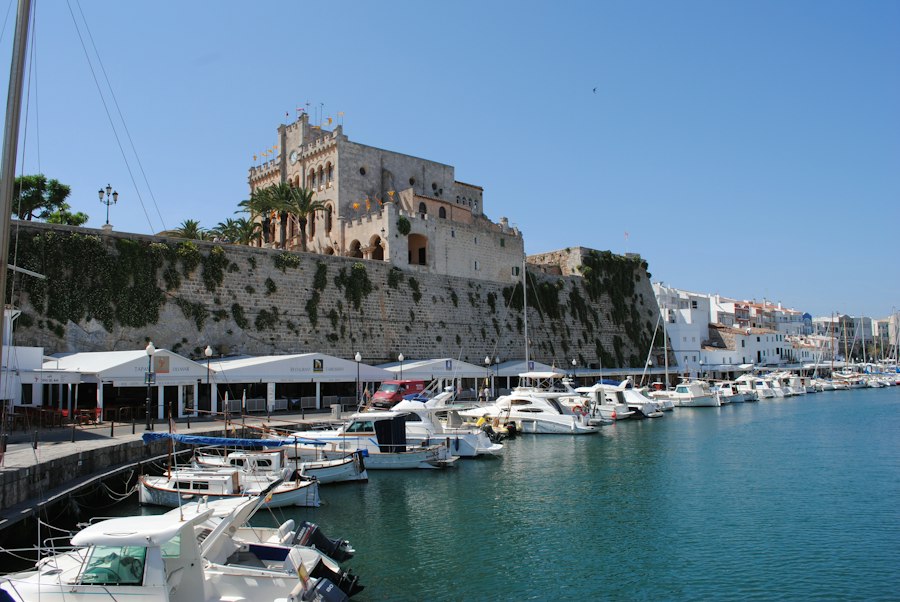
You come to an island in the Mediterranean for its coastline, and Menorca delivers beyond expectation. Forget everything you thought you knew about crowded, commercialized beaches. Menorca’s shores are a patchwork of golden sands, white pebbles, and dramatic cliffs, each offering a unique personality. The island boasts over 120 beaches, from long, family-friendly stretches with calm, shallow waters to secluded, undeveloped coves accessible only by foot or boat. The crystal-clear, azure waters are a constant, inviting you for a refreshing dip or an exploratory snorkel. Your challenge won’t be finding a beautiful beach, but choosing which one to visit next.
Southern Coast: Postcard-Perfect Paradise
When you picture a quintessential Mediterranean beach – dazzling white sand, turquoise water, and lush pine forests – you’re likely envisioning Menorca’s southern coast. These are the beaches that fill postcards and travel brochures, and for good reason. The dramatic limestone cliffs, carved by centuries of wind and sea, provide a stunning backdrop to these idyllic coves.
Cala Macarella and Macarelleta
You absolutely must experience Cala Macarella and its smaller, even more stunning sibling, Macarelleta. These are perhaps the most famous beaches on the island, and once you set eyes on them, you’ll understand why. Imagine powdery white sand so soft it feels like flour beneath your feet, framed by verdant pine trees, and gently lapped by water that shifts from an impossible turquoise to a deep sapphire. While Macarella is accessible via a path and has a small beach bar, Macarelleta, a short scenic walk further, offers an even more secluded and pristine experience, often attracting naturists. Be aware that during peak season, access to these beaches is often restricted to a bus service from Ciutadella to preserve their natural beauty, so plan accordingly. The walk itself, through fragrant pine forests, is part of the charm.
Cala Galdana: Family-Friendly Gem
If you’re traveling with family or prefer a beach with more amenities, Cala Galdana is an excellent choice. This wide, crescent-shaped bay boasts fine golden sand and exceptionally calm, shallow waters, making it perfect for children. You’ll find sun loungers, umbrellas, pedal boats for rent, and a selection of restaurants and cafes lining the promenade. Despite its popularity, it retains a pleasant, relaxed atmosphere. The cliffs surrounding the bay offer stunning views, and you can easily access walking trails that lead to other nearby coves if you’re feeling adventurous. It’s a great base for exploring the southern coast due to its central location and good infrastructure.
Cala Mitjana and Mitjaneta
A short walk from Cala Galdana, or accessed via a parking lot with a 15-minute stroll, Cala Mitjana offers a more rugged, natural beauty. Here, the vibrant turquoise waters are met by a slightly coarser sand, backed by dense pine forests. Cala Mitjaneta, its tiny offshoot, is even more intimate and often less crowded. These beaches are ideal for those who appreciate natural beauty over extensive facilities, though you might find a mobile vendor selling refreshments in high season. The walk to them is relatively easy and incredibly picturesque, making the journey part of the reward.
Northern Coast: Rugged Beauty and Red Sands
The northern coast of Menorca presents a completely different character, one of wild, untamed beauty. Here, the landscape is more rugged, the cliffs more dramatic, and the sand often a striking reddish-gold, a result of the iron-rich soil. The seas can be a little choppier, but the unique geology and often fewer crowds offer a more adventurous experience.
Cala Pregonda: A Martian Landscape
Prepare to be mesmerized by Cala Pregonda, a truly unique beach that feels almost otherworldly. The sand here is a deep, burnished orange-red, contrasting spectacularly with the emerald green waters and the unusual rock formations that jut out from the sea. It’s a surreal and breathtaking landscape that will make you feel like you’ve landed on Mars. Access involves a scenic 30-40 minute walk from the nearest parking area, but every step is worth it for the unforgettable views. Bring your own supplies, as there are no facilities here, allowing you to fully immerse yourself in its wild beauty.
Platja de Cavalleria: Untamed and Expansive
For a truly wild and expansive experience, head to Platja de Cavalleria. This vast, golden-red sandy beach is backed by low, undulating dunes and rugged cliffs. It’s a popular spot for locals and offers a sense of vastness and freedom. You can often find a quiet spot even on busier days. The strong, invigorating winds here sometimes make it popular for windsurfing, but the main draw is simply its untouched natural splendor. Take a walk along the shore, feel the raw power of the Mediterranean, and perhaps even indulge in a traditional clay mud bath, a local remedy believed to have skin-softening properties. The lighthouse at Cap de Cavalleria, nearby, provides spectacular panoramic views, especially at sunset.
Es Grau and the S’Albufera des Grau Nature Park
If you seek calm, protected waters and a vibrant ecosystem, Es Grau is your destination. This shallow, sheltered bay, with its gentle waves and fine sand, is perfect for families with young children. But its true magic lies in its proximity to the S’Albufera des Grau Nature Park, Menorca’s most important wetland and the core of its Biosphere Reserve. You can rent kayaks or paddleboards to explore the bay and the nearby Illa d’en Colom, or embark on one of the numerous walking trails within the park, observing diverse birdlife and unique flora. It’s an ecological wonderland, offering a different kind of beach experience combined with educational and natural exploration.
Delving into Menorca’s Historical Heart: Towns and Culture
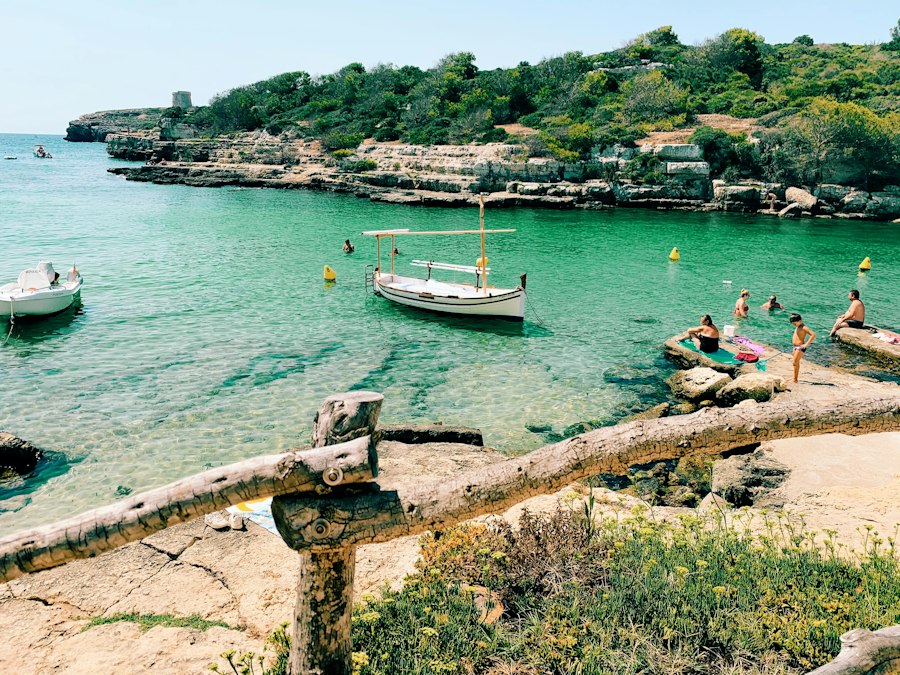
Your journey through Menorca isn’t complete without stepping away from the alluring coast and delving into the island’s rich history and vibrant culture. Menorca’s past is etched into its elegant towns, ancient settlements, and traditional festivals. You’ll discover a charming blend of influences, from prehistoric Talayotic civilizations to Roman, Moorish, and British occupations, all of which have left their indelible mark.
Ciutadella: The Old Capital’s Grandeur
You’ll immediately be captivated by Ciutadella, the former capital of Menorca and arguably its most beautiful town. Its narrow, cobbled streets, elegant palazzos, and charming squares exude an aristocratic charm. Spend hours simply wandering, getting lost in the labyrinthine alleys that open onto stunning viewpoints or hidden courtyards.
Plaza des Born
Begin your exploration in the magnificent Plaza des Born, the heart of Ciutadella. This grand square is flanked by impressive buildings, including the Town Hall, a former governor’s palace, and the beautiful Baroque Palau Salort. Dominating the center is an obelisk commemorating the defense of the city against a Turkish invasion in 1558. From here, you can gaze down towards the picturesque old port, a bustling hub for fishing boats and pleasure craft, lined with restaurants and cafes.
Ciutadella Cathedral
Just off Plaza des Born, you’ll find the stunning Ciutadella Cathedral, a majestic Gothic structure built on the site of an old mosque. Its imposing presence and intricate details are a testament to centuries of religious and architectural evolution. Step inside to admire its soaring ceilings, beautiful stained-glass windows, and the serene atmosphere. The blend of Gothic and Baroque elements makes it a fascinating building to explore.
Ses Voltes and the Old Port
Venture down through Ses Voltes (The Arches), a charming series of arcaded streets brimming with boutiques, artisan shops, and cafes. These shaded walkways are perfect for a leisurely stroll and a spot of souvenir hunting. They eventually lead you down to the Old Port, a truly picturesque setting. Here, you can enjoy fresh seafood at one of the many waterside restaurants, watch the fishing boats bobbing gently, or simply soak in the lively atmosphere as the sun sets over the harbor. In the evenings, the port truly comes alive, offering a romantic backdrop for dinner.
Mahón (Maó): The Current Capital’s Naval Heritage
While Ciutadella seduces with its old-world charm, Mahón, the current capital, offers a different kind of appeal. It’s a more bustling and cosmopolitan city, set around one of the world’s largest natural harbors. Its British legacy is particularly evident in the Georgian architecture and the layout of its streets.
Mahón Harbor
You cannot visit Mahón without experiencing its magnificent natural harbor. It’s a hive of activity, with cruise ships, yachts, and local fishing boats constantly moving. Take a boat tour to fully appreciate its scale and history, learning about its strategic importance to various conquering powers. The harbor also offers delightful waterfront dining experiences, perfect for enjoying fresh catch while watching the maritime world go by.
Fish Market and Cloister del Carme
For a true taste of local life, head to Mahón’s fish market (Mercat des Peix). Even if you’re not buying, the vibrant displays of fresh seafood are a feast for the eyes. Adjacent to it is the beautiful Cloister del Carme, a former convent now housing a market with local produce, cheeses, and artisanal goods. It’s a fantastic place to pick up some local delicacies or simply enjoy the lively atmosphere, perhaps with a coffee or a traditional Menorcan pastry.
British Influence and Gin Production
As you wander through Mahón, you’ll notice the Georgian architecture, particularly around the city center, a lasting legacy of the British occupation. This influence also extends to one of Menorca’s most unique products: gin. You can visit the Xoriguer Gin Distillery, located near the port, to learn about the traditional production process and, of course, sample their distinctive Mahón gin. It’s a fascinating insight into a specific aspect of the island’s cultural heritage.
Prehistoric Menorca: Talayotic Wonders
Your visit to Menorca is an opportunity to step back thousands of years and explore the enigmatic remains of the Talayotic culture, a unique civilization that flourished on the island from around 2000 BC. These megalithic sites are scattered across the landscape, offering a glimpse into a sophisticated prehistoric society.
Naveta d’Es Tudons
You’ll be awe-struck by the Naveta d’Es Tudons, an iconic chamber tomb dating back to around 1200 BC. This remarkably well-preserved structure, shaped like an inverted boat, is one of the most important prehistoric monuments in Menorca. It served as a collective burial place and is an impressive example of dry-stone construction. Its distinctive shape and historical significance make it a must-see for anyone interested in ancient history.
Torre d’en Galmés
For a more expansive look at a Talayotic settlement, explore Torre d’en Galmés. This is one of the largest and most significant prehistoric sites on the Balearic Islands. You can wander among the remains of circular dwellings, defensive walls, and various ceremonial structures, including its impressive talayot (a large stone tower) and taula (T-shaped megalithic monument). The site offers panoramic views of the surrounding countryside and provides a profound sense of connection to Menorca’s ancient past. It’s an immersive experience that allows you to imagine life in these communities thousands of years ago.
Active Adventures and Unique Experiences
Menorca isn’t just about lounging on beaches or exploring historic towns; it also offers a wealth of opportunities for active adventurers and those seeking unique, memorable experiences. The island’s diverse landscape, from its intricate coastline to its rolling interior, provides the perfect playground for a variety of activities.
Camí de Cavalls: The Coastal Path
You absolutely must dedicate some time to exploring the Camí de Cavalls (Path of Horses). This ancient path, originally used for defense and connecting watchtowers and fortresses around the island, now forms a spectacular 185-kilometer long-distance trail that circumnavigates the entire coast.
Hiking and Trail Running
Whether you’re an avid hiker or prefer a leisurely stroll, the Camí de Cavalls offers segments suitable for all fitness levels. You can choose to tackle challenging sections over rugged cliffs, enjoy gentle walks through pine forests, or simply pick a short stretch that connects two beautiful beaches. The path is well-marked and provides unparalleled access to hidden coves, breathtaking viewpoints, and diverse landscapes. It’s a fantastic way to truly immerse yourself in Menorca’s natural beauty and discover secluded spots that are inaccessible by car. For trail runners, it offers a challenging and incredibly scenic route.
Horseback Riding
Staying true to its name, the Camí de Cavalls is also an incredible route for horseback riding. Several equestrian centers around the island offer guided tours along portions of the path, allowing you to experience the ancient trail as it was originally intended. Imagine riding through picturesque countryside, feeling the gentle sea breeze, and discovering hidden corners of the island from a unique perspective. It’s an experience that connects you deeply with Menorca’s history and its rural landscape.
Watersports and Aquatic Exploration
Given Menorca’s pristine waters, it’s no surprise that watersports are a major draw. The calm, clear Mediterranean provides ideal conditions for a wide range of aquatic activities.
Kayaking and Paddleboarding
Rent a kayak or paddleboard and explore the coastline at your own pace. You can glide into sea caves, discover tiny, secluded beaches that are inaccessible by foot, and enjoy the tranquility of the open water. Many rental shops offer guided tours, taking you to the best spots for exploration and snorkeling. It’s a fantastic way to get up close and personal with Menorca’s incredible marine environment.
Snorkeling and Diving
The clarity of Menorca’s waters and its rich marine life make it a paradise for snorkelers and divers. Even with just a mask and snorkel, you can witness vibrant underwater ecosystems, teeming with colorful fish, octopus, and seagrass meadows. For certified divers, numerous dive centers offer excursions to shipwrecks, underwater caves, and vibrant coral reefs, revealing a spectacular hidden world beneath the surface. The marine reserves around the island are particularly rich in biodiversity, offering exceptional visibility and unforgettable encounters.
Unique Experiences: From Caves to Stargazing
Beyond the well-trodden paths, Menorca holds a few unique experiences that will make your trip truly special.
Cova d’en Xoroi: Cave Bar with a View
Perched dramatically on a cliff face with breathtaking views of the Mediterranean, Cova d’en Xoroi is arguably Menorca’s most iconic venue. This natural cave complex has been transformed into a bar and nightclub, offering an unforgettable setting for sunset drinks or a late-night dance. During the day, it’s a fantastic spot for a coffee or a refreshing drink, allowing you to soak in the incredible panoramic vistas. At sunset, the atmosphere is magical as the sky explodes with color over the sea. It’s a truly unique experience, blending natural wonder with a vibrant social scene.
Stargazing and Astrotourism
As a UNESCO Biosphere Reserve, Menorca benefits from minimal light pollution, making it an exceptional destination for stargazing. On clear nights, away from the towns, the night sky comes alive with an astonishing number of stars, the Milky Way often visible to the naked eye. Several local organizations offer guided stargazing tours, where you can learn about constellations and celestial bodies. It’s a truly humbling experience to witness the vastness of the cosmos from such a privileged location. This focus on astrotourism highlights Menorca’s commitment to preserving its natural environment, even extending to the night sky.
Menorca, known for its stunning beaches and rich history, is a destination that often gets overshadowed by its Balearic neighbors. If you’re wondering whether it’s worth the visit, you might find insights in a related article that explores the allure of various travel spots. While in Menorca, you can explore the prehistoric sites like the Talaiots, relax on the beautiful beaches of Cala Macarella, and indulge in the local cuisine featuring fresh seafood and traditional pastries. For a deeper dive into travel experiences, check out this guide on the Maldives, which offers a different perspective on island getaways.
Culinary Delights: Savoring Menorca’s Flavors
Your visit to Menorca wouldn’t be complete without indulging in its exquisite culinary scene. The island’s gastronomy is a delightful reflection of its history and geography, blending fresh Mediterranean ingredients with traditional recipes and influences from its various conquerors. You’ll find an emphasis on local, seasonal produce, fresh seafood straight from the bountiful waters, and distinctive island specialties that tantalize the taste buds.
Fresh from the Sea: Seafood Sensations
Given its island location, it’s no surprise that seafood forms the cornerstone of Menorcan cuisine. You’ll find an abundance of incredibly fresh fish and shellfish, often simply prepared to let their natural flavors shine through.
Caldereta de Llagosta: The Iconic Lobster Stew
You absolutely must try Caldereta de Llagosta – Menorca’s most famous and revered dish. This rich, aromatic lobster stew is a true delicacy and a culinary highlight of the island. Traditionally made with spiny lobsters caught in the local waters, it’s a slow-cooked masterpiece featuring tomatoes, onions, garlic, and sometimes a hint of green pepper, all simmered to perfection to create a deeply flavorful broth. While it can be expensive, it’s an experience worth splurging on, best enjoyed at a waterfront restaurant in Fornells, a charming fishing village renowned for this specialty. Each spoonful is a taste of Menorcan luxury.
Grilled Fish and Mariscos
Beyond the iconic lobster stew, you’ll find an array of impeccably fresh grilled fish (pescado a la plancha) and various seafood (mariscos). Look for local catches like hake (merluza), sea bream (dorada), or squid (calamares). The simplicity of preparation, often with just olive oil, garlic, and fresh herbs, allows the quality of the ingredients to truly shine. Enjoy platters of succulent prawns, tender mussels, and clams, often served with a squeeze of fresh lemon. Eating fresh seafood by the sea is a quintessential Menorcan experience you won’t want to miss.
Land-Based Delights: Meat, Cheese, and Vegetables
While seafood takes center stage, Menorcan cuisine also offers robust land-based dishes, showcasing the island’s agricultural heritage and the quality of its local produce.
Queso de Mahón: The Island’s Signature Cheese
Your taste buds are in for a treat with Queso de Mahón, Menorca’s renowned artisan cheese. This firm, square-shaped cow’s milk cheese has a distinctive orange rind and a rich, slightly salty, and buttery flavor that becomes more intense with age. You can find it in various stages of maturity – tierno (young and mild), semi-curado (medium-aged), and curado (aged and sharp). Visit a local market or a cheese farm to sample different varieties and learn about its traditional production. It’s a perfect accompaniment to local bread, olives, or a glass of Menorcan wine.
Sobrasada and Embutidos
Menorca, like the other Balearic islands, produces its own version of sobrasada, a raw, cured sausage made from ground pork, paprika, and spices. It has a soft, spreadable texture and a vibrant orange color. You’ll find it served thinly sliced, spread on toast, or incorporated into various dishes. Beyond sobrasada, explore other local embutidos (cured meats), which offer a taste of traditional Menorcan farming practices.
Local Vegetables and Olive Oil
The fertile Menorcan soil yields a bounty of fresh vegetables, which are central to many dishes. Tomatoes, onions, peppers, and aubergines are staples, often roasted, grilled, or used in stews. Menorcan olive oil, while not as widely recognized as some mainland varieties, is of excellent quality and forms the base of much of the island’s cooking. Look out for local honey, figs, and almonds, especially in desserts.
Sweet Endings and Local Libations
To complete your culinary journey, indulge in Menorca’s traditional sweets and refreshing drinks.
Pastries and Desserts
You’ll find a delightful array of traditional Menorcan pastries. Coca de patata (potato cake) is a light, fluffy cake often served with ice cream or hot chocolate. Amargos are delicious almond cookies, while Carquinyols are crunchy almond biscuits, perfect for dipping in coffee or sweet wine. Many bakeries (pastisseries) also offer Ensaimada, a spiral-shaped pastry, a specialty throughout the Balearics.
Pomada and Local Wine
For a refreshing local drink, try Pomada. This simple yet delightful cocktail is a mix of Menorcan gin (Xoriguer gin, often made in Mahón) and lemonade, served over ice. It’s the unofficial drink of Menorcan fiestas and incredibly popular, especially in the warmer months. While not as famous for its wine production as some other regions, Menorca does produce some very respectable local wines, particularly whites and rosés, which pair beautifully with the island’s cuisine. Look for wines with the “Vi de la Terra Illa de Menorca” designation. Exploring these local beverages adds another layer of authentic flavor to your Menorcan experience.