Majorca – what to see, places to visit and what to avoid
Unveiling Majorca’s Charms: A Comprehensive Guide
Majorca, the largest of Spain’s Balearic Islands, is a destination that consistently captivates visitors with its diverse landscape, vibrant culture, and undeniable Mediterranean allure. From dramatic cliffs plunging into turquoise waters to ancient towns steeped in history, this island offers a kaleidoscope of experiences that cater to every type of traveler. As you plan your escape to this sun-drenched paradise, understanding what to see, where to go, and what pitfalls to sidestep will ensure your Majorcan adventure is nothing short of spectacular. This guide will walk you through the essential elements of a memorable trip, ensuring you make the most of your time on this enchanting island.
Exploring the Island’s Diverse Landscapes
Majorca’s geographical variety is one of its most compelling attributes. You’ll discover a remarkable contrast between the rugged mountainous north, the fertile plains of the center, and the sun-kissed beaches of the south and east. Each region possesses its own distinct character, offering a fresh perspective on the island’s beauty.
The Majestic Serra de Tramuntana
Dominating the northwestern part of the island, the Serra de Tramuntana mountain range is a UNESCO World Heritage site and a breathtaking testament to Majorca’s natural splendor. Its dramatic limestone peaks, ancient olive groves, and picturesque villages cling to steep slopes, offering panoramic views that will leave you spellbound.
Driving the Scenic Routes
One of the best ways to experience the Tramuntana is by car. Winding roads, often narrow and challenging, snake their way through the mountains, revealing hidden coves, stunning viewpoints, and charming stone villages. The drive from Valldemossa to Deià and further to Sóller is particularly renowned. Be prepared for hairpin bends and potentially slow traffic, especially during peak season, but the rewards are immeasurable. Stop frequently at designated miradors (viewpoints) to soak in the expansive vistas of the Mediterranean meeting the mountains.
Discovering Picturesque Villages
- Valldemossa: This enchanting village, famous for its Real Cartuja (Royal Carthusian Monastery) where Frédéric Chopin and George Sand spent a winter, is a must-visit. Its cobbled streets, stone houses adorned with vibrant flowers, and charming cafes create an atmosphere of timeless beauty. Explore the monastery, visit Chopin’s cell, and enjoy a traditional “coca de patata” (potato pastry) from a local bakery.
- Deià: Perched on a hillside overlooking the sea, Deià has long been a haven for artists, writers, and musicians. Its bohemian charm is evident in its art galleries, boutique shops, and excellent restaurants. Take a walk down to Cala Deià, a small, rocky cove, for a refreshing dip in the crystal-clear waters, but be aware that parking can be very challenging here.
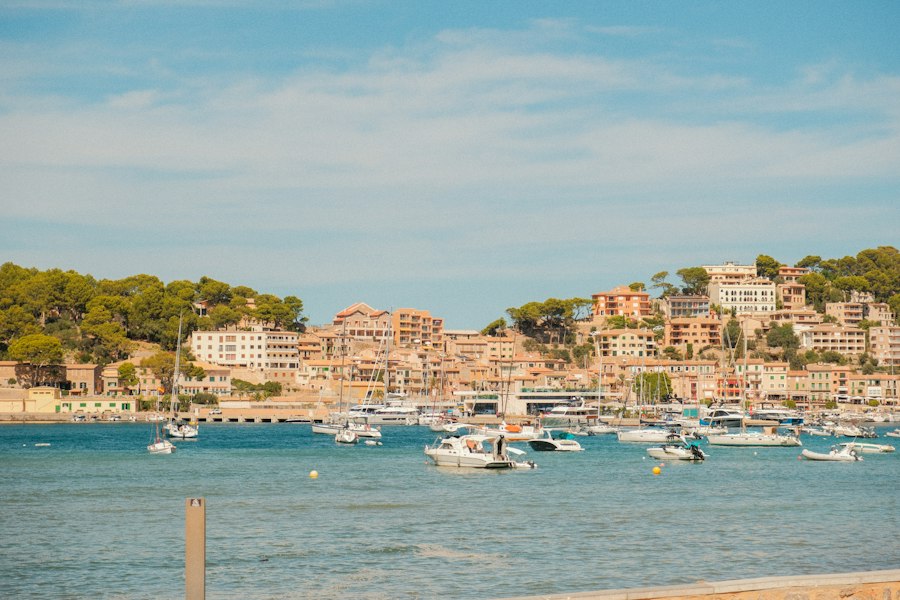
- Sóller and Port de Sóller: Sóller, nestled in a lush valley renowned for its citrus groves, is a vibrant town with a beautiful main square, Plaça de la Constitució. Take the historic wooden train (Tren de Sóller) from Palma to Sóller for a nostalgic journey through tunnels and orange orchards. From Sóller, a charming old tram connects you to Port de Sóller, a picturesque horseshoe-shaped bay with a marina, sandy beach, and numerous seafood restaurants.
Hiking and Cycling Opportunities
The Serra de Tramuntana is a paradise for hikers and cyclists. Numerous well-marked trails crisscross the mountains, ranging from gentle walks to challenging climbs. The GR221, also known as the Dry Stone Route, is a long-distance hiking trail that traverses the entire range, offering multi-day treks for experienced adventurers. Cyclists flock to the region to tackle its demanding ascents and exhilarating descents, often finding themselves sharing the road with professional cycling teams training for competitions. If you’re planning a cycling trip, consider visiting outside of the peak summer months when temperatures are more favorable.
The Allure of Majorca’s Coastline
Majorca boasts an incredible coastline stretching over 550 kilometers, featuring a dazzling array of beaches, coves, and cliffs. Whether you seek bustling stretches of golden sand, secluded rocky inlets, or dramatic coastal formations, you’ll find it here.
Iconic Beaches and Hidden Coves
- Es Trenc: Often hailed as Majorca’s most famous natural beach, Es Trenc is an expansive stretch of white sand backed by dunes and pine trees, resembling a Caribbean paradise. Its shallow, crystal-clear turquoise waters make it ideal for swimming and sunbathing. While beautiful, it can get very crowded in peak season, and parking can be costly.
- Cala d’Or: On the southeast coast, Cala d’Or is known for its series of picturesque coves (calas) with fine white sand and calm, clear waters. Cala Gran, Cala Ferrera, and Cala Esmeralda are popular choices, offering amenities and a family-friendly atmosphere.
- Cala Figuera: A charming fishing village rather than a beach, Cala Figuera offers a glimpse into traditional Majorcan life. Its natural, fjord-like harbor with whitewashed houses and bright blue fishing boats is incredibly photogenic. While you can’t swim here, it’s a lovely spot for a leisurely stroll and a seafood meal.
- Cala Llombards: Another beautiful cove on the southeast, Cala Llombards is smaller and less developed than some of its neighbors, offering a more tranquil experience with its clear waters and rugged surroundings.
- Sa Calobra and Torrent de Pareis: This dramatic and often-photographed destination involves a challenging drive down a famously winding road (the ‘Nudo de la Corbata’ or ‘Tie Knot’) to a small pebble beach nestled between towering cliffs. From here, you can walk through a tunnel to reach the spectacular Torrent de Pareis gorge, a natural monument. It’s truly stunning but can be exceptionally busy, especially when tour buses arrive. Consider visiting early in the morning or late afternoon.
Watersports and Boat Trips
The clear, warm waters surrounding Majorca are perfect for a variety of watersports. You can try paddleboarding, kayaking, snorkeling, diving, or even take a jet ski for an adrenaline rush. Many resorts offer equipment rental and lessons. Boat trips are also incredibly popular, ranging from short excursions to explore nearby coves to full-day catamaran cruises with lunch and swimming stops. Consider a glass-bottom boat tour to marvel at the underwater world without getting wet, or charter a private yacht for a luxurious day on the waves.
Immersing Yourself in Majorca’s Culture and History
Beyond its natural beauty, Majorca boasts a rich tapestry of history and culture, evident in its ancient cities, grand cathedrals, and vibrant local traditions. Taking time to delve into this aspect of the island will deepen your appreciation for its unique character.
Palma: The Capital City
Palma de Majorca, the island’s capital, is a sophisticated and bustling city that perfectly blends history with modernity. It’s easily accessible from virtually anywhere on the island and offers a wealth of attractions.
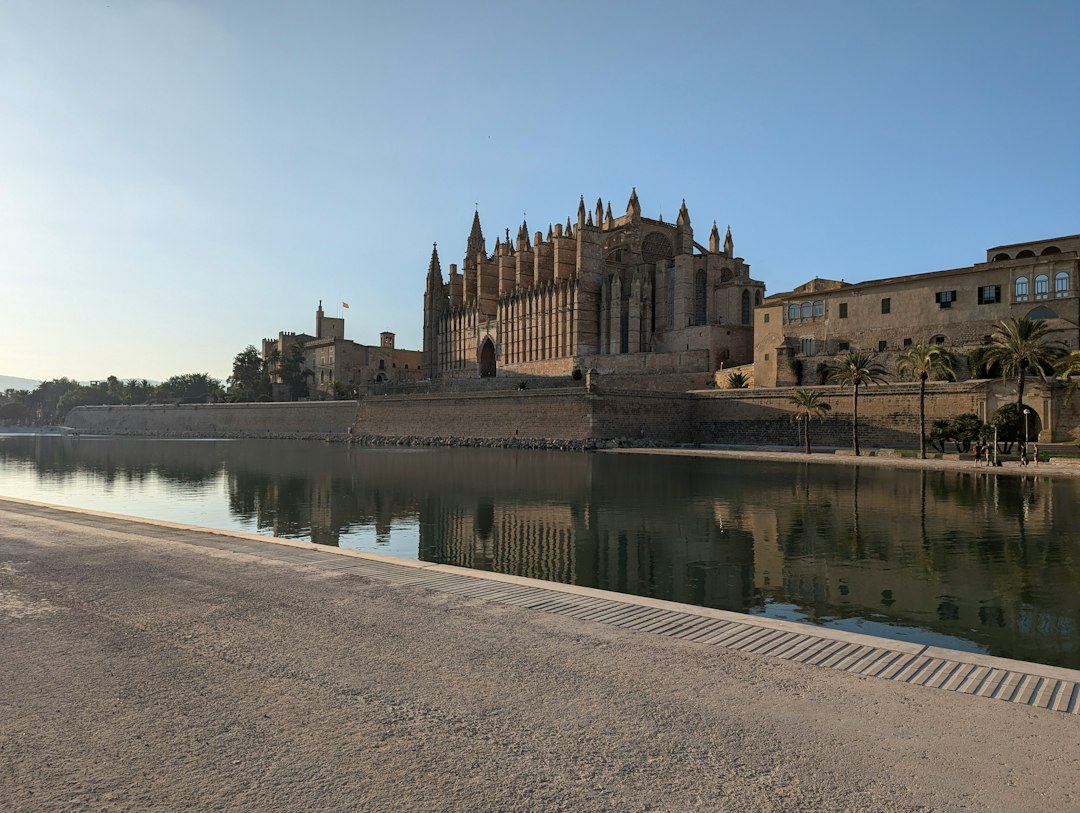
- La Seu Cathedral: The iconic Gothic cathedral, majestically overlooking Palma Bay, is a breathtaking masterpiece. Its rose window is one of the largest in the world, and elements of its interior were designed by Gaudí. Allocate ample time to explore its intricate details and enjoy the stunning sea views from its terraces (seasonal access may vary).
- Almudaina Palace: Adjacent to the cathedral, the Royal Palace of Almudaina was originally an Arab fortress and now serves as a royal residence. Its blend of Moorish and Gothic architecture is fascinating, and you can explore its courtyards, halls, and gardens.
- Casco Antiguo (Old Town): Lose yourself in the labyrinthine streets of Palma’s Old Town. Discover charming squares like Plaça Cort and Plaça Major, browse independent boutiques, and enjoy tapas at a traditional bar. The area around La Llonja (the old fish market, now an exhibition space) is particularly lively in the evenings.
- Bellver Castle: Perched on a hill just outside the city center, Bellver Castle is a unique circular Gothic castle offering panoramic views of Palma, the harbor, and the surrounding countryside. It houses the city’s history museum and is a fantastic spot for a picnic with a view.
- Shopping and Dining: Palma offers excellent shopping, from high-end designer stores along Passeig del Born and Jaume III to local crafts and souvenirs. The dining scene is equally impressive, with a vast array of restaurants serving traditional Majorcan cuisine, Spanish tapas, and international dishes. Don’t miss the Mercado de l’Olivar for a true local market experience.
Historic Towns and Markets
Beyond Palma, several other towns offer a glimpse into Majorca’s past and present.
- Alcúdia: A beautifully preserved medieval walled town in the north, Alcúdia boasts Roman ruins (Pollentia) and a charming historic center with narrow streets, quaint shops, and excellent restaurants. Its bustling market on Tuesdays and Sundays is one of the best on the island.
- Artà: Located in the northeast, Artà is a charming town dominated by the Sant Salvador Sanctuary, a fortified church offering superb views. The town itself has a relaxed atmosphere, artisan shops, and a lovely market on Tuesdays.
- Sineu: Situated in the center of the island, Sineu is famous for its traditional Majorcan market held every Wednesday. This is not just a tourist market; it’s a genuine local affair where you can find everything from fresh produce and livestock to clothing and crafts. It’s a fantastic place to observe local life.
Majorcan Gastronomy
Majorcan cuisine is a delightful fusion of Mediterranean flavors, heavily influenced by its agricultural bounty and proximity to the sea. You must try “pa amb oli,” simple yet delicious bread with olive oil and various toppings, and “sobrassada,” a cured paprika sausage. Seafood is, naturally, a staple, with fresh catches available daily. Don’t leave without tasting “ensaimada,” a spiral-shaped pastry, perfect for breakfast or as a souvenir. Pair your meals with excellent local wines from regions like Binissalem or Pla i Llevant.
If you’re planning a trip to Majorca, you’ll want to explore its stunning beaches, charming villages, and vibrant nightlife. A great resource for discovering what to see and places to visit, as well as tips on what to avoid, can be found in this informative article. It highlights the best attractions, from the breathtaking Serra de Tramuntana mountains to the historic streets of Palma. For more insights, check out this helpful guide that ensures you make the most of your visit while steering clear of tourist traps.
Practical Tips and What to Avoid
To ensure your Majorcan experience is as smooth and enjoyable as possible, keep these practical tips in mind and be aware of potential pitfalls.
Getting Around the Island
- Car Rental: For maximum flexibility and to explore the island’s hidden gems, renting a car is highly recommended. Book well in advance, especially during peak season, and compare prices from different companies. Be aware that many smaller rental cars have manual transmissions. Navigating the mountain roads can be challenging, so confidence behind the wheel is a plus.
- Public Transport: Majorca has a decent public bus network connecting major towns and resorts, particularly around Palma. The train from Palma to Sóller is a tourist attraction in itself. However, public transport can be less frequent in rural areas, making it less ideal for exploring off-the-beaten-path locations.
- Taxis: Taxis are readily available in towns and at the airport. They are generally metered, but always confirm an approximate fare for longer journeys. Ride-sharing apps are not as prevalent or reliable as in larger cities.
Best Time to Visit
- Shoulder Seasons (April-May, September-October): These are arguably the best times to visit Majorca. The weather is pleasantly warm, ideal for hiking, cycling, and sightseeing, but not overwhelmingly hot for beach days. The crowds are thinner, and prices for flights and accommodation are generally more reasonable.
- Summer (June-August): Majorca is buzzing in summer, with guaranteed sunshine and high temperatures. This is peak beach season, but it also means crowded attractions, higher prices, and intense heat, especially in July and August. If you visit in summer, book everything far in advance.
- Winter (November-March): While cooler, Majorca still enjoys milder winters than much of northern Europe. Many coastal resorts quieten down, but Palma remains lively. This is a good time for hiking, cycling, and exploring the cultural side of the island without the crowds. Some hotels and restaurants outside Palma may close for the season.
What to Avoid
- Over-reliance on Resort Towns: While resorts like Magaluf and El Arenal offer lively nightlife and all-inclusive packages, focusing solely on these areas means missing out on the island’s authentic beauty and culture. Venture beyond your resort to truly experience Majorca.
- Not Booking in Advance (Peak Season): If you plan to visit in July or August, failing to book flights, accommodation, and rental cars well in advance can lead to disappointment, limited choices, and inflated prices. Popular restaurants and boat trips also fill up quickly.
- Ignoring Siesta Hours: In smaller towns, many shops and businesses close for a few hours in the early afternoon for siesta (typically 2 PM to 5 PM). Plan your activities accordingly, perhaps using this time for lunch, a siesta yourself, or a leisurely beach break. Palma and larger tourist areas are less affected.
- Sunburn and Dehydration: The Majorcan sun is potent. Always wear high-factor sunscreen, a hat, and sunglasses, especially between 11 AM and 4 PM. Drink plenty of water throughout the day to stay hydrated.
- Disrespecting Local Culture: While Majorca is accustomed to tourism, remember you are visiting someone’s home. Be respectful of local customs, dress appropriately when visiting religious sites, and make an effort to learn a few basic Spanish or Catalan phrases (Hola, Gracias, Por favor, Adiós).
- Only Sticking to the Beaten Path: Majorca rewards exploration. While the famous spots are popular for a reason, some of the most memorable experiences come from stumbling upon a secluded cove, a traditional market, or a charming village not listed in every guide book. Renting a car allows for this spontaneous discovery.
If you’re planning a trip to Majorca, be sure to check out this informative article that highlights the top attractions and hidden gems on the island, as well as tips on what to avoid during your visit. From stunning beaches and charming villages to breathtaking landscapes, Majorca offers a plethora of experiences for every traveler. To enhance your adventure, you might also want to explore some of the world’s most beautiful waterfalls, which can provide a refreshing escape from the sun. For more details, visit this article that showcases the top 10 waterfalls around the globe.
Making the Most of Your Majorcan Adventure
Majorca is an island of endless possibilities, a place where dramatic natural beauty meets rich history and vibrant culture. By choosing to explore beyond the well-trodden paths, immersing yourself in the local way of life, and keeping practical advice in mind, you are poised to create an unforgettable journey. Whether you’re hiking the rugged peaks of the Tramuntana, relaxing on a pristine beach, or savoring authentic Majorcan cuisine in a bustling town square, this jewel of the Mediterranean promises an experience that will linger in your memories long after you’ve returned home. Embrace the island’s diverse offerings, plan wisely, and let Majorca charm you with its undeniable magic.