Natural ways to lower Blood pressure
You’ve probably heard the statistics, or perhaps you’ve felt the silent creep of hypertension yourself. High blood pressure, or hypertension, isn’t just a number on a doctor’s chart; it’s a silent threat that can lead to heart disease, stroke, kidney failure, and even vision loss. The good news is that you don’t have to surrender to these risks. While medication plays a vital role for many, you possess a remarkable ability to influence your blood pressure through natural, sustainable lifestyle changes. This article will guide you through a comprehensive array of natural strategies, empowering you to take charge of your cardiovascular health.
Before diving into solutions, it’s crucial to grasp why managing your blood pressure is so important. Your heart works tirelessly, pumping blood through a network of arteries, veins, and capillaries. Blood pressure is simply the force with which your blood pushes against the walls of these arteries. When this force is consistently too high, it puts extra strain on your heart and damages your blood vessels over time. Think of it like a hose with too much pressure – eventually, the hose will weaken and potentially burst.
The Numbers Game: What Do They Mean?
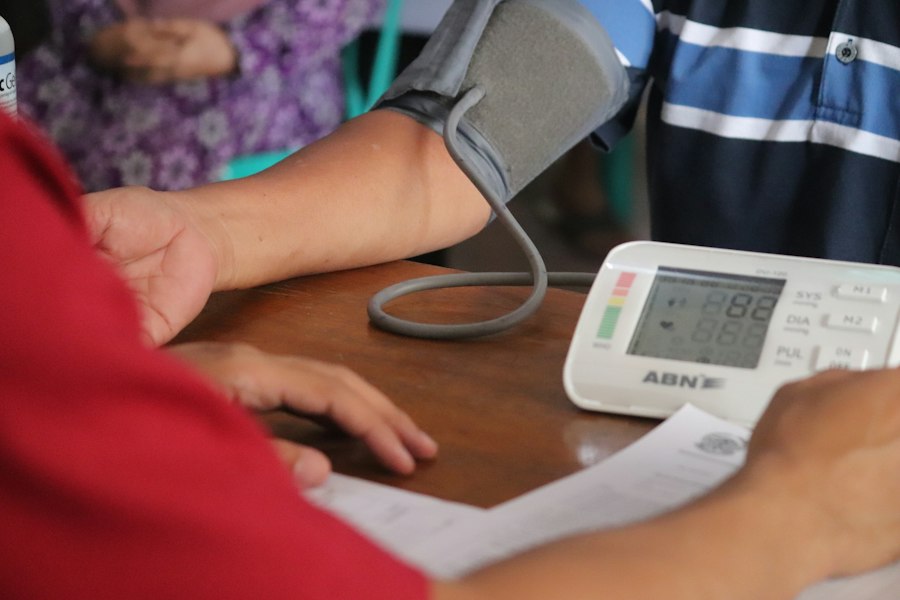
When you get your blood pressure checked, you’re given two numbers: systolic and diastolic.
- Systolic Pressure: This is the top number and represents the pressure in your arteries when your heart beats.
- Diastolic Pressure: This is the bottom number and represents the pressure in your arteries when your heart rests between beats.
Ideally, you want your blood pressure to be below 120/80 mmHg. When it consistently climbs to 130/80 mmHg or higher, you’re entering the territory of hypertension. Understanding these numbers is the first step toward taking proactive measures.
The Stakes Are High: Long-Term Consequences
Ignoring high blood pressure can have severe long-term consequences. You’re increasing your risk of:
- Heart Attack and Stroke: The leading causes of death worldwide, often linked to uncontrolled hypertension.
- Aneurysms: Weakening of blood vessel walls, which can rupture and cause life-threatening bleeding.
- Kidney Disease: High blood pressure can damage the small blood vessels in your kidneys, impairing their ability to filter waste.
- Vision Loss: Delicate blood vessels in your eyes can be damaged, leading to vision problems or blindness.
- Dementia: Some research suggests a link between long-term hypertension and cognitive decline.
Recognizing these risks isn’t meant to frighten you, but to underscore the profound impact you can have by embracing natural blood pressure management.
If you’re looking for natural ways to lower blood pressure, you might find it beneficial to explore the relationship between stress and blood pressure management. A related article discusses how cortisol, the stress hormone, can impact your overall health and contribute to elevated blood pressure levels. You can read more about this connection and discover strategies to manage cortisol levels by visiting this link: Cortisol and Blood Pressure Management.
Fueling Your Heart: The Power of Your Diet
What you put into your body has a monumental impact on your blood pressure. Think of your diet as the foundation of your health, and by making conscious, informed choices, you can build a stronger, healthier cardiovascular system.
Embracing the DASH Diet: A Proven Approach
The Dietary Approaches to Stop Hypertension (DASH) diet isn’t just a trendy fad; it’s a scientifically proven eating plan specifically designed to lower blood pressure. It emphasizes:
- Fruits and Vegetables: Aim for a generous intake daily. These are packed with potassium, magnesium, and fiber – all crucial for blood pressure regulation. Think colorful salads, fruit as snacks, and incorporating vegetables into every meal.
- Whole Grains: Opt for whole wheat bread, brown rice, oats, and quinoa over refined grains. They provide sustained energy and fiber.
- Lean Protein: Choose poultry, fish, beans, lentils, and nuts. Limit red meat and processed meats.
- Low-Fat Dairy: Include skim milk, low-fat yogurt, and cottage cheese for calcium, another important mineral.
- Healthy Fats: Avocados, nuts, seeds, and olive oil provide beneficial fats that can improve cholesterol levels and contribute to overall heart health.
The Sodium Trap: Reducing Your Salt Intake
This is arguably one of the most critical dietary changes you can make. Most people consume far too much sodium, which can cause your body to retain fluid, thereby increasing blood pressure.
- Read Labels Carefully: Sodium hides in many unexpected places, even in seemingly “healthy” foods. Look for “low sodium” or “no added salt” options.
- Limit Processed Foods: Canned soups, frozen dinners, deli meats, and fast food are notorious for their high sodium content. Cooking at home gives you control.
- Season with Herbs and Spices: Discover the world of flavor beyond salt. Garlic powder, onion powder, paprika, cumin, and fresh herbs can elevate your dishes without the added sodium.
- Be Mindful of Condiments: Soy sauce, ketchup, and salad dressings can be sodium bombs. Opt for low-sodium versions or make your own.
Potassium Power: Balancing Your Electrolytes
Potassium is a true hero when it comes to blood pressure. It helps counteract the effects of sodium and relaxes the walls of your blood vessels. Many people don’t get enough potassium in their diet.
- Potassium-Rich Foods: Incorporate bananas, oranges, potatoes (with the skin), sweet potatoes, spinach, broccoli, avocados, and tomatoes into your daily meals.
- Avoid Potassium Supplements (Unless Advised): While dietary potassium is beneficial, high doses from supplements can be dangerous for some individuals, especially those with kidney issues. Always consult your doctor before taking any supplements.
Magnesium and Calcium: Other Key Players
These minerals also play a supportive role in blood pressure regulation.
- Magnesium Sources: Green leafy vegetables, nuts, seeds, whole grains, and dark chocolate are good sources. Magnesium helps relax blood vessels.
- Calcium Sources: Dairy products, fortified plant milks, leafy greens, and sardines provide calcium, which is important for healthy blood vessel function.
Moving Your Body: The Benefits of Regular Exercise
Your heart is a muscle, and just like any other muscle, it benefits from regular exercise. Physical activity strengthens your heart, making it more efficient at pumping blood, which in turn can lower your blood pressure.
The Cardio Advantage: Aerobic Exercise
Aerobic exercise, also known as cardio, is your best friend for blood pressure management. It gets your heart rate up and improves your cardiovascular fitness.
- Aim for at Least 150 Minutes a Week: This is the general recommendation for moderate-intensity aerobic activity. Think brisk walking, jogging, cycling, swimming, or dancing.
- Break It Up: You don’t have to do it all at once. Even 10-minute bouts of activity throughout the day add up.
- Find Activities You Enjoy: Consistency is key, so choose activities that you genuinely like and that fit into your lifestyle. This makes it much easier to stick with them.
- Start Gradually: If you’re new to exercise, begin slowly and gradually increase the duration and intensity. Consult your doctor before starting any new exercise program, especially if you have pre-existing health conditions.
Strength Training: Building a Stronger Foundation
While cardio is paramount, don’t overlook the benefits of strength training. Building muscle mass can help improve your metabolism and contribute to overall health.
- Incorporate 2-3 Sessions Per Week: Use weights, resistance bands, or your own body weight (push-ups, squats, planks).
- Proper Form is Essential: To prevent injuries, focus on correct technique. If unsure, consider consulting a personal trainer.
Flexibility and Balance: Complementary Benefits
Activities like yoga and Pilates can also contribute to overall well-being, reduce stress, and improve flexibility, indirectly supporting your cardiovascular health.
- Stress Reduction: Many forms of exercise, especially mindful practices like yoga, can significantly reduce stress, a known contributor to high blood pressure.
Conquering Stress: Taming the Inner Turmoil
Stress is more than just a feeling; it has a profound physiological impact on your body, including your blood pressure. When you’re stressed, your body releases hormones like adrenaline and cortisol, which temporarily constrict blood vessels and increase your heart rate. While this is a natural “fight or flight” response, chronic stress can lead to sustained high blood pressure.
Mindfulness and Meditation: Cultivating Calm
These practices are powerful tools for managing stress and promoting relaxation.
- Daily Practice: Even 10-15 minutes of mindfulness or meditation a day can make a significant difference. There are many guided meditations available online and through apps.
- Focus on Your Breath: Deep, diaphragmatic breathing helps activate your parasympathetic nervous system, which promotes relaxation. Inhale slowly through your nose, letting your belly rise, then exhale slowly through your mouth.
- Mindful Awareness: Pay attention to the present moment without judgment. Notice your thoughts, feelings, and sensations as they arise and pass.
Yoga and Tai Chi: Movement and Serenity
These ancient practices combine physical movement with deep breathing and mindfulness, offering a holistic approach to stress reduction.
- Gentle Movements: They are often low-impact and accessible to people of various fitness levels.
- Improved Flexibility and Balance: In addition to stress relief, they can enhance physical well-being.
Spending Time in Nature: The “Green Therapy”
Research shows that spending time outdoors can lower stress levels, improve mood, and even reduce blood pressure.
- “Forest Bathing”: This Japanese practice of immersing yourself in a natural environment has been shown to have measurable health benefits.
- Regular Walks: Even a short walk in a park can be rejuvenating.
Prioritizing Sleep: Restoring Your Body and Mind
Lack of adequate sleep can contribute to chronic stress and elevate blood pressure. Your body needs sufficient rest to repair and regenerate.
- Aim for 7-9 Hours Per Night: Establish a consistent sleep schedule, even on weekends.
- Create a Relaxing Bedtime Routine: Avoid screens before bed, keep your bedroom dark and cool, and consider calming activities like reading or a warm bath.
- Address Sleep Disorders: If you suspect you have sleep apnea or another sleep disorder, consult your doctor.
If you’re looking for effective strategies to manage your blood pressure naturally, you might find it helpful to explore a related article on dietary approaches. This piece offers insights into how certain foods can play a significant role in lowering blood pressure. For more information, check out this informative article on natural ways to lower blood pressure. Incorporating these dietary changes can lead to better overall health and well-being.
Lifestyle Adjustments: Beyond Diet and Exercise
While diet and exercise are foundational, several other lifestyle choices can significantly impact your blood pressure. These are often intertwined with your overall health and well-being.
Quitting Smoking: A Non-Negotiable Step
If you smoke, quitting is one of the single most impactful things you can do for your cardiovascular health. Nicotine temporarily raises your blood pressure and heart rate, and the chemicals in tobacco smoke damage your blood vessel walls, leading to hardening of the arteries.
- Seek Support: Quitting smoking can be challenging, but many resources are available to help you, including nicotine replacement therapy, medications, and support groups.
- Immediate Benefits: The benefits of quitting begin almost immediately and continue to accumulate over time.
Limiting Alcohol Intake: Moderation is Key
While moderate alcohol consumption (one drink per day for women, up to two for men) may have some cardiovascular benefits for certain individuals, excessive alcohol intake can significantly raise blood pressure.
- Understand What “Moderate” Means: A standard drink is typically 12 ounces of beer, 5 ounces of wine, or 1.5 ounces of 80-proof spirits.
- Be Honest with Yourself: If you find yourself exceeding these limits regularly, consider cutting back or abstaining altogether.
Maintaining a Healthy Weight: Reducing the Load
Obesity and being overweight are significant risk factors for high blood pressure. Carrying excess weight puts an extra strain on your heart, forcing it to work harder to pump blood throughout your body.
- Even Small Changes Help: Losing even a small amount of weight can have a positive impact on your blood pressure.
- Combine Diet and Exercise: The most effective approach to sustainable weight loss involves a combination of a healthy diet and regular physical activity.
- Consult a Professional: If you’re struggling with weight loss, consider working with a registered dietitian or a weight loss specialist.
Monitoring Your Blood Pressure at Home: Empowering Yourself
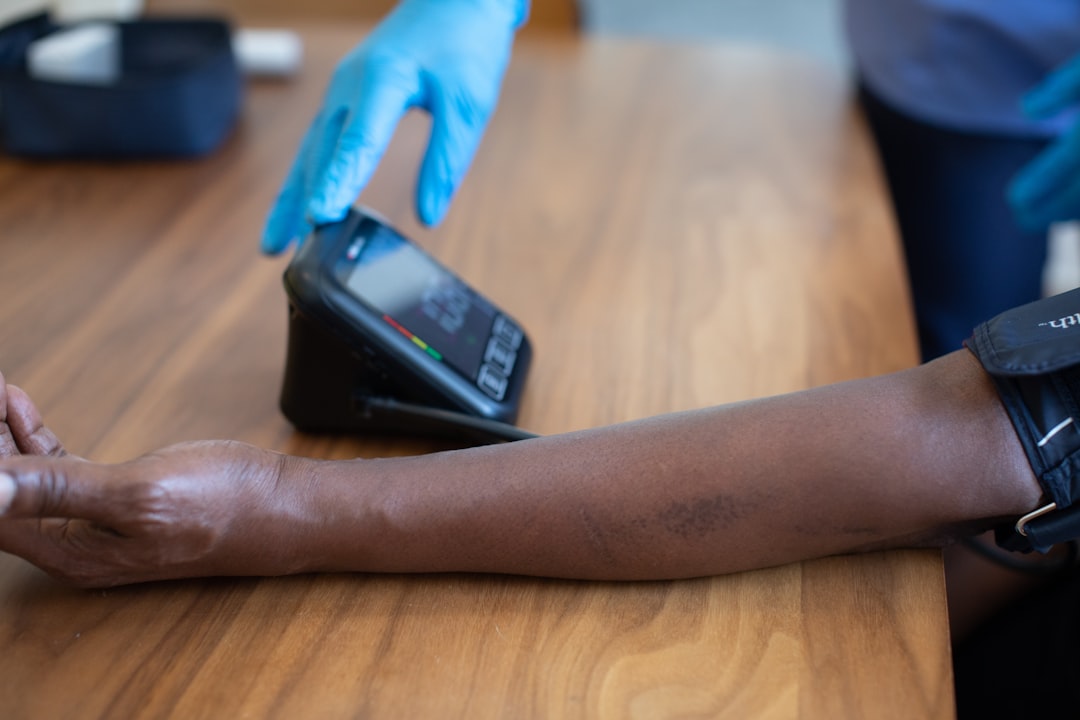
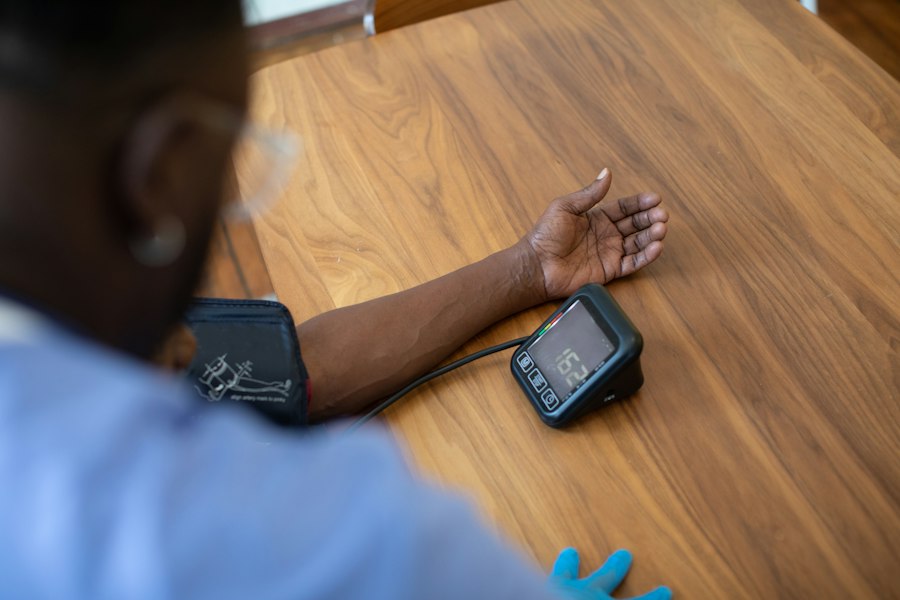
Regularly checking your blood pressure at home empowers you to track your progress and identify potential issues.
- Invest in a Reliable Monitor: Choose an automatic cuff-style monitor that fits your arm properly.
- Follow Instructions Carefully: Ensure you’re taking your readings correctly (sitting quietly, feet flat on the floor, arm supported at heart level).
- Keep a Log: Record your readings, along with the time and any factors that might have influenced them (e.g., stress, exercise). Share this log with your doctor.
- Don’t Self-Medicate: Home monitoring is for information and tracking, not for making changes to your medication without consulting your doctor.
The Holistic Approach: Combining Strategies for Optimal Results
You’ve now explored a range of natural strategies to lower your blood pressure. The key to success lies not in picking just one or two, but in embracing a holistic approach that integrates multiple healthy habits into your daily life. Think of it as building a robust defense system for your heart.
Consistency is Your Superpower: The Long Game
Lowering blood pressure naturally is not a quick fix; it’s a journey. You won’t see dramatic changes overnight, but consistent effort over weeks and months will yield significant and sustainable results.
- Patience and Persistence: Don’t get discouraged if you don’t see immediate changes. Small, consistent efforts add up over time.
- Celebrate Small Victories: Acknowledge your progress, whether it’s sticking to your exercise routine, choosing healthier snacks, or getting a good night’s sleep.
Working with Your Healthcare Team: A Partnership for Health
While natural methods are incredibly powerful, they should always complement, not replace, the guidance of your doctor.
- Open Communication: Discuss all your lifestyle changes and any concerns you have with your healthcare provider.
- Medication Review: If you’re on blood pressure medication, your doctor may be able to adjust or reduce your dosage over time as your natural efforts take hold, but never do so without their explicit instruction.
- Regular Check-ups: Continue with your routine medical check-ups to monitor your blood pressure and overall health.
Embracing a Sustainable Lifestyle: Making It Stick
The goal isn’t just to lower your blood pressure, but to adopt a lifestyle that promotes long-term cardiovascular health and overall well-being.
- Find Your “Why”: Connect with the deeper reasons you want to be healthy – for your family, for your energy, for your future.
- Build a Support System: Share your goals with friends and family. Having people who encourage and support you can make a huge difference.
- Be Kind to Yourself: There will be days when you falter. Don’t let a slip-up derail your entire effort. Get back on track the next day with renewed determination.
By understanding the importance of blood pressure management, nourishing your body with nutrient-rich foods, moving regularly, taming stress, and making conscious lifestyle choices, you are empowering yourself to take control of your health. This isn’t just about numbers; it’s about reclaiming your vitality, protecting your future, and living a fuller, healthier life. You have the power to make these changes, and your heart will thank you for it.