Relaxation techniques for stress relief
Stress is a natural physiological and psychological response that occurs when you face challenges or demands. It can originate from multiple sources, such as workplace obligations, interpersonal conflicts, or major life transitions. When exposed to stress, your body triggers the fight-or-flight response, which releases hormones including adrenaline and cortisol.
Although this reaction provides short-term benefits—enabling rapid responses in dangerous situations—prolonged stress exposure can result in numerous health complications. These may include headaches, gastrointestinal disturbances, and serious conditions such as cardiovascular disease if stress persists over extended periods. Beyond physical symptoms, stress produces significant psychological effects.
You may experience mood changes, including heightened irritability and anxiety. Stress also impairs cognitive performance, potentially affecting your ability to concentrate and make decisions. The emotional consequences of chronic stress include feelings of overwhelm and helplessness, which can diminish your capacity to engage in and enjoy routine activities.
Recognizing the complex nature of stress and its various effects on your physical, emotional, and cognitive well-being is essential for developing effective stress management strategies.
Key Takeaways
- Stress negatively impacts both mental and physical health, making management essential.
- Relaxation techniques effectively reduce stress and promote overall well-being.
- Various methods like mindfulness, progressive muscle relaxation, and breathing exercises cater to different preferences.
- Visualization and guided imagery help calm the mind and enhance stress relief.
- Regular practice and integrating relaxation techniques into daily routines prevent stress buildup.
The Benefits of Relaxation Techniques for Stress Relief
In the quest for a balanced life, relaxation techniques serve as invaluable tools for managing stress. Engaging in these practices can help you regain a sense of control and calm amidst the chaos of daily life. One of the most significant benefits is the reduction of stress hormones in your body.
When you actively participate in relaxation techniques, you signal to your body that it is time to unwind, allowing your heart rate and blood pressure to decrease. This physiological response not only helps you feel more at ease but also contributes to long-term health benefits. Additionally, relaxation techniques can enhance your overall well-being by promoting mental clarity and emotional stability.
You may find that regular practice leads to improved focus and productivity, as a relaxed mind is better equipped to tackle challenges. Furthermore, these techniques can foster a greater sense of self-awareness, enabling you to identify stress triggers and respond to them more effectively. By incorporating relaxation into your routine, you create a sanctuary for yourself—a space where you can recharge and cultivate resilience against life’s inevitable pressures.
Different Types of Relaxation Techniques
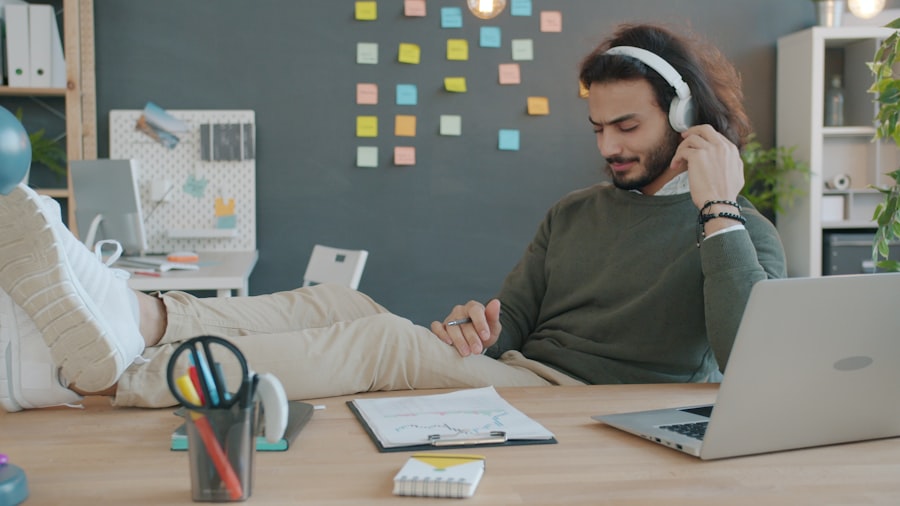
The world of relaxation techniques is diverse, offering various methods that cater to different preferences and lifestyles. You might find that some techniques resonate more with you than others, allowing you to create a personalized approach to stress relief. One popular method is progressive muscle relaxation (PMR), which involves systematically tensing and relaxing different muscle groups in your body.
This technique not only helps release physical tension but also encourages mindfulness as you become more attuned to your body’s sensations. Another effective approach is guided imagery, where you visualize peaceful scenes or experiences that evoke feelings of tranquility. This technique can transport you away from stressors and into a mental space that promotes relaxation.
Additionally, breathing exercises are simple yet powerful tools that can be practiced anywhere, anytime. By focusing on your breath, you can ground yourself in the present moment and alleviate feelings of anxiety. Exploring these various techniques allows you to discover what works best for you, empowering you to take charge of your stress management journey.
Mindfulness and Meditation for Stress Relief
Mindfulness and meditation are two powerful practices that have gained popularity for their effectiveness in reducing stress. Mindfulness involves being fully present in the moment, observing your thoughts and feelings without judgment. By cultivating mindfulness, you can develop a greater awareness of your stress triggers and learn to respond to them with a sense of calm rather than reactivity.
This practice encourages you to embrace the present rather than getting lost in worries about the future or regrets about the past. Meditation takes mindfulness a step further by providing structured techniques for quieting the mind. You may choose to engage in guided meditations or simply sit in silence, focusing on your breath or a specific mantra.
Regular meditation practice can lead to profound changes in your mental landscape, helping you cultivate a sense of inner peace and resilience against stressors. As you incorporate mindfulness and meditation into your routine, you’ll likely notice an increased ability to navigate life’s challenges with grace and composure.
Progressive Muscle Relaxation for Stress Relief
Progressive muscle relaxation (PMR) is a technique that offers a unique approach to stress relief by focusing on the physical sensations within your body. As you practice PMR, you’ll systematically tense and then relax each muscle group, starting from your toes and working your way up to your head. This process not only helps release built-up tension but also enhances your awareness of how stress manifests physically.
You may find that by recognizing areas of tightness or discomfort, you’re better equipped to address them proactively. The beauty of PMR lies in its accessibility; it can be practiced almost anywhere and requires no special equipment. Whether you’re at home, in the office, or even in a quiet corner during a busy day, taking just a few minutes to engage in this technique can yield significant benefits.
As you become more familiar with PMR, you’ll likely notice an increased ability to relax on command, allowing you to navigate stressful situations with greater ease and confidence.
Breathing Techniques for Stress Relief
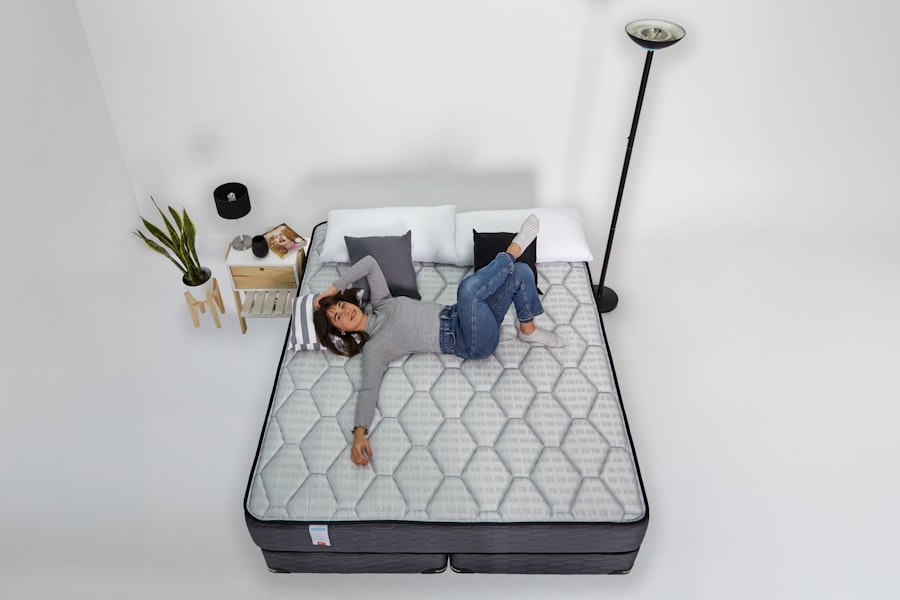
Breathing techniques are among the simplest yet most effective methods for managing stress. Your breath is a powerful tool that can influence both your physical state and emotional well-being. When you’re stressed, your breathing often becomes shallow and rapid; however, by consciously slowing down your breath, you can activate your body’s relaxation response.
Techniques such as deep belly breathing or the 4-7-8 method encourage you to inhale deeply through your nose, hold for a few seconds, and exhale slowly through your mouth. Incorporating breathing exercises into your daily routine can create a sense of calm that permeates other aspects of your life. You might find it helpful to set aside a few moments each day for focused breathing practice or utilize these techniques during stressful situations as they arise.
By training yourself to return to your breath when faced with challenges, you’ll cultivate resilience and enhance your ability to cope with stress effectively.
Visualization and Guided Imagery for Stress Relief
Visualization and guided imagery are powerful techniques that harness the imagination’s potential to promote relaxation and reduce stress. When you engage in visualization, you’re essentially creating a mental escape—a serene landscape or a peaceful moment that allows you to step away from the pressures of daily life. This practice encourages you to immerse yourself fully in the experience, engaging all your senses as you envision calming scenes.
Guided imagery takes this concept further by providing structured narratives or scripts that lead you through relaxing scenarios. You might listen to recordings or follow along with a guided session that helps transport you to a tranquil beach or a serene forest. The beauty of these techniques lies in their ability to evoke feelings of peace and tranquility without requiring extensive time commitments or resources.
By incorporating visualization into your relaxation toolkit, you’ll discover an effective way to manage stress while nurturing your creativity and imagination.
Incorporating Relaxation Techniques into Daily Life for Stress Prevention
To truly reap the benefits of relaxation techniques, it’s essential to integrate them into your daily life as preventive measures against stress. You might start by setting aside dedicated time each day for relaxation practices—whether it’s meditation in the morning or progressive muscle relaxation before bed. Creating a routine not only reinforces the habit but also signals to your mind and body that self-care is a priority.
Additionally, consider incorporating mini-relaxation moments throughout your day. Simple practices like taking a few deep breaths during breaks at work or visualizing a calming scene during lunch can make a significant difference in how you manage stress. By weaving these techniques into the fabric of your daily life, you’ll cultivate resilience against stressors and foster a greater sense of well-being overall.
In conclusion, understanding stress and its effects is the first step toward effective management. By exploring various relaxation techniques—such as mindfulness, progressive muscle relaxation, breathing exercises, visualization, and guided imagery—you empower yourself with tools that promote calmness and resilience. As you incorporate these practices into your daily routine, you’ll not only alleviate current stress but also build a foundation for long-term well-being and peace of mind.
If you’re looking to enhance your relaxation techniques for stress relief, you might find it beneficial to explore the concept of cold water therapy. This method has gained popularity for its potential health benefits, including stress reduction. For more insights on this topic, check out the article on cold water therapy.