Solo camping, how to do it and what not to do
I used to be terrified of the idea. Utterly, paralyzingly, terrified. The silence, the vastness of nature without another human being in sight, the sheer responsibility of my own well-being – it all felt like a recipe for disaster. But a persistent whisper, a yearning for quiet contemplation and a deep dive into my own thoughts, finally pushed me to take the plunge. Solo camping. It wasn’t just about the challenge; it was about reclaiming a space for myself, a space where I could shed the expectations of others and simply be.
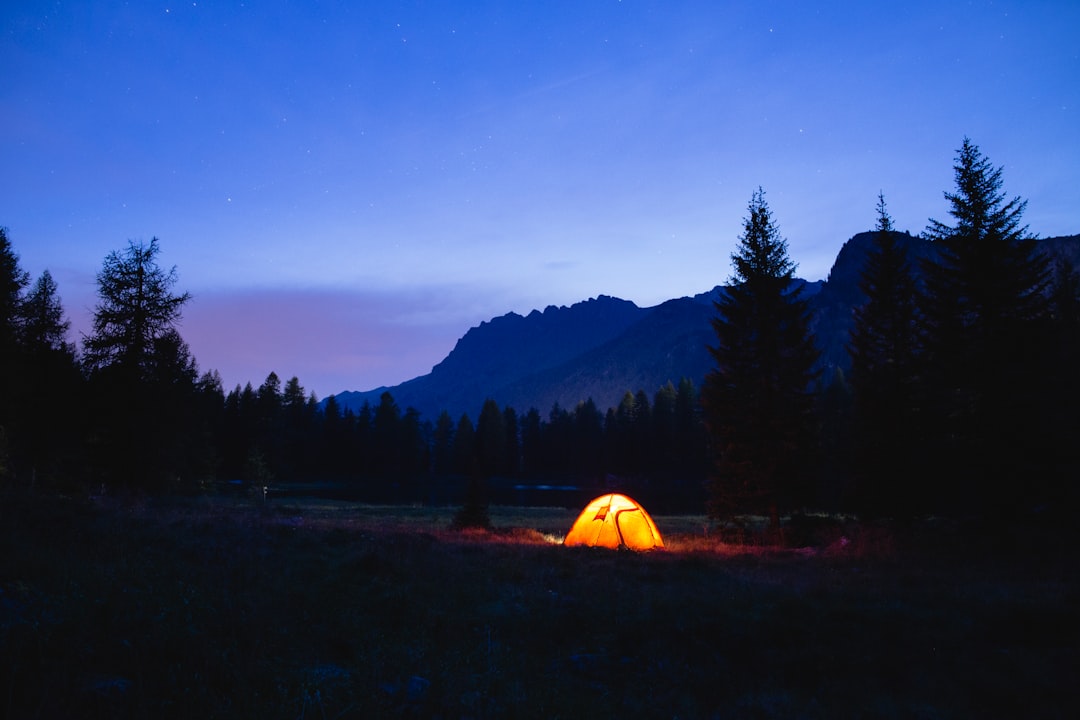
My first solo trip was a nervous affair. I double-checked my gear list a dozen times, imagined every possible scenario (bear attack, getting lost, sudden existential crisis brought on by extreme solitude), and probably overpacked enough emergency supplies for a small apocalypse. But as I finally set up my tent under a canopy of stars, a profound sense of peace washed over me. It was exhilarating, empowering, and surprisingly, incredibly rewarding.
Now, after several solo expeditions, I can confidently say that it’s one of the most fulfilling experiences I’ve ever had. It’s a chance to disconnect from the noise and reconnect with yourself. If you’re feeling that same whisper of curiosity, that pull towards solitude in nature, then this is for you. I want to share what I’ve learned, both through trial and error, to help you navigate your own solo camping adventure safely and enjoyably.
There’s a certain magic that only happens when you’re truly by yourself in nature. It’s not about loneliness; it’s about a deep, unadulterated connection with your surroundings and, more importantly, with yourself.
Discovering Your Inner Compass
When you’re solo camping, there’s no one else to rely on for decisions. You are the navigator, the chef, the fire-starter, the problem-solver. This forces you to tap into your own intuition and resourcefulness. I remember one trip where I had to figure out how to improvise a shelter when unexpected rain rolled in. It was challenging, but the feeling of accomplishment was immense.
Uninterrupted Self-Reflection
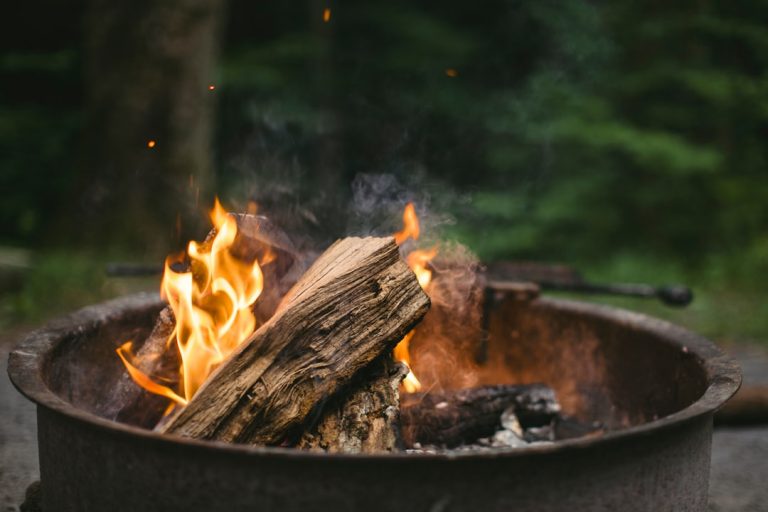
The absence of external distractions allows for a level of introspection that’s hard to achieve in our busy, connected lives. I’ve had some of my most profound “aha!” moments while staring into a campfire or listening to the symphony of the forest. It’s a mental reset button, a chance to process thoughts and emotions without interruption.
Embracing the Quiet
In a world constantly buzzing with notifications and chatter, the quiet of nature is a balm for the soul. Solo camping offers an opportunity to truly appreciate silence, to hear your own thoughts, and to simply exist in the present moment. The rustling leaves, the distant hoot of an owl – these become your companions.
Building Confidence and Resilience
Every successful solo trip, no matter how small, builds your confidence. You learn to trust your abilities, to overcome challenges, and to feel a sense of self-reliance that is incredibly empowering. I used to second-guess myself constantly. Now, I know I can handle whatever nature throws my way (within reason, of course!).
If you’re considering solo camping, it’s essential to be well-prepared and informed about the best practices to ensure a safe and enjoyable experience. A great resource to explore is the article on solo camping tips, which covers essential dos and don’ts for your adventure. You can find valuable insights on how to choose the right location, pack efficiently, and stay safe while enjoying the tranquility of nature. For more information, check out this helpful guide on solo camping: Solo Camping Tips.
Preparation is Paramount: Laying the Foundation for Success
This is where I learned the most valuable lessons, often through the school of hard knocks. Being well-prepared is not about overthinking; it’s about ensuring your safety and comfort so you can actually enjoy the experience.
Choosing Your Destination Wisely
The first solo trip doesn’t need to be Mount Everest. Start with something familiar and manageable.
Familiar Trails and Campgrounds
For your inaugural solo adventure, I highly recommend choosing a place you’ve visited before, perhaps with a friend or family. This familiarity breeds a sense of comfort and reduces the anxiety of the unknown. You’ll already have a general idea of the terrain, water sources, and potential hazards.
Well-Maintained Trails with Good Cell Service
When you’re starting out, prioritize trails that are well-marked and maintained. A location with reliable cell service, even if it’s intermittent, can provide an added layer of security. Knowing you can make a call in a genuine emergency is a huge comfort.
Proximity to Civilization (Initially)
It’s also wise to select a campsite that isn’t in the absolute middle of nowhere for your first few solo trips. Being within a reasonable distance of a ranger station or a small town can offer peace of mind, knowing help isn’t impossibly far away if needed.
Essential Gear for the Solo Explorer
Packing smart is crucial. You want to be prepared for anything, but you also don’t want to be weighed down by unnecessary items.
The Shelter System: Tent, Sleeping Bag, and Pad
Your tent is your sanctuary. Ensure it’s sturdy, waterproof, and appropriately sized for one person. A good sleeping bag rated for the expected temperatures and a comfortable sleeping pad are non-negotiable for a good night’s sleep, which is vital for your well-being.
Navigation Tools: Map, Compass, and GPS
Even with cell service, relying solely on your phone is risky. Invest in a physical map of the area and a reliable compass. Learn how to use them! A GPS device or a reliable navigation app on your phone can be a great backup.
Food and Water: Staying Nourished and Hydrated
Plan your meals carefully. Dehydrated meals are lightweight and easy to prepare. Bring more water than you think you’ll need, or invest in a water filter or purification tablets. Knowing how to safely access and treat water is a vital skill.
Safety and First-Aid Kit: Be Ready for Anything
This is non-negotiable. A comprehensive first-aid kit, including bandages, antiseptic wipes, pain relievers, blister treatment, and any personal medications, is essential. Consider carrying a whistle, a headlamp with extra batteries, and a multi-tool.
Bear Safety (If Applicable): Knowledge is Your Best Defense
If you’re camping in bear country, educate yourself thoroughly. This means proper food storage (bear canister or hanging your food), making noise while hiking, and knowing what to do if you encounter a bear.
Mastering the Campsite: Setting Up for Success and Safety
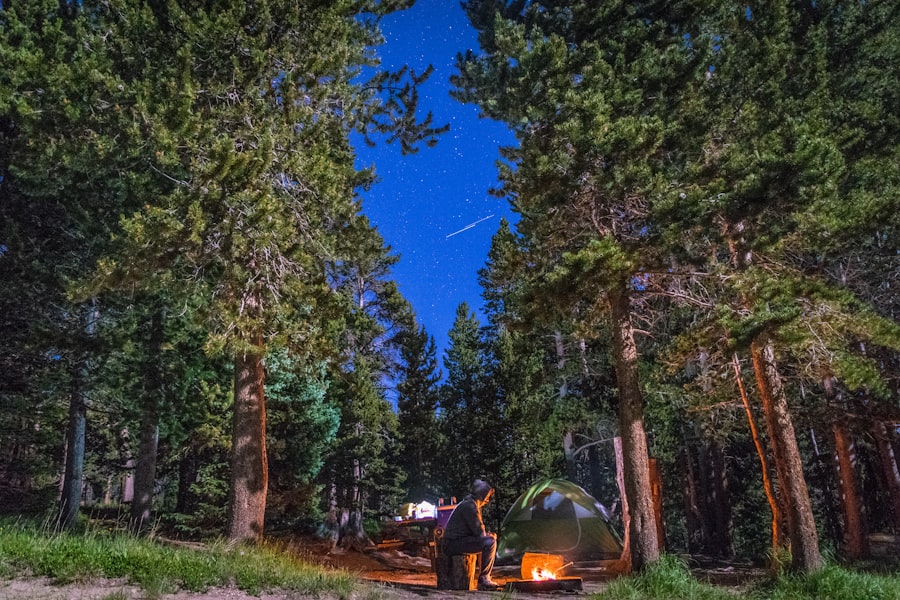
Your campsite is your home away from home. Making it a safe and comfortable space is key to enjoying your solo experience.
Site Selection: Finding Your Perfect Spot
It’s not just about finding a flat patch of ground. Consider the surroundings.
Proximity to Water and Avoiding Hazards
Being near a water source is convenient, but don’t camp too close to the water’s edge, especially in areas prone to flash flooding. Avoid camping directly under dead trees or large branches that could fall.
Wind Protection and Sun Exposure
Consider how the wind might affect your tent and fire. Look for natural windbreaks if possible. Think about morning sun exposure – do you want to wake up with the sun, or would you prefer shade?
Leave No Trace Principles: Respecting the Environment
This is paramount. Pack out everything you pack in, stay on designated trails, and minimize your impact on the environment. Respect wildlife and leave the campsite as you found it, or even better.
Setting Up Your Tent: Your Personal Oasis
This is your primary shelter. Make sure it’s secure.
Guy Lines and Stakes: Keeping Your Tent Secure
Properly tensioning your guy lines and firmly staking your tent is crucial, especially if there’s a chance of wind. Double-check that all your poles are properly seated and that the rainfly is attached correctly.
Ventilation: Preventing Condensation Buildup
Even in cool weather, condensation can be an issue. Learn how to use your tent’s vents to allow for airflow, which will keep the inside drier and more comfortable.
Managing Your Campfire: Warmth and Caution
A campfire can be a source of comfort and a cooking tool, but it also demands respect.
Fire Safety Regulations: Know the Rules
Always check local fire restrictions and regulations before lighting a fire. Many areas have burn bans during dry seasons.
Building a Safe Fire Pit: Containing the Flames
Use existing fire rings whenever possible. If you must build a new one, clear a wide area around it down to bare soil. Keep water and a shovel nearby.
Extinguishing Your Fire Completely: The Final Step
Never leave a fire unattended. When you’re done, douse it thoroughly with water, stir the ashes, and douse it again until it’s cool to the touch.
Navigating Challenges: What Not to Do Solo
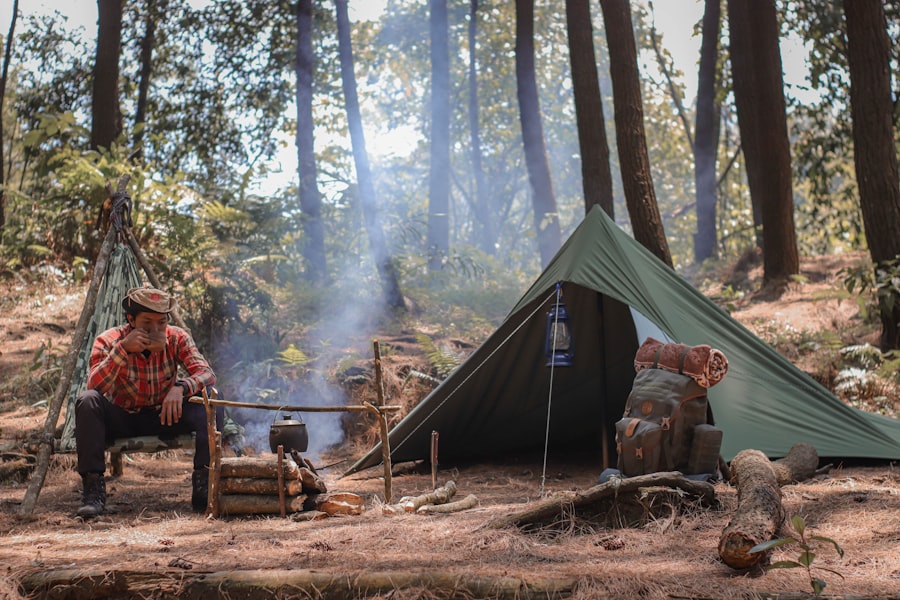
My early trips were riddled with small mistakes. Learning from them has made subsequent trips much smoother. These are the pitfalls I’ve either experienced or witnessed others fall into.
The Pitfalls of Overconfidence
It’s easy to get a little cocky when you’ve had a few successful solo trips. This is where the real danger lies.
Underestimating the Weather: Always Have a Backup Plan
Weather can change in an instant, especially in the mountains. Don’t assume the forecast you checked at home will hold true. Always be prepared for the worst-case scenario, and have a plan for what you’ll do if the weather turns severe. This might mean turning back or finding a more sheltered spot.
Ignoring Your Gut Feeling: Trust Your Intuition
If a situation feels off, it probably is. Don’t push yourself to do something that makes you uneasy, whether it’s venturing off-trail or continuing in deteriorating weather. Your gut instinct is a powerful survival tool.
Relying Solely on Technology: Backups are Essential
As I mentioned before, don’t let your phone be your only guide or communication device. Batteries die, reception disappears, and devices can fail. Always have analog backups.
The Dangers of Isolation: Staying Connected (Responsibly)
While the point is solitude, complete disconnection can be risky.
Not Informing Anyone of Your Plans: The Most Critical Mistake
This is arguably the biggest “don’t” of solo camping. Always leave a detailed itinerary with a trusted friend or family member. Include your intended route, campsite locations, expected return time, and contact information. This is your lifeline if something goes wrong.
Venturing Too Far Off-Trail Without Experience: Stick to the Known
Unless you are a highly experienced navigator and are very familiar with the terrain, avoid going off-trail. Sticking to marked paths reduces your risk of getting lost and minimizes your environmental impact.
Neglecting Basic Hygiene: It Matters for Your Health
It might seem like a minor detail when you’re roughing it, but basic hygiene is important. Bring hand sanitizer, biodegradable soap, and a trowel for digging catholes. Staying clean helps prevent illness.
The Trap of Overpacking: The Weight of Indecision
I’m guilty of this more times than I’d like to admit.
Bringing Too Much “Just in Case” Gear: Lighten Your Load
While preparedness is key, there’s a fine line between being prepared and being burdened. Be realistic about what you’ll actually use. Every extra pound counts on your back.
Not Practicing with Your Gear: Test Everything Before You Go
Don’t wait until you’re at the campsite to discover your stove doesn’t light or your water filter is clogged. Test all your essential gear at home before your trip.
If you’re considering solo camping, it’s essential to know how to do it safely and what pitfalls to avoid. A great resource for this is an article that discusses the importance of understanding the minerals in your environment, which can be crucial for both safety and nutrition during your trip. You can read more about this topic in the article on minerals here. Remember to plan your route carefully, inform someone about your itinerary, and always pack the right gear to ensure a successful solo adventure.
Embracing the Journey: Making the Most of Your Solo Adventure
Solo camping isn’t just about survival; it’s about growth, peace, and a profound connection with yourself and the natural world.
Cultivating Mindfulness in the Wild
The stillness of nature is an invitation to be present.
Deep Breathing and Sensory Awareness: Engaging All Your Senses
Take time to consciously breathe in the fresh air. Pay attention to the sights, sounds, and smells around you. What can you hear? What textures can you feel? This practice grounds you in the moment.
Journaling and Reflection: Documenting Your Thoughts
Bring a journal and pen. Jot down your observations, feelings, or even just random thoughts. It’s a great way to process your experiences and capture memories.
Overcoming Loneliness: Finding Companionship in Nature
The absence of human interaction can sometimes feel daunting.
Observing Wildlife: The Natural World as Company
You’ll be amazed at the sheer abundance of life around you when you’re quiet and still. Watching birds flit through the trees or a deer grazing in a meadow can be incredibly engaging and fill that void of wanting connection.
The Power of a Good Book or Music (with Headphones): A Personal Escape
Sometimes, a familiar story or a favorite song can be a welcome companion. Just be sure to use headphones to maintain the peaceful atmosphere for yourself and any potential wildlife.
Celebrating Your Accomplishments: The Taste of Self-Reliance
Every solo trip is a testament to your ability to navigate the world on your own terms.
Savoring Simple Pleasures: The Joy of a Hot Meal
After a day of hiking, a simple, hot meal can taste like a gourmet feast. Appreciate these small victories and the satisfaction of providing for yourself.
The View from the Summit (or Campsite): A Rewarding Perspective
Take time to simply sit and admire the view. Soak in the accomplishment of getting there on your own. The perspective you gain, both literally and figuratively, is invaluable.
Solo camping has fundamentally changed how I see myself and my capabilities. It’s a journey of self-discovery, a chance to unplug from the world and plug into your own inner strength. It’s not for everyone, and that’s perfectly okay. But if you feel that pull, that quiet yearning for the wilderness and your own company, I encourage you to take that first step. Prepare well, be mindful, and embrace the incredible experience that awaits you. The wild is waiting, and so is a stronger, more resilient you.