The Role of Dietary Fats in Weight Loss: Why Healthy Fats Are Not the Enemy
You’ve probably been told, at some point in your life, that fat is the enemy when it comes to weight loss. For decades, low-fat diets were the reigning champions of the health and fitness world, promising a leaner, healthier you if only you’d banish all things fatty from your plate. But here’s the truth: this narrative is not only outdated but, in many cases, actively counterproductive. You’re about to discover why healthy fats are not the enemy in your weight loss journey, and in fact, can be a powerful ally. This isn’t about giving you permission to gorge on fried foods; it’s about understanding the nuanced and essential role that certain fats play in your body’s ability to burn fat, control hunger, and maintain overall health.
You see, your body is an incredibly complex machine, and it requires a variety of nutrients to function optimally. Just as a car needs different types of fluids and parts, your body needs a balance of macronutrients – carbohydrates, proteins, and fats – to thrive. When you cut out an entire macronutrient group, especially one as vital as fat, you’re not doing yourself any favors. In fact, you might be setting yourself up for a struggle.
The Misconception of Fat: A Historical Perspective
For a long time, the thinking was simple: fat has more calories per gram than carbohydrates or protein, so if you eat less fat, you’ll eat fewer calories, and therefore, you’ll lose weight. This oversimplified view led to a pervasive fear of fat, causing food manufacturers to strip fat from products and replace it with sugar and refined carbohydrates to maintain palatability. You likely witnessed, or even participated in, this era of “fat-free” everything, from cookies to salad dressings. The irony, of course, is that during this low-fat craze, obesity rates continued to climb, suggesting that the problem wasn’t fat itself, but rather the quality of the foods consumed and the demonization of an essential nutrient. You were led to believe that all fats were created equal, and that simply wasn’t true.
The scientific understanding of dietary fats has evolved dramatically, revealing a much more intricate picture. You now have access to a wealth of research demonstrating that not all fats are equal, and differentiating between healthy fats and unhealthy fats is crucial for your well-being and weight loss goals.
One of the most frustrating aspects of any weight loss journey is hunger. You’ve likely experienced the gnawing feeling in your stomach, the constant cravings, and the seemingly endless battle against your appetite. This is where healthy fats can become your secret weapon.
Hormonal Regulation and Appetite Control
When you consume fats, they trigger the release of specific hormones that signal satiety to your brain. You’re not just feeling full; your body is actively communicating that it has received adequate nourishment.
- Cholecystokinin (CCK): This hormone is released in your small intestine in response to fat and protein. CCK slows down gastric emptying, meaning food stays in your stomach longer, promoting a feeling of fullness. You’ll find yourself less likely to reach for a snack shortly after a meal rich in healthy fats.
- Peptide YY (PYY): Another gut hormone, PYY is also released after a meal, especially one containing fat. It reduces appetite and food intake by acting on the brain. You’ll notice a significant reduction in cravings and an easier time adhering to your calorie goals.
- Glucagon-like Peptide-1 (GLP-1): While primarily known for its role in blood sugar regulation, GLP-1 also contributes to satiety. Fats stimulate its release, further contributing to your feeling of fullness and reducing subsequent food consumption. You’ll experience a more stable energy level and fewer “sugar crashes.”
Slowed Digestion and Nutrient Absorption
Unlike carbohydrates, which are quickly digested and absorbed, fats take longer to process. This slower digestion contributes to a prolonged feeling of fullness. You’re not getting a quick energy spike and then a crash; instead, you’re experiencing sustained energy release, which is incredibly beneficial for maintaining consistent energy levels and avoiding impulsive eating.
- Gastric Emptying Time: When you eat a meal containing fat, the rate at which food leaves your stomach is reduced. This means your stomach feels fuller for longer, directly impacting your desire to eat more. You’ll feel satisfied for hours, making it easier to go longer between meals.
- Nutrient Density: Healthy fats are often found in nutrient-dense foods. When you consume these foods, you’re not just getting calories; you’re also getting essential vitamins, minerals, and antioxidants. This comprehensive nutrient intake helps to satisfy your body at a cellular level, reducing the subconscious drive to seek out more food to fill nutrient gaps.
In exploring the intricate relationship between dietary fats and weight loss, it’s essential to consider various perspectives on nutrition. A related article that delves into seasonal eating and its impact on overall health can provide valuable insights. For more information on how seasonal foods can complement a balanced diet, you can read about it in this article on seasonal eating. This resource highlights the importance of incorporating fresh, seasonal ingredients, which can enhance the benefits of healthy fats in your diet.
Fueling Your Metabolism: How Fats Aid Fat Burning
The idea that you need to cut fat to burn fat is a persistent myth. In reality, your body needs fats, especially healthy fats, to effectively burn its own stored fat for energy. You might be surprised to learn that restricting fat too severely can actually hinder your metabolic processes.
Essential Fatty Acids and Cellular Function
Your body cannot produce certain types of fats, known as essential fatty acids (EFAs), and you must obtain them through your diet. These EFAs, specifically Omega-3 and Omega-6 fatty acids, are crucial for countless bodily functions, including metabolism.
- Omega-3 Fatty Acids (EPA and DHA): Found in fatty fish, flaxseeds, and walnuts, Omega-3s have been shown to improve insulin sensitivity, which is vital for efficient fat burning. When your cells are more sensitive to insulin, they can more effectively take up glucose from your bloodstream, preventing it from being stored as fat. You’ll find your body becomes more efficient at using fuel.
- Cell Membrane Integrity: Healthy fats are integral components of every cell membrane in your body. These membranes control what enters and exits your cells, including nutrients and waste products. A healthy cell membrane ensures optimal cellular function, which translates to a more efficient metabolism. You’re literally building a better foundation for your body’s internal processes.
Thermogenesis and Energy Expenditure
Some types of fats, particularly medium-chain triglycerides (MCTs), have a unique metabolic pathway that can actually boost your metabolism and increase thermogenesis – your body’s heat production.
- MCTs and Energy Expenditure: Unlike long-chain fatty acids, MCTs are rapidly absorbed and transported directly to your liver, where they are quickly converted into energy or ketones. This rapid metabolism means they are less likely to be stored as body fat. Some studies suggest that MCTs can increase calorie expenditure and fat oxidation. You’ll notice a slight but significant increase in your body’s ability to burn calories, even at rest.
- Brown Adipose Tissue (BAT) Activation: While research is ongoing, some evidence suggests that certain dietary components, including certain fats, might play a role in activating brown adipose tissue (BAT). BAT is a type of fat tissue that burns calories to produce heat, as opposed to white adipose tissue (WAT), which stores energy. A more active BAT could mean a higher resting metabolic rate for you.
Essential Nutrients and Hormonal Balance: Beyond Calories
Weight loss isn’t just about calories in, calories out. It’s about optimizing your body’s internal environment, and healthy fats play a critical role in this, particularly in nutrient absorption and hormonal health.
Fat-Soluble Vitamins (A, D, E, K)
These vital vitamins cannot be absorbed by your body without the presence of dietary fat. You could be eating a plate full of nutrient-rich vegetables, but without some healthy fat, you’ll be missing out on their full benefits.
- Vitamin A: Essential for vision, immune function, and skin health. You need fat to properly absorb it from carrots, sweet potatoes, and leafy greens.
- Vitamin D: Crucial for bone health, immune function, and mood regulation. Many people are deficient in Vitamin D, and consuming healthy fats with your meals can aid its absorption. You’ll find your overall health and well-being improving.
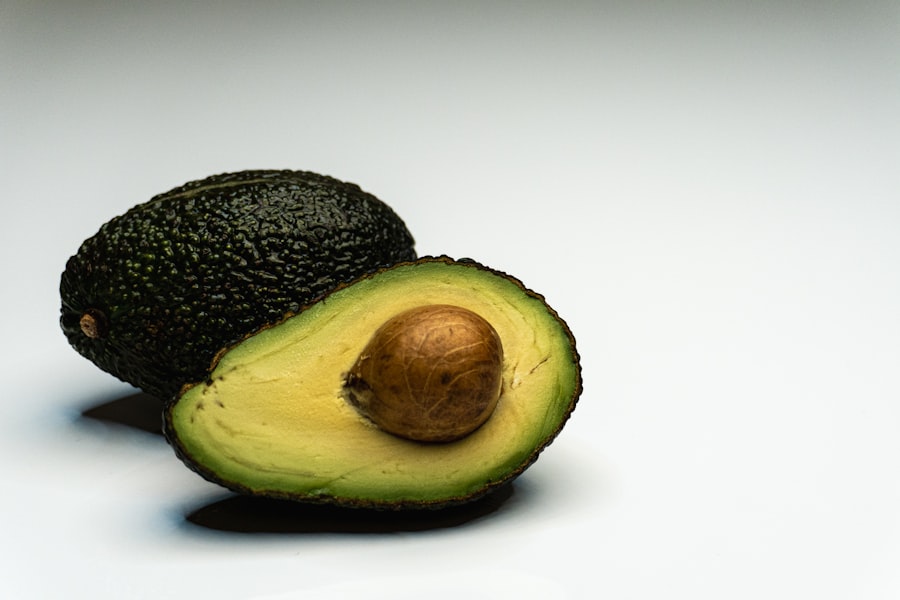
- Vitamin E: A powerful antioxidant that protects your cells from damage. Nuts, seeds, and avocados are great sources, and their fat content helps you absorb this protective vitamin.
- Vitamin K: Important for blood clotting and bone health. Leafy greens are rich in Vitamin K, and adding a healthy fat dressing or cooking with healthy oils enhances its bioavailability.
Hormonal Health and Reproductive Function
Many of your body’s hormones, including sex hormones, are synthesized from cholesterol, which is a type of fat. A diet too low in fat can disrupt hormonal balance, leading to a cascade of negative effects that can hinder weight loss and overall health.
- Testosterone and Estrogen Production: Adequate fat intake is crucial for the production of these hormones, which influence metabolism, muscle mass, and fat distribution. For both men and women, balanced sex hormones are vital for a healthy body composition. You’ll notice better energy levels and improved body function.
- Thyroid Function: Your thyroid hormones play a major role in regulating your metabolism. While the relationship is complex, some research suggests that healthy fats contribute to optimal thyroid function. An underactive thyroid can make weight loss incredibly challenging for you.
- Leptin Sensitivity: Leptin is a hormone produced by your fat cells that signals satiety to your brain. While the relationship is complex, some research suggests that healthy fats can help improve leptin sensitivity, making your body more responsive to its “full” signals. You’ll experience a more accurate sense of hunger and fullness.
Distinguishing Between Healthy and Unhealthy Fats: Your Smart Choices
This is where the nuance comes in. Not all fats are created equal, and understanding the difference is paramount for your weight loss journey and long-term health. You need to be able to identify the good, the bad, and the ugly.
The Good Guys: Unsaturated Fats
These are the fats you want to embrace. They are liquid at room temperature and are known for their numerous health benefits.
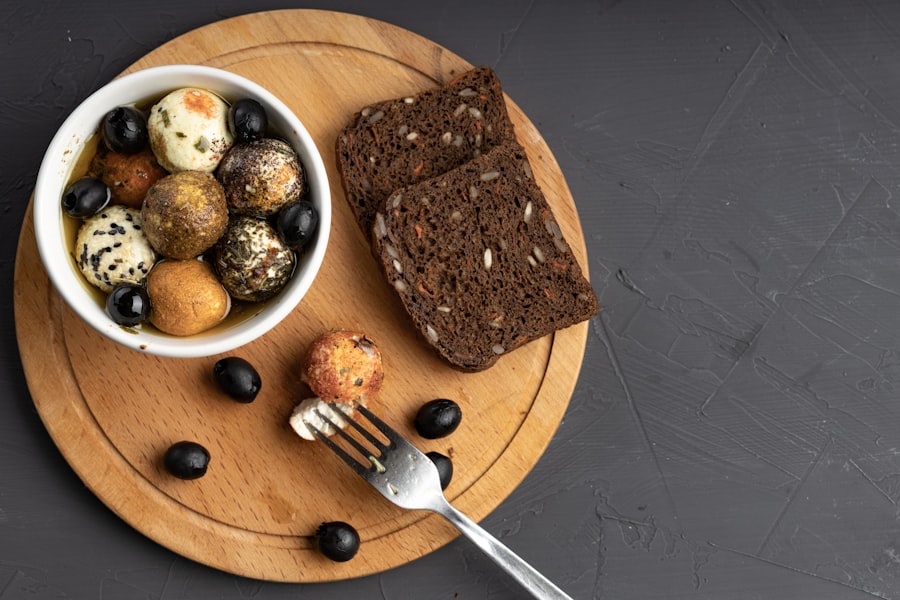
- Monounsaturated Fats (MUFAs): Found in olive oil, avocados, nuts (almonds, cashews, pecans), and seeds (sesame, pumpkin). MUFAs are known to reduce bad cholesterol (LDL) and increase good cholesterol (HDL), promoting heart health. They also contribute significantly to satiety. You’ll feel more satisfied and notice improvements in your cardiovascular health.
- Polyunsaturated Fats (PUFAs): These include Omega-3 and Omega-6 fatty acids.
- Omega-3s: Found in fatty fish (salmon, mackerel, sardines), flaxseeds, chia seeds, walnuts, and some plant oils (flaxseed oil, canola oil). As discussed, they are anti-inflammatory, good for brain health, and can improve insulin sensitivity. You’ll experience reduced inflammation and better cognitive function.
- Omega-6s: Found in vegetable oils (soybean, corn, sunflower), nuts, and seeds. While essential, the typical Western diet often has an imbalance, with too many Omega-6s relative to Omega-3s. The key here is balance, not elimination. You want to aim for a healthier ratio by increasing your Omega-3 intake.
The Bad Guys: Saturated Fats (in moderation)
While once demonized, the scientific consensus on saturated fat has evolved. While excessive intake is still not recommended, moderate consumption from healthy sources can be part of a balanced diet.
- Sources: Red meat, full-fat dairy products, butter, coconut oil.
- Recommendation: The key is to choose lean cuts of meat, opt for grass-fed if possible, and enjoy full-fat dairy in moderation. Coconut oil, while a saturated fat, contains a high proportion of MCTs, which have some unique metabolic benefits, but should still be used mindfully. You don’t need to eliminate them entirely, but be mindful of your portions.
The Ugly Guys: Trans Fats
These are the fats you absolutely want to avoid. You’ll rarely find a nutritionist or health professional who recommends consuming trans fats.
- Artificial Trans Fats: Created through a process called hydrogenation, where liquid vegetable oils are turned into solid fats. These are found in many processed foods, baked goods, fried foods, and some margarines. They raise LDL (bad) cholesterol and lower HDL (good) cholesterol, significantly increasing your risk of heart disease. You should meticulously check food labels for “partially hydrogenated oil” and avoid products containing it.
- Naturally Occurring Trans Fats: Found in small amounts in some animal products (meat and dairy). These are generally not considered as harmful as artificial trans fats, but overall intake should still be moderate.
In exploring the complexities of weight loss, it’s essential to consider how dietary fats contribute to overall health and satiety. A related article that delves deeper into this topic is available at Footsteps and Food, where you can find insights on how incorporating healthy fats can enhance your diet and support your weight loss journey. Understanding the role of these fats can help dispel common myths and encourage a more balanced approach to nutrition.
Practical Application: Incorporating Healthy Fats into Your Diet
Knowing the science is one thing; putting it into practice is another. You’re probably wondering how to actually integrate healthy fats into your daily meals without going overboard or feeling deprived. It’s simpler than you might think.
Smart Swaps and Additions
Making small, consistent changes to your diet can yield significant results without feeling overwhelming. You don’t need to overhaul your entire eating routine overnight.
- Cooking Oils: Ditch the highly processed vegetable oils (soybean, corn) for olive oil, avocado oil, or coconut oil (in moderation) for cooking. You’ll be using oils that are more stable and beneficial for your body.
- Snack Smart: Instead of reaching for chips or crackers, grab a handful of almonds, walnuts, or pecans. You can also pair apple slices with a tablespoon of natural peanut or almond butter. These provide sustained energy and satiety.
- Boost Your Breakfast: Add a quarter of an avocado to your eggs or smoothie. Sprinkle chia or flax seeds over your oatmeal or yogurt. You’ll start your day feeling fuller and more energized.
- Salad Dressings: Make your own vinaigrettes with extra virgin olive oil, vinegar, and herbs. Avoid creamy, store-bought dressings that are often loaded with unhealthy fats and sugars. You’ll have more control over the quality of your ingredients.
- Meal Enhancers: Add slices of avocado to your sandwiches, wraps, or salads. Incorporate fatty fish like salmon or mackerel into your weekly meals. Sprinkle seeds over roasted vegetables or soups. You’ll be adding flavor, texture, and powerful nutrients.
- Dairy Choices: Opt for full-fat, plain Greek yogurt or cottage cheese. The fat content will keep you feeling fuller, and the plain versions allow you to control added sugars. You’ll find these more satisfying than their low-fat, high-sugar counterparts.
Portion Control and Mindful Eating
While healthy fats are beneficial, they are still calorie-dense. This means portion control remains important for your weight loss goals. You need to be mindful of how much you’re consuming.
- Measure It Out: Especially when you’re starting, use measuring spoons for oils, nut butters, and seeds. A quarter of an avocado or a small handful of nuts is often a sufficient portion. You’ll develop an eye for appropriate serving sizes over time.
- Listen to Your Body: Pay attention to your hunger and fullness cues. Healthy fats help you feel satisfied, so you might find yourself naturally eating less overall. You’ll learn to distinguish between true hunger and emotional eating.
- Balance Your Plate: Aim for a balanced meal that includes lean protein, complex carbohydrates, plenty of non-starchy vegetables, and a source of healthy fat. This synergistic approach will optimize satiety and nutrient intake for you.
By understanding the vital role of healthy fats in satiety, metabolism, nutrient absorption, and hormonal balance, you can confidently integrate them into your weight loss strategy. You are no longer bound by outdated low-fat dogma. Instead, you are empowered with the knowledge to make informed choices that nourish your body, support your weight goals, and promote long-term health. Embrace healthy fats as your ally, not your enemy, and you’ll find your journey to a leaner, healthier you is not only more effective but also far more enjoyable and sustainable.