
The Role of Dietary Fats in Weight Loss: Why Healthy Fats Are Not the Enemy
We’ve all been there, standing in the grocery aisle, meticulously scanning nutrition labels for the lowest fat content. For decades, we’ve been told that fat is the enemy, the primary culprit behind our expanding waistlines. This pervasive belief has led us to adopt a low-fat mentality, often sacrificing taste and crucial nutrients in the process. But what if we told you that this widely accepted dogma is fundamentally flawed? What if, in our relentless pursuit of fat-free alternatives, we’ve been inadvertently sabotaging our weight loss efforts and compromising our overall health?
As a collective, we’ve come to understand that the narrative surrounding dietary fats is far more nuanced than we once believed. It’s time to debunk the myth that all fats are created equal and embrace the reality that healthy fats are not the enemy; in fact, they can be powerful allies in our journey towards sustainable weight loss and vibrant well-being.
For a long time, the prevailing wisdom, heavily influenced by early research and powerful lobbying groups, painted all dietary fat with a broad, negative brushstroke. We were led to believe that consuming fat directly translated to storing fat, making us heavier and increasing our risk of heart disease. This simplistic view led to a nationwide – and indeed, worldwide – obsession with low-fat and fat-free products. But we now know that this blanket condemnation of fat was a grave oversimplification, neglecting the distinct physiological roles of different types of fats.
How the Low-Fat Craze Began
The roots of the low-fat movement can be traced back to the mid-20th century, a period marked by rising rates of heart disease. Early observational studies, particularly the work of Ancel Keys, suggested a link between dietary fat intake and cardiovascular disease. While Keys’ research was influential, it was also criticized for methodological flaws and selective data interpretation. Nonetheless, the message resonated with the public and health authorities, leading to dietary guidelines that strongly recommended reducing overall fat intake, especially saturated fat.
The Unintended Consequences of Fat Phobia
Our collective fear of fat had several unintended and detrimental consequences. Firstly, to make low-fat products palatable, food manufacturers often replaced fat with refined carbohydrates and sugar. This meant that while we were reducing our fat intake, we were inadvertently increasing our consumption of ingredients known to contribute to weight gain, insulin resistance, and inflammation. Secondly, by eliminating healthy fats from our diet, we deprived our bodies of essential nutrients and satiety signals, leaving us feeling hungry and unsatisfied, often leading to overeating.
Shifting Paradigms: Embracing the Truth About Fats
Fortunately, scientific understanding has evolved significantly since then. We now have a wealth of research demonstrating that not all fats are detrimental; in fact, many are crucial for our health and play a vital role in weight management. The conversation has shifted from simply “fat is bad” to “which fats are good, and why.” We are now empowered with the knowledge to make informed dietary choices that support our health goals, rather than hinder them.
In exploring the intricate relationship between dietary fats and weight loss, it is essential to consider additional resources that provide further insights into this topic. A related article that delves into the benefits of incorporating healthy fats into your diet can be found at Footsteps and Food. This article complements the discussion on why healthy fats should not be viewed as the enemy in weight management, highlighting their role in promoting satiety and overall health.
The Power of Satiety: How Healthy Fats Keep Us Full
One of the most significant advantages of incorporating healthy fats into our diet is their profound impact on satiety. We’ve all experienced the feeling of eating a low-fat, high-carb meal only to find ourselves hungry again a short while later. This is because fats play a crucial role in signaling fullness and regulating our appetite.
The Hormonal Connection: CCK and Leptin
When we consume fats, they trigger the release of various hormones that contribute to satiety. Cholecystokinin (CCK), for instance, is a hormone released in the small intestine that slows down gastric emptying, allowing food to remain in the stomach for longer. This prolonged digestion contributes to a feeling of fullness and reduces the urge to eat more. Additionally, fats influence the production of leptin, a hormone that signals to our brain that we have enough energy stored, thereby suppressing appetite.
Slowing Digestion and Nutrient Absorption
Fats are digested more slowly than carbohydrates, meaning they stay in our digestive system for a longer duration. This extended digestion not only contributes to prolonged satiety but also helps to stabilize blood sugar levels. When we consume carbohydrates without adequate fat, our blood sugar can spike and then crash, leading to cravings and energy dips. Healthy fats help to blunt this rapid rise in blood sugar, providing a more sustained release of energy and preventing the dreaded “sugar crash.”
Enhancing Flavor and Satisfaction
Let’s be honest, food that tastes good is more satisfying. Fats are incredibly important for flavor development and contribute to the rich, creamy textures we often crave. By incorporating healthy fats into our meals, we enhance their palatability and increase our overall enjoyment of food. This satisfaction can help prevent overeating and reduce the likelihood of reaching for less nutritious, highly processed snacks later on. When we feel truly satisfied with our meals, we are less likely to seek out additional food to fill a perceived void.
Fueling Our Metabolism: Fats as an Efficient Energy Source

For years, we were told that carbohydrates were our primary energy source, and while they certainly play a role, we’ve come to appreciate that fats are an incredibly efficient and sustained fuel for our bodies, particularly for long-term energy needs.
Beyond Glucose: Ketones for Fuel
While glucose from carbohydrates is readily used for immediate energy, our bodies are also highly adept at utilizing fat for fuel, particularly in the form of ketones. When carbohydrate intake is low, our liver converts fatty acids into ketones, which can then be used by various tissues, including the brain, as an alternative energy source. This metabolic flexibility is a natural and healthy process, and it highlights our body’s ability to thrive on both carbohydrates and fats.
Maintaining Energy Levels and Preventing Crashes
Unlike the rapid energy spikes and subsequent crashes often associated with high-carbohydrate meals, healthy fats provide a more consistent and sustained release of energy. This is because their digestion and absorption are slower, preventing drastic fluctuations in blood sugar. By incorporating healthy fats into our diet, we can experience more stable energy levels throughout the day, reducing fatigue and improving our focus and productivity. This consistent energy also helps us to avoid the temptation of quick-fix sugary snacks when our energy dips.
Supporting Mitochondrial Function
Our mitochondria, often referred to as the “powerhouses of our cells,” are responsible for generating ATP, the primary energy currency of our bodies. Healthy fats, particularly monounsaturated and polyunsaturated fats, are essential for maintaining the integrity and function of mitochondrial membranes. When our mitochondria are functioning optimally, our metabolism runs more efficiently, allowing us to burn calories more effectively and support overall cellular health.
Nutrient Absorption and Essential Fatty Acids: More Than Just Calories
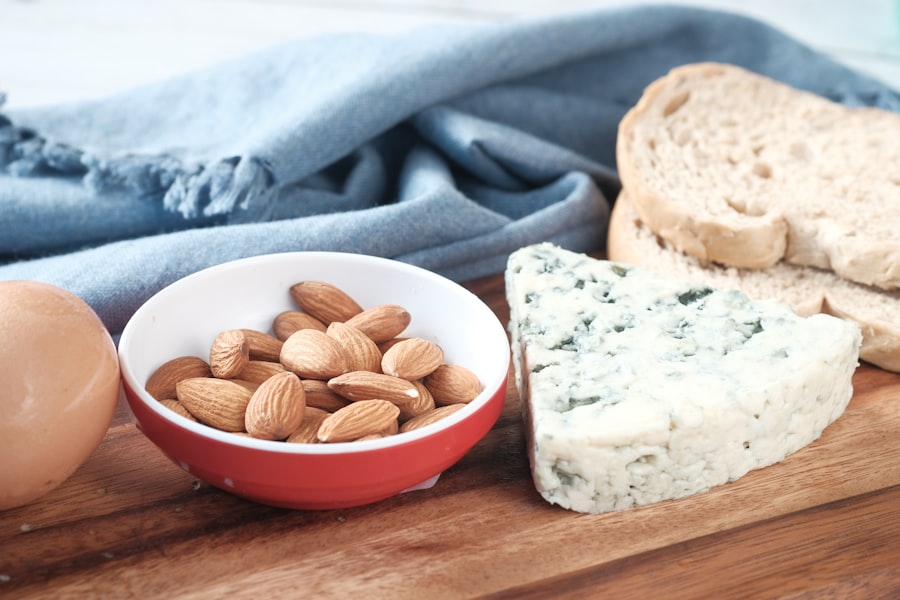
Beyond their role in satiety and energy, healthy fats are absolutely critical for the absorption of fat-soluble vitamins and provide us with essential fatty acids that our bodies cannot produce on their own. These functions are vital for overall health and, by extension, contribute indirectly to effective weight management.
The Importance of Fat-Soluble Vitamins
Vitamins A, D, E, and K are fat-soluble, meaning they require dietary fat for proper absorption and utilization by the body. These vitamins play a myriad of crucial roles:
- Vitamin A: Essential for vision, immune function, and skin health.
- Vitamin D: Crucial for bone health, immune regulation, and mood. Recent research also suggests a link between vitamin D deficiency and increased body fat.
- Vitamin E: A powerful antioxidant that protects cells from damage.
- Vitamin K: Important for blood clotting and bone health.
Without adequate dietary fat, we risk developing deficiencies in these vital nutrients, which can have far-reaching consequences for our health and well-being. For example, poor immune function can lead to increased inflammation, which is often associated with weight gain.
Essential Fatty Acids: Omega-3 and Omega-6
Our bodies cannot synthesize omega-3 and omega-6 fatty acids, meaning we must obtain them through our diet. These essential fatty acids are integral components of cell membranes and precursors to signaling molecules that regulate various physiological processes.
- Omega-3 Fatty Acids: Found in fatty fish, flaxseeds, chia seeds, and walnuts, omega-3s are renowned for their anti-inflammatory properties, brain health benefits, and role in cardiovascular health. Reduced inflammation can support healthy metabolic function and potentially aid in weight loss.
- Omega-6 Fatty Acids: Found in vegetable oils like soybean, corn, and sunflower oil, omega-6s are also essential, but the Western diet often has an imbalanced ratio of omega-6 to omega-3, which can promote inflammation. The key is to consume a healthy balance of both.
Ensuring an adequate intake of these essential fatty acids is not just about general health; it’s about optimizing cellular function and reducing chronic inflammation, both of which can indirectly support healthy weight management.
In exploring the importance of dietary fats in weight loss, it is essential to consider how healthy fats can actually support a balanced diet rather than hinder weight loss efforts. A related article that delves into the benefits of incorporating healthy fats into your meals can be found here, where it discusses various sources of these fats and their positive effects on overall health. Understanding the role of these fats can help dispel common myths and encourage a more informed approach to nutrition. For more insights, check out this informative piece on travel blogging that highlights the connection between diet and lifestyle choices.
Practical Steps: Incorporating Healthy Fats into Our Daily Lives
Now that we understand the profound benefits of healthy fats, the next logical step is to learn how to effectively incorporate them into our daily dietary patterns. We don’t need to embark on extreme diets; rather, it’s about making conscious, informed choices.
Identifying Our Healthy Fat Sources
The first step is to familiarize ourselves with the best sources of healthy fats. These include:
- Monounsaturated Fats (MUFAs): Abundant in olive oil, avocados, nuts (almonds, cashews, pecans), and seeds (sesame, pumpkin). These fats are known for their heart-healthy benefits and their ability to lower LDL (bad) cholesterol.
- Polyunsaturated Fats (PUFAs):
- Omega-3 Fatty Acids: Primarily found in fatty fish (salmon, mackerel, sardines), flaxseeds, chia seeds, walnuts, and some fortified foods.
- Omega-6 Fatty Acids: Present in smaller amounts in nuts and seeds, but also prevalent in many vegetable oils like soybean, corn, and sunflower oil. The focus should be on getting a good balance and limiting excessive amounts of highly processed omega-6 rich oils.
- Saturated Fats (in moderation): While historically demonized, we now understand that moderate intake of saturated fats from whole, unprocessed sources like grass-fed butter, coconut oil, and full-fat dairy can be part of a healthy diet for many individuals. The key here is moderation and prioritizing quality sources.
Smart Swaps and Culinary Integration
Making healthy fat choices doesn’t require a complete overhaul of our eating habits. It’s often about making smart swaps and conscious additions:
- Cooking Oils: Replace highly processed vegetable oils with extra virgin olive oil, avocado oil, or coconut oil for cooking.
- Snacking: Instead of processed snacks, opt for a handful of nuts, a sliced avocado, or full-fat Greek yogurt with berries.
- Salad Dressings: Make our own vinaigrettes using olive oil and vinegar instead of store-bought dressings often high in unhealthy oils and sugar.
- Adding to Meals: Drizzle olive oil over vegetables, add avocado to sandwiches and salads, or incorporate nuts and seeds into oatmeal and smoothies.
- Fish Twice a Week: Aim for at least two servings of fatty fish like salmon or mackerel per week to boost omega-3 intake.
Avoiding the “Bad” Fats
Just as we embrace healthy fats, we must also be mindful of the fats that genuinely pose a risk to our health and hinder our weight loss efforts.
- Trans Fats: These are industrially produced fats found in many processed and fried foods, baked goods, and some margarines. Trans fats raise LDL (bad) cholesterol, lower HDL (good) cholesterol, and contribute to inflammation and heart disease. We should actively read labels and avoid any product listing “partially hydrogenated oil.”
- Excessive Amounts of Highly Processed Vegetable Oils: While some omega-6s are essential, an overabundance from highly refined oils like soybean, corn, and cottonseed oil can contribute to an imbalanced omega-6 to omega-3 ratio, potentially leading to increased inflammation. We should prioritize whole food sources of fats and use these processed oils sparingly.
By understanding the difference between beneficial fats and detrimental ones, we can make informed choices that support our health goals. We’ve collectively moved beyond the simplistic “fat is bad” mantra. We now understand that healthy fats are not merely permissible; they are essential for satiety, energy, nutrient absorption, and overall well-being. By integrating them wisely into our diets, we can unlock their power to aid in sustainable weight loss and foster a healthier, more vibrant life. Let us embrace the richness and goodness that healthy fats bring to our plates and to our lives.