
The ultimate step-by-step guide to planning a dream holiday
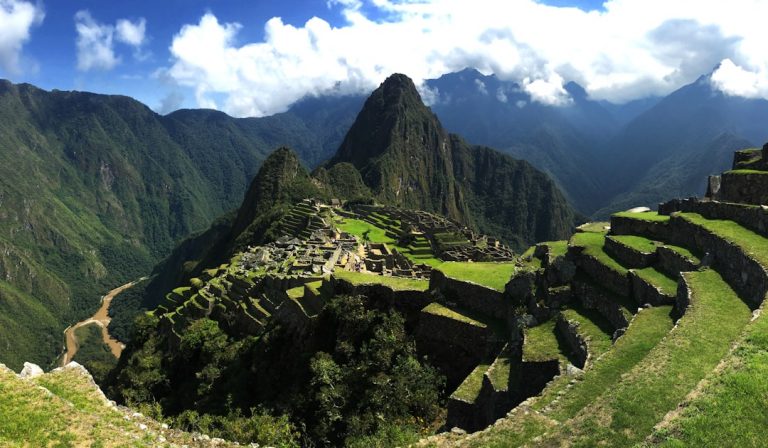
You’ve dreamt of it. The perfect escape. Whether it’s lounging on a sun-drenched beach, exploring ancient ruins steeped in history, or conquering the peaks of breathtaking mountains, your dream holiday beckons. But turning that ephemeral vision into a tangible reality can feel daunting, a tangled knot of logistics and decisions. Fear not, for this is your ultimate step-by-step guide. We’ll break down the process, empowering you to meticulously plan and execute the getaway you deserve, making every moment of your adventure unforgettable.
Before you can pack your bags, you need to distill the essence of your dream. This stage is about letting your imagination run wild, gathering inspiration, and identifying the core elements that will shape your perfect holiday. It’s not about booking flights yet, but about igniting the spark.
Defining Your “Why” and “What”
- ### What Kind of Experience Are You Craving?
Take a moment to truly assess your current needs and desires. Are you yearning for pure relaxation, a chance to disconnect from the everyday hustle? Perhaps adventure calls, urging you to push your boundaries and discover new thrills. Maybe it’s cultural immersion you seek, a deep dive into a different way of life, history, and art. Or is it a blend of these? Be honest with yourself. A holiday designed for pure rejuvenation will look drastically different from one focused on adrenaline-pumping activities. Consider:
- Pace: Do you prefer a whirlwind tour, seeing as much as possible, or a slow, deliberate exploration of a single location?
- Companionship: Are you traveling solo, with a partner, family, or a group of friends? The dynamics of your group will heavily influence your destination and activities.
- Atmosphere: Do you envision bustling cities, serene natural landscapes, charming villages, or a remote wilderness?
- ### Brainstorming Destinations – No Limits, Yet!
At this stage, your destination list can be as vast as your wanderlust. Don’t censor yourself. Think about places you’ve seen in movies, read about in books, or heard friends rave about. Websites like Pinterest, Instagram, travel blogs, and even Google Earth can be incredible sources of inspiration.
- Visual Inspiration: Browse stunning photography and watch travel documentaries. What visuals capture your imagination?
- Personal Anecdotes: What places have friends or family described with such passion that they’ve ignited your own curiosity?
- Bucket Lists: If you have existing bucket lists, revisit them. Is there a long-held dream destination that’s finally within reach?
- Thematic Inspiration: Are you a history buff, a foodie, a wildlife enthusiast, an art lover? Let your passions guide your destination choices.
- ### Identifying Key Elements of Your Ideal Holiday
Beyond the destination, what elements are non-negotiable for your dream holiday? This could be anything from the type of accommodation to specific activities you absolutely must experience.
- Accommodation Preferences: Luxury hotel, cozy Airbnb, rustic cabin, glamping tent, boutique inn?
- Culinary Desires: Are you eager to sample local delicacies, dine at Michelin-starred restaurants, or enjoy simple, authentic street food?
- Activity Must-Haves: Hiking, diving, museum hopping, live music, spa treatments, shopping, learning a new skill?
- Desired Climate: Tropical warmth, crisp autumn air, snow-covered landscapes, temperate spring bloom?
If you’re looking to enhance your travel experience even further, you might find the article on comfort travel tips quite helpful. It offers insights on how to make your journey more enjoyable and stress-free, ensuring that your dream holiday is not just about the destination but also about the journey itself. You can read more about it in this related article: Comfort Travel Tips.
Step 2: Refining Your Vision – Budget, Time, and Practicalities
Now that you have a general idea of your dream, it’s time to ground it in reality. This stage involves practical considerations that will help you narrow down your options and ensure your dream holiday is also a financially and logistically feasible one.
Setting Your Financial Boundaries
- ### Establishing Your Realistic Budget
This is arguably the most crucial step. Be honest about how much you can comfortably spend. Your budget will dictate many of your subsequent choices, from destination to accommodation to daily expenses.
- Total Budget Breakdown: Consider all potential costs: flights, accommodation, transportation within the destination, food, activities, visas, travel insurance, souvenirs, and a buffer for unexpected expenses.
- Prioritization: If your ideal holiday seems out of reach financially, identify what you can compromise on and what is absolutely essential. Is a slightly less luxurious hotel acceptable if it means more funds for incredible experiences?
- Saving Strategies: If your dream requires more savings, map out a plan. Set specific savings goals and create a dedicated savings account to track your progress.
- ### Researching Average Costs for Potential Destinations
Once you have a few dream destinations in mind, begin researching the typical costs associated with visiting them. This will help you compare and contrast, ensuring your budget aligns with your chosen location.
- Flight Costs: Use flight comparison websites (Skyscanner, Google Flights, Kayak) to get an idea of typical flight prices for different times of the year.
- Accommodation Prices: Explore booking platforms (Booking.com, Airbnb, Expedia) to see the range of accommodation costs.
- Daily Expenses: Look for information on the average cost of food, local transportation, and popular tourist activities in your prospective destinations. Travel blogs and forums can be excellent resources for this.
Determining Your Timeline and Travel Dates
- ### When Can You Actually Go?
Your available time off is a significant factor. Be realistic about your work commitments, family obligations, and any other responsibilities that might restrict your travel window.
- Leave Request: If you need to request time off work, inquire about the process and potential dates as early as possible.
- Seasonality and Ideal Travel Times: Research the best times to visit your target destinations. Consider weather patterns, peak tourist seasons (which often mean higher prices and more crowds), and off-peak seasons (which can offer better value).
- Duration of Stay: How long do you envision your holiday lasting? A weekend getaway requires a different planning approach than a month-long expedition.
- ### Considering the Impact of Travel Dates on Costs and Experience
Your chosen travel dates can dramatically influence both the cost and the quality of your holiday.
- Peak vs. Off-Peak: Traveling during peak season will likely be more expensive and crowded, while off-peak travel can offer significant savings and a more relaxed experience. However, be mindful of weather conditions during off-peak times.
- Shoulder Seasons: These are the periods immediately before or after peak season, often offering a good balance of pleasant weather and fewer crowds at a more moderate price.
- Special Events and Holidays: Research if any major festivals, local holidays, or events are happening during your potential travel dates. These can add unique cultural experiences but also lead to inflated prices and limited availability.
Step 3: The Nitty-Gritty – Booking and Logistics

With your vision refined and your practicalities addressed, it’s time to move into the actionable phase of planning. This is where you start making concrete bookings and arranging the essential logistics that will bring your dream holiday to life.
Securing Your Travel Essentials
- ### Booking Flights
Once you’ve settled on your destination and approximate travel dates, it’s time to book your flights.
- Flexibility is Key: If your dates are flexible, use this to your advantage. Booking on weekdays or during off-peak hours can sometimes lead to cheaper fares.
- Comparison Shopping: Don’t just book with the first airline you find. Use multiple flight comparison websites and check airline sites directly for the best deals.
- Consider Layovers: Direct flights are convenient but often more expensive. Weigh the cost savings of a layover against the extra travel time.
- Set Price Alerts: Many booking sites allow you to set alerts for price drops on specific routes, which can be incredibly helpful.
- Loyalty Programs: If you have frequent flyer miles, now is the time to check if you can use them.
- ### Arranging Accommodation
Your accommodation is a significant part of your holiday experience. Choose wisely to match your budget and preferences.
- Types of Accommodation: Revisit your preferences from Step 1. Hotels, hostels, vacation rentals, bed and breakfasts, or even unique stays like houseboats or treehouses.
- Location, Location, Location: Consider the proximity to attractions, public transport, and amenities when choosing your accommodation.
- Read Reviews: Thoroughly read recent reviews from other travelers. Pay attention to comments about cleanliness, service, noise levels, and the accuracy of descriptions.
- Book in Advance, Especially During Peak Times: Popular accommodations, especially in desirable locations or during peak seasons, can book up months in advance.
- ### Understanding Visa and Passport Requirements
This is a critical step that can derail your plans if overlooked.
- Check Passport Validity: Ensure your passport is valid for at least six months beyond your intended stay. Some countries have very strict requirements.
- Research Visa Needs: Thoroughly research the visa requirements for your nationality for the countries you plan to visit. Some countries offer visa-free travel, while others require an application process that can take weeks or even months.
- Application Process: If a visa is required, understand the application process, required documents, processing times, and any associated fees. There are often online application portals.
- Official Government Websites: Always rely on official government immigration and embassy websites for the most accurate and up-to-date visa information.
Planning Internal Transportation
- ### Navigating Your Destination
How will you get around once you arrive? This depends on the destination and your chosen activities.
- Public Transportation: Research the efficiency and cost of public transport systems (buses, trains, subways, trams). Many cities have excellent public transport networks that are both affordable and convenient.
- Car Rentals: If you plan to explore a wider area or visit remote locations, renting a car might be the best option. Factor in the cost of the rental, fuel, insurance, and any potential international driving permits needed.
- Ride-Sharing Services and Taxis: These can be convenient for shorter trips or late-night travel, but their cost can add up.
- Walking and Cycling: For city breaks or exploring smaller towns, walking and cycling can be a fantastic way to experience the local atmosphere.
- ### Booking in Advance for Key Journeys
If you have specific internal journeys planned (e.g., train travel between cities, ferry crossings), it’s often beneficial to book these in advance.
- Train Tickets: In many countries, booking train tickets in advance can secure better prices and ensure you get a seat on popular routes.
- Bus Tickets: Similar to trains, booking intercity bus tickets ahead of time can offer discounts.
- Ferry Bookings: For popular ferry routes, especially during busy travel periods, booking in advance is highly recommended to avoid disappointment.
Step 4: Immersing Yourself – Activities, Culture, and Preparation
You’re booked and ready to go, but your dream holiday is more than just getting there and sleeping. This stage focuses on enriching your experience by planning activities, understanding the local culture, and ensuring you’re fully prepared for the adventure ahead.
Curating Your Itinerary
- ### Balancing Planned Activities with Spontaneity
While it’s good to have a plan, don’t overschedule yourself. Leave room for unexpected discoveries and moments of pure relaxation.
- Must-See Attractions: Identify the key landmarks, museums, or natural wonders you absolutely want to experience.
- Bookings for Popular Attractions: For highly sought-after attractions, pre-booking tickets online can save you time waiting in long queues.
- Local Experiences: Seek out opportunities for authentic local experiences – cooking classes, market tours, attending local events, or simply observing daily life.
- “Downtime” Slots: Explicitly schedule periods for simply relaxing, wandering, or enjoying the atmosphere without a specific agenda.
- ### Researching Local Customs and Etiquette
Showing respect for the local culture will undoubtedly enhance your interactions and overall experience.
- Dress Code: Are there any specific dress codes for religious sites, formal restaurants, or everyday interactions?
- Greeting and Social Norms: Understand common greetings, gestures, and social norms. Knowing a few basic phrases in the local language can go a long way.
- Tipping Culture: Research the customary tipping practices in restaurants, for guides, and for other services.
- Photography Etiquette: Be mindful of whether it’s appropriate to take photos of people or in certain locations.
Packing Smart and Staying Healthy
- ### Creating a Comprehensive Packing List
Packing the right items can make or break your comfort and preparedness.
- Weather-Appropriate Clothing: Pack layers and clothing suitable for the climate and activities you’ve planned.
- Comfortable Footwear: You’ll likely be doing a lot of walking, so comfortable shoes are essential.
- Toiletries and Personal Items: Don’t forget your essentials, and consider any specific needs you might have.
- Electronics and Chargers: Ensure you have all necessary electronic devices, chargers, and adapters for the country you’re visiting.
- First-Aid Kit: Pack a small, well-stocked first-aid kit with common remedies for minor ailments.
- Documents: Keep copies of important documents (passport, visas, itinerary, booking confirmations) separate from the originals.
- ### Health and Safety Preparations
Prioritizing your well-being is paramount for a successful trip.
- Travel Insurance: This is non-negotiable. Ensure you have comprehensive travel insurance that covers medical emergencies, trip cancellations, and lost luggage.
- Vaccinations and Medications: Consult your doctor or a travel clinic well in advance of your trip to discuss any necessary vaccinations or preventative medications.
- Emergency Contacts: Make sure you have a list of emergency contact numbers readily available, both at home and at your destination.
- Local Emergency Numbers: Familiarize yourself with the local emergency service numbers (police, ambulance, fire department).
- Stay Informed: Stay aware of any current travel advisories or safety concerns for your destination.
If you’re looking to enhance your travel experience even further, you might find the article on breathtaking waterfalls to be a perfect complement to your holiday planning. Exploring stunning natural wonders can add a unique touch to your itinerary, making your dream holiday even more memorable. Check out the article on waterfalls for some inspiration on must-visit locations that can elevate your adventure.
Step 5: On the Ground – Enjoying Your Dream and Making Memories
The planning is complete, and you’ve arrived! This is the moment you’ve been working towards – to fully immerse yourself in your dream holiday and create lasting memories.
Embracing the Experience
- ### Being Present and Flexible
While you have a plan, the magic often happens in the unplanned moments.
- Savor Each Moment: Take the time to really appreciate where you are and what you’re doing. Engage your senses and soak in the atmosphere.
- Embrace the Unexpected: Sometimes the best experiences are the ones you didn’t plan for. Be open to serendipitous encounters and detours.
- Don’t Stress the Small Stuff: If something doesn’t go exactly as planned, try to take it in stride. Travel rarely goes perfectly, and a little flexibility goes a long way.
- ### Documenting Your Journey (Without Overdoing It)
Capturing memories is important, but don’t let it detract from experiencing the moment.
- Photography and Videography: Take photos and videos to capture your highlights, but also remember to put your camera down and live the experience.
- Journaling: A travel journal can be a wonderful way to record your thoughts, feelings, and observations.
- Souvenirs: Choose meaningful souvenirs that hold a special memory or represent a unique aspect of your trip.
Reflecting and Returning
- ### Post-Holiday Reflection and Sharing
The holiday might be over, but the memories and lessons can continue to enrich your life.
- Review Your Experiences: Look through your photos, read your journal, and reminisce about your favorite moments.
- Share Your Stories: Share your experiences and photos with friends and family. This can be a rewarding way to relive your adventure.
- Identify What You Learned: What did you learn about yourself, the world, or different cultures during your trip?
- Start Dreaming of the Next One: The end of one dream holiday is often the beginning of inspiration for the next!
- ### Maintaining Healthy Travel Habits on Your Return
The positive effects of your holiday can extend beyond your return.
- Incorporate New Habits: Did you discover a new appreciation for healthy eating, active living, or mindful relaxation? Try to integrate these into your daily life.
- Manage Post-Holiday Blues: It’s common to feel a bit down after returning to routine. Acknowledge these feelings and gradually re-establish your normal rhythm.
- Plan Your Next Adventure: Even a small anticipation of a future trip can be a great mood booster.
Your dream holiday is within reach. By following these steps, you can transform a vague desire into a meticulously planned and incredibly fulfilling adventure. So, start dreaming, start planning, and get ready to embark on the journey of a lifetime. Happy travels!