10 reasons to spend more time outdoors
I’ve always been a bit of an indoor creature. My natural habitat, for a long time, was a comfortable chair with a book, or hunched over a laptop, illuminated by the glow of a screen. The idea of “spending time outdoors” often felt like a chore, an obligation to be ticked off a list rather than a genuine desire. But recently, something has shifted. A slow, almost imperceptible pull has been drawing me away from the artificial hum of my apartment and towards the rustling leaves and open sky. I’ve started to notice the subtle changes in myself when I do venture out, the way my shoulders relax, the clarity that settles in my mind. And as I reflect on these experiences, I’ve realized that the reasons to embrace the great outdoors are far more profound and numerous than I ever imagined. So, in the spirit of sharing this newfound appreciation, here are ten reasons why I’ve decided to deliberately spend more time outside, and why I think you should too.
For so long, I viewed nature as something to be observed from a distance, a backdrop for a walk or a scenic view on a postcard. I didn’t truly understand how deeply intertwined my own well-being was with the natural world. It’s a connection that’s been eroded by our increasingly urbanized and digitized lives, but the desire for it remains, a primal whisper in our modern souls. Spending more time outdoors is like a gentle, consistent re-calibration, a reminder of a fundamental truth: I am part of something vast and intricate.
The Stress-Reducing Power of Green Spaces
I used to think stress was something to be managed with mindfulness apps and deep breathing exercises (which are valuable, don’t get me wrong). But I’ve discovered that simply being present in a natural environment offers a unique and potent form of stress relief. The gentle rustling of leaves, the distant chirping of birds, the earthy scent of damp soil after rain – these sensory inputs seem to bypass my overthinking brain and directly soothe my nervous system. I remember one particularly overwhelming week, where deadlines loomed and my to-do list seemed to multiply like gremlins. I forced myself to take a walk in a nearby park, not with any agenda, but just to be. Within minutes, the tension in my jaw eased, my breathing deepened, and a sense of calm began to seep in. It wasn’t a dramatic transformation, but a gentle unraveling of the knots of anxiety. Studies have consistently shown that exposure to green spaces lowers cortisol levels, the body’s primary stress hormone. It’s like the earth itself is exhaling a sigh of relief, and in its presence, I find myself mirroring that peaceful exhale. This isn’t just anecdotal; research in environmental psychology has validated the restorative effects of nature. Walking through a forest, sitting by a lake, or even tending a small garden can significantly reduce feelings of stress, anxiety, and depression. It’s a readily available, free, and incredibly effective form of therapy.
Boosting Mood and Cultivating Happiness
Beyond just reducing stress, I’ve noticed a distinct uplift in my overall mood when I make a conscious effort to spend time outdoors. There’s an inherent joy that comes from basking in sunlight, feeling the warmth on my skin, and witnessing the vibrant tapestry of life unfolding around me. It’s a simple, unadulterated happiness that doesn’t require elaborate planning or expensive purchases. I find myself smiling more, feeling more optimistic, and generally having a more positive outlook on life. This isn’t just a subjective feeling; exposure to sunlight triggers the production of serotonin, a neurotransmitter that plays a crucial role in regulating mood and promoting feelings of well-being. It’s as if the sun is directly infusing me with a sense of cheer. Even on overcast days, the diffused light and the connection to the earth can be surprisingly uplifting. The sheer variety of natural stimuli – the changing colors of the seasons, the intricate patterns of bark on a tree, the delicate unfurling of a new leaf – provides a constant source of wonder and fascination. This engagement with the world around me diverts my attention from internal rumination and grounds me in the present moment, a key ingredient for happiness.
Spending more time outdoors has numerous benefits for both physical and mental well-being, and one exciting way to embrace the great outdoors is through cold water swimming. For those interested in exploring this invigorating activity, you can check out a related article that provides a comprehensive overview for beginners. It offers insights into the benefits, safety tips, and techniques for enjoying cold water swimming. To learn more, visit A Beginner’s Guide to Cold Water Swimming.
2. Enhancing Physical Health: The Natural Gym
My initial motivations for spending more time outdoors were primarily mental and emotional. However, I’ve quickly discovered that the benefits extend far beyond my inner world and have a tangible impact on my physical well-being. The outdoors offers a dynamic and engaging environment for physical activity, one that can easily become a natural and enjoyable part of my routine.
Vitamin D Production: Sunshine’s Essential Gift
This is perhaps one of the most well-known benefits of spending time outdoors, and yet it’s one that so many of us neglect. Vitamin D, often dubbed the “sunshine vitamin,” is crucial for bone health, immune function, and even mood regulation. For years, I was diligent about wearing sunscreen, which is important, but I was also effectively blocking out this vital nutrient. Now, I’ve learned to find a balance. During certain times of the day, when the sun is not too intense, I make an effort to expose my skin to sunlight for short periods. It feels like a natural recharge, a replenishment that my body craves. The recommended amount of sun exposure varies depending on skin type and location, but even a few minutes a few times a week can make a significant difference in maintaining adequate vitamin D levels. It’s a simple, almost effortless way to boost my health. Beyond bone strength, vitamin D plays a role in supporting a robust immune system, helping my body fight off infections. It’s a foundational element for overall physical vitality, and the sun is its most abundant and accessible source.
Encouraging More Movement and Exercise
Let’s be honest, the gym can feel monotonous. Treadmills, stationary bikes, and weight machines are all effective, but they lack the inherent engagement that outdoor activities offer. When I step outside, my options for movement expand exponentially. A walk in the park can easily turn into a jog. A hike up a trail offers a challenging and rewarding workout. Even simple gardening involves a surprising amount of physical exertion. I find myself naturally moving more when I’m outdoors because there’s always something new to explore, a different path to take, or a natural obstacle to navigate. This variety keeps my body guessing and prevents the boredom that can often derail fitness routines. I’m not just going through the motions; I’m actively participating in the environment. The varying terrains also work different muscle groups, providing a more well-rounded physical experience than many indoor exercises. Furthermore, the fresh air and natural surroundings can make exercise feel less like a chore and more like an enjoyable adventure. This increased motivation translates into more consistent physical activity, which is the cornerstone of good health.
Improved Sleep Quality: A Natural Sleep Aid
I used to struggle with sleep. My mind would race at night, replaying the day’s events or worrying about the future. Then I started spending more time outdoors, particularly in the mornings and afternoons. I discovered that consistent exposure to natural light helps regulate my body’s internal clock, also known as the circadian rhythm. This internal clock is influenced by light and darkness, and when it’s properly synchronized, it promotes better sleep patterns. By getting more daylight exposure, my body naturally starts to produce melatonin, the hormone that signals to my brain that it’s time to sleep, at the appropriate evening hours. The result? I fall asleep faster, sleep more soundly, and wake up feeling more refreshed. It’s a beautiful, natural synergy. The physical activity I engage in outdoors also contributes to this improved sleep. A tired body is a body that is more inclined to rest deeply. The combination of natural light exposure and moderate physical exertion is a powerful recipe for a good night’s sleep, a fundamental pillar of overall health and well-being that I was previously neglecting.
3. Sharpening Mental Acuity: A Breath of Fresh Air for the Brain
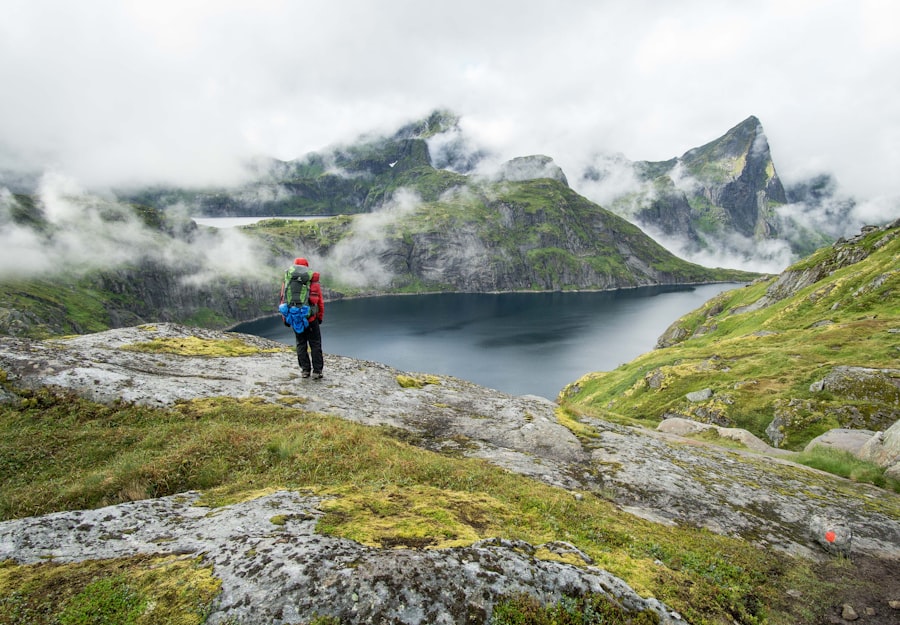
My brain, much like my body, often felt sluggish and uninspired when confined within four walls for extended periods. The constant barrage of digital information and the repetitive nature of indoor tasks can lead to mental fatigue and a decrease in cognitive function. Spending more time outdoors, however, has proven to be a powerful catalyst for mental clarity and enhanced cognitive abilities.
Enhanced Focus and Concentration: Escaping the Information Overload
I used to believe that my ability to focus was solely dependent on my willpower and the strategies I employed. But I’ve learned that the environment plays a crucial role. The constant notifications from my phone, the endless tabs open on my computer, the general hum of indoor distractions – these all contribute to a fractured attention span. Stepping outdoors provides a welcome respite from this information overload. The natural world, while rich in stimuli, is also inherently less demanding of my direct, focused attention. The gentle flow of a stream, the flight of a bird, the intricate patterns of clouds – these are things I can observe without feeling compelled to analyze or respond. This allows my mind to relax and recharge, making it easier to return to tasks with renewed focus. It’s a form of passive attention, which research suggests is crucial for replenishing our directed attention capabilities. I find that after a period outdoors, I can tackle complex tasks with a sharper mind and a greater ability to concentrate for longer stretches. It’s like giving my brain a much-needed defragmentation.
Fostering Creativity and Problem-Solving: Nature’s Muse
This is one of the most surprising and delightful benefits I’ve experienced. I used to think creativity was something that struck like lightning, or was nurtured through intensive brainstorming sessions. But I’ve discovered that nature is a powerful and consistent muse. When I’m walking through a forest, observing the way trees adapt to their surroundings, or marveling at the intricate design of a spiderweb, my mind begins to make unexpected connections. The slow, unfolding processes of nature seem to mirror the process of creative thought. I find myself coming up with new ideas, finding solutions to problems that had seemed insurmountable, and approaching challenges with a fresh perspective. The open space and the absence of immediate demands allow my subconscious mind to wander and explore, often leading to those “aha!” moments. It’s as if the natural world unlocks a hidden wellspring of creativity within me. This phenomenon is often referred to as “soft fascination,” where engaging with nature requires minimal cognitive effort, allowing the mind to wander and engage in more associative thinking, which is a breeding ground for creativity.
4. Strengthening Social Connections: The Outdoor Commons
While my initial inclination was to seek solitary solace outdoors, I’ve come to realize the immense value of shared outdoor experiences. The natural world provides a wonderful and often informal setting for connecting with others, fostering deeper bonds and creating lasting memories.
Opportunities for Shared Activities and Bonding
There’s a unique magic in engaging in activities with others in an outdoor setting. Whether it’s a leisurely walk with a friend, a picnic with family, or a group hike with a club, the shared experience amplifies the joy and strengthens the connection. I’ve found myself initiating more outdoor outings with people I care about, not just because I want to spend time in nature, but because I want to share that experience with them. The absence of typical indoor distractions, like televisions or screens, encourages more genuine conversation and interaction. We’re more present with each other, noticing the same birds, pointing out interesting plants, and sharing laughter over a shared observation. These shared moments in nature create a sense of camaraderie and belonging that can be harder to cultivate in other settings. It’s a natural facilitator of human connection, a reminder that we are social beings who thrive on shared experiences. This could be anything from a simple stroll in the park to a weekend camping trip. The shared challenge of a hike, the collective awe at a sunset, or the simple act of sharing a meal outdoors all contribute to stronger bonds.
Encouraging Community Engagement and Belonging
Beyond individual friendships, spending time outdoors can also foster a sense of community. Participating in local park clean-up events, joining a gardening club, or simply becoming a regular at a neighborhood park can create opportunities to meet new people and feel more connected to the place I live. There’s a shared stewardship that emerges when people come together to care for a natural space. I’ve observed how communities that actively utilize and care for their outdoor spaces often exhibit a stronger sense of collective identity and pride. It’s a tangible way to contribute to the well-being of my surroundings and, in doing so, connect with others who share that same vision. This can lead to a greater sense of belonging and a more vibrant local community. Feeling connected to my local environment and the people within it is a powerful antidote to feelings of isolation.
Spending more time outdoors can significantly enhance your physical and mental well-being, and if you’re curious about the science behind appetite regulation, you might find this article on ghrelin and leptin particularly interesting. Engaging with nature not only boosts your mood but also helps in maintaining a healthy lifestyle, making it easier to manage your appetite and overall health. By understanding how these hormones interact, you can appreciate even more the benefits of outdoor activities that promote a balanced life.
5. Embracing Adventure and Exploration: The World Awaits
For too long, I’ve viewed adventure as something reserved for others, for those with more daring spirits or more flexible schedules. The reality, however, is that the spirit of adventure is readily accessible in the natural world, waiting to be awakened with each step I take outside.
Discovering New Places and Experiencing the Unfamiliar
The world beyond my doorstep is vast and full of wonders I’ve yet to encounter. Spending more time outdoors has ignited a desire to explore, to venture off the beaten path and discover hidden gems. Whether it’s a new hiking trail, a less-traveled park, or a nearby nature reserve, each outing offers the potential for discovery. I’ve started to actively seek out new outdoor spaces, pushing myself to try different activities and explore different landscapes. This sense of exploration not only broadens my horizons but also fuels my curiosity and keeps life feeling fresh and exciting. It’s a constant reminder that there’s always something new to see and experience, and that the greatest adventures often begin with a simple step outside. This sense of novelty and exploration is incredibly invigorating, breaking the monotony of routine and injecting a sense of purpose into my days.
Cultivating Resilience and Self-Reliance: Facing the Elements
There’s a certain humility that comes from interacting with the elements. Facing a sudden downpour, navigating a slightly challenging trail, or simply packing everything I need for a day trip – these experiences, while sometimes uncomfortable, are invaluable for building resilience and self-reliance. I’ve learned to be more prepared, to anticipate potential challenges, and to adapt when things don’t go exactly as planned. This ability to navigate unforeseen circumstances, both big and small, translates to increased confidence in my ability to handle life’s inevitable ups and downs. The outdoors has a way of teaching practical skills and fostering a sense of capability that indoor living often obscures. It’s not about conquering nature, but about learning to coexist with it, to understand its rhythms, and to trust in my own ability to adapt and persevere. This fosters a quiet strength and a deeper understanding of my own capabilities. It’s a constant, gentle reminder that I am capable of more than I often give myself credit for.
6. Connecting with the Rhythms of Life: A Deeper Sense of Being
Beyond the tangible benefits, there’s a more profound, almost spiritual aspect to spending time outdoors. It’s about aligning myself with the natural cycles of the planet, a process that can lead to a deeper sense of peace and purpose.
Appreciating the Passage of Time and Seasons
I used to measure time by calendar pages and deadlines. But when I spend more time outdoors, I begin to perceive time differently, through the subtle shifts in light, the changing colors of the leaves, the arrival of migratory birds. The seasons become more than just arbitrary markers; they become living, breathing entities that mark the passage of life. I’ve found myself looking forward to the first buds of spring, the vibrant bloom of summer, the fiery hues of autumn, and the quiet slumber of winter. This appreciation for the cyclical nature of life fosters a sense of patience and acceptance. It reminds me that change is inevitable, and that each phase has its own beauty and purpose. It’s a grounding experience that helps me to feel more connected to the larger tapestry of existence.
Fostering a Sense of Gratitude and Wonder
The sheer magnificence of the natural world can inspire a profound sense of gratitude and wonder. Witnessing a breathtaking sunset, observing a delicate wildflower pushing through concrete, or simply breathing in the crisp, clean air – these experiences evoke a deep appreciation for the beauty and complexity of life. I find myself feeling more grateful for the simple things, for the privilege of experiencing such wonders. This sense of awe is a powerful antidote to cynicism and negativity, reminding me of the inherent goodness and beauty that surrounds us, often unnoticed. It’s a constant source of inspiration and a reminder to cherish the present moment. This feeling of wonder isn’t just about grand vistas; it can be found in the smallest details, a dewdrop on a spiderweb, the intricate veins of a leaf, the determined march of an ant. These moments of quiet observation cultivate a deep and abiding sense of gratitude for the intricate web of life.
Finding Solace and Perspective in the Grand Scale
When I’m feeling overwhelmed by the complexities of my own life, stepping outdoors and gazing up at the vast expanse of the sky or looking out at an endless horizon provides a much-needed sense of perspective. My personal worries, while significant to me, seem to shrink in the face of the immensity of the natural world. It’s a humbling experience that can help me to re-prioritize and regain a sense of calm. The grand scale of nature has a way of reminding me of my place within it, not as an isolated entity, but as a small but integral part of something much larger. This can be incredibly therapeutic, offering solace and a fresh outlook on challenges. It’s a reminder that the world keeps turning, the stars keep shining, and that my individual struggles, while real, are part of a much grander, ongoing narrative.
Ultimately, my journey to embrace the outdoors has been a gradual awakening. It’s not about abandoning my indoor life entirely, but about finding a healthier balance, about consciously seeking out the restorative, invigorating, and inspiring power of nature. These ten reasons are not just abstract concepts; they are personal discoveries that have enriched my life in countless ways. So, the next time you find yourself feeling a little stagnant, a little stressed, or a little disconnected, I encourage you to step outside. The world is waiting, and it has so much to offer.