How to Regulate Your Nervous System and Find Inner Calm
You’ve likely experienced it – the racing heart, the churning stomach, the insistent hum of anxiety that whispers doubts and fears. It’s your nervous system, in full alarm mode, telling you there’s a threat, even when the danger is only perceived. The good news? You’re not powerless against this internal storm. You have incredible capacity to regulate your nervous system and cultivate a deep, abiding sense of inner calm. This journey isn’t about eliminating stress entirely; that’s an impossible and frankly, undesirable, goal. Instead, it’s about developing the skills and awareness to navigate those challenging moments with grace and resilience, to return yourself to a state of balance.
Consider your nervous system a finely tuned instrument, capable of incredible responsiveness. When faced with perceived danger, it triggers a cascade of physiological responses – the “fight, flight, or freeze” reactions. This is a survival mechanism, honed over millennia. However, in our modern lives, the threats are often less immediate but our nervous system can still react with the same intensity. Chronic stress, while not a saber-toothed tiger, can leave you feeling perpetually on edge, exhausted, and disconnected. Learning to regulate your nervous system means understanding its signals, recognizing when it’s overstimulated, and employing strategies to soothe and rebalance it. It’s about reclaiming your internal equilibrium, finding moments of peace amidst the chaos, and building a foundation of inner calm that can withstand life’s inevitable ups and downs. This is a skill you can learn, practice, and master.
Before you can effectively regulate your nervous system, it’s crucial to understand its fundamental components and how they interact. Think of it as learning the manual for your own internal operating system. This understanding will empower you to make conscious choices about how you respond to life’s events, rather than being passively swept away by overwhelming sensations.
The Autonomic Nervous System: Your Unconscious Pilot
The autonomic nervous system (ANS) is the part of your nervous system that operates largely without your conscious thought. It’s responsible for regulating essential bodily functions like breathing, heart rate, digestion, and blood pressure. The ANS has two primary branches that are constantly in a dynamic interplay: the sympathetic nervous system (SNS) and the parasympathetic nervous system (PNS).
The Sympathetic Nervous System: The Accelerator
When your SNS is activated, it’s like hitting the gas pedal of your body. It prepares you for action by releasing adrenaline and cortisol, hormones that increase your heart rate, blood pressure, and energy levels. This is your “fight or flight” response. It’s incredibly useful when you’re facing a genuine threat, like narrowly avoiding a car accident. However, in contemporary life, it can be triggered by less dramatic stressors, such as a demanding work deadline, a heated argument, or even just continuous exposure to news headlines. When the SNS is frequently overstimulated, you might experience symptoms like anxiety, restlessness, insomnia, muscle tension, and difficulty concentrating. You feel perpetually on edge, like a tightly wound spring.
The Parasympathetic Nervous System: The Brake Pedal
Conversely, the PNS is the “rest and digest” system. It’s your body’s natural calming mechanism. When activated, the PNS slows your heart rate, lowers blood pressure, aids digestion, and promotes relaxation. This is your “feed and breed” state, where your body can repair and restore itself. Think of it as the antidote to SNS overdrive. A healthy, balanced nervous system can readily shift between these two states. The challenge arises when the SNS dominates, keeping you in a perpetual state of alert and making it difficult for the PNS to engage. Learning to regulate your nervous system essentially means learning to activate your PNS more effectively and for longer periods, allowing your body to access its natural state of calm.
The Vagus Nerve: The Superhighway to Calm
The vagus nerve is a critical component of the parasympathetic nervous system, and it plays a monumental role in regulating your nervous system and fostering inner calm. It’s the longest cranial nerve, extending from your brainstem all the way down to your abdomen, and it acts as a two-way communication highway between your brain and many of your vital organs. The vagus nerve is your direct line to your body’s relaxation response.
Understanding Vagal Tone
The efficacy of your vagus nerve is often measured by something called “vagal tone.” This refers to the strength and responsiveness of the vagus nerve. Higher vagal tone is associated with better stress resilience, improved emotional regulation, and a greater ability to relax. Low vagal tone, on the other hand, can make you more susceptible to stress, anxiety, and even physical health problems. The good news is that you can actively improve your vagal tone through deliberate practices. Think of it as strengthening a muscle; the more you use and stimulate your vagus nerve, the stronger and more effective it becomes at bringing you back to a state of calm.
The Limbic System: The Emotional Hub
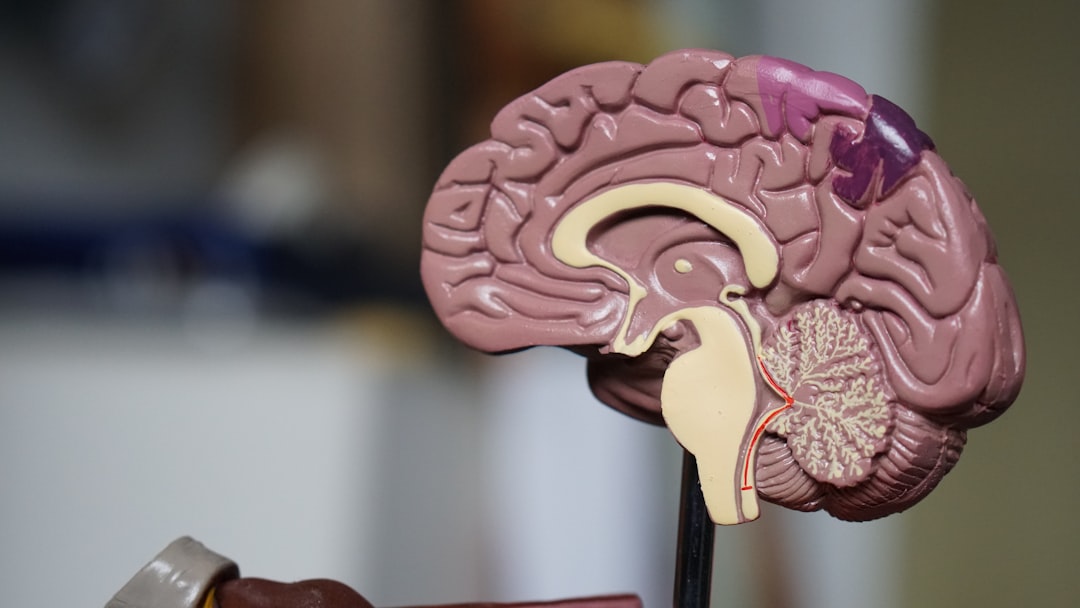
Your limbic system, particularly the amygdala, is another crucial part of the nervous system that influences your emotional state. The amygdala is your brain’s “threat detection center.” It’s constantly scanning for potential dangers, both real and imagined. When it perceives a threat, it triggers the stress response mediated by the SNS.
The Role of the Amygdala in Stress
The amygdala is a powerful and often overactive component of the nervous system in modern life. Constant bombardment of information, perceived social threats, and internalized anxieties can keep your amygdala firing, leading to chronic activation of the stress response. This can result in feelings of hypervigilance, irritability, and a heightened sense of dread. Learning to regulate your nervous system involves understanding how the amygdala influences your responses and developing strategies to help it become less reactive. This doesn’t mean shutting down your emotions, but rather learning to process them without letting them hijack your entire system.
If you’re looking to further explore techniques for achieving inner calm and regulating your nervous system, you might find this insightful article on beauty and wellness particularly helpful. It delves into various practices that promote relaxation and self-care, which can complement your journey towards tranquility. Check it out here: Beauty and Wellness Insights.
Practical Strategies for Immediate Nervous System Regulation
When you feel that familiar tension creeping in, when your heart starts to pound and your mind races, you don’t have to wait for the storm to pass. There are incredibly effective, and often simple, techniques you can use in the moment to shift your nervous system toward a state of calm. These are your immediate go-to strategies, your emergency toolkit for regaining control.
Breathing Techniques: Your Direct Line to the PNS
Your breath is your most accessible and powerful tool for influencing your nervous system. It’s the most direct route to activating your parasympathetic nervous system. By consciously altering the rhythm and depth of your breathing, you can send clear signals to your brain that it’s safe to relax.
Diaphragmatic Breathing: The Foundation of Calm
This is the bedrock of conscious breathing for relaxation. Instead of shallow chest breaths, which can activate the SNS, diaphragmatic breathing involves engaging your diaphragm, the large muscle at the base of your lungs.
- How to practice: Place one hand on your chest and the other on your belly, just below your rib cage. Inhale slowly through your nose, feeling your belly expand outward – your chest hand should move very little. Exhale slowly through your mouth, gently drawing your belly button inward. Aim for your exhale to be slightly longer than your inhale. Imagine you are breathing into your belly. This naturally slows your heart rate and signals safety.
Box Breathing: Structured Serenity
A simple yet highly effective technique for centering yourself. It’s a structured way to control your breath and create a sense of order.
- How to practice: Inhale slowly for a count of four. Hold your breath for a count of four. Exhale slowly for a count of four. Hold your breath again for a count of four. Repeat this cycle for several minutes. The equal counts help to regulate your heart rate and create a sense of rhythm and control.
Longer Exhales: Signaling Safety
The length of your exhale has a profound impact on your nervous system. Simply extending your exhale is a powerful way to activate the PNS.
- How to practice: Focus on making your exhale noticeably longer than your inhale. You don’t need a specific count for this; just feel yourself gently releasing the air from your lungs for a more extended period. Imagine yourself sighing out the tension with each exhale. This is a simple yet potent way to de-escalate a stressed nervous system.
Grounding Techniques: Anchoring Yourself in the Present
When your mind is racing or you feel overwhelmed, grounding techniques help you connect with the present moment and your physical surroundings, pulling you out of the overwhelm and back into your body. They act as anchors, preventing you from being swept away by anxious thoughts.
The 5-4-3-2-1 Method: Engaging Your Senses
This is a popular and effective sensory-based grounding technique. By consciously engaging your five senses, you reorient yourself to the here and now.
- How to practice:
- 5: Notice and name five things you can see around you.
- 4: Notice and name four things you can feel – the texture of your clothes, the chair beneath you, the temperature of the air.
- 3: Notice and name three things you can hear – distant traffic, your own breathing, a clock ticking.
- 2: Notice and name two things you can smell. If you can’t smell anything distinct, focus on the sensation of breathing.
- 1: Notice and name one thing you can taste. This might be the lingering taste of your last meal or the sensation of your tongue in your mouth.
Physical Anchoring: Using Your Body
Your physical presence in space is a powerful grounding tool. Connecting with your body can bring you back from the mental churn.
- How to practice: Feel your feet on the ground. Wiggle your toes. Notice the pressure of your shoes or the socks on your feet. Feel the weight of your body where it’s supported by a chair or the floor. Gently press your hands together, feeling the sensation of connection. Place your hands on your abdomen and feel your breath rising and falling. These simple physical sensations help to ground you in the present moment.
Movement and Gentle Physicality: Releasing Stored Tension
Your body stores stress and tension. Gentle movement can be incredibly effective in releasing this stored energy and signaling to your nervous system that the danger has passed.
Mindful Stretching
Stretching can release physical knots and improve circulation, both of which are beneficial for nervous system regulation. The key is to move mindfully, paying attention to the sensations in your body.
- How to practice: Gently move through a series of stretches, focusing on areas where you tend to hold tension (shoulders, neck, back). Hold each stretch for a few breaths, breathing into the area of tightness. Avoid pushing to the point of pain; the goal is release, not strain.
Brief Walks or Gentle Exercise
Even a short walk can make a significant difference. Movement helps to process stress hormones and can shift your mental state.
- How to practice: Step outside for a few minutes, even if it’s just around the block. Focus on the sensation of your feet hitting the ground, the feel of the air on your skin, and the sights and sounds around you. If you can’t get outside, gentle indoor exercises like yoga or tai chi can also be highly beneficial.
Cultivating Long-Term Resilience: Habits for a Calmer System
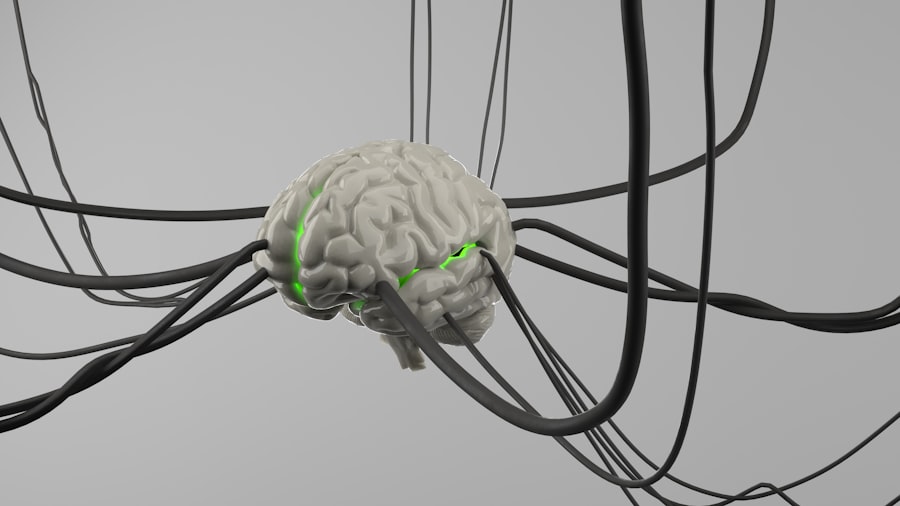
While immediate strategies are essential for managing acute stress, true inner calm is built over time through consistent practices that cultivate long-term resilience. These are the habits you weave into your daily life to fortify your nervous system and make it more robust.
The Power of a Consistent Sleep Schedule
Sleep is not a luxury; it’s a fundamental human need, and it’s absolutely critical for nervous system regulation. During sleep, your brain processes emotions, consolidates memories, and repairs itself. Chronic sleep deprivation wreaks havoc on your stress response, making you more vulnerable to anxiety and overwhelm.
Prioritizing Sleep Hygiene
Creating a conducive sleep environment and establishing consistent routines are key to improving sleep quality.
- How to practice: Aim for 7-9 hours of quality sleep per night. Establish a regular bedtime and wake-up time, even on weekends. Create a relaxing bedtime routine, such as reading, taking a warm bath, or listening to calming music. Ensure your bedroom is dark, quiet, and cool. Limit screen time before bed, as the blue light emitted from devices can interfere with melatonin production.
Nutrition for Nervous System Support
What you eat directly impacts your brain function and your nervous system’s ability to manage stress. Certain foods can either exacerbate or soothe your stress response.
Nourishing Your Brain and Body
Focus on whole, unprocessed foods that provide essential nutrients for brain health and stress management.
- How to practice:
- Incorporate Omega-3 Fatty Acids: Found in fatty fish (salmon, mackerel), flaxseeds, and walnuts, omega-3s are crucial for brain health and have anti-inflammatory properties that can benefit the nervous system.
- Embrace Antioxidants: Berries, leafy greens, and dark chocolate are rich in antioxidants that protect brain cells from damage caused by stress.
- Prioritize Magnesium-Rich Foods: Foods like dark leafy greens, nuts, seeds, and whole grains can help to calm the nervous system and reduce anxiety.
- Limit Caffeine and Sugar: While they may offer a temporary boost, excessive caffeine and sugar can lead to jitters and crashes, exacerbating anxiety and disrupting sleep.
- Hydration is Key: Dehydration can negatively impact cognitive function and mood. Make sure you’re drinking plenty of water throughout the day.
The Importance of Social Connection and Support
Humans are wired for connection. Strong social bonds act as a buffer against stress and are vital for emotional well-being and nervous system regulation. When you feel connected and supported, your body’s stress response is less likely to be activated.
Nurturing Meaningful Relationships
Investing time and energy in your relationships is an investment in your own calm and resilience.
- How to practice:
- Schedule Time for Loved Ones: Make intentional efforts to connect with friends and family, whether through calls, video chats, or in-person gatherings.
- Share Your Feelings: Don’t be afraid to talk about your struggles with trusted individuals. Sharing your burdens can lighten the load and foster a sense of not being alone.
- Join a Community: Participating in groups or activities that align with your interests can foster a sense of belonging and provide opportunities for connection.
Mind-Body Practices: Deepening the Connection to Inner Peace
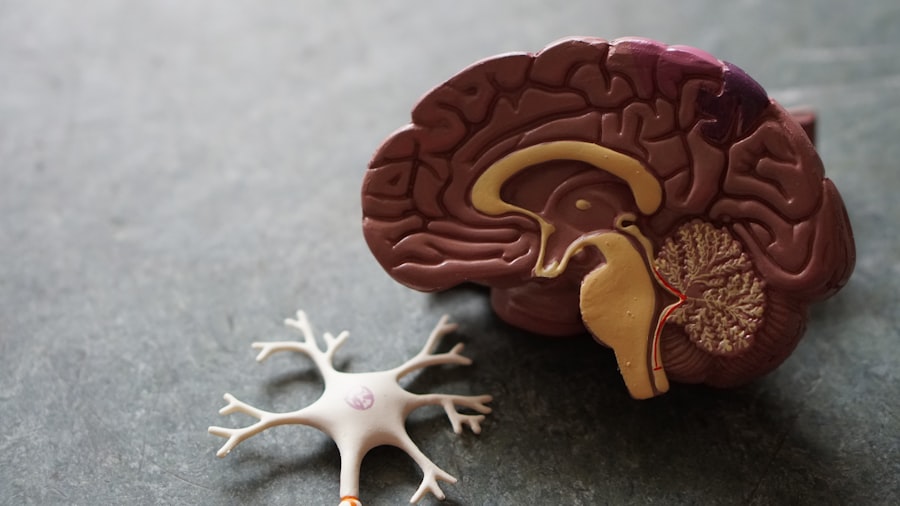
Mind-body practices are specifically designed to bridge the gap between your conscious mind and your physical sensations, allowing you to access deeper states of relaxation and awareness. These practices are potent tools for learning to actively downregulate your nervous system.
Mindfulness and Meditation: Training Your Attention
Mindfulness is the practice of paying attention to the present moment without judgment. Meditation is a formal practice that cultivates this state of present-moment awareness. By regularly engaging in these practices, you train your brain to be less reactive to stressful thoughts and feelings.
Daily Mindfulness Exercises
Even short bursts of mindfulness can make a difference in your day.
- How to practice:
- Mindful Eating: Pay attention to the colors, textures, smells, and tastes of your food. Chew slowly and savor each bite.
- Mindful Walking: Focus on the sensation of your feet on the ground, the rhythm of your steps, and the movements of your body.
- Body Scan Meditation: Lie down or sit comfortably and bring your awareness to different parts of your body, noticing any sensations without trying to change them.
Guided Meditations for Relaxation
Guided meditations can be particularly helpful for beginners, as they provide a structure and direction for your practice.
- How to practice: Utilize apps like Calm, Headspace, or Insight Timer, which offer a wide range of guided meditations focused on stress reduction, relaxation, and sleep. Find a comfortable position, close your eyes, and follow the voice of the instructor as they lead you through a calming experience. Focus on your breath and allow thoughts to come and go without clinging to them.
Yoga and Tai Chi: Moving Towards Equanimity
These ancient practices beautifully integrate movement, breath, and mindfulness, offering a holistic approach to nervous system regulation. They encourage you to tune into your body’s subtle signals and release stored tension.
The Benefits of Gentle Yoga
Yoga, when practiced with intention, can be a powerful tool for calming the nervous system.
- How to practice: Focus on slow, deliberate movements and deep, conscious breathing. Poses that involve gentle forward folds, twists, and inversions can be particularly beneficial for releasing tension and promoting relaxation. Restorative yoga poses, which hold poses for longer periods with the support of props, are excellent for deep relaxation.
The Flow of Tai Chi
Tai Chi is a gentle, flowing form of exercise that combines slow, deliberate movements with deep breathing. It’s often described as “meditation in motion.”
- How to practice: Learn the fundamental movements of Tai Chi through a qualified instructor or online resources. Focus on the smooth, continuous flow of your movements and the coordination of your breath with each gesture. The slow, rhythmic nature of Tai Chi helps to quiet the mind and calm the nervous system.
In the journey to achieve a balanced state of mind, understanding how to regulate your nervous system is crucial for finding inner calm. One helpful resource that complements this topic is an article discussing the best cities for a weekend getaway, which can provide a refreshing break and a change of scenery to help ease stress. Exploring new environments can significantly contribute to your overall well-being, making it easier to practice relaxation techniques. You can read more about these rejuvenating destinations in this insightful piece on the best cities for a weekend getaway.
Addressing the Root Causes: Transforming Your Relationship with Stress
While immediate techniques and consistent habits are crucial, true and lasting inner calm often involves a deeper exploration of your relationship with stress itself. This is about transforming how you perceive and respond to challenges at a more fundamental level.
Identifying Your Stress Triggers
Understanding what consistently activates your stress response is the first step towards managing it.
Self-Reflection and Journaling
Taking the time to honestly assess your experiences can provide invaluable insights.
- How to practice: Keep a stress journal for a week or two. Note down situations that lead to feelings of overwhelm or anxiety. What were the circumstances? Who were you with? What thoughts were going through your mind? What physical sensations did you experience? Over time, patterns will emerge that can help you identify your primary triggers.
Challenging Negative Thought Patterns
Much of our stress response is generated by the stories we tell ourselves. Learning to identify and challenge unhelpful thought patterns can significantly reduce your reactivity.
Cognitive Restructuring Techniques
This involves consciously questioning and reframing your negative thoughts.
- How to practice: When you notice a negative or anxious thought, ask yourself:
- Is this thought based on fact or assumption?
- What evidence do I have to support this thought?
- What evidence do I have that contradicts this thought?
- What is a more balanced or realistic way to view this situation?
- What would I say to a friend in this similar situation?
Building Emotional Resilience and Self-Compassion
Developing resilience means not only bouncing back from adversity but also learning to navigate difficult emotions with kindness and understanding towards yourself.
Practicing Self-Compassion
Treat yourself with the same kindness and understanding you would offer a dear friend who is struggling.
- How to practice: When you are experiencing difficult emotions, acknowledge them without judgment. Remind yourself that suffering is a part of the human experience and that you are not alone in your struggles. Offer yourself words of comfort and encouragement, just as you would to a loved one.
Seeking Professional Support
Sometimes, the patterns of stress and anxiety are deeply ingrained, and navigating them alone can be incredibly challenging. Reaching out for professional help is a sign of strength, not weakness.
Therapy and Counseling
A trained therapist can provide you with tools and strategies tailored to your specific needs.
- How to practice: Consider seeking out a therapist who specializes in stress management, anxiety, or trauma-informed care. Therapies like Cognitive Behavioral Therapy (CBT) or Dialectical Behavior Therapy (DBT) are highly effective in teaching you to regulate your emotions and challenge unhelpful thought patterns.
Your nervous system is an extraordinary system, and its capacity for balance and calm is profound. By understanding its intricacies, employing effective regulation techniques, cultivating supportive habits, and fostering a compassionate relationship with yourself, you can indeed navigate the storms of life with greater ease and discover the enduring peace that resides within you. The journey is ongoing, but with consistent practice and self-awareness, you can learn to master your internal landscape and find a profound sense of inner calm.