12 Best Places to Visit in Morocco for an Unforgettable Adventure
I’ve always been drawn to the allure of exotic lands, and Morocco, with its intoxicating blend of ancient traditions and vibrant modernity, has long held a top spot on my travel wish list. From the dusty chaos of sprawling souks to the serene majesty of the Sahara, I knew an adventure here would be an unforgettable one. So, armed with my trusty backpack and an insatiable curiosity, I embarked on a journey to uncover the very best this mesmerizing North African nation has to offer. Here’s a glimpse into the 12 places that truly captured my heart and soul.
My Moroccan adventure truly began as I delved into the country’s magnificent Imperial Cities. These ancient capitals, each with its own distinct charm and historical significance, offered me a fascinating window into Morocco’s rich and complex past.
Marrakech: The Red City’s Enduring Magic
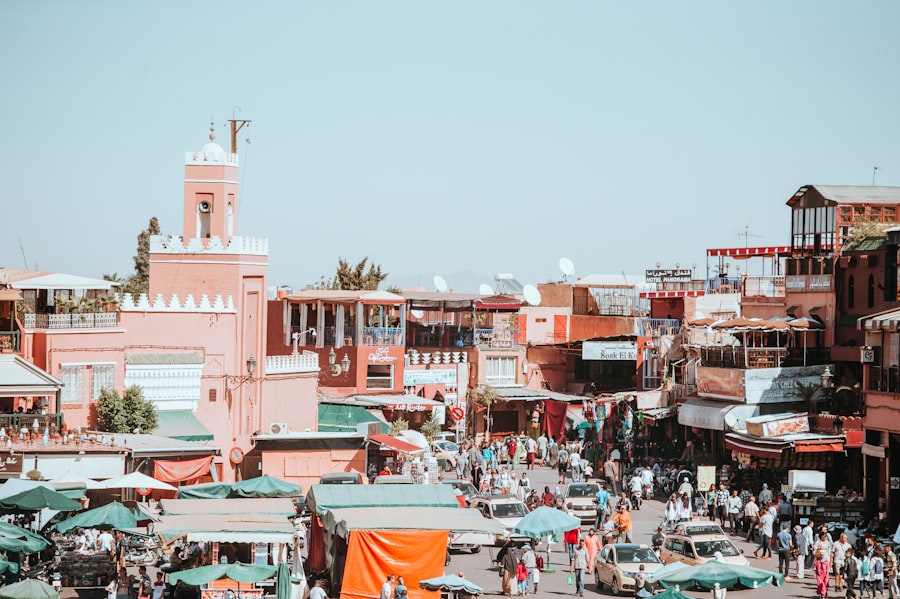
Ah, Marrakech! The name itself conjures images of snake charmers, bustling markets, and ancient palaces. From the moment I stepped into the vibrant chaos of Jamaa el-Fna, I was utterly captivated. This UNESCO World Heritage site, a sprawling public square at the heart of the medina, is a sensory overload in the most wonderful way possible. By day, I watched storytellers weave ancient tales, and felt the rhythm of drum circles. By night, it transformed into a massive open-air restaurant, the air thick with the scent of grilled meats and tagines, illuminated by countless flickering lamps.
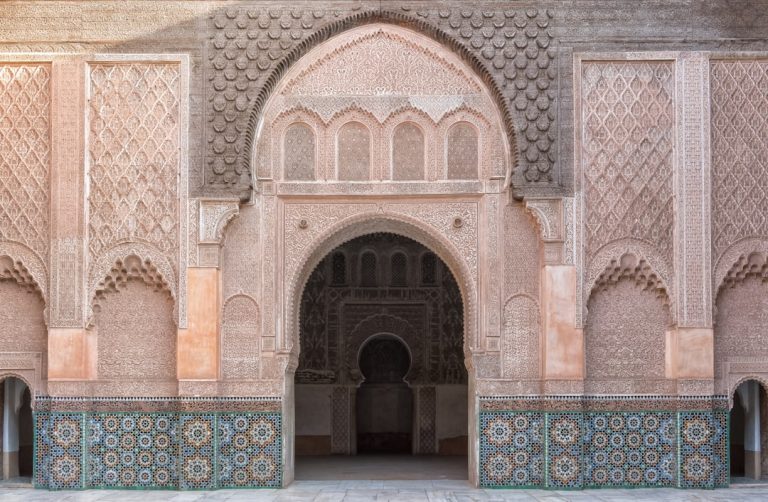
Beyond the square, I spent hours getting lost – quite literally – in the labyrinthine alleyways of the souks. Each turn revealed a new treasure: shimmering lanterns, intricately woven carpets, aromatic spices, and artisan leather goods. Haggling with the vendors was an art form I slowly began to appreciate, a playful dance of numbers and good humor. I found immense tranquility within the stunning Bahia Palace, an architectural masterpiece with its delicate mosaics and serene courtyards, a testament to 19th-century Moroccan craftsmanship. Another highlight was the Majorelle Garden, a vibrant oasis of cobalt blue buildings, exotic plants, and calming lily ponds, once owned by Yves Saint Laurent. It offered a welcome respite from the city’s lively pulse, a splash of vibrant color and cool shade.
Fes: The Soul of Morocco
My journey continued north to Fes, a city that immediately felt older, more authentic, and perhaps even more enigmatic than Marrakech. Fes el-Bali, its ancient medina, is the largest car-free urban area in the world, and exploring it felt like stepping back a thousand years. I hired a local guide, a wise decision, as the medina’s 9,000-plus narrow, winding streets are a maze where one can easily get lost.
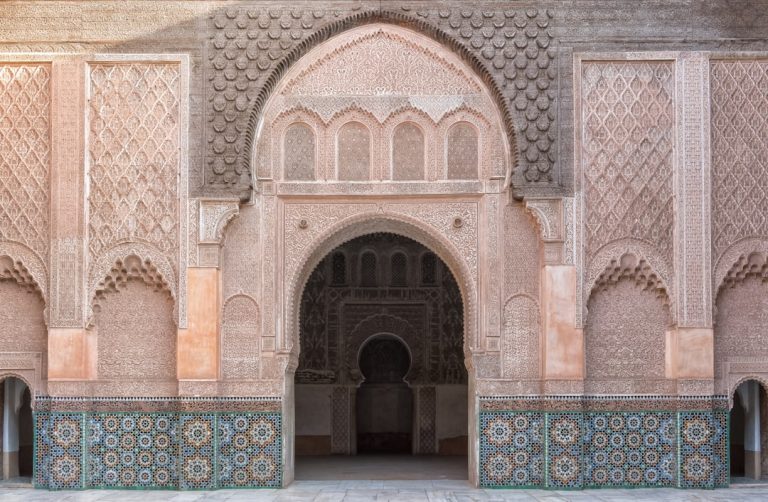
The Chouara Tannery was a stop that truly defined Fes for me. From the terrace overlooking the countless stone vats filled with colorful dyes, the pungent aroma was unforgettable, a stark reminder of the ancient, labor-intensive processes still used today. Watching workers steep skins in natural dyes, a tradition handed down through generations, was a powerful experience. I also marveled at the intricate tilework and ancient manuscripts within the Al-Attarine Madrasa, a theological college that dates back to the 14th century, and the ancient Qarawiyyin University, considered by some to be the oldest continually operating higher education institution in the world. Fes felt less like a tourist destination and more like a living museum, breathing history through every stone and every corner.
Meknes: The Imperial City often Overlooked
Meknes, often overshadowed by its more famous imperial siblings, was a delightful discovery for me. It possessed a quieter charm, a sense of grandeur without the overwhelming crowds. The most striking feature I encountered was the Bab Mansour Gate, an enormous and richly decorated archway that stands as a testament to Sultan Moulay Ismail’s ambitious vision. Its intricate mosaic tiles and carved arches were breathtaking.
I also explored the ruins of the royal stables, Heri es-Souani, which once housed 12,000 horses. The sheer scale of the complex was astonishing, giving me a glimpse into the power and wealth of the sultanate. Nearby, the Roman ruins of Volubilis, a UNESCO site, transported me even further back in time. Walking among the remarkably preserved mosaics and ancient arches, I could almost hear the echoes of Roman life that once thrived in this fertile land. Meknes offered a more relaxed pace, allowing me to truly absorb the historical atmosphere at my own leisure.
If you’re planning an unforgettable adventure in Morocco, you might also be interested in exploring how travel can impact your well-being. A related article on the effects of travel on cortisol levels can provide valuable insights into the mental health benefits of exploring new destinations. You can read more about this fascinating topic in the article found here: Travel and Cortisol: The Stress-Relieving Benefits of Adventure.
Coastal Charms: Where the Desert Meets the Sea
After the intensity of the imperial cities, the call of the Atlantic coast was irresistible. I longed for the refreshing sea breeze and the laid-back rhythm of coastal life.
Essaouira: The Windy City’s Bohemian Vibe
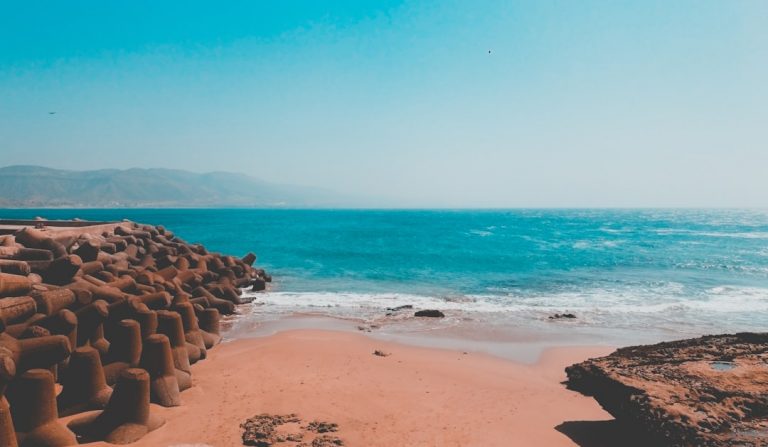
Essaouira was my breath of fresh air. Known as the “Windy City” due to the constant Atlantic breezes, it’s a haven for windsurfers and kitesurfers. Its medina, also a UNESCO World Heritage site, is less frenetic than Marrakech’s, with wide, easy-to-navigate streets. I loved walking along the ancient ramparts, feeling the spray of the ocean as the waves crashed against the stone walls, and imagining scenes from “Game of Thrones” which was famously filmed here.
The vibrant blue fishing boats bobbing in the harbor, the skilled artisans crafting thuya wood in their workshops, and the delicious fresh seafood grilling right by the docks all contributed to its unique charm. I spent hours simply soaking in the atmosphere, sipping mint tea in a cafe, and watching the world go by. Essaouira has a distinct bohemian feel, drawing artists and musicians from around the globe, and its relaxed pace made it one of my favorite stops.
If you’re planning an unforgettable adventure in Morocco, you might also find interest in exploring the cultural dynamics of travel relationships. A related article that delves into this topic can be found here, offering insights on how shared experiences can enhance your journey. Whether you’re traveling solo or with loved ones, understanding the impact of relationships on your adventures can add a meaningful layer to your exploration of Morocco’s stunning landscapes and rich heritage.
Rabat: The Modern Capital with Ancient Roots
Rabat, Morocco’s modern capital, surprised me with its blend of sleek European boulevards and ancient Kasbahs. It felt more organized and cosmopolitan than the other cities I had visited, yet it still held a deep connection to its past. I found myself drawn to the serene beauty of the Kasbah of the Udayas, a fortified village with whitewashed houses and blue doors, perched overlooking the Atlantic. Its Andalusian gardens were a peaceful sanctuary, and the views of the Bou Regreg River were stunning.
The iconic Hassan Tower, the minaret of an incomplete mosque from the 12th century, stood majestically alongside the Mausoleum of Mohammed V, a masterpiece of Moroccan traditional art where I paid my respects. Rabat offered a different perspective on Morocco, showcasing its forward-thinking side while still honoring its profound heritage. I appreciated the clean streets and the vibrant yet calm atmosphere, a stark contrast to the lively chaos of Marrakech.
Mountainous Retreats and Desert Dreams
My journey always had the allure of the high Atlas Mountains and the endless Sahara Desert whispering to me. These landscapes promised a truly adventurous and transformative experience.
Chefchaouen: The Blue Pearl of the Rif Mountains
Driving up into the Rif Mountains to reach Chefchaouen felt like entering a different world. And then, there it was: a cascade of blue-washed buildings nestled against the mountainside. The “Blue City” is utterly enchanting. I spent days simply wandering its unbelievably photogenic streets, captivated by every shade of blue imaginable, from pastel sky blue to deep indigo.
The origin of the blue is debated – some say it keeps mosquitoes away, others that it symbolizes the sky and heaven – but whatever the reason, it creates an almost dreamlike atmosphere. The medina is smaller and easier to navigate than the imperial cities’, making it a joy to explore. I enjoyed hiking up to the Spanish Mosque for a panoramic view of the entire blue city, especially at sunset when the light cast a magical glow over the houses. The relaxed pace, friendly locals, and stunning aesthetics made Chefchaouen an unforgettable stop.
Dades Valley & Todra Gorge: Nature’s Grandeur
Leaving the blue hues behind, I ventured further into the dramatic landscapes of the Atlas Mountains towards the Dades Valley and Todra Gorge. The drive itself was an experience, winding through incredible geological formations, past traditional Berber villages clinging to hillsides, and through lush date palm groves.
The Dades Valley, often called the “Valley of a Thousand Kasbahs,” is punctuated by ancient mud-brick fortresses, many now crumbling but still exuding a powerful sense of history. I was particularly impressed by the sheer scale of the Dades Gorge, with its towering red rock formations and the Dades River snaking through its depths. Further on, the Todra Gorge took my breath away. Massive, sheer rock walls, some reaching heights of over 300 meters, narrowly enclose the riverbed. Walking through this natural cathedral, feeling the cool air and gazing up at the sky, made me feel incredibly small yet profoundly connected to the earth. It was a testament to the raw power and beauty of nature.
Merzouga and the Sahara Desert: A Starry Night Extravaganza
This was, perhaps, the pinnacle of my Moroccan adventure. My journey to Merzouga, the gateway to the Erg Chebbi dunes of the Sahara, was filled with eager anticipation. The moment I first laid eyes on the towering, golden sand dunes, stretching as far as the eye could see, I felt an overwhelming sense of awe.
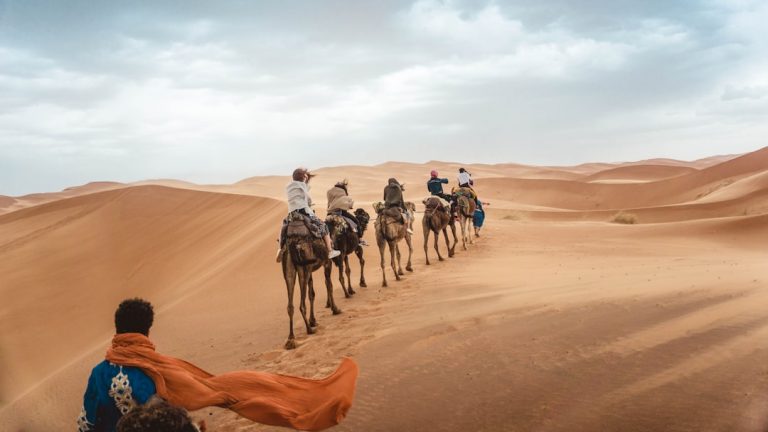
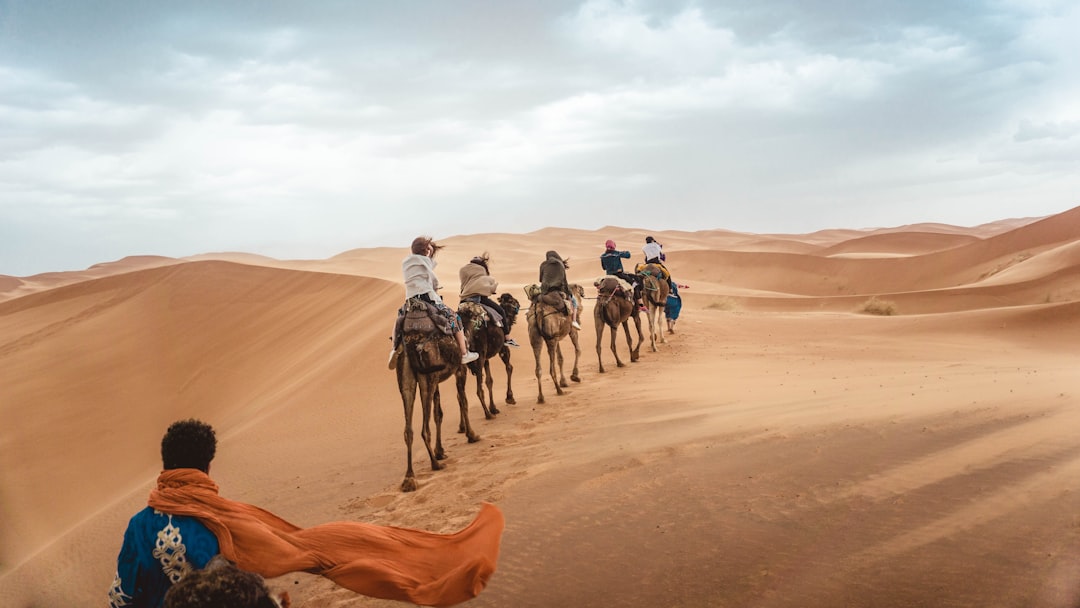
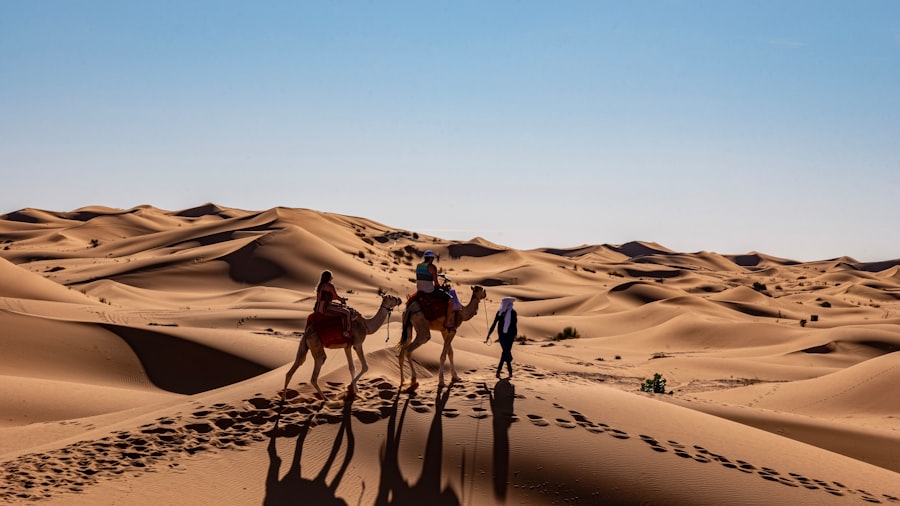
My desert experience began with a camel trek into the heart of the dunes as the sun began its descent, painting the sky in fiery oranges and purples. The rhythmic sway of the camel, the immense silence broken only by the crunch of hooves on sand, and the unfolding panorama around me was incredibly meditative. We arrived at our desert camp nestled among the dunes, a collection of traditional Berber tents. That night, under a sky ablaze with countless stars, unmarred by any light pollution, was one of the most magical experiences of my life. I had never seen so many stars, so vividly. Waking up to watch the sunrise over the golden dunes, the sand shifting in the gentle morning breeze, was equally breathtaking. Sandboarding down the dunes was a thrilling bonus!
Southern Gems and Hidden Delights
My exploration wouldn’t be complete without venturing into the southern regions and uncovering some lesser-known, but equally captivating, destinations.
Ait Benhaddou: A UNESCO Kasbah Out of a Dream
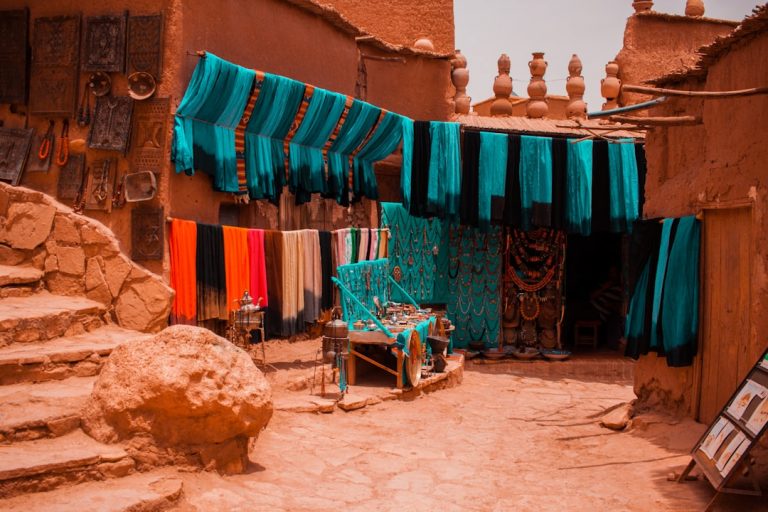
En route to the Sahara, I stopped at Ait Benhaddou, another UNESCO World Heritage site and a place that felt straight out of a movie set – because it often is! This ancient fortified ksar (village) of earthen buildings, seemingly rising from the landscape, is a stunning example of traditional Moroccan earth architecture. Its winding alleyways, towering walls, and intricate dwellings transported me back to a time of trade caravans and desert strongholds.
Climbing to the top of the ksar offered panoramic views of the surrounding palm groves and the Ounila River. Walking through its ancient structures, I could almost hear the whispers of history. It’s easy to see why filmmakers have chosen Ait Benhaddou for iconic scenes in movies like “Gladiator” and “Lawrence of Arabia.” This place truly embodied the romantic image of old Morocco.
Ouarzazate: The Gateway to the Desert and Moroccan Hollywood
Just a short drive from Ait Benhaddou, Ouarzazate presented itself as an intriguing mix of desert gateway and burgeoning film hub. Known as the “door of the desert,” it serves as a base for many Sahara excursions. But what truly fascinated me was its reputation as “Ouallywood.” I visited the Atlas Film Studios, one of the largest film studios in the world, where sets from countless movies and TV shows lay scattered across the desert landscape.
It was surreal to walk through ancient Egyptian temples or biblical cities, knowing they were all painstakingly constructed for the silver screen. Ouarzazate offers a unique blend of authentic Berber culture and the glitz of the global film industry, making it a surprisingly diverse stop on my itinerary.
Taroudant: The “Mini Marrakech” Without the Crowds
Seeking a more authentic, less tourist-heavy experience, I ventured to Taroudant, often referred to as “Little Marrakech” but with a much more relaxed vibe. Encircling the city, its well-preserved ramparts, made of baked mud and towering nearly 10 meters high, are its most striking feature. I loved cycling along the top of these walls, taking in the views of the bustling souks within and the snow-capped Atlas Mountains beyond.
The souks themselves, while smaller than Marrakech’s, offered a delightful experience. I found beautiful artisanal silver jewelry, fragrant spices, and local leather goods at more relaxed prices. Taroudant felt like a step back in time, a charming and authentic slice of Moroccan life, free from the intense hustle and bustle of its larger namesake.
Todgha Gorges: An Accessible Natural Wonder (Often Paired with Dades)
While I mentioned Todra Gorge earlier with Dades Valley, it warrants its own distinct emphasis. For me, the sheer scale and beauty of the Todgha Gorges are so striking that it stands alone as a destination worth highlighting. Walking between the colossal 300-meter-high cliffs, often with just a narrow ribbon of river and road between them, was an awe-inspiring experience. It’s a popular spot for climbers, and just watching them ascend the sheer rock faces was impressive.
The accessibility of the gorge, allowing me to drive right into its impressive depths, made it a truly memorable natural wonder. The cool air within the gorge, a stark contrast to the desert heat outside, provided a refreshing sensory experience. The striking geological formations, sculpted by millennia of erosion, were a powerful reminder of nature’s artistry. It’s a place that fosters contemplation and a deep appreciation for the natural world.
My journey through Morocco was everything I had hoped for and more. Each city, each landscape, revealed a new layer of this captivating country. From the sensory overload of the souks to the serene majesty of the Sahara, I left Morocco with a heart full of vivid memories, a camera full of breathtaking images, and a desire to return and explore even more of its hidden treasures. It was, without a doubt, an unforgettable adventure.