Best places for whale watching
You’ve dreamed of it, haven’t you? The sheer, breathtaking scale of a whale breaching, sunlight glinting off its colossal form as it explodes from the ocean’s surface. The haunting, complex song that echoes through the deep. Whale watching is an experience that transcends mere tourism; it’s a deep connection with the wild, a humbling encounter with giants that have navigated Earth’s oceans for millennia. If this ancient wonder calls to you, you’re in the right place. This guide will lead you to some of the world’s most extraordinary locations to witness these magnificent creatures in their natural habitat.
You’ve heard of Australia’s stunning coastline, and while the Great Barrier Reef often steals the spotlight, Queensland’s Fraser Coast offers a different, equally awe-inspiring spectacle: the annual migration of the humpback whale. Hervey Bay, situated on the tip of the mainland opposite Fraser Island, is renowned as the “Whale Watching Capital of Australia,” and for very good reason. From June to November, this sheltered bay transforms into a nursery and a staging post for thousands of humpback whales.
Why Hervey Bay is a Humpback Haven
The geographical features of Hervey Bay are key to its success as a whale watching destination. The calm, protected waters of the bay offer a safe haven for mothers and their newborns. These waters are shallow enough to be warm and rich in krill and small fish, providing essential sustenance for the calves as they grow stronger before their long journey back to Antarctica.
The Magic of the Encounter
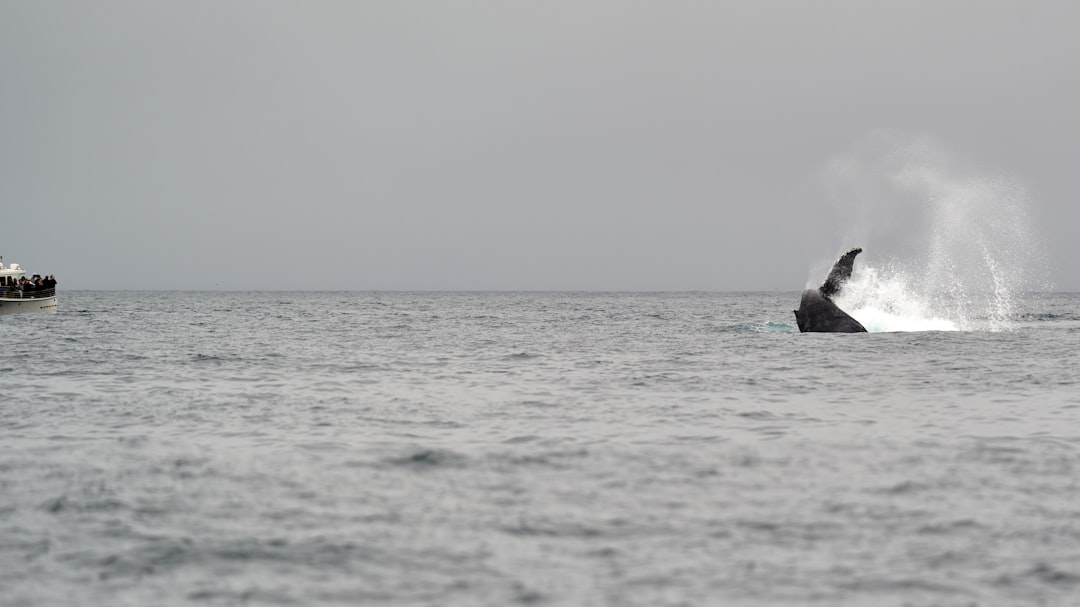
What makes Hervey Bay so special isn’t just the sheer number of whales, but the quality of the encounters. Humpbacks here are known for their inquisitive nature. You’re likely to witness mothers teaching their calves crucial survival skills, playful juveniles practicing their breaches and tail slaps, and mature whales engaging in elaborate courtship rituals. The “whales of Hervey Bay” often approach boats with incredible curiosity, allowing for exceptionally close and intimate viewing opportunities.
Types of Whale Watching Experiences
- Catamarans and Speedboats: Most tours utilize comfortable catamarans, offering stable platforms for viewing and photography. Some operators also offer smaller, faster zodiac-style boats for a more exhilarating, closer encounter.
- Semi-Submersibles: For a unique perspective, consider a vessel with underwater viewing chambers. This allows you to see the whales from below the surface, observing their graceful movements and playful interactions in a way that’s impossible from above.
- Educational Focus: Many tours pride themselves on their knowledgeable guides who share fascinating insights into whale behavior, biology, and conservation efforts. You’ll leave not only with incredible memories but also with a deeper appreciation for these gentle giants.
Best Time to Visit Hervey Bay
The whale watching season in Hervey Bay officially runs from July to October, but the peak season, when the highest concentrations of whales and the most active behavior are typically observed, is generally from late July through September. During this time, you can expect encounters with mothers and calves, as well as larger groups of migrating whales.
H2: Iceland’s Arctic Giants: A Realm of Orcas and Whales
When you picture Iceland, you might envision volcanic landscapes and the Northern Lights. However, this rugged island nation also holds a significant allure for whale watchers, particularly in its northern waters where the cold, nutrient-rich Arctic currents attract a diverse array of marine life. If you’re seeking a wilder, more dramatic encounter with whales and dolphins, Iceland should be at the top of your list.
North Iceland’s Whale Highways
The waters off the coast of Húsavík, often dubbed the “Whale Watching Capital of Iceland,” are a primary feeding ground for various whale species. The Skjálfandi Bay, sheltered by surrounding mountains, becomes a bustling feeding area for minke whales, humpbacks, and the highly sought-after orcas.
The Thrill of the Arctic Encounter
The experience of whale watching in Iceland is often characterized by its raw, untamed beauty. The dramatic scenery of Iceland’s coastline provides a stunning backdrop to your whale encounters. The often-cooler air and the possibility of encountering orcas, known for their intelligence and hunting prowess, add an extra layer of excitement.
Principal Species You’ll Likely See
- Humpback Whales: Like their counterparts in Hervey Bay, Icelandic humpbacks are known for their acrobatic displays, including breaching, tail slapping, and flipper slapping.
- Minke Whales: These smaller whales are often seen in large numbers, and their characteristic “blow” is a clear indicator of their presence.
- Orcas (Killer Whales): While sightings are less frequent and more seasonal, encountering a pod of orcas is a truly unforgettable experience. They are often seen hunting in the bays, showcasing their complex social structures and hunting strategies.
- Dolphins: Various species of dolphins, including white-beaked dolphins and common dolphins, are frequently spotted, often playfully interacting with the boats.
Recommended Viewing Locations and Tours
- Húsavík: This picturesque town is the undisputed hub for whale watching in Iceland. Numerous tour operators depart daily from its harbor.
- Akureyri: While Húsavík is renowned, other towns in North Iceland, such as Akureyri, also offer excellent whale watching tours, often venturing into the Eyjafjörður fjord.
- R Reykjavík: Even from the capital, tours are available, though they may have a slightly lower chance of spectacular whale sightings compared to the northern regions.
Best Time for Icelandic Whale Watching
The prime whale watching season in Iceland runs from May to September, with June and July often considered the peak months. During this period, the days are long (almost 24 hours of daylight in mid-summer), and the marine life is most abundant. While you might see whales year-round, winter does bring harsher weather conditions and fewer daylight hours.
H2: Baja California’s Whales’ Winter Wonderland
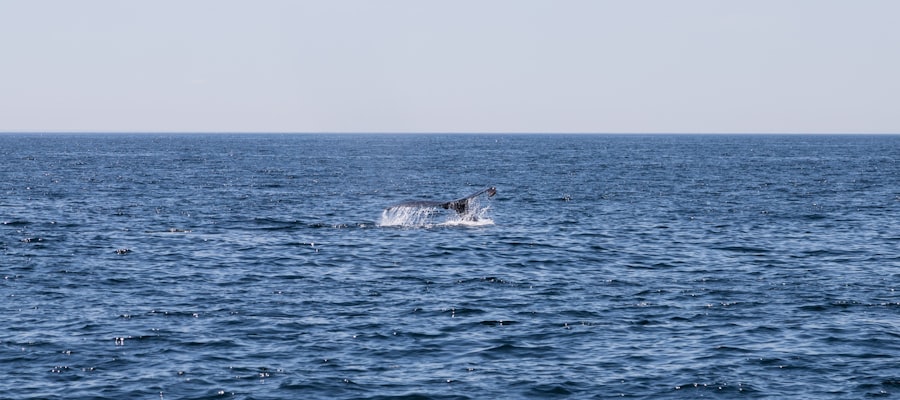
When the chill of winter sets in across much of the Northern Hemisphere, Mexico’s Baja California Peninsula transforms into a warm, inviting sanctuary for migrating whales. The calm, warm waters of the Pacific Ocean and the Sea of Cortez become a crucial breeding and calving ground for several species, offering some of the most intimate and accessible whale encounters on the planet.
The Magic of the Gray Whale Migration
Baja California is particularly famous for the annual migration of the Pacific gray whale. These incredible mammals undertake one of the longest migrations of any mammal, traveling thousands of miles from their feeding grounds in the Arctic to the sheltered lagoons of Baja California to breed and give birth.
Sanctuaries of the Newborns
The lagoons of Ojo de Liebre (Scammon’s Lagoon) and Bahía Magdalena are the primary breeding grounds for the gray whales. Here, the mothers nurse their calves and teach them the skills they’ll need for their return journey. The mothers are known for their gentle nature and often bring their calves very close to the pangas (small motorboats) to allow for unprecedented viewing opportunities.
Beyond the Gray Whale: A Diverse Array
While gray whales are the stars of the show, Baja California also attracts other magnificent cetaceans.
- Blue Whales: The Sea of Cortez, particularly around Loreto, is becoming an increasingly important site for blue whale sightings. These are the largest animals on Earth, and witnessing their sheer size is a humbling experience.
- Humpback Whales: You’ll also find humpback whales in these waters, often engaged in courtship displays and playful behaviors.
- Fin Whales, Sperm Whales, and Dolphins: Depending on the specific location and time of year, you might also encounter fin whales, sperm whales, and various species of dolphins.
Unforgettable Encounters: The “Friendly Whales”
The nickname “friendly whales” is affectionately given to the gray whales in these lagoons due to their remarkable lack of fear towards humans. They often approach the boats, sometimes nudging the vessels and allowing people to reach out and touch their enormous bodies. This level of interaction is incredibly rare and profoundly moving.
Best Times and Locations for Your Baja Adventure
- For Gray Whales: The season typically runs from late December to April. The peak calving and nursing period, when the whales are most likely to interact with boats, is generally from January to March. Ojo de Liebre and Bahía Magdalena are prime locations for these encounters.
- For Blue Whales: The Sea of Cortez, particularly around Loreto National Marine Park, is best visited from January to March for the highest chances of seeing blue whales.
H2: The Majestic Migration of the Azores, Portugal
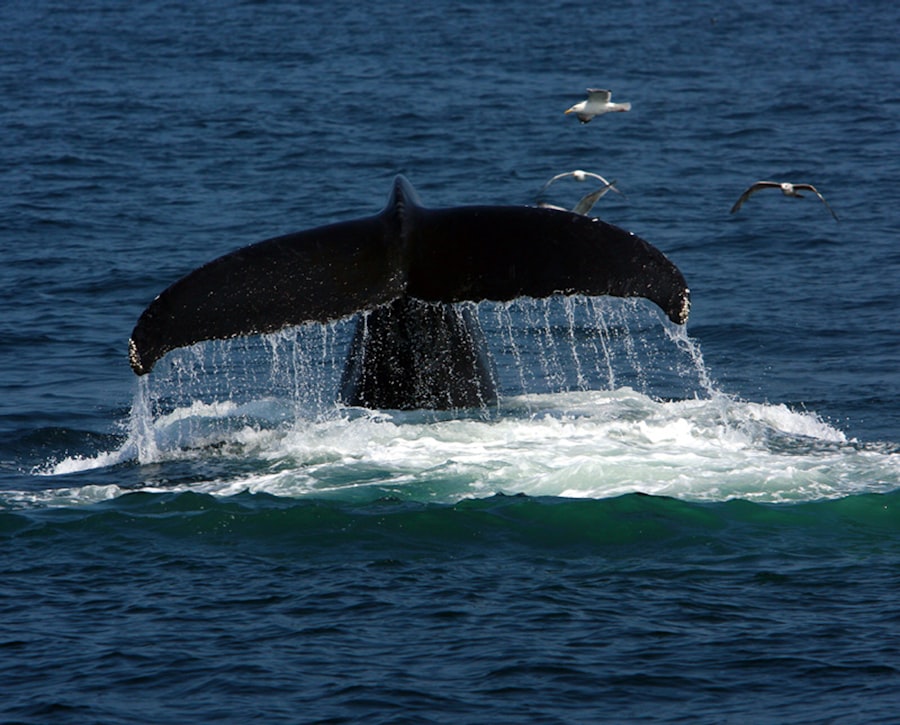
Nestled in the mid-Atlantic Ocean, the Azores archipelago offers a unique and privileged position for observing both resident and migrating whale and dolphin species. These volcanic islands rise from the ocean depths, creating incredible underwater topography that attracts a wealth of marine life. If you’re seeking a truly diverse and breathtaking whale watching experience in Europe, the Azores are an absolute must.
A Natural Crossroads for Cetaceans
The Azores’ strategic location in the Atlantic makes them a vital corridor for countless migratory species. The deep ocean trenches surrounding the islands provide a rich feeding ground, drawing in a remarkable variety of whales and dolphins throughout the year.
A Spectacle of Diversity
The Azores boast an astonishing diversity of cetaceans. You could encounter numerous species on a single trip, making it a paradise for any marine enthusiast.
- Sperm Whales: These toothed whales are resident in the Azores and are a highly reliable sighting. You’ll often see them dive for extended periods, searching for squid in the deep.
- Fin Whales: As the second-largest whale species on Earth, spotting a fin whale is always a monumental occasion. They are frequently seen in the Azores, especially during their migratory periods.
- Blue Whales: While rarer than fin whales, sightings of the magnificent blue whale, the largest animal to have ever lived, do occur, particularly in the spring.
- Common Dolphins and Bottlenose Dolphins: These playful cetaceans are very common visitors and often ride the bow waves of boats, providing exhilarating close-up views.
- Striped Dolphins, Risso’s Dolphins, and Pilot Whales: The diversity extends to numerous other dolphin species and pilot whales, all contributing to the rich marine ecosystem.
Experiencing the Azorean Whale Route
- Pico Island: This island is often considered the heart of whale watching in the Azores, with strong populations of sperm whales in the waters between Pico, Faial, and São Jorge.
- São Miguel Island: The largest island also offers excellent whale watching opportunities, with dedicated centers and tours departing from various coastal towns.
- Faial Island: Known for its volcanic landscapes and charming marina, Faial is another fantastic base for exploring the Azorean whale routes.
Best Time of Year for Azorean Encounters
The Azores offer whale watching opportunities year-round, but certain periods are better for specific species:
- Spring (March to June): This is peak season for migratory whales, including blue whales and fin whales, as they journey through the waters.
- Summer (July to October): This period is excellent for spotting resident sperm whales and a wide variety of dolphin species. The weather is also generally more stable.
- Autumn (November to February): While cooler, this season can still offer encounters with sperm whales and other resident species, along with the chance to witness rougher, more dramatic seascapes.
H2: The Untamed Wilderness of Southeast Alaska, USA
For a truly epic and wild whale watching adventure, you need to set your sights on the dramatic coastline of Southeast Alaska. This region, characterized by its towering fjords, lush temperate rainforests, and abundant marine life, is a feeding paradise for some of the ocean’s most iconic giants.
A Symphony of Feeding Whales
Southeast Alaska, particularly the waters around Juneau, Gustavus (near Glacier Bay National Park), and Ketchikan, is a renowned feeding ground for humpback whales. The nutrient-rich waters here, warmed by summer currents, attract large numbers of these magnificent creatures who come to gorge on the abundant herring and krill.
Witnessing the Art of Feeding
What makes Alaska’s whale watching so special is the opportunity to witness complex feeding behaviors.
- Bubble-Net Feeding: Humpback whales here often exhibit a sophisticated feeding technique known as bubble-net feeding. They work cooperatively, with some whales blowing bubbles to corral fish into a tight ball, while others then surge through the center with open mouths to scoop up their meal. Seeing this orchestrated behavior is truly astounding.
- Breaching and Tail Slapping: The sheer abundance of food in these waters often leads to incredibly active whales. You’re likely to witness spectacular breaches, where whales leap entirely out of the water, and powerful tail slaps, which can be for communication or dominance displays.
More Than Just Humpbacks
While humpbacks are the headline act, Southeast Alaska is also home to other fascinating marine mammals.
- Orcas (Killer Whales): You have a good chance of spotting pods of orcas, particularly in the areas where they hunt for seals, sea lions, and even other whales.
- Minke Whales: These smaller whales are also common sightings in Alaskan waters.
- Dolphins and Porpoises: Various species of dolphins and porpoises can be seen, often playing in the wake of boats.
- Sea Lions and Seals: These marine mammals are also abundant and can often be seen basking on rocky outcrops or swimming in the waters.
Planning Your Alaskan Expedition
- Juneau: As Alaska’s capital, Juneau is a popular departure point for whale watching tours, offering a wide range of options from small zodiacs to larger cruise ships.
- Glacier Bay National Park (Gustavus): Accessible primarily by boat or small plane, Glacier Bay is a UNESCO World Heritage Site and a prime location for whale watching amidst stunning glacial landscapes. Tours here are often integrated with park visits.
- Ketchikan: The southernmost of Alaska’s panhandle cities, Ketchikan also provides excellent opportunities for whale watching, often combined with opportunities to explore its rich Native American culture.
The Best Time to Visit for Maximum Sightings
The prime whale watching season in Southeast Alaska runs from May through September. During these months, the weather is generally more favorable, and the whales are actively feeding in the area. June, July, and August are often considered the peak months for the highest concentrations of humpback whales and the most active feeding behaviors.
Embarking on a whale watching journey is more than just a vacation; it’s an immersion into the raw beauty and power of the natural world. Each of these destinations offers a unique window into the lives of these magnificent creatures, promising encounters that will stay with you long after you’ve returned to shore. So, pack your sense of wonder, prepare for breathtaking sights, and get ready to be humbled by the giants of the deep.