Skellig Michael
You stand on the edge of the known world, the wild Atlantic wind whipping around you, carrying the scent of salt and history. Before you, a jagged, formidable silhouette rises from the tumultuous waves – Skellig Michael. This wasn’t merely an island; it was a sanctuary, a spiritual outpost, and a testament to human endurance and faith. You’re about to embark on a journey, not just to a remote rock, but back in time, to a place where monks carved out a life of devotion under the watchful eye of a relentless ocean.
As your boat approaches the craggy shores of Skellig Michael, you can’t help but feel a profound sense of awe. The island, a UNESCO World Heritage site, is not just a natural wonder but an architectural marvel, a testament to the ingenuity and unwavering faith of the early Christian monks who called this desolate outpost home. You’ll soon discover that every stone here tells a story, every step on the ancient path is a step back into a forgotten world.
The Beehive Huts: A Sanctuary Against the Storm
Your eyes are immediately drawn to the iconic beehive huts, or clocháns, clinging precariously to the cliff face. These dry-stone constructions, built without mortar, are a marvel of engineering. Imagine the dedication required to quarry, transport, and meticulously place each stone, forming structures that have withstood over a millennium of Atlantic storms. You’ll marvel at their corbelled construction, where each successive layer of stones projects slightly inward, creating a domed roof that is remarkably waterproof and wind-resistant. Standing inside one, you’ll feel an immediate sense of protection, a quiet solitude that must have been a profound comfort to the monks during long, dark winters. The acoustics are surprisingly good, demonstrating the monks’ practical understanding of their environment. You’ll find yourself whispering, almost instinctively, in deference to the spiritual resonance of the space.
Oratories and Their Sacred Purpose
Beyond the residential huts, you’ll discover the remains of two oratories. These, like the beehive huts, are built of dry stone, but their rectangular shape and slightly larger size distinguish them as places of worship. You can almost picture the monks gathered within, reciting psalms, their voices blending with the roar of the ocean. The larger, North Oratory, is particularly striking. Its modest dimensions belie its profound significance. Here, the monks would have conducted daily services, finding spiritual communion in the isolation. Imagine the dawn breaking over the vast expanse of the ocean, sunlight filtering through the small opening of the oratory, illuminating the rough-hewn interior. This intimate connection with nature and divinity was integral to their monastic life.
The Church of St. Michael: A Later Addition
While the beehive huts and oratories speak to the earliest monastic settlement, you’ll also encounter the remains of the Church of St. Michael, believed to be a later addition, perhaps from the 10th or 11th century. This structure, though largely ruined, provides further evidence of the enduring monastic presence on the island. Its more conventional architectural style, compared to the primitive beehive huts, hints at a gradual evolution of the monastic community and its growing resources. Standing amidst its crumbling walls, you can visualize the community continuing its sacred practices, their faith unshaken by the passage of centuries. The stones here, though weathered, still exude a sense of purpose and dedication.
The Monk’s Life: Austerity and Devotion
Stepping onto Skellig Michael is to step into the disciplined, austere world of a 6th to 12th-century monastic community. Their life here was not one of comfort or luxury; it was a daily struggle for survival, a constant exercise in faith and penance, all aimed at achieving a closer relationship with God. You’ll be struck by the sheer resilience required to not only survive but thrive in such a challenging environment.
Daily Rituals and Spiritual Practices
You’ll soon realize that every aspect of the monks’ lives was interwoven with their spiritual practices. Their day would have begun before dawn, with prayers and meditation in the oratories. The rhythm of their lives was dictated by the Benedictine rule, emphasizing prayer, work, and study. Imagine them moving silently through the settlement, their simple clothing offering little protection against the elements, their minds focused on spiritual contemplation. You’ll see evidence of their daily routines in the scattered ruins – the remains of a water cistern, a grave slab, all whispering stories of their existence. Their connection to the natural world was profound, seeing divine presence in the crashing waves, the wheeling seabirds, and the stark beauty of their surroundings.
Sustenance: A Battle Against Nature
Survival on Skellig Michael was a constant battle. The monks relied on a combination of ingenuity and the island’s meager resources. You’ll ponder how they sustained themselves. Their diet would have been simple: fish caught from the turbulent waters, seabird eggs gathered from precarious nests, and perhaps a small plot of cultivated vegetables on the limited fertile land. You can imagine them fishing from the rocky ledges, or carefully collecting guillemot and puffin eggs, a perilous task that highlights their unwavering determination. Water was collected in cisterns and stored for drinking, a precious commodity on this exposed rock. Their self-sufficiency was remarkable, a testament to their resourcefulness and ability to adapt to extreme conditions.
Isolation and Solitude: The Path to Enlightenment
The very isolation of Skellig Michael was central to the monks’ spiritual quest. Here, far from the distractions of the mainland, they sought a life of profound solitude. You’ll feel that solitude deeply as you navigate the narrow paths. The vastness of the ocean, the silence broken only by the wind and the cries of seabirds, fostered an environment conducive to deep contemplation and spiritual introspection. This wasn’t merely a remote outpost; it was a spiritual wilderness, a place where they could truly confront themselves and their faith. Their voluntary exile was a form of self-sacrifice, believing that through such hardship, they could draw closer to God.
The Journey to Skellig Michael: A Pilgrim’s Path
Your own journey to Skellig Michael is an integral part of the experience, mirroring in some small way the arduous pilgrimages of centuries past. It’s a journey that demands respect for the elements and a sense of adventure.
The Boat Trip: A Test of the Elements
The boat trip to Skellig Michael is an adventure in itself. You’ll feel the power of the Atlantic as your vessel cuts through the waves. The journey can be rough, and you’ll quickly understand why landings are weather-dependent. As you approach the island, its formidable silhouette grows, revealing a dramatic landscape of sheer cliffs and roaring surf. The anticipation builds with every wave you crest, knowing that you’re about to set foot on a truly extraordinary place. You’ll be grateful for a calm day, yet even on a smooth crossing, the majesty of the surroundings is undeniable.
The Steps: A Path of Devotion
Once you land, the true ascent begins. You’ll face 600 ancient, uneven stone steps, carved into the rock face by the monks themselves. These steps are a direct link to the past, a physical manifestation of their daily toil and spiritual journey. As you climb, you’ll feel the history beneath your feet, picturing the monks ascending and descending these very steps, perhaps carrying supplies or heading to their daily tasks. The climb is physically demanding, but every step is rewarded with increasingly breathtaking views. You’ll stop often, not just to catch your breath, but to simply absorb the panoramic vista of the ocean stretching endlessly towards the horizon. The steps are a powerful reminder of the physical demands of monastic life on Skellig.
Weather and Access: The Island’s Demands
You’ll quickly learn that Skellig Michael dictates its own terms. Access is strictly controlled, and boats only sail when conditions allow. The weather here is notoriously unpredictable, and what starts as a calm morning can quickly turn into a fiercely windy afternoon. Be prepared for all eventualities, and respect the decision of the boat skippers – their priority is your safety. This unpredictability adds to the allure and mystique of the island, reminding you that you are a visitor in a truly wild and untamed place. You’ll understand why the monks had to be so self-sufficient – they were at the mercy of the elements.
Skellig Michael Today: Preservation and Wonder
Today, Skellig Michael stands as a beacon of natural and cultural heritage, a place where the past is meticulously preserved for future generations. Your visit plays a crucial role in supporting these efforts.
UNESCO World Heritage Site: A Global Treasure
In recognition of its outstanding universal value, Skellig Michael was designated a UNESCO World Heritage Site in 1996. This status highlights its significance not only as an archaeological site but also as a unique example of early Christian monasticism in a remote, challenging environment. You’ll feel the privilege of visiting a site of such global importance, a testament to humanity’s ability to create enduring wonders even in the most inhospitable locations. The preservation efforts you witness are a direct result of this recognition, ensuring the integrity of the site.
Conservation Efforts: Protecting a Fragile Ecosystem
The Office of Public Works (OPW) meticulously manages Skellig Michael, balancing visitor access with the imperative to protect its fragile archaeological remains and its unique ecology. You’ll see evidence of their careful work as you navigate the site, from the maintained pathways to the ongoing studies of the island’s seabird colonies. Every precaution is taken to minimize human impact, ensuring that this pristine environment remains undisturbed for centuries to come. You are asked to tread lightly, to leave no trace, and to respect the delicate balance of this extraordinary place.
Seabird Sanctuary: A Haven for Wildlife
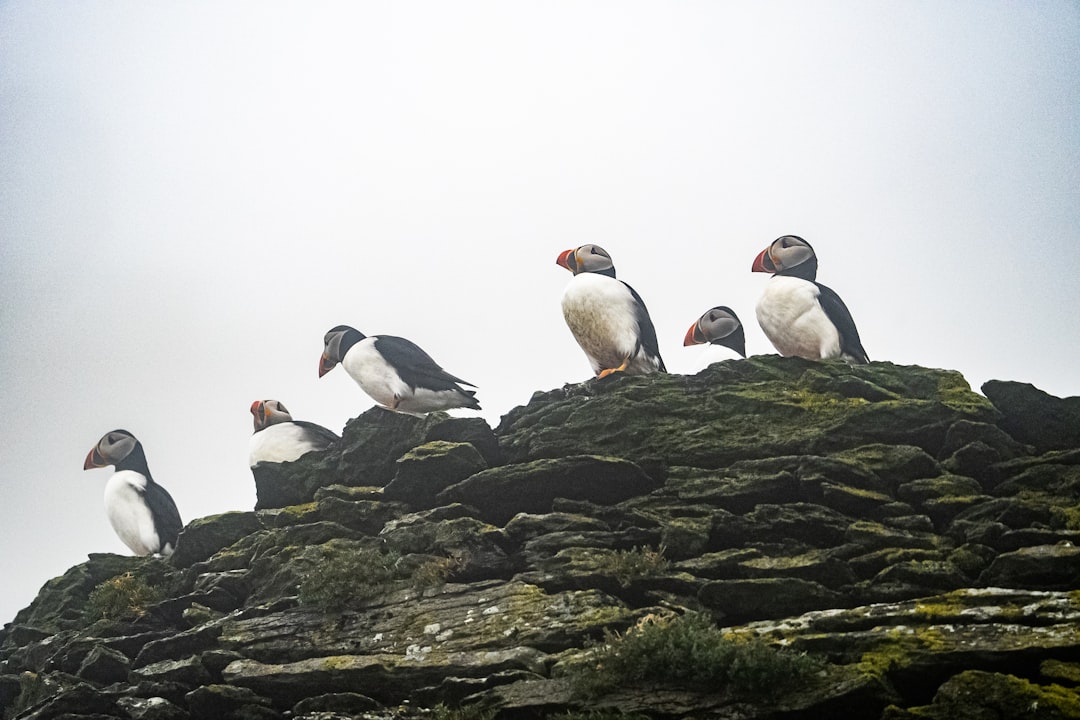
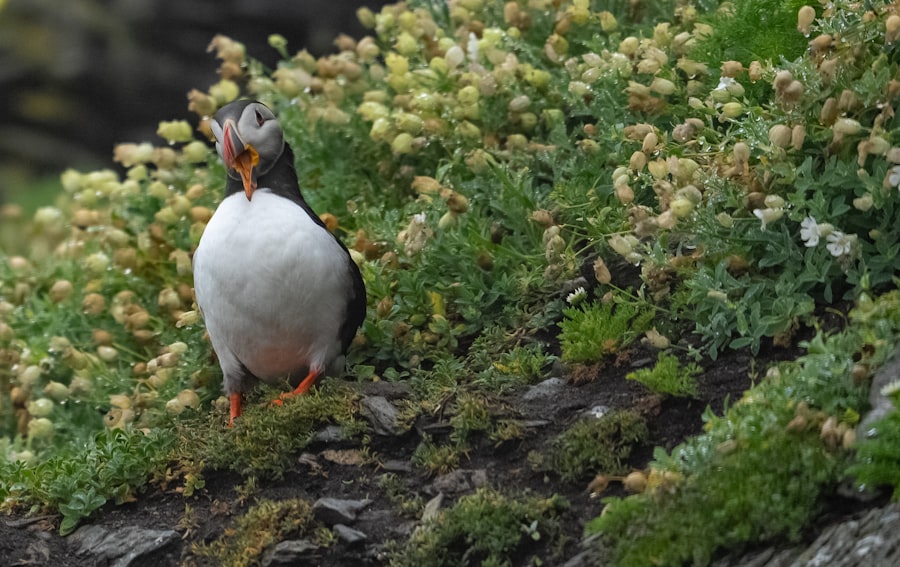
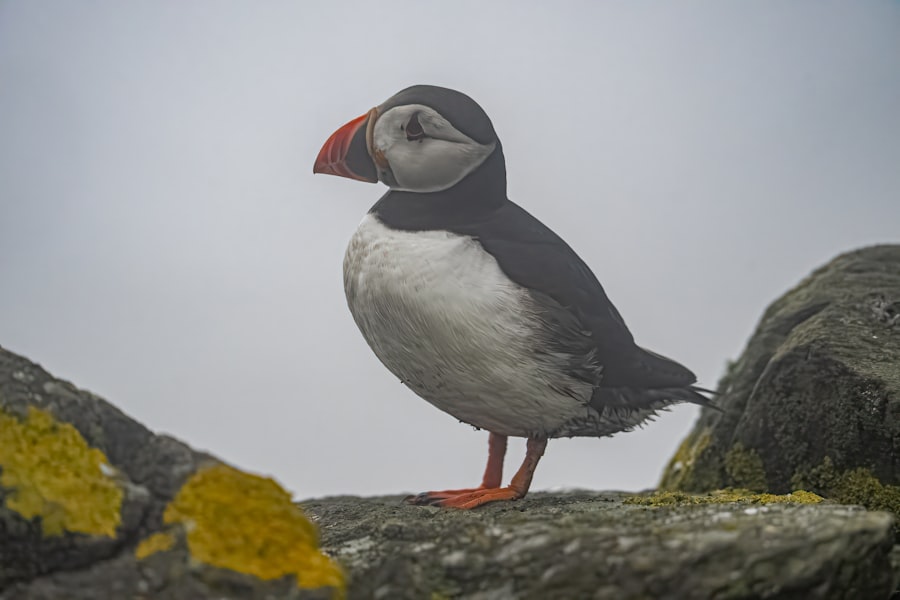
Beyond its human history, Skellig Michael is a globally important seabird colony. You’ll be sharing the island with thousands of puffins, gannets, guillemots, and fulmars. Their calls echo across the cliffs, their graceful flight patterns a constant spectacle. During nesting season, the paths are lined with comical puffins, their brightly colored beaks adding a splash of vibrant color to the stark landscape. You’ll find yourself mesmerized by their antics, a reminder that this island is a living, breathing ecosystem, not just a historical monument. Respect their space, and observe them from a distance, understanding that you are a guest in their home.
The Legacy of Skellig Michael: Endurance and Inspiration
As you prepare to leave Skellig Michael, looking back at its receding silhouette against the vast ocean, you’ll carry with you more than just photographs. You’ll carry a profound sense of awe, respect, and inspiration.
A Symbol of Human Resilience
Skellig Michael stands as an enduring symbol of human resilience, faith, and the capacity for extraordinary achievement in the face of immense challenges. The monks’ ability to not only survive but also to create a thriving spiritual community on this windswept rock is a powerful testament to the human spirit. You’ll find yourself reflecting on your own challenges, drawing strength from the monks’ unwavering dedication. Their story is a reminder that with enough faith and determination, incredible things are possible. The very existence of this monastery, built by hand, stone by stone, is a testament to the power of human will.
Spiritual Resonance: A Place of Reflection
Even for those without a religious inclination, Skellig Michael holds a deep spiritual resonance. The sheer majesty of the landscape, the profound solitude, and the tangible sense of history create an environment conducive to reflection and introspection. You’ll likely find yourself contemplating big questions, perhaps about humanity’s place in the world, the power of nature, or the endurance of belief. It’s a place that strips away the superficial, connecting you to something ancient and fundamental. You might feel a renewed sense of purpose, inspired by the quiet dedication of those who once lived here.
The “Star Wars” Connection: A New Chapter
In recent years, Skellig Michael has captured the imaginations of a new generation through its prominent role as Ahch-To, Luke Skywalker’s secluded hideout in the Star Wars franchise (The Force Awakens and The Last Jedi). This cinematic exposure has brought unprecedented global attention to the island, introducing its wonders to millions who might otherwise never have known of its existence. While the film industry’s presence raised complex questions about conservation and access, it has undeniably cemented Skellig Michael’s place in popular culture, creating a new, modern chapter in its long and storied history. You might even find yourself looking for a Jedi Master among the puffins! This new legacy ensures that the island will continue to inspire wonder for generations to come.
As your boat pulls away from Skellig Michael, leaving its craggy peaks to merge with the horizon, you’re left with an indelible impression. You’ve walked in the footsteps of saints and heroes, shared space with ancient stones and wild seabirds, and witnessed a place where faith and fortitude carved a lasting legacy from the very rock of the earth. Skellig Michael is not just a destination; it’s an experience that will stay with you, a whisper from the past carried on the wild Atlantic wind. You’ll leave feeling enriched, humbled, and deeply connected to a history that transcends time.