
Waiting for that call ?
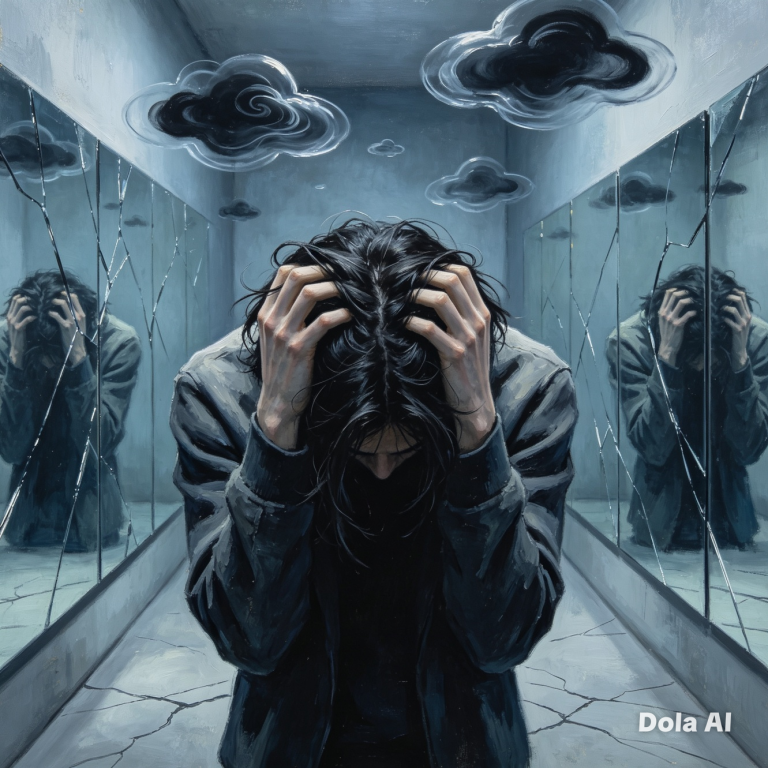
When one person is always waiting for their partner to call, it usually creates an uneven emotional dynamic that slowly shifts from connection into anxiety, uncertainty, and imbalance.
At first it can feel subtle—just checking your phone more often, noticing the gaps, hoping they’ll reach out. But over time, it often starts to shape how secure you feel in the relationship.
1. It creates emotional imbalance
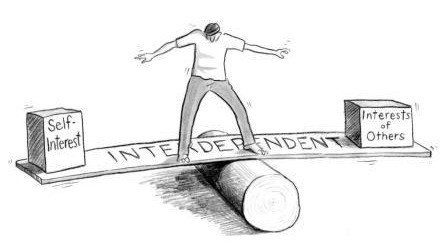
A healthy relationship has a fairly even rhythm of effort. When one person is always initiating contact and the other is mostly passive, the relationship stops feeling mutual.
The person waiting often starts to feel:
- Less valued or considered
- Uncertain about where they stand
- Like they are more invested than the other person
Even if the partner doesn’t intend it, inconsistency can feel like disinterest.
2. It increases anxiety and overthinking
Waiting for calls or messages can create a cycle of anticipation and doubt.
Common thoughts include:
- “Why haven’t they called?”
- “Did I do something wrong?”
- “Are they losing interest?”
This mental loop can lead to emotional exhaustion, where the relationship starts to feel more stressful than supportive.
3. It shifts the focus away from connection and onto reassurance
Instead of enjoying the relationship, attention becomes centred on:
- When they will contact you
- How often they are reaching out
- What their communication “means”
This can quietly replace connection with constant emotional monitoring.
4. It can reduce self-worth over time
If someone consistently has to wait for attention, they may start internalising the dynamic as:
- “I must not be a priority”
- “I have to wait to be chosen”
Even if this isn’t true, repeated patterns can slowly affect confidence and emotional security.
5. It often signals a mismatch in effort or availability
Sometimes the issue isn’t emotional games—it’s simply different levels of:
- Emotional availability
- Communication style
- Interest or investment
- Life priorities and time constraints
The key question becomes less “why aren’t they calling?” and more “is this level of effort meeting my needs?”
6. What a healthier pattern looks like
In a balanced relationship:
- Contact is more consistent and mutual
- Neither person feels like they are “waiting”
- Effort is shared rather than one-sided
- Communication feels natural, not tracked or analysed
You don’t feel like you’re waiting for access to someone—you feel like you’re already in connection with them.
Final thought
When someone is always waiting for their partner to call, the real issue usually isn’t just communication—it’s emotional security and balance.
Healthy relationships don’t revolve around waiting to be chosen. They revolve around two people who both make space for each other consistently, so neither person is left wondering where they stand.