
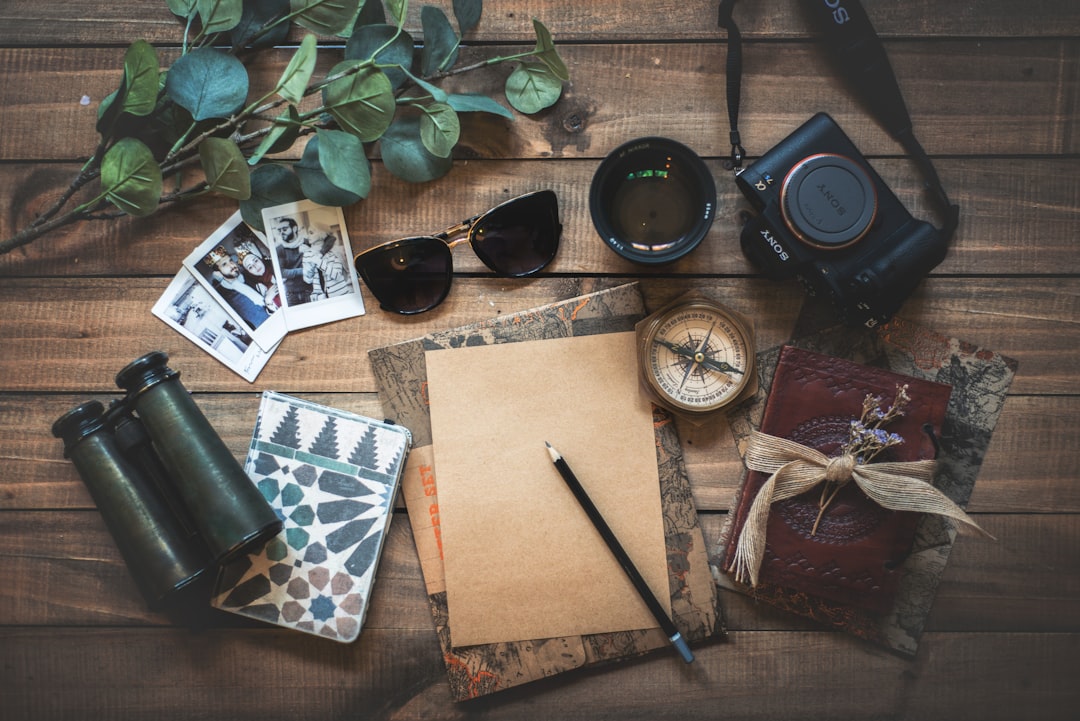
Packing smarter: The essential travel checklist
You’ve booked your flights, confirmed your accommodations, and even planned some exciting excursions. Now comes the moment of truth: packing. For many, this is a daunting task, a bewildering array of choices that often leads to an overstuffed, chaotic suitcase. But what if you could pack smarter, not harder? What if you could arrive at your destination with everything you need, and nothing you don’t, leaving you free to explore and enjoy your adventure without the burden of unnecessary luggage? This guide is designed to help you do just that. You’ll discover how to streamline your packing process, optimize your luggage, and ultimately, travel with greater ease and efficiency.
Before you even think about opening your suitcase, you need to conduct a thorough pre-packing audit. This isn’t just about making a list; it’s about making conscious decisions about every item you consider bringing. You’ll be surprised how much you can eliminate with a little foresight.
Understanding Your Destination and Activities
The first step in your audit is to deeply understand where you’re going and what you’ll be doing.
- Climate and Weather: Are you heading to a tropical paradise or a snowy wonderland? Will it be consistently hot, or are there going to be significant temperature fluctuations? Check the average temperatures for your travel dates, but also look at historical records for unexpected shifts. A quick search for “average weather [destination] [month]” will give you a good starting point. Don’t forget about potential rain – a lightweight, packable rain jacket can be a lifesaver.
- Culture and Dress Code: Is your destination conservative, requiring modest attire, or is it more relaxed? Research local customs regarding clothing. Visiting religious sites often means covering shoulders and knees, even in otherwise warm climates. You don’t want to inadvertently cause offense or be denied entry to a historical landmark because you’re improperly dressed.
- Planned Activities: Will you be hiking, swimming, attending formal dinners, or mostly lounging by the pool? Each activity dictates specific clothing and gear. Hiking boots are essential for trails, but cumbersome if you’re only city sightseeing. Consider multi-purpose items that can transition from one activity to another, like quick-drying athletic wear that can double as casual daywear.
The Power of the “Maybe” Pile and the “Definitely Not” Box
As you start to gather potential items, categorize them ruthlessly.
- The “Definitely Yes” Pile: These are your absolute essentials: passport, wallet, medications, and the foundational pieces of your minimalist wardrobe.
- The “Maybe” Pile: This is where most of your packing dilemmas will reside. These are items you think you might need but aren’t entirely sure. This pile requires critical examination. For each item, ask yourself: “When was the last time I actually needed this on a trip?” and “Is there a smaller, lighter, or multi-functional alternative?”
- The “Definitely Not” Box: This is for the “just in case” items that rarely see the light of day. Four pairs of shoes for a weekend trip? A heavy hardback book when you have an e-reader? Be honest with yourself. This box is your decluttering champion.
Digitalize and Downsize Documents
Modern travel allows you to carry most of your essential documents digitally.
- Scans and Cloud Storage: Scan your passport, visa, driver’s license, insurance cards, and any important reservations. Save them to a cloud service (like Google Drive or Dropbox) and/or email them to yourself and a trusted emergency contact. This provides a backup in case physical documents are lost or stolen.
- Travel Apps: Utilize airline apps for boarding passes, hotel apps for check-in, and transportation apps for local navigation. This reduces the need for paper printouts, which can easily get lost or damaged.
- Minimal Physical Copies: While digital is great, it’s wise to carry one physical copy of your passport (separate from the actual passport), your travel insurance details, and possibly your accommodation booking. These can be invaluable if your phone battery dies or you lose your device.
If you’re looking to enhance your travel experience even further, be sure to check out the article on travel blogging tips at Footsteps and Food. This resource offers valuable insights for aspiring travel bloggers, helping you capture your adventures more effectively while also providing practical advice on how to engage with your audience. Combining this knowledge with the essential travel checklist from “Packing Smarter” can ensure that you’re not only well-prepared for your trips but also able to document them beautifully.
The Modular Wardrobe: Packing Less, Wearing More
The key to smart clothing packing is building a modular wardrobe, where every item can be mixed and matched with several others. Think capsule wardrobe for travel.
Choosing Versatile Base Layers
Your base layers are the foundation of your travel wardrobe.
- Neutral Colors: Stick to neutral colors like black, white, gray, navy, and beige for your main pieces (pants, skirts, basic tops). These colors are easy to combine and hide minor stains better than bright colors.
- Multi-Functional Fabrics: Prioritize fabrics that are lightweight, quick-drying, wrinkle-resistant, and comfortable. Merino wool is excellent for temperature regulation and odor resistance, making it ideal for layering and re-wearing. Synthetic blends are also good options. Avoid heavy cotton for activewear, as it dries slowly and can feel clammy.
- Mix-and-Match Potential: Ensure that each top can be worn with at least two or three bottoms, and vice-versa. A pair of versatile pants (like dark jeans or travel-friendly chinos) can be dressed up or down. A simple t-shirt can be worn on its own or layered under a sweater or jacket.
The Art of Layering
Layering is your secret weapon against unexpected weather changes and for expanding your outfit options without adding bulk.
- Three Zones: Think of your layers in three zones:
- Base Layer: Moisture-wicking shirt (e.g., merino wool or synthetic).
- Mid-Layer: Insulating layer for warmth (e.g., fleece, light sweater, or down vest).
- Outer Layer: Protection from wind and rain (e.g., packable waterproof jacket).
- Temperature Adaptability: By adjusting layers, you can go from cool morning to warm afternoon and back to cool evening without needing entirely different outfits. This significantly reduces the total number of garments you need.
Smart Footwear Choices
Shoes are notorious for taking up valuable suitcase space. Be strategic.
- Comfort is King: You will be doing a lot of walking. Prioritize comfort above all else. Break in any new shoes before your trip to avoid blisters.
- Limit to Three Pairs (Maximum):
- Your Main Walking Shoe: A comfortable, supportive, and versatile shoe that can handle most of your planned activities (e.g., stylish sneakers, comfortable walking sandals, or sturdy boots).
- Dressier Option: If needed, one pair that can elevate an outfit for a nice dinner or evening event (e.g., loafers, minimalist flats, or dressier sandals). Choose something that can also be worn casually if possible.
- Activity-Specific Shoe: Only if absolutely necessary (e.g., hiking boots for serious trails, flip-flops for the beach/shower). Consider footwear that can serve multiple purposes. Water shoes can be used for the beach and as shower shoes, for example.
- Wear the Bulkiest Pair: Always wear your bulkiest shoes (like hiking boots or heavier sneakers) on the plane to save space in your luggage.
The Packing Cubes Revolution: Maximizing Space and Organization

Once you’ve decided what to pack, the next challenge is how to pack it efficiently. Packing cubes are a game-changer. They don’t magically create more space, but they organize and compress, making your suitcase far more manageable.
The Benefits of Packing Cubes
You might wonder if packing cubes are just another gimmick, but you’ll quickly discover their practical advantages.
- Compression: While not vacuum-sealed, well-packed cubes can compress your clothes, allowing you to fit more into a smaller space.
- Organization: Group similar items together (all shirts in one cube, all underwear in another). This eliminates rummaging through your entire suitcase to find one item.
- Hygiene: Keep dirty laundry separate from clean clothes in a dedicated laundry cube or bag.
- Easy Access: Need a specific outfit? Just pull out the relevant cube, rather than unpacking everything. This is especially useful for multi-stop trips.
- Unpacking at Destination: Instead of emptying your entire suitcase, you can simply transfer cubes directly into drawers or shelves, turning your luggage into a mobile dresser.
Rolling vs. Folding: A Packing Cube Debate Settled
Both rolling and folding have their proponents, but for packing cubes, rolling often wins.
- Rolling: Tightly rolling clothes minimizes wrinkles (especially for synthetic fabrics) and allows you to see more of what’s in a cube at a glance. It also creates dense, cylindrical shapes that fit snugly into the cubic spaces.
- Folding (Flat Folds): Good for more delicate items or structured garments that might lose their shape when rolled (e.g., blazers, dress shirts, though even these can often be folded around tissue paper to prevent creasing). For simpler garments, folding can be faster, but it might not be as space-efficient within a cube.
- Combination: Often, the best approach is a combination: roll most items, and neatly fold bulkier or more delicate pieces to lay flat on top of or between rolled items.
Strategic Placement within Your Luggage
Once your items are in cubes, strategically place them in your suitcase.
- Heavy Items Near Wheels: Place heavier items (like shoes or toiletry bags) at the bottom of your suitcase, near the wheels, to maintain balance and prevent creasing lighter clothing.
- Fill Gaps: Use smaller items (socks, underwear, belts) to fill any remaining gaps around your packing cubes. This prevents items from shifting around during transit.
- Essentials on Top (or in a Personal Item): Keep items you’ll need immediately upon arrival (e.g., pajamas, next-day outfit, basic toiletries) in an easily accessible cube or your personal bag.
The Personal Item & Carry-On Strategy: Your Travel Lifeline

Your personal item and carry-on are more than just extra bags; they are an extension of your primary luggage and your lifeline in case your checked bag is delayed or lost. Thoughtful packing here is crucial.
What to Pack in Your Personal Item
This is the bag that will be at your feet or under the seat in front of you. Choose a backpack, large tote, or messenger bag that fits airline dimensions.
- Absolute Essentials: Passport, wallet, phone, keys, prescription medications (in original containers), and any valuable jewelry or important documents.
- In-Flight Comforts: Headphones, a travel pillow, eye mask, earplugs, a light scarf or wrap (doubles as a blanket), and a refillable water bottle (fill it after security).
- Entertainment: Book, e-reader, tablet loaded with movies or shows.
- Snacks: Avoid expensive airport food and bring your own.
- Basic Toiletries: Toothbrush, small toothpaste, essential face wipes, hand sanitizer, lip balm – anything to help you feel refreshed. Remember the 3-1-1 rule for liquids in carry-ons!
- One Change of Clothes: A fresh pair of underwear, socks, and a simple top. This is your insurance policy if your checked luggage goes astray.
Maximizing Your Carry-On Space (If You Have One)
If you’re traveling carry-on only, or if you have a separate carry-on in addition to your personal item, you need to be even more strategic.
- Rolled Clothes Dominate: Use the rolling technique extensively.
- Heavy Items Worn: Wear your bulkiest shoes and heaviest jacket on the plane.
- Toiletries in Ziploc: Ensure all liquids, aerosols, gels, creams, and pastes are 3.4 ounces (100 milliliters) or less per container and fit in one quart-sized clear plastic bag, per TSA rules.
- Strategic Outfit Choices: Plan outfits with pieces that can be easily washed and re-worn, or that dry quickly if hand-washed in a hotel sink.
- Utilize Outside Pockets: For items you need quick access to, like a travel umbrella or small guide book.
The “Just in Case” Mini-Kit
A small, dedicated kit in your personal item can save you from minor annoyances.
- First Aid Basics: Band-aids, pain relievers, antiseptic wipes, allergy medication.
- Travel-Size Toiletries: Enough for an overnight or two, in case your main bag is delayed.
- Utility Items: Small sewing kit, safety pins, hair ties, travel-size lint roller.
- Chargers and Adapters: Keep these easily accessible for your devices.
When preparing for your next adventure, it’s important to consider not only what to pack but also how to maintain your health while traveling. A related article on essential vitamins can provide valuable insights into which supplements to bring along to keep your energy levels up and your immune system strong. For more information, check out this helpful resource on vitamins that can enhance your travel experience.
Post-Packing Review: The Final Cut
You’ve done all the hard work. Now, for the final, but critical, step: the last minute review and potential purge.
The 80/20 Rule Applied to Packing
A good rule of thumb is that you often wear 20% of your clothes 80% of the time, and this applies even more to travel.
- Take Out 20%: If your bag feels full, or you’re unsure about certain items, unpack everything and eliminate 20% of what you’ve packed. You’ll rarely regret packing less; you’ll often regret packing too much.
- “What If” vs. “When”: Re-evaluate every “what if” item. “What if it rains on my beach trip?” (Pack a small umbrella). “What if I get invited to a fancy gala?” (Unless you know it’s happening, leave the ball gown at home). Focus on the “when”—when will I definitely use this?
Weigh and Measure Your Luggage
This step is non-negotiable, especially with increasingly strict airline baggage allowances.
- Invest in a Luggage Scale: A small, handheld digital luggage scale is an inexpensive investment that will save you stress and potential fees at the airport.
- Check Airline Restrictions: Before you leave home, double-check the exact weight and dimension allowances for both your carry-on and any checked luggage for ALL airlines you’ll be flying, especially if you have connecting flights with different carriers. Low-cost carriers are particularly vigilant.
- Shift Items if Needed: If you’re overweight, transfer heavier items to your personal item or wear them. Don’t assume you can sneak by.
The Final Inventory: Did You Forget Anything Crucial?
Before you zip things up for good, do one last mental run-through.
- Passport and Visa: CHECK.
- Wallet with relevant currency/cards: CHECK.
- Phone and Charger: CHECK.
- Prescription Medications: CHECK.
- Travel Insurance Information: CHECK.
- Keys (house, car): Don’t leave them locked in your suitcase!
- Booking Confirmations: Easily accessible.
- A Sense of Adventure: Most importantly, don’t forget this!
Packing smarter is not about deprivation; it’s about liberation. It’s about shedding the excess so you can embrace your journey with an unburdened spirit. By following this comprehensive checklist and adopting a strategic mindset, you’ll transform packing from a chore into an integral part of your seamless travel experience. Happy travels!