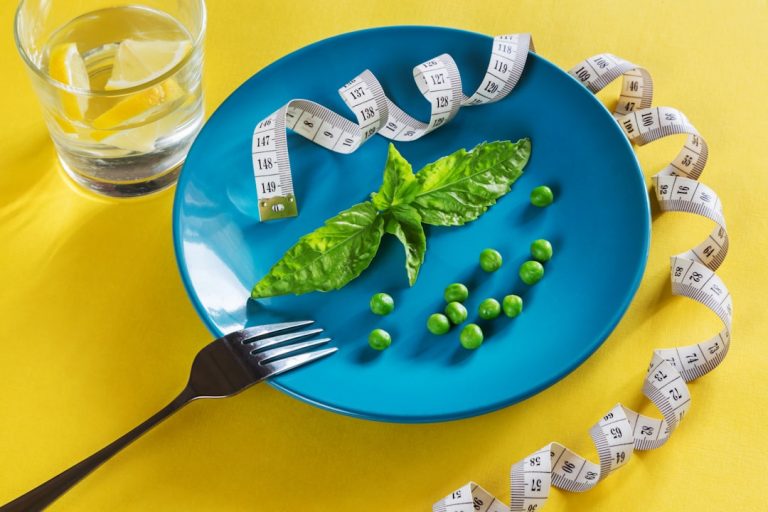

The Best Nutrition Strategies for Improving Body Composition
The journey to optimizing my body composition has been a fascinating and often challenging one. It’s a pursuit that goes far beyond simply looking good; for me, it’s about feeling strong, energetic, and healthy from the inside out. Over the years, I’ve experimented with countless diets, training protocols, and supplement regimens. Through trial and error, I’ve distilled my experiences into what I believe are the most effective nutrition strategies for improving body composition. This isn’t about quick fixes or fads; it’s about sustainable, science-backed approaches that I’ve seen deliver genuine, lasting results in my own life and in others I’ve advised.
Before diving into the “how,” I think it’s crucial to understand the “what” we’re trying to achieve. When I talk about improving body composition, I’m not just talking about losing weight. The scale offers a single, often misleading, data point. What truly matters is the ratio of lean mass (muscle, bone, organs, water) to fat mass. My goal, and what I advocate for others, is typically to increase lean mass while simultaneously decreasing fat mass, or at least maintaining lean mass during a fat loss phase.
Why Body Composition Matters Beyond Aesthetics
Beyond the mirror, I’ve learned that a favorable body composition brings a wealth of health benefits. I’ve found that having more muscle mass not only makes me stronger but also boosts my metabolism, helping me burn more calories even at rest. It improves insulin sensitivity, reducing my risk of type 2 diabetes. Furthermore, a healthier body composition supports bone density, reducing the risk of osteoporosis, and contributes to better overall mobility and quality of life as I age. For me, it’s about building a robust, resilient body that serves me well for decades to come.
Setting Realistic Goals
One of the first things I learned on my journey was the importance of setting realistic expectations. Building muscle and losing fat takes time and consistent effort. I’ve found that aiming for gradual, sustainable changes is far more effective than chasing extreme, short-term transformations. A healthy rate of fat loss is typically 0.5-1% of body weight per week, while muscle gain can be even slower, particularly for experienced lifters. Patience, I’ve realized, is a virtue in this endeavor.
For those looking to enhance their understanding of effective nutrition strategies, a related article titled “Essential Tips for Achieving Optimal Body Composition” can provide valuable insights. This resource delves deeper into practical approaches and evidence-based methods that complement the best nutrition strategies for improving body composition. To explore this informative piece, visit Essential Tips for Achieving Optimal Body Composition.
Macronutrient Mastery: Fueling My Body Smartly
The cornerstone of my nutrition strategy for body composition is a meticulous approach to macronutrients: protein, carbohydrates, and fats. I’ve found that the right balance and timing of these three are paramount for both muscle growth and fat loss.
Prioritizing Protein for Muscle Preservation and Growth
If there’s one macronutrient I consistently emphasize, it’s protein. I view protein as the building block of muscle, and its role in improving body composition cannot be overstated. When I’m in a caloric deficit, adequate protein intake is crucial for preserving muscle mass, which often gets catabolized for energy if not enough protein is consumed. When I’m aiming for muscle growth, it provides the necessary amino acids for muscle protein synthesis.
- Optimal Daily Intake: I typically aim for 1.6 to 2.2 grams of protein per kilogram of my body weight daily. This range seems to be a sweet spot for maximizing muscle protein synthesis and satiety.
- Spreading Protein Throughout the Day: Instead of consuming large amounts of protein in one or two meals, I make an effort to distribute my protein intake fairly evenly across 3-5 meals. This strategy ensures a consistent supply of amino acids, which helps to optimize muscle protein synthesis throughout the day.
- Quality Protein Sources: I prioritize lean protein sources such as chicken breast, turkey, lean beef, fish (salmon, cod, tuna), eggs, dairy (Greek yogurt, cottage cheese), and plant-based options like tofu, tempeh, and legumes.
- The Satiety Factor: Beyond muscle building, I’ve found protein to be incredibly satiating. Including protein in each meal helps me feel fuller for longer, which is invaluable when I’m managing my calorie intake.
Strategic Carbohydrate Allocation
Carbohydrates often get a bad rap, but I’ve found them to be essential for fueling my workouts and supporting recovery. My approach to carbs isn’t about elimination, but about strategic allocation and choosing the right types.
- Fueling Performance: For me, carbohydrates are my primary energy source, especially for intense training sessions. Consuming adequate carbs ensures my glycogen stores are topped up, allowing me to push harder in the gym and maintain training intensity, which is critical for muscle growth and fat loss.
- Timing is Key: I often consume the majority of my carbohydrates around my workouts – pre- and post-training. This maximizes their utility for energy during exercise and for replenishing glycogen and aiding recovery afterward.
- Complex vs. Simple Carbs: While I occasionally enjoy simple carbs, my staples are complex carbohydrates like oats, brown rice, quinoa, sweet potatoes, whole-grain bread, and plenty of fruits and vegetables. These provide sustained energy, fiber, and a host of micronutrients. I also find the fiber content helps with satiety.
- Adjusting Intake Based on Activity: I adjust my carbohydrate intake based on my activity level. On heavy training days, I consume more carbs. On rest days or lighter activity days, I reduce my carb intake slightly to align with my energy expenditure.
Healthy Fats for Hormonal Balance and Overall Health
Fats are another macronutrient that I ensure I consume adequately, albeit in moderation. I understand their crucial role in hormone production, nutrient absorption, and overall health.
- Essential for Hormones: I recognize that healthy fats are vital for the production of hormones, including testosterone, which is essential for muscle growth and recovery. Skimping on fats can negatively impact these processes.
- Satiety and Nutrient Absorption: Just like protein, fats contribute significantly to satiety, helping me manage hunger. They also aid in the absorption of fat-soluble vitamins (A, D, E, K).
- Smart Fat Choices: I prioritize unsaturated fats from sources like avocados, nuts, seeds, olive oil, and fatty fish (salmon). I also include some saturated fats from sources like eggs and lean meats, but I limit my intake of highly processed oils and trans fats.
- Calculating My Intake: I typically aim for about 20-30% of my total daily calories to come from healthy fats. This allows me to meet my essential fatty acid needs without overshooting my calorie targets.
Calorie Management: The Energy Equation

No matter how perfectly I balance my macronutrients, the fundamental principle of calorie balance dictates whether I lose body fat or gain muscle. I’ve learned to manage my calorie intake effectively, understanding that it’s a dynamic process.
The Importance of a Caloric Deficit for Fat Loss
When my primary goal is fat loss, I know I must create a caloric deficit; I must consume fewer calories than I expend. This forces my body to tap into its fat stores for energy.
- Calculating My Maintenance Calories: My first step is always to estimate my maintenance calories – the number of calories I need to consume daily to maintain my current weight. I use online calculators as a starting point and then adjust based on my activity levels and metabolic rate, tracking my weight over a few weeks to refine the estimate.
- Creating a Moderate Deficit: I typically aim for a moderate deficit of 300-500 calories below my maintenance level. A larger deficit might lead to quicker initial weight loss, but it often comes at the cost of muscle mass and can be harder to sustain, leading to metabolic adaptations that make further fat loss difficult.
- Patience and Adjustments: My body adapts, so I consistently monitor my progress. If progress stalls, I might further reduce calories slightly or increase my activity. I also incorporate diet breaks or refeed days occasionally to manage adherence and mitigate metabolic slowdown.
The Role of a Caloric Surplus for Muscle Gain
Conversely, when my goal is to build muscle, I understand that I need to be in a caloric surplus. My body needs extra energy to fuel muscle protein synthesis and tissue repair.
- A Modest Surplus: My approach to a surplus is conservative. I aim for a slight surplus of 200-300 calories above maintenance. A larger surplus often leads to excessive fat gain, which I try to avoid during a “lean bulk.”
- Fueling Growth and Recovery: These extra calories provide the energy necessary for intense training sessions and the subsequent recovery and rebuilding processes. Without enough fuel, muscle growth will be severely hampered, no matter how hard I train.
- Tracking and Adjusting: Just like with a deficit, I consistently track my weight, strength, and body composition during a surplus. If I’m gaining too much fat, I’ll slightly reduce my intake. If I’m not gaining weight or strength, I’ll slightly increase it. It’s a continuous balancing act.
Hydration and Micronutrients: Often Overlooked Essentials

While macros and calories often hog the spotlight, I’ve found that neglecting hydration and micronutrients is a recipe for stalled progress and impaired health. I pay close attention to these vital, yet sometimes overlooked, aspects of my nutrition.
The Pervasive Power of Proper Hydration
Water is absolutely fundamental to every bodily function, and I ensure I’m adequately hydrated throughout the day, especially around my workouts.
- Metabolic processes: I know that water is crucial for metabolic processes, including the breakdown of fats and carbohydrates. Dehydration can impair my body’s ability to burn fat effectively.
- Nutrient Transport and Muscle Function: Water transports nutrients to my cells and removes waste products. My muscles, which are largely composed of water, depend on proper hydration for optimal function, strength, and preventing cramps.
- Maintaining Satiety: I’ve found that sometimes, what I perceive as hunger is actually thirst. Drinking water before meals helps me feel fuller and can prevent overeating.
- My Daily Goal: I typically aim for at least 3-4 liters of water daily, increasing it on training days or in warmer weather. I keep a water bottle with me at all times as a constant reminder.
Ensuring Adequate Micronutrient Intake
Vitamins and minerals, though needed in smaller quantities, are pivotal for my overall health, energy levels, and my ability to synthesize muscle and metabolize fat.
- Supporting Metabolic Pathways: I understand that micronutrients act as cofactors in countless enzymatic reactions, including those involved in energy production, protein synthesis, and hormone regulation. A deficiency can throw these processes off balance.
- Immune Function and Recovery: A strong immune system is critical for consistent training without interruptions. Vitamins and minerals like Vitamin C, D, Zinc, and Magnesium play key roles in supporting my immune system and aiding recovery from intense workouts.
- Focus on Whole Foods: My primary strategy for micronutrient intake is to consume a wide variety of whole, unprocessed foods. I prioritize colorful fruits and vegetables, lean proteins, and healthy fats, ensuring a diverse array of vitamins and minerals.
- Strategic Supplementation (When Necessary): While I aim to get most of my micronutrients from food, I sometimes supplement with a high-quality multivitamin, Vitamin D, and Omega-3 fatty acids, especially if I suspect my dietary intake might be lacking in certain areas or if testing reveals a deficiency.
For those looking to enhance their understanding of nutrition and its impact on body composition, exploring related topics can be incredibly beneficial. One such resource is an insightful article that delves into various therapeutic approaches to nutrition, which can complement the strategies outlined in The Best Nutrition Strategies for Improving Body Composition. You can read more about these approaches in this related article, where you will find valuable information that can further support your journey towards better health and fitness.
Strategic Timing and Meal Frequency: Optimizing My Intake
While total daily intake is paramount, I’ve discovered that timing certain nutrients and considering meal frequency can offer additional advantages for body composition. This isn’t as critical as overall caloric and macronutrient intake, but it can provide an edge.
Pre- and Post-Workout Nutrition for Performance and Recovery
My nutrition around my training sessions is a carefully planned part of my day, designed to maximize my performance and accelerate my recovery.
- Pre-Workout Fuel: About 1-3 hours before my workout, I consume a meal containing complex carbohydrates and a moderate amount of protein. This provides sustained energy for my training session, preventing fatigue and ensuring I can perform at my best. I avoid excessive fats or fiber right before a workout as they can slow digestion and cause discomfort.
- Post-Workout Rebuilding: Within an hour or two after my workout, I prioritize a meal rich in protein and carbohydrates. The protein helps kickstart muscle protein synthesis, repairing muscle damage and promoting growth. The carbohydrates replenish glycogen stores, which are depleted during exercise, and aid in shuttling nutrients to my muscles. My post-workout shake or meal is crucial for optimizing my recovery window.
The Role of Meal Frequency: Personal Preference and Adherence
The debate around meal frequency has been ongoing, but I’ve settled on an approach that works best for me, balancing physiological benefits with practical adherence.
- No Magic Number: I understand that there’s no universally “optimal” number of meals per day. Whether I eat 3 large meals or 5-6 smaller meals, my daily caloric and macronutrient totals are what truly matter.
- Spreading Protein Intake: My preference is typically for 4-5 meals per day. This allows me to consistently hit my protein targets and effectively spread my protein intake throughout the day, which I believe helps to maximize muscle protein synthesis.
- Managing Hunger and Satiety: I find that more frequent, smaller meals help me manage hunger and maintain stable energy levels, preventing extreme hunger that can lead to overeating or poor food choices. It also helps me integrate my food intake smoothly around my work schedule and training.
- Flexibility is Key: While I prefer a consistent schedule, I also recognize the importance of flexibility. If a certain day requires fewer meals due to my schedule, I adjust by making those meals larger to meet my nutritional goals.
By meticulously applying these strategies, from understanding the core principles of body composition to optimizing my macronutrient intake, managing my calories, prioritizing hydration and micronutrients, and strategically timing my meals, I’ve seen profound and sustainable improvements in my own body composition. It’s a continuous learning process, but my commitment to these foundational nutritional strategies remains unwavering as I strive for a stronger, healthier me.