
Food that can help improve circulation
You know that feeling when your hands and feet get cold, or you feel a bit sluggish? It could be a sign that your circulation isn’t quite as robust as it could be. Your circulatory system is a marvel of biological engineering, responsible for delivering oxygen and nutrients to every cell in your body and whisking away waste products. When it’s working optimally, you feel energized, your skin glows, and your organs function at their best. But when it falters, even slightly, you can experience a range of uncomfortable symptoms, from fatigue and muscle cramps to more serious issues like high blood pressure and an increased risk of heart disease.
The good news is that you have a powerful tool at your disposal to support this vital system: your diet. What you put into your body directly impacts the health of your blood vessels, the thickness of your blood, and the efficiency of your heart. By making conscious choices about the foods you eat, you can significantly improve your circulation, leading to a healthier, more vibrant you. This article will guide you through the delicious world of circulation-boosting foods, helping you understand why they work and how you can easily incorporate them into your daily life.
One of the key players in healthy circulation is nitric oxide (NO). This remarkable molecule acts as a vasodilator, meaning it relaxes and widens your blood vessels, allowing blood to flow more freely. Think of it like widening a narrow pipe – the water flows through with less resistance. Several foods are excellent sources of compounds that your body can convert into nitric oxide, giving your circulation a significant boost.
Beets: The Nitric Oxide Powerhouse
When you think of circulation-boosting foods, beets should be high on your list. These vibrant root vegetables are incredibly rich in nitrates, which your body readily converts into nitric oxide.
- How they work: When you eat beets, the nitrates are absorbed into your bloodstream. Beneficial bacteria in your mouth then convert these nitrates into nitrites. These nitrites are then converted into nitric oxide in your body, particularly when oxygen levels are low (during exercise, for example). This cascade of conversions leads to vasodilation, improving blood flow.
- Benefits you’ll notice: Regular consumption of beets can lead to lower blood pressure, improved athletic performance (due to increased oxygen delivery to muscles), and better overall cardiovascular health. You might even notice warmer hands and feet!
- Easy ways to incorporate them: Roast them for a sweet side dish, grate them raw into salads, blend them into smoothies for a vibrant color and earthy flavor, or enjoy a refreshing glass of beet juice.
Leafy Greens: More Than Just Vitamins
While all leafy greens are good for you, some stand out for their nitrate content, making them excellent allies for your circulatory system.
- Why they’re great: Like beets, leafy greens such as spinach, kale, collard greens, and arugula are packed with nitrates. These dietary nitrates contribute to increased nitric oxide production, promoting healthy blood vessel function.
- Beyond nitrates: Beyond nitric oxide, leafy greens offer a wealth of other nutrients vital for circulation, including vitamin K (important for blood clotting, but also for arterial health) and antioxidants that protect blood vessels from damage.
- Delicious ways to enjoy them: Sauté them with garlic, add them to omelets, blend them into green smoothies, or use them as a base for hearty salads. Don’t be afraid to experiment!
Improving circulation is essential for overall health, and certain foods can play a significant role in this process. For those interested in exploring dietary options that can enhance blood flow, a related article can provide valuable insights. You can read more about the best foods for circulation and how they can benefit your health by visiting this link: Food and Circulation. Incorporating these foods into your diet may help promote better circulation and overall well-being.
Antioxidants and Anti-inflammatory Heroes: Protecting Your Vessels
Inflammation and oxidative stress are major enemies of healthy circulation. They can damage the delicate lining of your blood vessels (the endothelium), leading to hardening and narrowing of arteries, a condition known as atherosclerosis. Foods rich in antioxidants and anti-inflammatory compounds act as a shield, protecting your circulatory system and keeping it supple and efficient.
Berries: A Burst of Antioxidant Power
These small, flavorful fruits are nutritional superstars, especially when it comes to protecting your blood vessels.
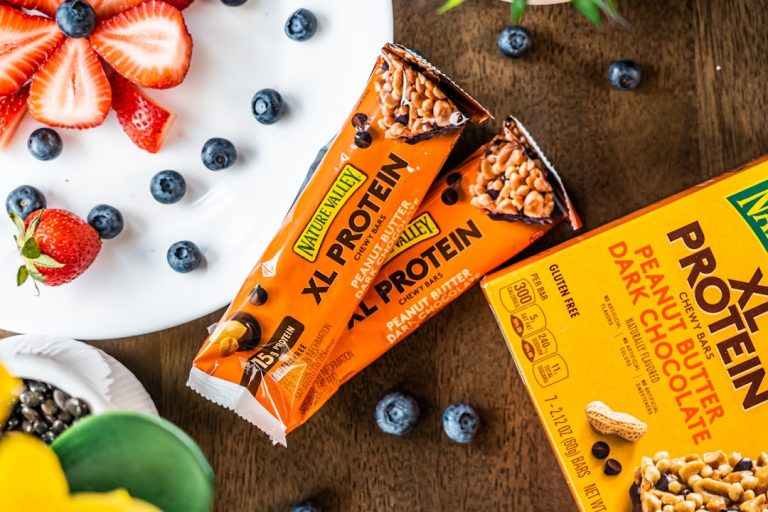
- What makes them special: Berries like blueberries, strawberries, raspberries, and cranberries are bursting with anthocyanins, powerful antioxidants that give them their vibrant colors. Anthocyanins have been shown to improve endothelial function, reduce blood pressure, and decrease inflammation.
- Their role in circulation: By fighting oxidative stress and inflammation, anthocyanins help keep your arteries flexible and clear, ensuring smooth blood flow. They also support the production of nitric oxide, further enhancing their circulatory benefits.
- How to enjoy them daily: Add them to your breakfast cereal or yogurt, blend them into smoothies, snack on them raw, or incorporate them into salads for a sweet and tangy kick. Frozen berries are just as nutritious as fresh!
Dark Chocolate: A Sweet Treat for Your Heart
Yes, you read that right! Dark chocolate, in moderation, can be a delightful addition to your circulation-boosting diet.
- The secret ingredient: The magic lies in the high concentration of flavanols in dark chocolate. These powerful antioxidants have been shown to improve endothelial function, reduce blood pressure, and increase nitric oxide levels.
- What to look for: The key is to choose dark chocolate with a high cocoa content (70% or higher). The higher the cocoa content, the more flavanols it contains and the less sugar.
- Mindful indulgence: Enjoy a small square or two of high-quality dark chocolate as a treat. Remember, moderation is key due to its calorie content.
Turmeric: The Golden Anti-inflammatory Spice
This vibrant yellow spice, often found in curries, is a potent anti-inflammatory agent with significant benefits for circulation.
- The active compound: Curcumin, the primary active compound in turmeric, is a powerful antioxidant and anti-inflammatory. It helps protect blood vessels from damage and can improve blood flow.
- How it aids circulation: Curcumin has been shown to improve endothelial function, reduce the formation of blood clots, and lower levels of “bad” LDL cholesterol, all of which contribute to better circulation.
- Ways to use it: Add turmeric to curries, soups, stews, roasted vegetables, or even blend it into a “golden milk” latte. Combining it with black pepper enhances its absorption.
Omega-3 Fatty Acids: Keeping Your Blood Flowing Smoothly

Omega-3 fatty acids are essential fats that play a crucial role in maintaining cardiovascular health. They are particularly beneficial for circulation due to their anti-inflammatory and blood-thinning properties.
Fatty Fish: The Richest Source of Omega-3s
When you think of omega-3s, fatty fish should immediately come to mind.
- Why they’re essential: Fish like salmon, mackerel, sardines, and trout are rich in EPA (eicosapentaenoic acid) and DHA (docosahexaenoic acid), two types of omega-3 fatty acids that are incredibly beneficial for your circulatory system.
- Their circulatory benefits: Omega-3s help reduce inflammation throughout your body, including in your blood vessels. They also help lower triglycerides, reduce blood pressure, and prevent blood clots, all of which contribute to smoother blood flow. They can also improve the flexibility of red blood cells, allowing them to navigate through tiny capillaries more easily.
- Recommended intake: Aim for at least two servings of fatty fish per week. Grilling, baking, or steaming are healthy cooking methods.
Seeds and Nuts: Plant-Based Omega-3s and More
If you’re not a fan of fish, or simply want to boost your omega-3 intake from plant sources, certain seeds and nuts are excellent choices.
- Flaxseeds and Chia Seeds: These tiny seeds are packed with alpha-linolenic acid (ALA), another type of omega-3 fatty acid. While your body has to convert ALA into EPA and DHA, these seeds still offer significant benefits. They are also rich in fiber, which can help lower cholesterol.
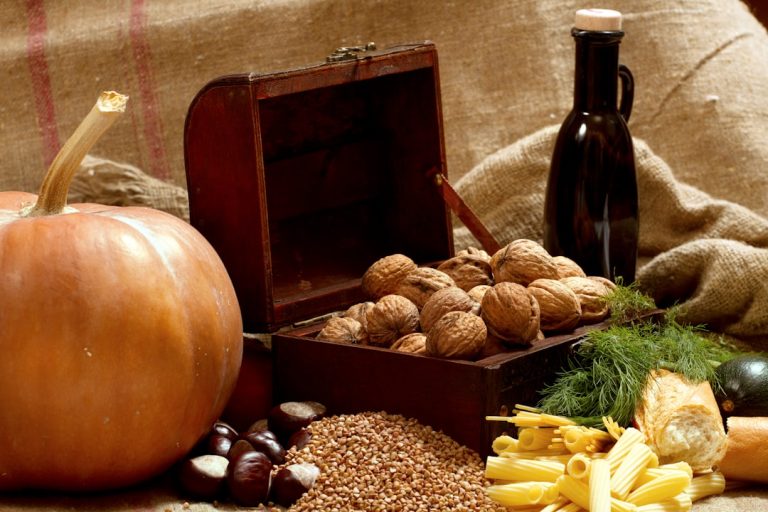
- Walnuts: These brain-shaped nuts are another good source of ALA, along with other beneficial fats and antioxidants.
- How they help: Regular consumption of these seeds and nuts can contribute to lower blood pressure, reduced inflammation, and improved arterial function, supporting overall circulation.
- Easy incorporation: Sprinkle ground flaxseeds or chia seeds over oatmeal, yogurt, or salads. Snack on a handful of walnuts, or add them to your morning smoothie.
Alliums: More Than Just Flavor

The allium family, which includes garlic and onions, adds incredible flavor to your dishes, but they also bring powerful circulatory benefits to the table. These humble ingredients have been used for centuries for their medicinal properties.
Garlic: A Natural Blood Thinner and Vessel Protector
Garlic isn’t just for keeping vampires away; it’s also excellent for keeping your blood flowing smoothly.
- The key compounds: Garlic contains sulfur-containing compounds, particularly allicin, which are responsible for many of its health benefits. Allicin is released when garlic is crushed or chopped.
- How it helps circulation: Garlic has been shown to help lower blood pressure by promoting the production of nitric oxide. It can also reduce cholesterol levels, prevent blood clots, and exhibit anti-inflammatory effects, all of which are crucial for maintaining healthy blood vessels and circulation.
- Best ways to consume: Incorporate fresh, crushed garlic into your cooking regularly. You can add it to sauces, stir-fries, soups, and marinades.
Onions: A Circulatory Powerhouse
Like garlic, onions offer a wealth of benefits for your cardiovascular system.
- Rich in quercetin: Onions are an excellent source of quercetin, a powerful flavonoid antioxidant. Quercetin has anti-inflammatory properties and can help improve blood vessel function.
- Other beneficial compounds: Onions also contain allicin-like compounds and various sulfur compounds that contribute to their circulatory benefits, including lowering blood pressure and reducing the risk of blood clots.
- Versatile in the kitchen: Enjoy onions raw in salads, caramelized as a topping, sautéed in stir-fries, or roasted alongside vegetables. All varieties – red, white, and yellow – offer benefits.
If you’re looking to enhance your circulation through dietary choices, you might find it beneficial to explore foods rich in antioxidants and omega-3 fatty acids. Incorporating ingredients like fatty fish, nuts, and leafy greens can significantly support vascular health. For more insights on how different cuisines can contribute to better circulation, check out this related article on various countries’ culinary practices that promote wellness. You can read more about it here.
Hydration and Herbs: Supporting Your Circulatory System Beyond Food
While nutrient-dense foods are paramount, two other elements play crucial, often overlooked, roles in optimal circulation: adequate hydration and certain herbal allies.
Water: The Unsung Hero of Blood Flow
You might not think of water as “food,” but it’s arguably the most vital ingredient for healthy circulation. Your blood is largely made up of water, and proper hydration is essential for its optimal flow.
- Why it’s critical: When you’re dehydrated, your blood becomes thicker and more viscous, making it harder for your heart to pump and for blood to flow efficiently through your vessels. This can lead to decreased oxygen and nutrient delivery, and impaired waste removal.
- Signs of dehydration: Fatigue, dizziness, dry mouth, and infrequent urination are all signs that you might not be drinking enough.
- How much to drink: Aim for at least 8 glasses (around 2 liters) of water per day, more if you’re active or in a hot climate. Keep a water bottle handy and sip throughout the day. Herbal teas and water-rich fruits and vegetables also contribute to your hydration.
Ginger: A Warming, Circulation-Boosting Spice
Ginger is a well-known spice with a long history of medicinal use, including for circulatory health.
- Its active components: Gingerol and zingerone are the main bioactive compounds in ginger, responsible for its pungent flavor and many health benefits.
- How it aids circulation: Ginger has anti-inflammatory and antioxidant properties that help protect blood vessels. It can also act as a mild blood thinner, helping to prevent clot formation and improve blood flow. Many people find ginger helps with cold hands and feet due to its warming properties.
- Ways to enjoy it: Grate fresh ginger into stir-fries, steep slices in hot water for a soothing tea, add it to smoothies, or use it in baking.
Cayenne Pepper: Igniting Your Internal Furnace
For those who enjoy a little heat, cayenne pepper can offer a surprising boost to your circulation.
- The magic of capsaicin: The active compound in cayenne pepper, capsaicin, is responsible for its heat and many of its health benefits.
- Circulatory benefits: Capsaicin has been shown to strengthen blood vessels and arteries, reduce plaque buildup, and stimulate blood flow. It can help dilate blood vessels, similar to nitric oxide, and may even help lower blood pressure.
- Use with caution: Start with small amounts if you’re not used to spicy foods. Add a pinch to soups, stews, chili, or even a warming cup of hot chocolate.
By strategically incorporating these circulation-enhancing foods, maintaining optimal hydration, and enjoying beneficial herbs, you are actively supporting one of your body’s most vital systems. Remember, a healthy diet is a cornerstone of overall well-being, and when it comes to your circulation, making these delicious choices can lead to noticeable improvements in your energy levels, vitality, and long-term health. Listen to your body, experiment with new recipes, and enjoy the journey to better circulation!