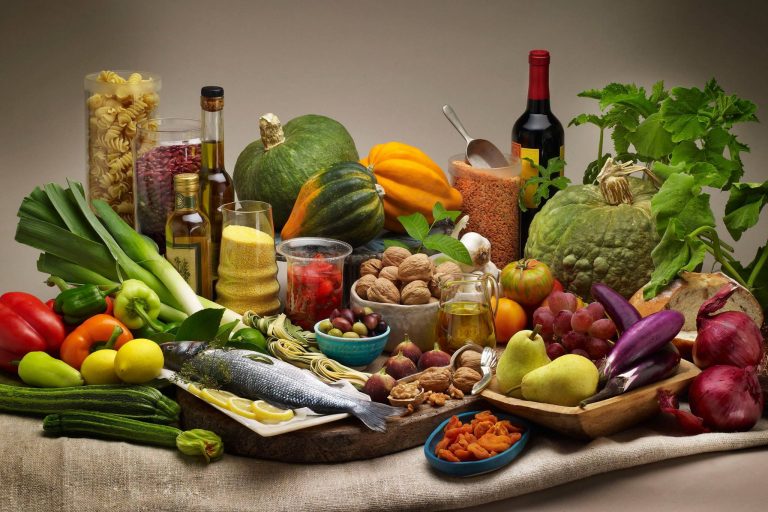

Foods which improve metabolic rate
Igniting Your Inner Furnace: Foods That Boost Your Metabolism
You’ve heard the buzzword: metabolism. It’s the engine that powers your body, converting the food you eat into the energy you need to breathe, think, and move. But what if your engine is running a little sluggish? What if you’re finding it harder to manage your weight or feel consistently energized? The good news is, you have a powerful tool at your disposal: your diet. While exercise is crucial, the very foods you choose to fuel your body can directly influence how efficiently your metabolism burns calories. Think of your metabolism not as a fixed, unchangeable entity, but as a dynamic system that you can actively influence. By strategically incorporating certain foods into your daily meals, you can encourage your body to become a more efficient calorie-burning machine, boosting your overall health and vitality. This isn’t about fad diets or restrictive eating; it’s about making smart, delicious choices that work with your body, not against it. We’re going to explore the culinary landscape, uncovering the secret weapons that can help you ignite your inner furnace.
In addition to exploring foods that can enhance metabolic rate, understanding the roles of hormones like ghrelin and leptin is crucial for managing appetite and weight. These hormones significantly influence how our bodies regulate hunger and energy expenditure. For a deeper insight into how these hormones interact and affect metabolism, you can read the article on ghrelin and leptin at this link.
The Science Behind the Burn: Understanding Metabolic Rate

Before we dive into the specifics of what to eat, it’s beneficial to understand why certain foods have this metabolic-boosting effect. Your metabolic rate, often referred to as your Basal Metabolic Rate (BMR) or Resting Metabolic Rate (RMR), is the number of calories your body burns at rest to maintain basic functions like breathing, circulation, and cell production. This rate is influenced by a number of factors, including age, sex, genetics, muscle mass, and hormonal activity. However, the thermic effect of food (TEF) is a significant component that we can directly influence through our dietary choices. TEF is the energy your body expends to digest, absorb, and metabolize the food you consume. Different macronutrients have varying TEFs. Protein, for instance, requires significantly more energy to process than carbohydrates or fats, meaning your body burns more calories simply by digesting it. Beyond TEF, certain compounds within foods can directly stimulate metabolic processes, increasing the rate at which your cells convert energy. Understanding these mechanisms will help you appreciate the power of food as a metabolic enhancer.
The Protein Powerhouse: More Than Just Muscle Building
You’ve likely heard that protein is important for muscle building, and that’s true. However, its role in metabolism is just as significant, if not more so, when it comes to calorie burning. Protein has the highest thermic effect of any macronutrient. This means that your body expends a considerable amount of energy – estimates range from 20-30% of the calories consumed – just to break down and process protein. Compare this to carbohydrates, which have a TEF of around 5-10%, and fats, with a TEF of only 0-3%. This substantial difference means that by increasing your protein intake, you’re essentially turning your digestive system into a mini-calorie burner. Furthermore, protein is incredibly satiating. It helps you feel fuller for longer, which can naturally lead to consuming fewer overall calories throughout the day. This dual benefit – increased calorie expenditure during digestion and enhanced satiety – makes protein a cornerstone of any metabolism-boosting diet.
Sources of Lean Protein for Optimal Metabolism
When aiming to boost your metabolism through protein, focus on lean sources. These provide ample protein without excessive saturated fat, which is beneficial for overall health.
- Lean Meats: Chicken breast, turkey breast, and lean cuts of beef like sirloin or tenderloin are excellent choices. They are packed with amino acids essential for metabolic processes and muscle maintenance.
- Fish: Fatty fish like salmon, mackerel, and tuna are not only rich in protein but also in omega-3 fatty acids, which have been linked to improved metabolic function and reduced inflammation. White fish like cod and tilapia are also good lean protein options.
- Eggs: A complete protein source, eggs are versatile and affordable. The yolk contains beneficial nutrients, so don’t shy away from it.
- Dairy: Greek yogurt, cottage cheese, and milk are excellent sources of protein, particularly casein and whey, which are digested at different rates, providing sustained energy and satiety. Opt for low-fat or non-fat versions to manage calorie intake if that’s a concern.
- Legumes: Lentils, beans (black beans, kidney beans, chickpeas), and peas are fantastic plant-based protein sources. They also provide fiber, which further aids digestion and satiety, contributing to a robust metabolism.
- Tofu and Tempeh: These soy-based products are excellent vegetarian and vegan protein options. They are versatile in cooking and can be incorporated into a wide array of dishes.
The Role of Muscle Mass in Sustaining Metabolic Rate
It’s crucial to remember that while protein intake is vital, muscle mass itself plays a significant role in your metabolic rate. Muscle tissue is metabolically active, meaning it burns calories even at rest. In fact, a pound of muscle burns approximately six calories per day, whereas a pound of fat burns only two. Therefore, increasing your muscle mass through strength training, combined with adequate protein intake to support muscle repair and growth, is one of the most effective long-term strategies for boosting your resting metabolic rate. This means that even when you’re not actively exercising, your body is burning more calories simply by virtue of having more muscle. Protein provides the building blocks for this muscle, making the synergy between protein consumption and strength training a powerful one for metabolic health.
Embracing the Spice: Fiery Foods for a Faster Burn

The heat you feel after enjoying a spicy meal isn’t just a sensation; it’s a sign of your metabolism kicking into a higher gear. Certain compounds found in chili peppers and other spices have been shown to have a thermogenic effect, meaning they can temporarily increase your body’s calorie expenditure. This effect is primarily attributed to capsaicin, the active compound in chili peppers. Capsaicin has been found to increase body temperature and heart rate, leading to a temporary boost in metabolism. While the effect might be modest on its own, when incorporated regularly into your diet, these spicy additions can contribute to a more consistently elevated metabolic rate. Beyond capsaicin, other spices also offer metabolic benefits, often through their antioxidant and anti-inflammatory properties, which can improve overall cellular function and energy production.
The Capsaicin Connection: How Chili Peppers Ignite Your Metabolism
Capsaicin, the compound responsible for the heat in chili peppers, is a fascinating molecule with a direct impact on your metabolism. When you consume capsaicin, it interacts with specific receptors in your body, triggering a cascade of physiological responses. One of the most notable is an increase in thermogenesis – the process by which your body generates heat. This can lead to a temporary rise in your metabolic rate, causing you to burn more calories for a short period after eating. Studies have shown that consuming chili peppers can lead to an increase in energy expenditure of around 50-100 calories per day, which, over time, can contribute to weight management. Furthermore, capsaicin can also influence appetite-regulating hormones, potentially leading to reduced food intake.
Exploring a Spectrum of Spicy Ingredients
Don’t limit yourself to just jalapeños! A wide variety of chili peppers and other spices can provide that metabolic kick. Experimenting with different heat levels and flavor profiles will not only boost your metabolism but also make your meals more exciting.
- Chili Peppers: From mild cayenne to fiery habanero, explore the diverse world of chili peppers. You can use them fresh, dried, or as flakes and powders in your cooking.
- Ginger: This pungent root is renowned for its medicinal properties, including its ability to boost metabolism. Ginger contains gingerols, which can increase body heat and promote digestion. It’s excellent in stir-fries, soups, teas, and even baked goods.
- Turmeric: This vibrant yellow spice, a staple in Indian cuisine, contains curcumin, a powerful antioxidant and anti-inflammatory compound that may also aid in metabolic health. It adds a warm, earthy flavor to curries, rice dishes, and golden lattes.
- Cinnamon: Often associated with sweet treats, cinnamon also has a thermogenic effect. Studies suggest it can help stabilize blood sugar levels and improve insulin sensitivity, both of which are crucial for optimal metabolic function. Sprinkle it on your oatmeal, yogurt, or add it to your coffee.
- Black Pepper: Piperine, the active compound in black pepper, has been shown to enhance nutrient absorption and may also contribute to a slight increase in metabolic rate. It’s a versatile spice that elevates the flavor of almost any savory dish.
Beyond the Heat: Antioxidants and Metabolism
Many spices, particularly those with vibrant colors like turmeric and paprika, are rich in antioxidants. These compounds play a vital role in protecting your cells from damage caused by free radicals. While not directly involved in calorie burning, a healthy cellular environment is essential for efficient energy production and overall metabolic function. By reducing oxidative stress and inflammation, antioxidants create a more conducive environment for your metabolic processes to operate at their best. This means that by incorporating a variety of flavorful spices, you’re not only adding zest to your meals but also supporting the fundamental health of your body’s energy-producing systems.
The Green Powerhouse: Leafy Greens and Their Metabolic Magic
When you think of metabolism-boosting foods, leafy greens might not be the first thing that comes to mind. However, these nutrient-dense powerhouses offer a surprising array of benefits for your metabolic health. Their low calorie count, combined with a rich supply of vitamins, minerals, and fiber, makes them ideal for supporting a healthy metabolism. Fiber, in particular, plays a crucial role in digestion and satiety, helping to regulate blood sugar levels and prevent energy crashes that can slow down your metabolic processes. Furthermore, the phytonutrients and antioxidants found in leafy greens contribute to cellular health, ensuring your body’s energy production systems are functioning optimally.
The Fiber Advantage: Slowing Digestion, Boosting Satiety
The fiber content of leafy greens is a significant contributor to their metabolic benefits. Fiber adds bulk to your digestive system, slowing down the rate at which food is digested and absorbed. This gradual release of nutrients helps to prevent sharp spikes and subsequent crashes in blood sugar levels. Stable blood sugar is crucial for sustained energy and can prevent cravings for high-sugar, low-nutrient foods that can disrupt metabolic balance. Moreover, the increased satiety provided by fiber means you feel fuller for longer, naturally reducing your overall calorie intake. This combination of stabilized energy and reduced calorie consumption creates a more favorable environment for a healthy metabolism.
A Symphony of Greens for Your Plate
The world of leafy greens is vast and varied, offering a delightful range of flavors, textures, and nutritional profiles. Incorporating a diverse selection into your diet ensures you’re getting a broad spectrum of vitamins, minerals, and fiber.
- Spinach: This versatile green is packed with iron, crucial for oxygen transport and energy production. It’s also a great source of folate and vitamins A and C. Enjoy it raw in salads, wilted in stir-fries, or blended into smoothies.
- Kale: A true superfood, kale is exceptionally rich in vitamins K, A, and C, as well as antioxidants. Its slightly tougher texture makes it great for salads (massaged to tenderize), sautéing, or making kale chips.
- Swiss Chard: With its vibrant stems and tender leaves, Swiss chard offers a good source of magnesium, an essential mineral for energy production and muscle function. It has a slightly earthy flavor and is delicious sautéed or added to soups.
- Romaine Lettuce: While often used as a base for salads, romaine is more nutrient-dense than iceberg lettuce, providing vitamins A and K.
- Arugula: Its peppery bite adds a unique flavor to dishes. Arugula is a good source of nitrates, which can help improve blood flow and exercise performance, indirectly benefiting metabolism.
- Collard Greens: These hearty greens are a good source of calcium and fiber. They are often braised or stewed and pair well with smoky flavors.
Micronutrient Power: Vitamins and Minerals for Energy Production
Beyond fiber, leafy greens are a treasure trove of essential vitamins and minerals that directly support your metabolic processes. For instance, iron, abundant in spinach and kale, is a critical component of hemoglobin, the protein in red blood cells responsible for transporting oxygen. Adequate oxygen supply is vital for cellular respiration, the process by which your cells generate energy. Magnesium, found in greens like Swiss chard and spinach, is involved in over 300 enzymatic reactions in the body, including those related to energy production and glucose metabolism. B vitamins, present in varying amounts across different greens, are coenzymes essential for converting food into usable energy. By providing these essential micronutrients, leafy greens help ensure that your body’s energy-generating machinery runs smoothly and efficiently.
If you’re looking to boost your metabolic rate through diet, you might find it interesting to explore foods that can help enhance your metabolism. Incorporating certain ingredients into your meals can make a significant difference in how efficiently your body burns calories. For more insights on this topic, check out this informative article on Foods that Improve Metabolic Rate, which provides a comprehensive overview of various foods that can help you achieve your health goals.
The Bean Scene: Legumes for Sustainable Energy and Metabolism
Legumes, a category that encompasses beans, lentils, peas, and chickpeas, are often overlooked as metabolic boosters, but they deserve a prominent place in your diet. These humble ingredients offer a potent combination of protein and complex carbohydrates, along with a significant amount of fiber. This trifecta of nutrients makes them exceptionally effective at promoting satiety, stabilizing blood sugar levels, and providing sustained energy. The slow digestion of legumes means you’re less likely to experience energy slumps, which can lead to poor food choices and a sluggish metabolism. Furthermore, their substantial fiber content aids in digestion and can positively influence your gut microbiome, an area increasingly recognized for its role in metabolic health.
The Complex Carbohydrate and Fiber Synergy
The primary metabolic advantage of legumes lies in their unique combination of complex carbohydrates and dietary fiber. Complex carbohydrates are broken down slowly by the body, providing a steady release of glucose into the bloodstream. This prevents the rapid spikes and subsequent crashes associated with simple sugars, leading to more stable energy levels throughout the day. The high fiber content in legumes further enhances this effect. Fiber slows down digestion, amplifies satiety, and can help to improve insulin sensitivity, allowing your body to use glucose more efficiently. This sustained energy release and improved insulin response are fundamental to maintaining an optimal metabolic rate.
A Diverse Array of Legumes to Incorporate
The world of legumes is vast and incredibly versatile, offering a wide range of flavors, textures, and culinary applications. Don’t be afraid to experiment with different types to find your favorites.
- Black Beans: A staple in Mexican and Latin American cuisine, black beans are rich in protein, fiber, and antioxidants. They are excellent in chili, tacos, burritos, and salads.
- Lentils: These cook relatively quickly and come in various colors (red, green, brown). Lentils are a fantastic source of protein and fiber and can be used in soups, stews, curries, and even as a base for vegetarian burgers.
- Chickpeas (Garbanzo Beans): Versatile and mild in flavor, chickpeas are the foundation of hummus. They are also great in salads, roasted as a snack, or added to curries and stews.
- Kidney Beans: These hearty beans have a slightly firmer texture and are a good source of iron and fiber. They are a classic addition to chili and minestrone soup.
- Edamame: These young soybeans are a complete protein source and are often enjoyed steamed as a snack or added to stir-fries and salads.
- Peas: Both fresh and frozen peas offer a good dose of protein and fiber. They are a simple and nutritious addition to many dishes.
Gut Health and Metabolism: The Microbiome Connection
Emerging research highlights the significant connection between your gut microbiome – the trillions of bacteria residing in your digestive tract – and your metabolic health. Legumes, with their high fiber content, act as prebiotics, feeding the beneficial bacteria in your gut. A healthy and diverse gut microbiome can influence how your body absorbs nutrients, regulates appetite, and even impacts inflammation, all of which play a role in metabolic function. By promoting a flourishing gut environment, legumes contribute to a more efficient and resilient metabolic system, underscoring their importance beyond just providing protein and fiber.
Hydration and Whole Grains: The Foundational Pillars of Metabolism
While specific foods can provide a metabolic boost, it’s essential to remember the foundational elements of a healthy diet that support overall metabolic function. Two of the most critical are adequate hydration and the consumption of whole grains. Water is not merely a beverage; it’s a vital component in countless metabolic processes within your body. Without sufficient water, these processes can slow down, impacting everything from nutrient transport to waste removal. Similarly, whole grains, as opposed to refined grains, offer a slow-release energy source and a wealth of fiber and nutrients that are crucial for sustained metabolic health.
The Underrated Power of Water for Metabolic Function
Water is often overlooked in discussions about metabolism, yet it is absolutely indispensable. Every single metabolic reaction in your body requires water. It acts as a solvent, transporting nutrients to your cells and carrying waste products away. When you are dehydrated, these processes become less efficient. Even mild dehydration can lead to a temporary slowdown in your metabolic rate, as your body conserves energy. Drinking enough water can help your body burn calories more efficiently, as it supports the optimal functioning of all metabolic pathways. Furthermore, drinking water before meals can create a feeling of fullness, potentially leading to reduced food intake.
Strategies for Optimal Hydration
Ensuring you’re getting enough water throughout the day is simpler than you might think. The key is to make it a consistent habit.
- Start Your Day with Water: Begin each morning with a glass of water to rehydrate after sleep and kickstart your metabolism.
- Carry a Water Bottle: Keep a reusable water bottle with you throughout the day and sip from it regularly.
- Set Reminders: If you find yourself forgetting to drink, set reminders on your phone or computer.
- Flavor Your Water (Naturally): If plain water is unappealing, infuse it with slices of lemon, cucumber, mint, or berries for a refreshing twist.
- Eat Hydrating Foods: Many fruits and vegetables, such as watermelon, cucumbers, and oranges, have a high water content and contribute to your daily fluid intake.
The Whole Grain Advantage: Sustained Energy and Nutrient Density
Whole grains are unrefined grains that contain all three parts of the kernel: the bran, germ, and endosperm. This composition provides a rich source of dietary fiber, B vitamins, minerals like magnesium and iron, and antioxidants. Unlike refined grains, which have had the bran and germ removed, stripping them of much of their nutritional value and fiber, whole grains offer a slow and steady release of energy. This sustained energy supply helps prevent the blood sugar roller coaster that can lead to cravings and metabolic slowdown. The fiber in whole grains also promotes satiety, keeping you feeling full and satisfied, which is crucial for managing calorie intake and supporting a healthy metabolism.
Choosing Whole Grains for a Healthier Metabolism
Making informed choices about your grain consumption can significantly impact your metabolic health. Prioritize whole, unprocessed options over their refined counterparts.
- Oats: Rolled oats and steel-cut oats are excellent sources of soluble fiber, which is particularly beneficial for heart health and blood sugar control. Enjoy them as oatmeal, in overnight oats, or added to baked goods.
- Quinoa: Technically a seed, quinoa is often treated as a grain. It’s a complete protein source and rich in fiber, magnesium, and iron. Use it as a side dish, in salads, or as a base for grain bowls.
- Brown Rice: A whole-grain alternative to white rice, brown rice offers more fiber, vitamins, and minerals. It has a nuttier flavor and a chewier texture.
- Barley: This hardy grain is a good source of fiber, particularly beta-glucan, known for its cholesterol-lowering properties. It’s delicious in soups, stews, and as a side dish.
- Whole Wheat Bread and Pasta: Look for products where “whole wheat” or “whole grain” is the first ingredient listed. These offer the benefits of the entire grain kernel.
- Buckwheat: Despite its name, buckwheat is not related to wheat. It’s a good source of fiber and minerals and has a distinctive earthy flavor.
By focusing on these foundational elements of hydration and whole grains, you create a robust framework upon which the more targeted metabolic-boosting foods can thrive. This holistic approach ensures your body has the essential resources it needs to maintain a healthy and efficient metabolic rate.