Feeling Stuck in Life? Why Getting Outdoors Could Help You Find Your Way Again
The Unsettling Grip of Stagnation
You know the feeling, don’t you? That dull, persistent ache of being stuck. It’s not necessarily a dramatic crisis, but rather a quiet erosion of purpose, a sense that you’re treading water while the rest of the world rushes past. Perhaps your career has hit a plateau, and the once-exciting challenges now feel like mundane tasks. Maybe your personal relationships, once vibrant and fulfilling, have settled into a predictable routine, lacking the spark you remember. Or perhaps it’s an internal battle – a nagging dissatisfaction with your current circumstances, a feeling that you’re not living up to your full potential, even if you can’t quite pinpoint what that potential is. This pervasive sense of inertia can manifest in various ways: a lack of motivation, a feeling of aimlessness, persistent low-level anxiety, or even a dull sense of hopelessness. You might find yourself scrolling endlessly through social media, seeking inspiration or distraction, only to emerge feeling even more adrift. The days bleed into one another, marked less by achievement and more by a quiet resignation. It’s a heavy blanket, this feeling of being stuck, muffling your enthusiasm and dimming your outlook. You yearn for change, for a new direction, for a fresh perspective, but the path forward seems obscured, hidden behind a fog of routine and self-doubt. The desire to break free is palpable, yet the first step feels insurmountable, leaving you trapped in a cycle of wanting more but doing less.
The Modern Dilemma: Disconnection
In today’s hyper-connected, technologically driven world, it’s ironic that many of us feel profoundly disconnected. We spend countless hours indoors, bathed in the glow of screens, our lives largely dictated by digital interactions and artificial environments. From the moment you wake up, your phone is likely the first thing you reach for, and it often remains a constant companion throughout the day. Your work probably involves sitting at a desk, staring at a computer, your conversations mediated through email or video calls. Even your leisure time, designed for relaxation and rejuvenation, often involves Netflix binges, video games, or scrolling through social media feeds. This constant immersion in the digital realm, while offering undeniable conveniences and avenues for connection, also contributes to a profound sense of isolation from the natural world. You might not even notice it happening, this gradual shift from genuine engagement with your surroundings to a filtered, curated version presented on a screen. The vibrant colors of a sunset are replaced by pixelated images, the rustling of leaves by synthesized sounds, and the fresh scent of rain by air-conditioned sterility. This disconnection isn’t just about missing out on pretty sights; it has deeper psychological and physiological consequences. Our brains, evolved over millennia to interact with complex natural environments, are now often deprived of the stimuli they crave, leading to a state of perpetual low-grade stress and sensory deprivation.
If you’re feeling stuck in life and seeking a way to regain your sense of direction, you might find inspiration in the article titled “Water-Based Adventures: A Refreshing Escape.” This piece explores how engaging in outdoor activities, particularly those involving water, can rejuvenate your spirit and provide clarity during challenging times. By immersing yourself in nature, you can discover new perspectives and rekindle your passion for life. To read more about these invigorating experiences, check out the article here: Water-Based Adventures: A Refreshing Escape.
The Call of the Wild: Why Nature Heals
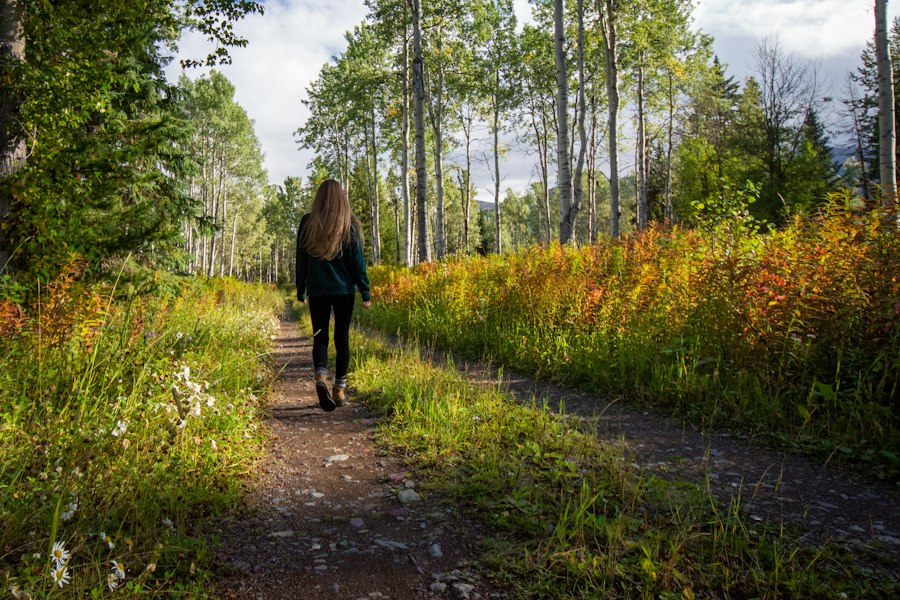
The human body and mind are intricately linked to the natural world. This isn’t just some romantic notion; it’s a scientific fact, backed by a growing body of research demonstrating the profound benefits of spending time outdoors. When you step outside, you’re not just changing your physical location; you’re changing your internal environment. The air you breathe, the sounds you hear, the sights you see – all contribute to a powerful shift in your physiological and psychological state. Think about the last time you truly felt relaxed, truly at peace. Chances are, a significant portion of that memory involves an outdoor setting: a tranquil beach, a sun-dappled forest, a majestic mountain vista. This isn’t a coincidence. Nature possesses an inherent capacity to soothe, to inspire, and to recalibrate our inner compass. It offers a stark contrast to the sterile, controlled environments of modern life, providing a rich tapestry of sensory experiences that engage our minds in a fundamentally different way. The sheer vastness of the natural world can put your own struggles into perspective, making your personal challenges feel less overwhelming when viewed against the backdrop of ancient trees or boundless skies. It’s a subtle yet potent form of therapy, freely available to everyone, and yet often overlooked in our pursuit of solutions.
Scientific Foundations of Nature’s Therapeutic Effects
The idea that nature is good for you isn’t just anecdotal; it’s a concept increasingly supported by robust scientific evidence. Researchers across various disciplines have been actively exploring the mechanisms through which exposure to natural environments benefits human well-being. For example, studies have consistently shown that spending time in green spaces can significantly reduce levels of the stress hormone cortisol. When you’re feeling overwhelmed or anxious, your body releases cortisol, preparing you for a perceived threat. While useful in acute situations, chronically elevated cortisol levels can lead to a host of health problems, including weakened immune function, sleep disturbances, and mood disorders. Nature, with its calming aesthetics and gentle sensory input, effectively signals to your body that it’s safe to relax, dampening the stress response.
Beyond hormonal regulation, the brain itself undergoes positive changes when exposed to nature. Functional MRI studies have revealed increased activity in the prefrontal cortex, the area of the brain associated with executive function, decision-making, and problem-solving, after walks in natural environments compared to urban settings. This suggests that nature helps to quiet the mind’s incessant chatter, allowing for clearer thought and improved cognitive function. The concept of “attention restoration theory” posits that natural environments provide “soft fascination,” allowing your attention to wander effortlessly and gently, unlike the “directed attention” required in urban environments that can lead to mental fatigue. This allows your cognitive resources to replenish, making you more effective and resilient when you return to demanding tasks. Furthermore, research into “forest bathing” (Shinrin-yoku) from Japan has demonstrated tangible benefits such as lowered blood pressure, reduced heart rate, and improved immune system function, evidenced by an increase in natural killer (NK) cells, a type of white blood cell that fights off infections and cancer. The phytoncides, airborne chemicals emitted by trees, are believed to play a significant role in these immunological benefits. So, when you step into a forest, you’re not just taking a stroll; you’re actively engaging in a powerful form of self-care that recharges your entire being, from your mind to your immune system.
Nature’s Role in Mental Clarity and Perspective
One of the most profound gifts nature offers when you’re feeling stuck is the gift of perspective. When you’re confined to the same four walls, dealing with the same internal monologues and the same external pressures, your problems can feel overwhelmingly large and insurmountable. The urban environment, with its constant stimulation and perceived urgency, often amplifies this feeling, making it difficult to gain mental distance. However, when you immerse yourself in nature, something remarkable happens. The sheer scale of a mountain range, the endless expanse of the ocean, or the intricate complexity of an ancient forest can make your personal dilemmas feel, if not insignificant, then certainly less all-consuming.
Being surrounded by natural beauty and vastness often triggers a sense of awe, a powerful emotion linked to increased generosity, humility, and a greater sense of connection to something larger than yourself. This feeling of awe can literally shift your mindset, prompting you to see your challenges not as dead ends, but as smaller components within a much larger, ongoing journey. The consistent rhythm of nature – the changing seasons, the ebb and flow of tides, the growth and decay of life – offers a powerful metaphor for your own experiences. It reminds you that change is inherent, that stagnation is often temporary, and that cycles of renewal are always possible. The quiet solitude of a natural setting also provides an invaluable opportunity for introspection. Without the constant distractions of the digital world or the demands of your daily routine, your mind is free to wander, to process thoughts and emotions that might otherwise be suppressed. This uninterrupted space for reflection can be instrumental in identifying the root causes of your feeling stuck, helping you to articulate what you truly desire and what steps you need to take to move forward. It’s a chance to truly listen to yourself, to quiet the external noise and tune into your inner wisdom, allowing new ideas and solutions to emerge naturally.
Practical Ways to Reconnect with the Outdoors
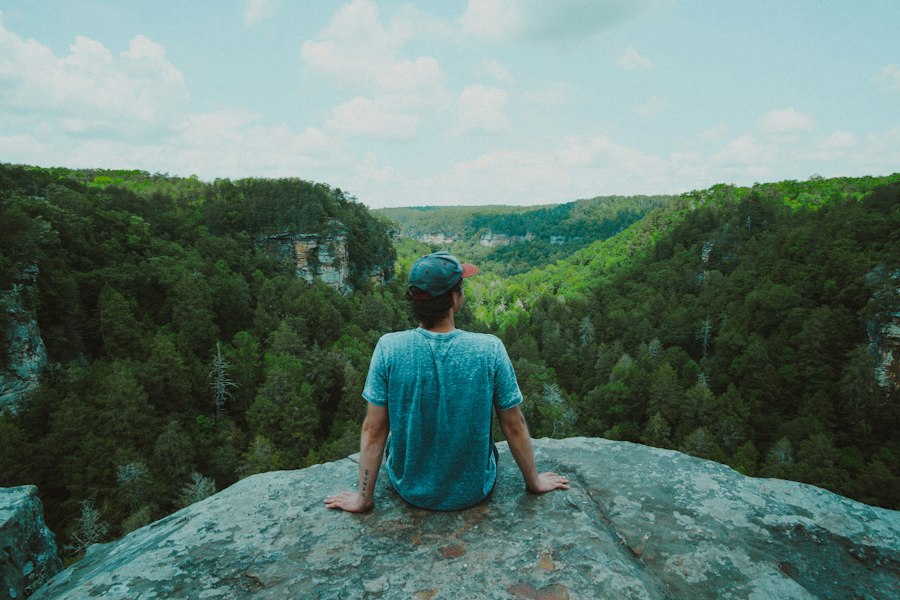
Now that you understand the profound benefits, the question becomes: how can you practically integrate more nature into your life, especially when you’re feeling low on energy or motivation? The good news is that you don’t need to embark on a multi-day wilderness expedition to reap the rewards. Even small, consistent doses of nature can make a significant difference. The key is to start small, be consistent, and gradually increase your exposure as you feel more comfortable and energized. Remember, this isn’t about adding another chore to your already packed schedule; it’s about intentionally carving out space for rejuvenation and rediscovery.
Embracing Green Spaces in Your Locality
You might be surprised by how much green space exists even in densely populated areas. Take a moment to scout your local surroundings. Is there a park nearby? A community garden? A walking trail along a river or through a wooded area? These accessible green spaces are perfect starting points. Make it a point to visit one regularly. Even a short 15-20 minute walk during your lunch break, or after work, can be incredibly beneficial. Focus on engaging your senses while you’re there. Instead of rushing through, take the time to notice the details: the patterns of leaves, the chirping of birds, the scent of damp earth after rain.
Consider incorporating outdoor activities into your social life. Instead of meeting friends at a coffee shop, suggest a walk in the park or a picnic in a botanical garden. If you have children, make outdoor play a priority, joining them in their explorations. Even maintaining a small potted plant on your windowsill or cultivating a tiny herb garden on your balcony can create a subtle, yet positive, connection to the natural world within your immediate environment. The goal here is to make nature a regular, integrated part of your daily rhythm, rather than a rare event.
Deeper Immersion: Beyond the Local Park
While local parks are excellent for daily doses of nature, periodically seeking out more immersive experiences can provide a powerful reset. This might involve a day trip to a state park, a forest reserve, or a coastal area. Plan a hike on a scenic trail, rent a kayak or canoe for a paddle on a lake, or simply find a quiet spot to sit and observe the landscape. These longer, more focused excursions allow for a deeper level of disconnection from your usual routine and a more profound engagement with the natural world.
For those who are able and willing, consider camping. Even one night spent sleeping under the stars can be a transformative experience, offering a sense of primal connection and a reminder of your place within the vastness of the universe. If camping isn’t your style, look for cabins or eco-lodges in natural settings. The idea is to temporarily remove yourself from the constant demands of technology and urban life, allowing your mind to fully decompress and recalibrate. These deeper immersions provide an opportunity for extended periods of “soft fascination,” allowing your cognitive resources to fully replenish and new perspectives to emerge. Remember to leave your phone on silent, or better yet, leave it behind altogether, truly embracing the opportunity to be present in the moment and connect with the environment around you without distraction.
Overcoming Obstacles to Outdoor Time
You might be thinking, “This all sounds wonderful, but it’s easier said than done.” And you’re right. Life throws countless obstacles in our path, making it challenging to prioritize even seemingly simple acts like spending time outdoors. It’s easy to fall into the trap of believing you don’t have enough time, that the weather is always against you, or that you’re just not “the outdoorsy type.” These are common psychological barriers, but with a bit of intentionality and planning, you can effectively navigate them.
Battling Time Constraints and Perception
“I don’t have time” is perhaps the most common refrain in modern life. Your calendar is overflowing, your to-do list is endless, and the idea of carving out extra time for a walk seems ludicrous. However, it’s often not a matter of having time, but of making time and reprioritizing what truly matters for your well-being. Start by identifying small pockets of time you might not even realize you have. Can you wake up 15 minutes earlier for a quick walk around the block? Can you take your lunch break outside instead of eating at your desk? Can you walk or bike to work or run errands instead of driving?
Another powerful strategy is “time blocking.” Schedule your outdoor time into your calendar just as you would an important meeting. This gives it the same weight and importance as other commitments, making it less likely to be skipped. Furthermore, challenge your perception of what “being outdoors” entails. It doesn’t have to be an epic adventure. A few minutes of sitting on a park bench, observing the clouds, or tending to a plant is still outdoor time. The cumulative effect of these small, consistent efforts is far greater than waiting for the perfect, elusive “big” outdoor experience. Remember that the energy and clarity you gain from even short stints in nature will likely make you more efficient and productive in your other tasks, effectively giving you back the time you invested.
Addressing Weather and Motivation Challenges
“The weather is too cold,” “it’s too hot,” “it’s raining,” “I’m just not motivated today.” These are all legitimate feelings, but they can often become excuses that prevent you from experiencing the benefits of nature. For weather, the solution often lies in proper preparation. Invest in good quality rain gear, warm layers for colder days, and appropriate sun protection for warmer ones. There’s an old Scandinavian saying: “There’s no bad weather, only bad clothing.” Once you’re properly dressed, many weather conditions that initially seem prohibitive become perfectly enjoyable.
When it comes to motivation, this is where consistency and habit formation come into play. On days when you feel sluggish or uninspired, try to remember how you felt after your last outdoor excursion. Focus on the positive emotions, the renewed energy, and the clearer head. Sometimes, the hardest part is just stepping out the door. Set a small, achievable goal for yourself: “I’ll just walk for 10 minutes.” Often, once you’re out there, you’ll find yourself wanting to stay longer. Partnering with a friend or family member for outdoor activities can also provide a powerful motivational boost and a sense of accountability. Consider tracking your outdoor time, perhaps with a simple journal or an app, to visually reinforce your progress and celebrate your commitment to your well-being. Don’t strive for perfection; simply aim for presence and persistence. Every step you take outside, regardless of the weather or your initial mood, is a step towards feeling less stuck and more connected.
If you’re feeling stuck in life, you might find inspiration in the article on travel adventures that explores how new experiences can rejuvenate your spirit. Engaging with nature not only provides a fresh perspective but also encourages personal growth. For more insights on how travel can transform your outlook, check out this related article on travel adventures. Embracing the outdoors could be the key to rediscovering your path and reigniting your passion for life.
Sustaining Your Connection: Making Nature a Lifelong Habit
The initial burst of clarity and renewed purpose you gain from reconnecting with nature is a powerful catalyst, but to truly break free from feeling stuck and to maintain a sense of direction, it’s crucial to integrate outdoor time as a sustainable, lifelong habit. This isn’t a one-time fix; it’s an ongoing relationship, a continuous process of nurturing your well-being through intentional engagement with the natural world. Think of it as a muscle you need to consistently exercise to keep strong and responsive. The benefits compound over time, leading to greater resilience, creativity, and a deeper sense of peace.
Cultivating a Mindful Outdoor Practice
To truly make outdoor time a habit that sustains you, it’s not enough to simply be physically present in nature; you need to cultivate a mindful outdoor practice. This means engaging all your senses and being fully present in the moment, rather than allowing your mind to race through your to-do list or rehash past events. Start by consciously putting away your phone and other distractions. When you walk, pay attention to the feeling of the ground beneath your feet, the rhythm of your breath, and the subtle sounds around you. Notice the intricate details of a leaf, the texture of tree bark, or the way sunlight filters through the branches.
Consider incorporating elements of meditation or contemplative practices into your outdoor time. Find a quiet spot to sit and simply observe, without judgment. Listen to the wind, the birds, or the distant hum of nature. Allow your thoughts to come and go, but always bring your attention back to your sensory experience of the natural world. This mindful engagement deepens your connection, allowing you to absorb the restorative power of nature more fully. It transforms a simple walk into a profound experience of grounding and self-discovery, helping you to remain centered and clear-headed even when life’s challenges resurface. This continuous practice helps you to build a reservoir of inner peace and resilience that you can draw upon when you feel the familiar pull of stagnation.
Integrating Nature into Your Home and Work Life
While spending time outside is paramount, you can also cultivate a stronger connection to nature within your indoor environments, blurring the lines between the artificial and the organic. Bring nature indoors by incorporating plants into your home and workspace. Studies show that even the presence of indoor plants can reduce stress, improve air quality, and boost mood. Choose plants that thrive in your environment and take pleasure in nurturing them. Position your desk or seating areas to maximize natural light and views of any outdoor greenery.
Consider integrating nature-inspired elements into your décor. This could be anything from natural wood furniture to artwork depicting landscapes, or even just opening windows to allow fresh air and natural sounds to permeate your space. At work, advocate for access to green spaces during breaks, or even for the creation of indoor plant installations. Take conscious micro-breaks throughout your day to look out a window, even for a minute, and mentally connect with the outside world. By consciously weaving natural elements and principles into your daily routines and surroundings, you create a continuous, gentle reminder of the restorative power of the outdoors. This holistic approach reinforces the habit of seeking nature, ensuring that it remains an integral and sustaining force in your life, helping you to navigate future uncertainties with greater clarity, purpose, and a sense of belonging.