Best places to visit in Hungary, when and where to go, what to do and what to avoid.
Exploring Budapest: The Pearl of the Danube
Budapest, the vibrant capital of Hungary, is often your first and most impactful introduction to the country. You’ll find yourself instantly captivated by its grand architecture, thermal baths, and rich history. To truly appreciate Budapest, dedicate at least three to four days, though a week would allow for a more leisurely exploration.
Iconic Sights and Experiences in Budapest
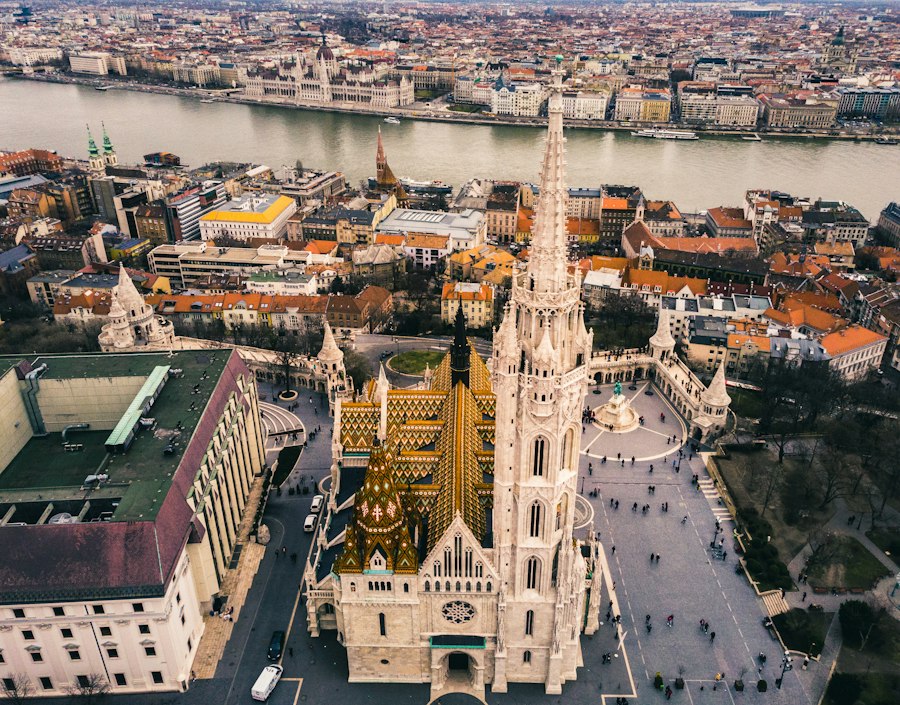
Your journey should begin with the iconic Chain Bridge, connecting Buda and Pest, offering stunning views of the Danube. On the Buda side, you’ll discover the majestic Buda Castle District, a UNESCO World Heritage site. Wander through its cobbled streets, visit Matthias Church with its unique patterned roof, and take in the panoramic views from Fisherman’s Bastion. Imagine medieval knights patrolling these very walls as you gaze upon the sprawling cityscape.
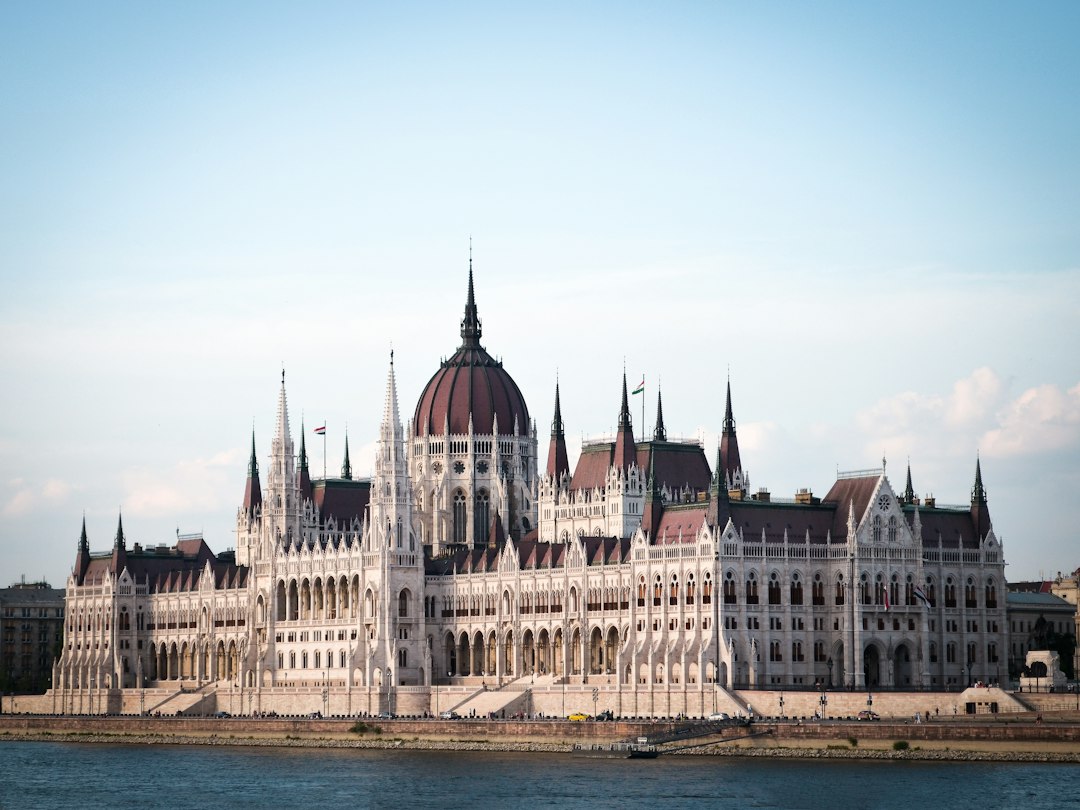
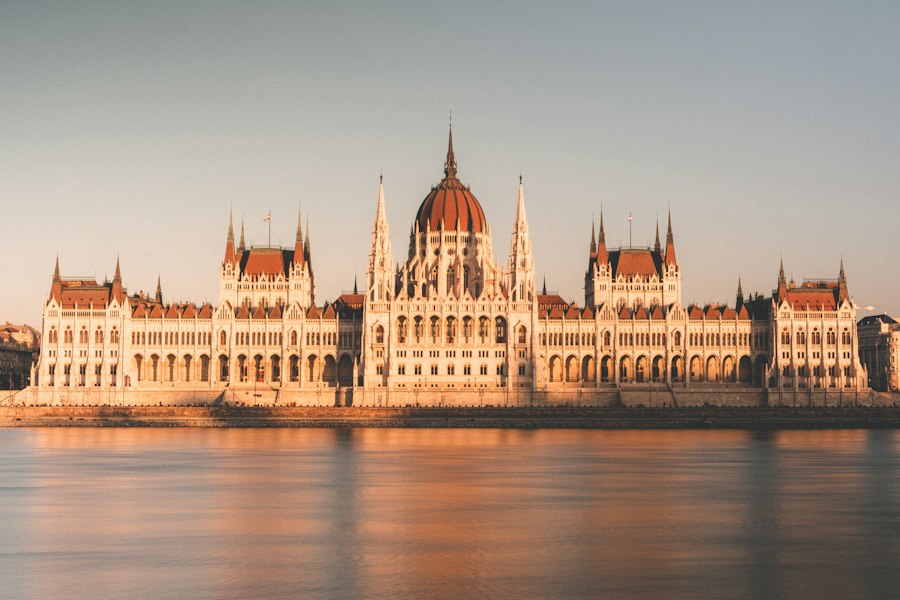
Crossing back to Pest, you must witness the grandeur of the Hungarian Parliament Building. While an exterior view is impressive, consider booking a guided tour to admire its opulent interior, including the Hungarian Crown Jewels. Nearby, Heroes’ Square stands as a tribute to Hungary’s historical leaders, and behind it, City Park offers a delightful escape with Vajdahunyad Castle and the famous Széchenyi Thermal Bath.
Thermal Baths and Wellness Culture
Hungary is renowned for its thermal waters, and Budapest is at the heart of this wellness culture. Széchenyi Thermal Bath, with its striking yellow exterior and outdoor pools, is perhaps the most famous. You can spend hours soaking in the mineral-rich waters, experiencing the steam rooms, and even playing chess in the outdoor pools. For a more Art Nouveau experience, Gellért Thermal Bath, located within the elegant Gellért Hotel, offers intricate tile work and a more serene atmosphere. Another option, Rudas Thermal Bath, offers a traditional Turkish bath experience with separate men’s and women’s days, as well as mixed-gender sessions. Don’t be shy; embrace the local tradition of communal bathing.
Culinary Delights and Nightlife in Budapest
Budapest’s culinary scene is a delightful blend of traditional Hungarian flavors and modern international cuisine. You absolutely must try goulash, a hearty stew, but also venture into lesser-known dishes like _lángos_ (fried dough with various toppings) and _kürtőskalács_ (chimney cake), a sweet pastry often found at street stalls. For a more formal dining experience, explore the numerous restaurants offering contemporary Hungarian cuisine.
As evening descends, Budapest truly comes alive. The ruin bars, housed in abandoned buildings and decorated with eclectic furniture and art, are a quintessential Budapest experience. Szimpla Kert is the most famous, but explore the Jewish Quarter for many more unique options. For a more sophisticated evening, consider a Danube river cruise with dinner and live music, offering breathtaking views of the illuminated Parliament and Buda Castle. Avoid falling into tourist traps right on Váci Street for dining; venture a few blocks off for more authentic and better-value experiences.
When planning your trip to Hungary, it’s essential to consider the vibrant festivals that take place throughout the year, offering a unique glimpse into the country’s culture and traditions. For a comprehensive guide on the best places to visit, when to go, what to do, and what to avoid, you can check out this related article on festivals in Hungary. It highlights various events that can enhance your travel experience, ensuring you don’t miss out on the local celebrations. For more details, visit this link.
Discovering the Hungarian Countryside: Beyond the Capital
While Budapest is undeniably captivating, Hungary’s charm extends far beyond its capital. The countryside offers a wealth of diverse experiences, from historical towns and picturesque lakes to wine regions and natural wonders. Allocating at least a few days to explore these regions will provide a more comprehensive understanding of Hungarian culture and landscapes.
Lake Balaton: Hungary’s Inland Sea
Often referred to as the “Hungarian Sea,” Lake Balaton is Central Europe’s largest freshwater lake and a hugely popular destination, especially in summer. The northern shore is characterized by vineyards, historic towns, and volcanic hills, while the southern shore is known for its shallow, sandy beaches and bustling resorts.
Tihany Peninsula and Balatonfüred
On the northern shore, the Tihany Peninsula is a must-visit. Its Benedictine Abbey, founded in 1055, offers spectacular views of the lake. Wander through the charming village, explore the inner lake, and enjoy the famous lavender fields in bloom during early summer. Nearby, Balatonfüred is a sophisticated resort town known for its thermal springs, elegant promenade, and historical villas. You can rent a boat, cycle along the shore, or simply relax by the water.
Keszthely and Hévíz
Further west on the northern shore, Keszthely boasts the magnificent Festetics Palace, one of Hungary’s largest Baroque palaces, complete with beautiful gardens and museums. Just a short drive from Keszthely is Hévíz, home to the largest natural, biologically active thermal lake in the world. You can swim year-round in its warm, mineral-rich waters, believed to have healing properties. It’s a truly unique wellness experience.
Eger and the Northern Hungarian Mountains
Northeast of Budapest lies the charming Baroque town of Eger, famous for its castle, thermal baths, and “Bull’s Blood” wine. This region, the Northern Hungarian Mountains, offers beautiful natural scenery, hiking opportunities, and more historical towns.
Eger’s Historic Charms
Eger’s heroically defended castle is a central part of Hungarian history, having famously withstood an Ottoman siege in 1552. Explore its ramparts, museums, and secret tunnels. Afterward, descend into the Valley of the Beautiful Woman (Szépasszony-völgy), a charming area filled with wine cellars carved into the tufa rock, where you can sample Eger’s renowned red wine, Egri Bikavér (Bull’s Blood). The town center itself is a pleasure to stroll through, with its Baroque architecture, minaret (a remnant of Ottoman rule), and charming squares.
Aggtelek Karst and Caves
For nature enthusiasts, the Aggtelek Karst and Caves, a UNESCO World Heritage site, are a significant draw. Located near the Slovakian border, this vast cave system includes Baradla Cave, one of Europe’s longest and most impressive stalactite caves. Guided tours take you deep underground to marvel at the stunning formations. This area is perfect for combining with a trip to Eger, though it requires a full day of travel and exploration.
The Danube Bend: A Scenic River Journey
Just north of Budapest, the Danube Bend is a stunning stretch of the river where it dramatically changes direction. This region is easily accessible for day trips from Budapest and offers a delightful mix of history, art, and natural beauty.
Szentendre: The Artists’ Village
Szentendre is perhaps the most famous town in the Danube Bend. Its Mediterranean atmosphere, winding cobblestone streets, and numerous art galleries and museums make it a popular destination. You can browse local crafts, visit the Marzipan Museum, and enjoy a leisurely lunch by the Danube. It’s best visited on a weekday to avoid the largest crowds.
Visegrád and Esztergom
Further along the Danube, Visegrád boasts a dramatic hilltop citadel and a reconstructed Renaissance palace. The views from the citadel over the Danube Bend are truly spectacular. Esztergom, once the capital of Hungary, is home to the largest basilica in Hungary, a truly impressive structure dominating the skyline. Visiting these three towns in one day is ambitious but possible if you start early. Consider a riverboat trip from Budapest to fully appreciate the scenic beauty of the Danube Bend.
Planning Your Hungarian Adventure: When to Go and What to Do
Choosing the right time to visit Hungary can significantly impact your experience. Each season offers unique advantages and disadvantages, and understanding them will help you tailor your trip to your preferences.
Best Times to Visit Hungary
Spring (April to May)
Spring is arguably one of the best times to visit Hungary. The weather is pleasantly mild, with fewer crowds than summer, and the countryside bursts into bloom. Temperatures are comfortable for sightseeing, and outdoor activities like hiking and cycling are enjoyable. You’ll find blooming lavender fields in Tihany and vibrant flowers in city parks. This is an excellent time for city breaks in Budapest and exploring the Danube Bend.
Summer (June to August)
Summer is peak tourist season, especially around Lake Balaton. The weather is warm to hot, perfect for swimming and sunbathing. Festivals abound, and the nightlife in Budapest is at its most vibrant. However, expect larger crowds, higher prices, and potentially very high temperatures, particularly in July and August. If you’re planning a summer trip, book accommodations and popular tours well in advance. Air conditioning is a must if you’re sensitive to heat.
Autumn (September to October)
Autumn offers another delightful window for visiting Hungary. The weather remains pleasant, and the changing foliage creates stunning landscapes, particularly in the northern mountains and along the Danube Bend. Wine harvest season begins, making it an excellent time to visit regions like Eger and Tokaj for wine tasting. Crowds start to thin out, and prices may be slightly lower than in summer. October can bring cooler temperatures and a higher chance of rain, so pack layers.
Winter (November to March)
Winter in Hungary can be cold, with snow common, especially in December and January. However, this season offers a magical atmosphere, particularly in Budapest with its festive Christmas markets and illuminated streets. The thermal baths are exceptionally inviting in cold weather. While some rural attractions might have reduced hours or be less accessible, cities like Budapest thrive. It’s a quieter time for tourism, and you can often find good deals on flights and accommodation. If you enjoy winter sports, Hungary has small ski resorts in the northern mountains.
Activities and Experiences for Every Season
Spring and Autumn Activities
These shoulder seasons are ideal for city walking tours, cycling along Lake Balaton, exploring historical sites without the summer heat, and wine tasting tours. Consider a hike in the Pilis or Bükk National Parks. Cultural events and smaller festivals are also common.
Summer Activities
Lake Balaton is the undeniable star of summer, offering swimming, sailing, and watersports. Music festivals, open-air concerts, and street fairs are plentiful. Enjoy dining al fresco and taking evening strolls along promenades.
Winter Activities
Embrace the thermal baths for warmth and relaxation. Explore Budapest’s Christmas markets and ice-skating rinks. Enjoy hearty Hungarian stews and warm mulled wine. Museums and indoor attractions are perfect for cold days. If there’s snow, a visit to the hills around Visegrád or Eger can be very picturesque.
Practical Tips for Your Trip to Hungary
To ensure a smooth and enjoyable trip, keep these practical tips in mind. From currency to etiquette, a little preparation goes a long way.
Currency and Payments
Hungary’s official currency is the Hungarian Forint (HUF), not the Euro. While some major tourist establishments in Budapest might accept Euros, you’ll generally get a better exchange rate and avoid confusion by paying in Forints. ATMs are widely available, and credit/debit cards are accepted in most shops, restaurants, and hotels, especially in urban areas. However, it’s always wise to carry some cash for smaller purchases, market stalls, and in more rural areas. When using an ATM, decline the dynamic currency conversion (DCC) option; choose to be charged in HUF for a better rate.
Transportation within Hungary
Hungary has a well-developed public transportation system.
Public Transport in Budapest
Budapest boasts an efficient network of metro lines, trams, and buses. A single ticket is valid for one journey, but you can purchase daily, 24-hour, 72-hour, or weekly passes, which offer better value if you plan to use public transport frequently. Validate your ticket immediately upon boarding or entering the metro station to avoid hefty fines. The Budapest Card offers unlimited public transport and discounts on attractions, but do the math to see if it’s cost-effective for your specific itinerary.
Intercity Travel
For traveling between cities, trains (operated by MÁV) and intercity buses (operated by Volánbusz) are reliable and affordable options. Trains are generally more comfortable for longer distances, while buses might serve smaller towns more directly. You can buy tickets online or at the station. Renting a car is an option if you plan to explore remote areas of the countryside, but be aware of speed limits, potential tolls, and parking challenges in city centers.
Language and Basic Phrases
The official language is Hungarian (Magyar), a Finno-Ugric language notoriously difficult for English speakers. While many people in tourist areas, especially younger generations, speak English, learning a few basic phrases will be greatly appreciated.
- Hello: _Szia_ (informal), _Jó napot_ (formal)
- Goodbye: _Viszlát_ (informal), _Viszontlátásra_ (formal)
- Thank you: _Köszönöm_
- Please: _Kérem_
- Yes: _Igen_
- No: _Nem_
- Excuse me/Sorry: _Elnézést_
- Do you speak English?: _Beszél angolul?_
- How much is this?: _Mennyibe kerül?_
Tipping Etiquette
Tipping is customary in Hungary, typically around 10-15% for good service in restaurants and cafes. Some establishments may include a service charge (szervizdíj) on the bill; in this case, no additional tip is expected. Always check your bill. For taxi drivers, rounding up to the nearest convenient amount is common. For tour guides, a small tip is also appreciated.
Safety and What to Avoid
Hungary is generally a safe country, but like any popular tourist destination, it has its share of petty crime.
Common Scams and Precautions
Be aware of pickpockets, especially in crowded tourist areas, on public transport, and at markets. Keep your valuables secure and out of sight. Taxi scams can occur; always use reputable taxi companies (e.g., call one or use a ride-hailing app like Bolt) or agree on a price before starting the journey. Avoid unofficial taxis that approach you on the street. In bars, be cautious of inflated bills or drink spiking, particularly in tourist-heavy areas; it’s always best to order from the bar yourself.
Health and Emergencies
The emergency number for police, ambulance, and fire is 112. Hungary has a good healthcare system. If you’re from an EU country, bring your European Health Insurance Card (EHIC). Otherwise, ensure you have comprehensive travel insurance. Tap water is generally safe to drink in Hungary.
If you’re planning a trip to Hungary, you might find it helpful to check out a related article that offers insights on the best places to visit, when to go, and what activities to enjoy while avoiding common tourist pitfalls. This comprehensive guide can enhance your travel experience by providing tips on local customs and hidden gems. For more detailed information, you can read the article here: Best places to visit in Hungary. Whether you’re interested in exploring the vibrant streets of Budapest or relaxing in the serene countryside, this resource will help you make the most of your journey.
Etiquette and Cultural Insights
Understanding local customs and etiquette can enhance your travel experience and help you connect more authentically with Hungarian culture.
Dining Etiquette
When dining out, wait to be seated in most restaurants. It’s polite to keep both hands visible above the table, but don’t rest your elbows on it. Hungarians typically eat with a fork in their left hand and a knife in their right. A toast with beer is generally considered impolite, a custom stemming from an Austrian victory in 1849 where Austrian generals allegedly toasted with beer after executing Hungarian martyrs. While this tradition is fading, it’s still best to observe what locals do before clinking beer glasses. Saying _Egészségedre_ (Cheers!) before drinking is common.
Social Interactions
Hungarians can sometimes appear reserved or direct, but they are generally warm and hospitable once you get to know them. Punctuality is appreciated, especially for appointments. When entering a shop or small establishment, a simple _Jó napot_ (Good day) is a polite greeting. Eye contact is generally maintained during conversations.
Respecting Historical Sites
Hungary has a rich and often tumultuous history. When visiting churches, museums, and historical monuments, dress respectfully and maintain a quiet demeanor. Follow any specific rules regarding photography. In churches, it’s considerate to cover your shoulders and knees. Many historical sites offer excellent guided tours that provide invaluable context.
Avoiding Cultural Missteps
Avoid making comparisons to neighboring countries or discussing sensitive political topics unless initiated by locals. Hungary has a strong national identity, and while Hungarians are generally welcoming, they appreciate visitors who respect their heritage and traditions. Remember that Hungary has its unique culture and history, distinct from its neighbors, and acknowledge this during your interactions. By being observant and respectful, you’ll find that Hungarians are happy to share their beautiful country and culture with you.