
Anxious about spending time with partner – who do I let down ?
Should Spending Time With Your Partner Feel Easy or Cause Anxiety? Understanding Healthy Relationship Dynamics
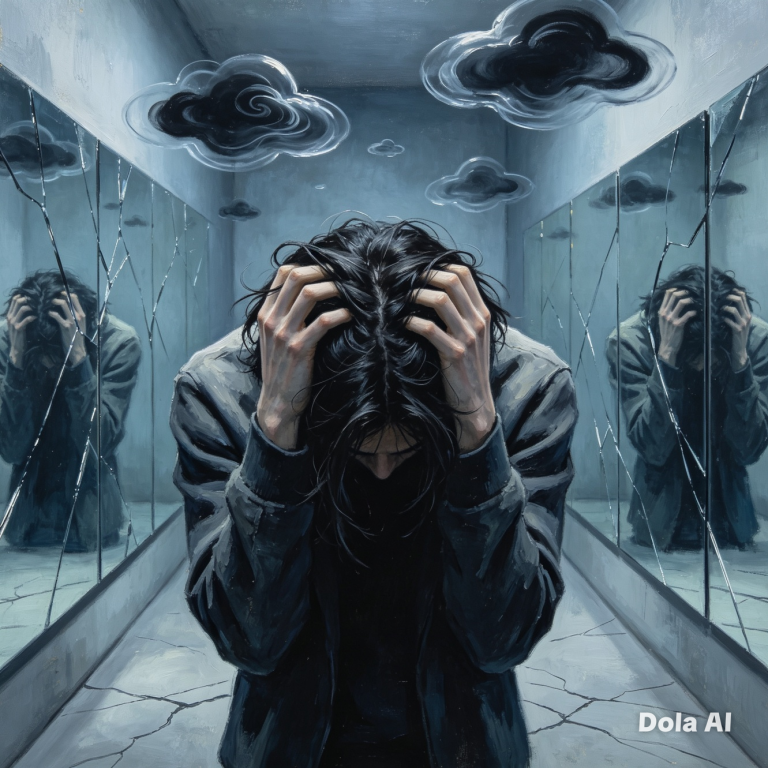
Relationships are meant to bring connection, comfort, and companionship — but for many people, deciding whether to spend time with their partner can feel emotionally complicated. Instead of excitement or peace, they may experience stress, guilt, pressure, or anxiety.
So, in a healthy relationship, should spending time together feel easy? Or is anxiety normal?
The truth is: while occasional nerves and uncertainty are part of human relationships, consistently feeling anxious about spending time with your partner may signal deeper emotional patterns, attachment issues, or relationship imbalances that deserve attention.
Healthy Relationships Usually Feel Safe, Not Stressful
In emotionally healthy relationships, choosing to spend time together generally feels natural and comforting. You look forward to seeing each other because the relationship adds value, emotional safety, and enjoyment to your life.
That does not mean relationships are effortless all the time. Life stress, work, family commitments, and personal struggles can all affect emotional availability. However, healthy connection tends to create more calm than confusion.
Signs spending time together feels healthy include:
- You feel relaxed around your partner
- Communication feels open and honest
- You do not constantly overthink their feelings
- Time together feels emotionally fulfilling
- You can maintain independence without fear
- You want to see each other, not feel obligated to
When a relationship is secure, making plans together typically feels like a positive choice rather than an emotional burden.
Why Can Spending Time Together Cause Anxiety?
Relationship anxiety is surprisingly common. Sometimes the anxiety has little to do with the partner themselves and more to do with personal emotional history, attachment style, or fear of rejection.
Common reasons people feel anxious about spending time with their partner include:
Fear of Losing Independence
Some people worry that prioritising a relationship means losing freedom, hobbies, friendships, or personal identity. This can create internal conflict whenever plans are made.
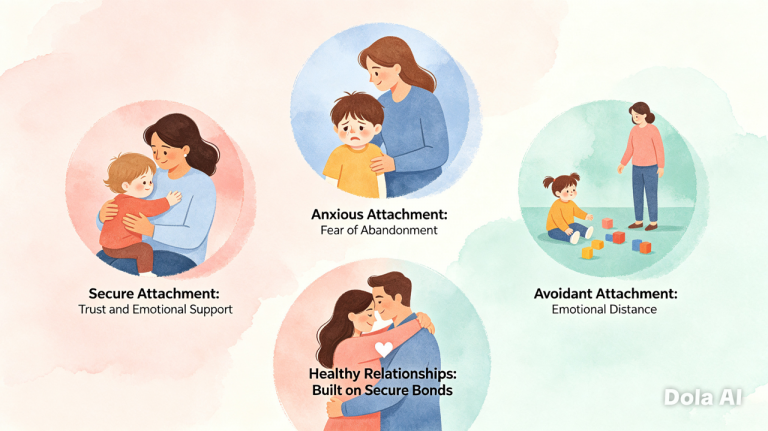
Anxious Attachment Styles
People with anxious attachment often crave reassurance and closeness. Ironically, spending time together can still trigger anxiety because they fear abandonment, rejection, or emotional distance.
Avoidant Attachment Styles
Those with avoidant attachment may care deeply about their partner but feel overwhelmed by emotional closeness or expectations. Spending time together may unconsciously feel like pressure.
Emotional Burnout or Stress
Work stress, parenting responsibilities, poor mental health, or exhaustion can make even healthy social interaction feel emotionally draining.
Unresolved Relationship Problems
If there are ongoing issues such as trust concerns, communication breakdowns, resentment, or mismatched expectations, spending time together may start to feel tense instead of comforting.
Is Anxiety Always a Red Flag?
Not necessarily.
It is completely normal to feel occasional anxiety in relationships, especially during:
- Early dating stages
- Vulnerable conversations
- Conflict resolution
- Major life changes
- Long-distance relationships
- Blending families or lifestyles
Temporary anxiety does not automatically mean the relationship is unhealthy.
The bigger question is this:
Does the relationship create more peace or more emotional distress over time?
Healthy relationships may challenge you emotionally, but they should not leave you consistently feeling unwanted, unsafe, emotionally exhausted, or fearful.
When Spending Time Together Feels Forced
One of the clearest warning signs in a relationship is when quality time consistently feels like an obligation rather than a desire.
This may look like:
- Constantly avoiding plans
- Feeling relief when plans are cancelled
- Viewing communication as draining
- Feeling anxious before seeing your partner
- Prioritising everyone else first all the time
- Feeling emotionally disconnected even when together
If spending time together repeatedly feels stressful, it may indicate:
- Emotional incompatibility
- Different relationship priorities
- Burnout
- Avoidant behaviours
- Unmet emotional needs
- A lack of genuine connection
Healthy Relationships Balance Closeness and Independence
One common misconception is that loving relationships require constant contact or endless time together. In reality, healthy relationships thrive on balance.
Strong couples usually:
- Enjoy spending time together
- Respect each other’s individuality
- Maintain friendships and hobbies
- Communicate openly about needs
- Understand differing social energy levels
Choosing your partner should not feel like sacrificing yourself. Equally, spending time together should not feel like a constant emotional negotiation.
How to Reduce Relationship Anxiety
If anxiety is affecting your relationship, there are healthy ways to address it.
Improve Communication
Open conversations about emotional needs, boundaries, expectations, and fears can reduce misunderstanding and insecurity.
Understand Your Attachment Style
Learning whether you lean anxious, avoidant, or secure can help explain relationship patterns and emotional triggers.
Focus on Emotional Safety
Healthy relationships are built through consistency, honesty, reassurance, and mutual respect.
Maintain Your Own Identity
Continue nurturing friendships, goals, hobbies, and self-care outside the relationship.
Avoid Keeping Score
Relationships become exhausting when every interaction feels transactional or measured.
Seek Support if Needed
Therapy or relationship coaching can help unpack deeper fears, trauma, or communication issues affecting connection.
Final Thoughts
In a healthy relationship, spending time with your partner should generally feel comforting, fulfilling, and emotionally safe — not like a constant source of anxiety.
That does not mean relationships are perfect or anxiety-free. Everyone experiences moments of doubt, stress, or emotional vulnerability. But over time, love should create more security than confusion.
The healthiest relationships are not built on pressure, obligation, or fear. They are built on mutual choice — where both people genuinely want to show up for one another while still remaining true to themselves.