Body Confidence for Men: Breaking the Silence Around Male Body Image
I used to think body confidence was a concept exclusively for women. For so long, the narrative in media, advertising, and even casual conversations revolved around female beauty standards – the flawless skin, the impossibly thin waistlines, the perfect curves. Men, on the other hand, seemed to get a pass. We were expected to be strong, capable, and our physical appearance was secondary to our function. If we weren’t a Greek god, we were practically invisible. But as I’ve navigated the choppy waters of my own self-perception, I’ve come to realize this is a dangerous and isolating myth. The silence surrounding male body image is deafening, and it’s time, for my own sake and for the sake of every man out there, to break it.
I remember a specific moment, probably in my late teens, when the seed of insecurity was firmly planted. It wasn’t a grand pronouncement, or a targeted insult. It was a casual comment from a friend, pointing out my slightly softer build compared to another guy who was clearly hitting the gym with religious fervor. “He’s got that classic ‘dad bod’ already,” he said, with a laugh. At the time, I didn’t fully grasp the implication, but it gnawed at me. I started scrutinizing my own reflection, suddenly aware of the belly that hinted at weekend pizza binges, the lack of chiseled abs that seemed to be the hallmark of masculinity. This wasn’t about vanity; it was about feeling like I was falling short of some unspoken, yet universally understood, ideal of what a man should look like.
The pressure on men isn’t always overt. It’s a subtle, pervasive undercurrent that shapes our perception of ourselves from an early age. We absorb these messages through a thousand tiny cues, and often, we don’t even realize we’re doing it until the weight of them starts to feel unbearable.
The Archetypal Hero: Strength and Immovability
From childhood tales to modern blockbusters, the male protagonist is almost invariably depicted as physically powerful. Hercules, Superman, even the stoic heroes of classic literature – they all possess a certain brawn and resilience.
The “Boy’s Own Adventure” Legacy:
Many of us grew up with stories that celebrated physical prowess as the ultimate male virtue. The ability to fight, to endure, to conquer – these were presented as inherently masculine traits, intrinsically linked to a strong physique. It was a narrative that didn’t leave much room for vulnerability or anything that wasn’t overtly “strong.”
The Fitness Industry’s Allure:
The modern fitness industry, while often promoting health, also perpetuates a narrow ideal. Images of ripped physiques dominate gym advertisements and social media feeds. While aspirational for some, for others, it creates an insurmountable gap between reality and the perceived norm. I’ve certainly felt the pull, the urge to chase that idealized body, only to be met with frustration and disappointment when my progress didn’t mirror the curated images I saw.
The “Manly” Physique: Beyond the Brawn
It’s not just about being strong; it’s about how that strength should manifest. There’s a distinct aesthetic that’s often implied.
Broad Shoulders, Narrow Hips: The V-Taper Ideal
This classic ideal, often seen in comic book characters and in the physique of many male actors, emphasizes a V-shaped torso – broad shoulders tapering down to a narrower waist. It’s a look that signifies power and athleticism, but it can be genetically out of reach for many.
The Absence of “Feminine” Traits:
There’s an unspoken fear, a lingering societal aversion, to anything that might be perceived as feminine. This can extend to body hair, softness of skin, or even a more naturally slender build. The pressure to conform to a hyper-masculine aesthetic often means suppressing or trying to alter any perceived “feminine” characteristics.
In the ongoing conversation about body confidence, it’s essential to recognize the unique challenges men face regarding body image. A related article that delves into the importance of addressing male body image issues is available at this link: Footsteps and Food: J’adore. This piece explores societal expectations and the impact they have on men’s self-esteem, encouraging a more open dialogue about body positivity for all genders.
The Internal Battle: My Own Journey with Body Image
I’ve spent years grappling with my own body image. It’s not a dramatic, outward struggle, but a quiet, persistent internal monologue of self-criticism and comparison.
The Mirror’s Reflection: A Critical Eye
Every morning, I stand in front of the mirror and, consciously or subconsciously, critique myself. I nitpick at the slight softening around my middle, the way my chest sometimes feels a little less firm than I’d like, the perceived imperfections on my skin.
The “What Ifs” and “Should Have Beens”:
My internal dialogue is often filled with “what ifs.” What if I worked out harder? What if I ate differently? What if I had a different body type? It’s a loop of regret and longing, fueled by the comparison to the idealized images I encounter daily.
The Cycle of Disappointment:
This constant self-scrutiny often leads to a cycle of disappointment. I might try to adopt a more rigorous exercise routine or a stricter diet, only to fall short of unrealistic expectations. This then fuels further self-criticism, reinforcing the negative self-image, and making it harder to find motivation to keep trying. I’ve been there so many times, starting with immense enthusiasm and ending with a sense of defeat.
Social Media’s Echo Chamber: Amplifying Insecurities
Social media, while offering connection, can also be a breeding ground for insecurity, especially when it comes to physical appearance. The curated perfection of online profiles creates an illusion of effortless flawlessness.
The Illusion of Perfection:
Scrolling through Instagram or TikTok, I’m bombarded with images of men who appear to have it all: sculpted bodies, perfect skin, and an undeniable aura of confidence. It’s easy to forget that these are often carefully constructed, filtered, and aspirational snapshots, not everyday reality for most people.
The Comparison Trap:
This constant exposure to seemingly perfect physiques inevitably leads to comparison. I find myself comparing my own untrained physique to that of fitness influencers or actors, and the gap often feels immense. This fuels feelings of inadequacy and can lead to a deep sense of not being “good enough.” It’s a mental battle that I know I’m not alone in fighting.
The Cost of Silence: The Real Impact of Unaddressed Male Body Image Issues
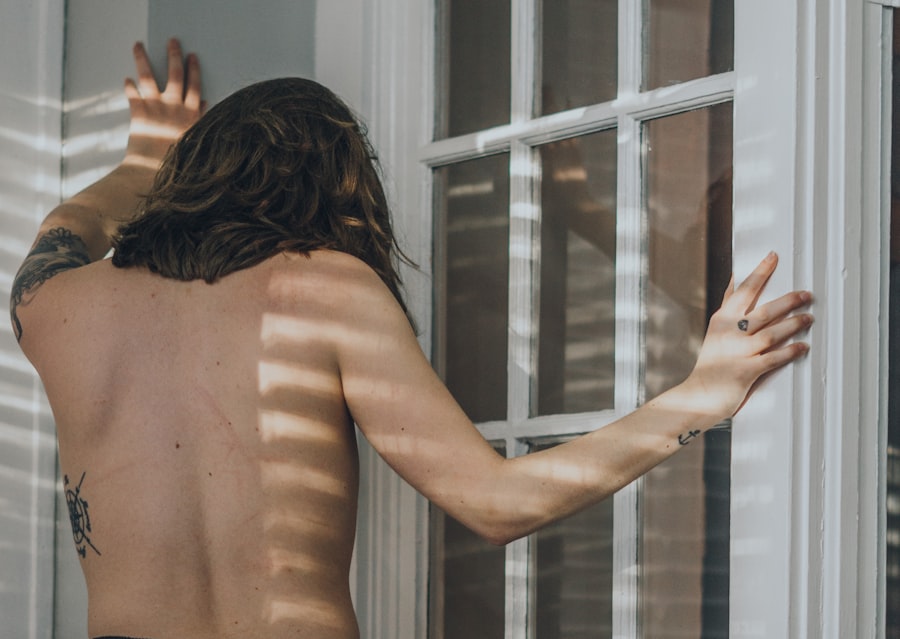
The unspoken nature of male body image issues doesn’t mean they aren’t real or impactful. In fact, the silence often exacerbates the problem, leaving men isolated with their anxieties.
Mental Health Toll: Anxiety, Depression, and Low Self-Esteem
The relentless pressure to conform to an ideal, coupled with the lack of open discussion, can take a significant toll on mental health. Feelings of inadequacy and self-doubt can manifest as anxiety, depression, and a pervasive sense of low self-esteem.
The “Tough Guy” Facade:
There’s a societal expectation for men to be emotionally stoic, to “man up” and not show weakness. This often means internalizing struggles with body image rather than seeking help or expressing these feelings. This can lead to a build-up of negative emotions that have no healthy outlet.
Impact on Relationships and Social Interactions:
When I feel self-conscious about my appearance, it impacts how I interact with others. I might avoid social situations, feel less confident in romantic relationships, or even hesitate to participate in activities like swimming or going to the beach. This can lead to social isolation and a diminished quality of life.
Unhealthy Behaviors and Risky Choices
The desperation to achieve a desired physique can sometimes lead to unhealthy and even dangerous behaviors.
Extreme Dieting and Exercise Regimens:
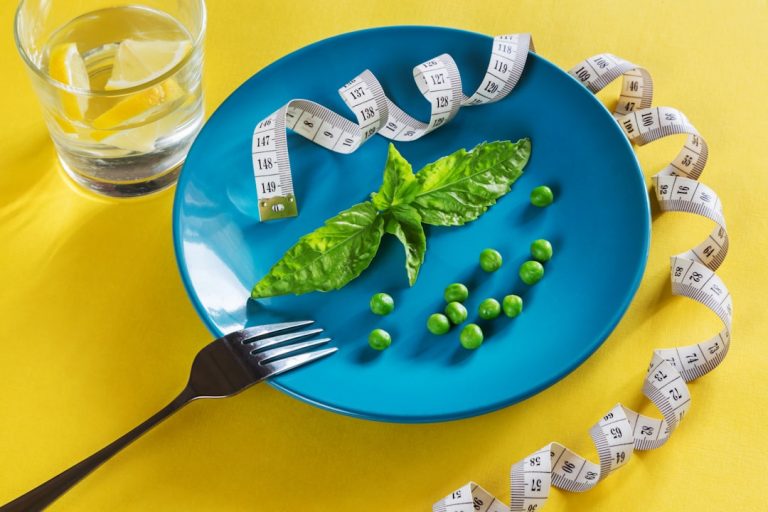
Driven by the desire for rapid results, some men resort to extreme diets or punishing exercise routines that are unsustainable and potentially harmful. This can lead to nutrient deficiencies, burnout, and injuries. I’ve seen friends push themselves to the brink, all in pursuit of a “perfect” body, and the aftermath was never pretty.
The Rise of Appearance-Enhancing Procedures:
While not as widely discussed as in women, there’s a growing trend among men seeking cosmetic procedures like liposuction, pectoral implants, and even hair transplants to achieve a more desirable appearance. This points to the underlying pressure and the lengths some are willing to go to feel adequate.
Breaking the Silence: Paving the Way for Genuine Body Confidence

The first step towards achieving body confidence, for me and for every man, is to acknowledge that these struggles are valid and deserve to be discussed. We need to actively dismantle the internalized shame and start building a more compassionate narrative.
Open Dialogue and Shared Experiences:
Creating safe spaces for men to talk about their body image concerns is crucial. This can happen through conversations with friends, family, therapists, or even online communities. Sharing our experiences helps normalize these feelings and reminds us that we’re not alone.
The Power of Vulnerability:
It takes courage to be vulnerable and admit that you’re not comfortable with your body. But it’s in vulnerability that genuine connection and understanding can be found. When I started sharing my own insecurities with trusted friends, it was like a weight lifted. Their own similar experiences, or simply their empathetic listening, made me feel less like an anomaly.
Normalizing the “Average” Body:
We need to challenge the narrow definition of what constitutes an attractive male body. Celebrating the diversity of male physiques – from the lean and athletic to the strong and sturdy, to the softer and more rounded – is key to fostering acceptance. The “dad bod,” for instance, is now being embraced by some, which is a step in the right direction – celebrating real bodies instead of manufactured ideals.
Shifting the Focus: From Appearance to Well-being
True body confidence isn’t about achieving a perfect physique; it’s about cultivating a healthy relationship with our bodies, regardless of their shape or size.
Embracing Holistic Health:
Focusing on overall well-being – including physical activity for enjoyment, nutritious eating for fuel, and adequate rest – is far more sustainable and ultimately more beneficial than chasing an arbitrary aesthetic goal. It’s about feeling strong, healthy, and capable, not just looking a certain way.
Practicing Self-Compassion:
Learning to be kind to ourselves, to acknowledge our efforts, and to forgive ourselves for perceived shortcomings is a vital part of building body confidence. This means quieting the inner critic and replacing it with a kinder, more supportive voice. This is a continuous practice, a daily choice to be my own advocate.
In exploring the topic of body confidence for men, it is essential to recognize the broader societal influences that shape male body image. A related article discusses the cultural perceptions of masculinity and how they impact self-esteem, shedding light on the often-overlooked struggles men face. For those interested in understanding these dynamics further, you can read more about it in this insightful piece on travel and self-discovery, which highlights how experiences can influence our perceptions of ourselves. Check it out here.
My Personal Commitment: Redefining My Own Body Confidence
This isn’t just an article; it’s a declaration of my own commitment to a healthier and more positive relationship with my body. I am actively choosing to redefine what body confidence means to me, and I hope that by sharing my journey, I can inspire other men to do the same.
Embracing Imperfection: The Beauty in the Real Self
I am learning to appreciate my body for what it can do, not just how it looks. It carries me through my day, allows me to experience the world, and is a testament to my life experiences. The slight imperfections are not flaws; they are part of my story.
Actively Challenging Negative Thoughts:
When that familiar wave of self-criticism starts to creep in, I am making a conscious effort to challenge those thoughts. I remind myself of the progress I have made, the positive attributes I possess, and the fact that my worth is not determined by my waistline.
Celebrating Progress, Not Perfection:
Instead of fixating on unattainable ideals, I am focusing on celebrating small victories and consistent efforts. Acknowledging that I chose a healthy meal, went for a walk when I didn’t feel like it, or simply took a moment to appreciate my body – these are all steps in the right direction.
Building a Supportive Community: Sharing the Journey
I am actively seeking and creating connections with other men who are on a similar journey. This shared experience provides a powerful sense of solidarity and encouragement.
Encouraging Open Conversations:
I am more willing to initiate conversations about body image with male friends, colleagues, and family members. By breaking the ice, I hope to open the door for others to share their own experiences and fears.
Actively Consuming Media That Promotes Diversity:
I am making a conscious effort to support and engage with media that showcases a diverse range of male body types and challenges traditional beauty standards. Amplifying these voices helps create a more inclusive and accepting landscape.
The silence around male body image has been a disservice to so many of us. I am tired of carrying the weight of unspoken insecurities. I am ready to embrace my own body, imperfections and all, and to advocate for a world where all men feel empowered to do the same. This is a journey, not a destination, and I’m committed to walking it with self-acceptance and open eyes.