

How to Stop Comparing Yourself to Others and Feel More Confident
I’ve been there, staring at perfectly curated Instagram feeds, feeling a gnawing sense of inadequacy. I’ve scrolled through LinkedIn, witnessing colleagues seemingly rocket past me in their careers, a cold dread settling in my stomach. The insidious trap of comparing myself to others is one I’ve fallen into countless times, and I know I’m not alone. It’s a habit that erodes self-worth, steals joy, and paralyses progress. But over time, through conscious effort and a shift in perspective, I’ve slowly but surely learned how to dismantle this self-destructive pattern. I’ve discovered strategies that have allowed me to reclaim my confidence and appreciate my own unique journey.
To truly stop comparing myself, I first had to understand why I was doing it in the first place. It wasn’t just a random act; there were deeper psychological underpinnings at play. I realized that my comparisons often stemmed from a place of insecurity or a desire for external validation.
The Illusion of Perfection
One of the biggest culprits, I found, was the pervasive illusion of perfection. Social media, in particular, is a highlight reel. People rarely post their struggles, their setbacks, or their unedited moments. Yet, I subconsciously believed that what I was seeing was the full, unvarnished truth. This created an unfair benchmark against which I was constantly measuring my own messy reality. I was comparing my behind-the-scenes to everyone else’s highlight reels, and it was a battle I was destined to lose every single time. Realizing that everyone, absolutely everyone, has their own struggles and imperfections, even if they don’t broadcast them, was a crucial turning point for me.
The Fear of Missing Out (FOMO)
Another significant factor was FOMO. When I saw friends embarking on exciting trips, achieving career milestones, or celebrating personal victories, an automatic pang of “what about me?” would ripple through me. This fear of being left behind, of not living a life as fulfilling or exciting as others, was a powerful driver for relentless comparison. It made me question my own choices and often led to impulsive decisions or a sense of dissatisfaction with my present circumstances. I started to understand that FOMO was a symptom of a deeper discontent, not the cause.
Societal Pressure and Expectations
I also recognized the immense pressure from society and even my own upbringing to always strive for more, to be better, to achieve certain benchmarks. From academic excellence to career success, from finding a partner to raising a family, there’s a constant stream of external expectations that can implicitly fuel comparison. If I didn’t feel I was meeting those expectations as quickly or as effectively as others, it triggered a wave of self-doubt. I began to realize that these expectations were often arbitrary and didn’t necessarily align with my own values or aspirations.
If you’re looking to enhance your self-confidence and reduce the habit of comparing yourself to others, you might find it helpful to explore related topics that promote self-acceptance and personal growth. One such article is about embracing new experiences and cultures, which can shift your perspective and help you appreciate your unique journey. You can read more about this in the article titled “Welcome to England” at Welcome to England. This piece encourages readers to step out of their comfort zones and celebrate their individuality, ultimately fostering a healthier mindset.
Shifting My Focus Inward
Once I understood the “why” behind my comparison habit, I could start to actively work on changing my perspective. The most powerful shift I made was redirecting my focus from outward observation to inward reflection.
Practicing Self-Awareness
This was a foundational step. I started paying close attention to when and why I was comparing myself. Was it when I was feeling stressed? Lonely? Undervalued? By becoming more aware of these triggers, I could intercept the comparisons before they spiraled. I’d ask myself, “Why am I feeling this way right now?” and often, the answer had more to do with my internal state than anyone else’s external accomplishments. This self-awareness allowed me to acknowledge the feeling without letting it consume me. I started keeping a mental note, sometimes even a physical one in a journal, of these moments. This data helped me identify patterns and develop coping mechanisms tailored to my specific triggers.
Celebrating My Own Progress
Instead of constantly looking at what others had achieved, I began to consciously celebrate my own small victories. I started keeping a “win log,” a simple notebook where I’d jot down anything I was proud of, big or small. Finishing a difficult task at work, learning a new skill, even just having a productive day – everything went in. This tangible record became a powerful antidote to comparison, reminding me of my own unique journey and accomplishments. It reprogrammed my brain to focus on my own trajectory rather than someone else’s.
Defining My Own Success
One of the most liberating realizations I had was that “success” is deeply personal. What one person considers successful might be entirely different from my own definition. I spent time reflecting on my values, my passions, and what truly brings me joy and fulfillment. Once I had a clearer picture of what success meant to me, the external metrics of others held far less sway. I learned to detach from societal definitions of success and create my own personal blueprint. This meant acknowledging that my path might look different, and that was perfectly okay, even desirable.
Cultivating a Mindset of Abundance
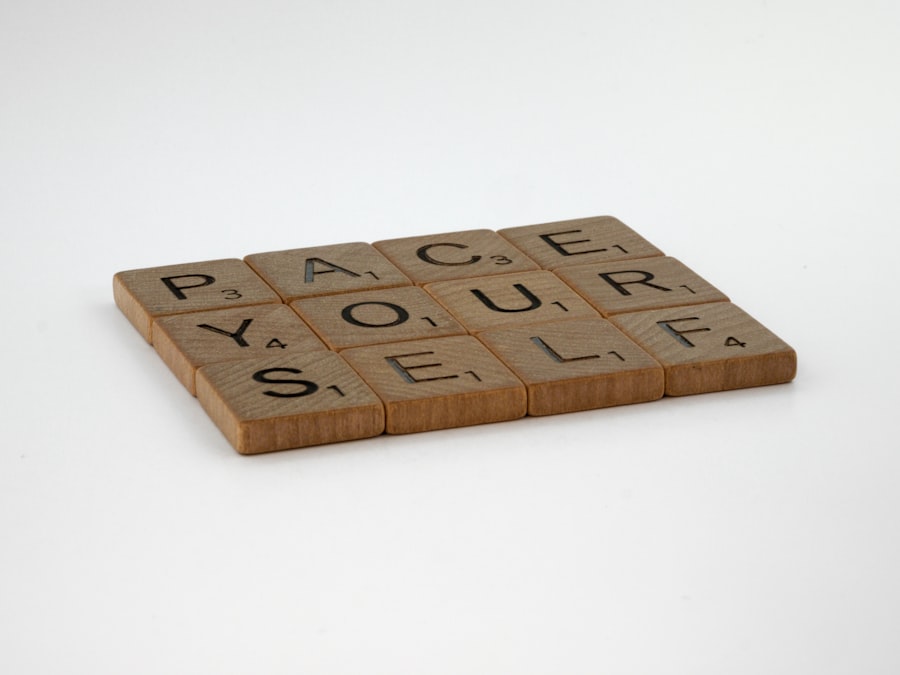
When I was deeply entrenched in comparison, I often operated from a scarcity mindset – the belief that there’s only so much success, happiness, or opportunity to go around. To break free, I had to cultivate an abundance mindset.
Embracing Uniqueness
I started to view myself and others as unique individuals with distinct talents and paths. Instead of seeing someone else’s achievement as a threat to my own potential, I began to see it as a testament to the diversity of human capability. This shift helped me appreciate my own unique strengths and contributions, understanding that my value doesn’t diminish because someone else excels in a different area. I realized that my own journey is a story worth telling, and it doesn’t need to mirror anyone else’s to be significant.
Practicing Gratitude
Gratitude became my secret weapon. By actively practicing gratitude for what I already had – my health, my loved ones, my opportunities – I found less mental space for dwelling on what I perceived others had and I didn’t. Each morning, I make it a point to list at least three things I’m grateful for. This simple practice helps anchor me in the present and reminds me of the richness of my own life, regardless of what’s happening outside of me. It shifted my focus from lack to abundance, from envy to appreciation.
Learning from, Not Envying, Others
Instead of seeing successful people as rivals, I began to see them as sources of inspiration and learning. If someone achieved something I aspired to, I’d ask myself, “What can I learn from their journey? What strategies did they employ? What insights can I glean?” This transformed comparison into a constructive learning process rather than a destructive emotional one. I started reaching out to people I admired, not with envy, but with genuine curiosity, seeking their wisdom and guidance.
Setting Healthy Boundaries
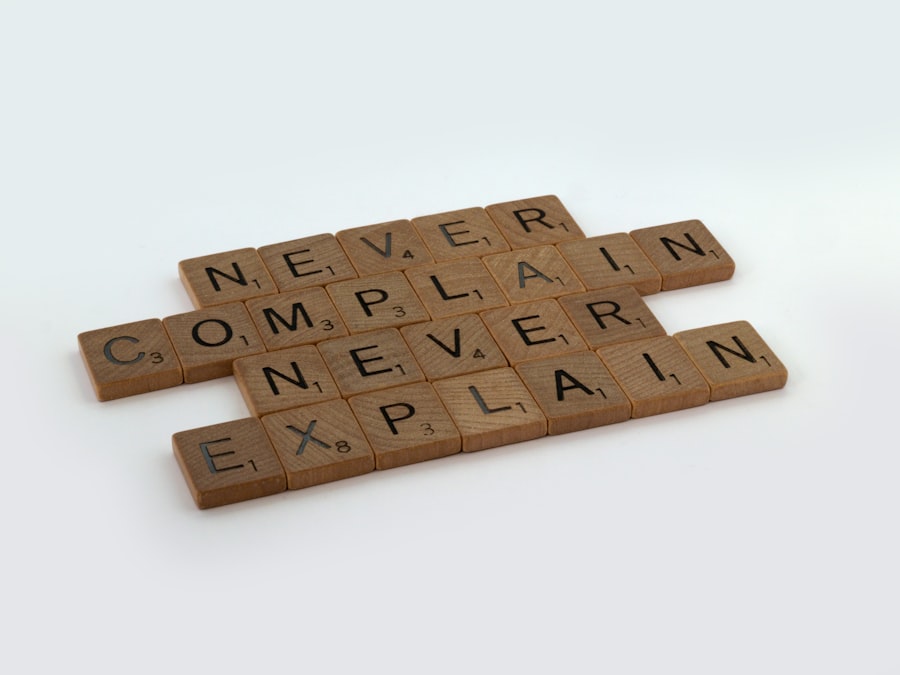
Part of protecting myself from the comparison trap involved setting clear and healthy boundaries, both online and in my personal life.
Mindful Social Media Consumption
Social media was, and sometimes still is, a major trigger for me. I realized that mindless scrolling was detrimental to my mental well-being. I started being more intentional with my social media use. This meant unfollowing accounts that consistently made me feel inadequate, muting stories that triggered negative emotions, and limiting my time on these platforms. I now try to engage with social media with purpose – to connect with friends, learn new things, or find inspiration – rather than just passively consume. I set timers for my usage, and I’ve even deleted apps for periods when I feel particularly vulnerable to comparison. My rule of thumb is: if it doesn’t uplift me or inform me, I don’t need to see it.
Protecting My Energy
I learned to recognize and avoid situations or conversations that fueled my comparative tendencies. This might mean politely excusing myself from conversations saturated with gossip or competitive remarks, or choosing to spend less time with people who consistently put others down or boast excessively. Protecting my emotional and mental energy became a priority, and I realized that some environments simply weren’t conducive to self-confidence. This wasn’t about being antisocial; it was about being fiercely protective of my inner peace.
Saying “No” to Unaligned Opportunities
Sometimes, the desire to keep up with others can lead to saying “yes” to opportunities that don’t truly align with my goals or values. I’ve learned to say “no” more often to things that don’t serve me, even if they seem impressive on someone else’s resume. This frees up my time and energy to focus on what truly matters to me, allowing me to build my own unique path without feeling pressured to conform to external expectations. Saying “no” to something that might look good on paper but doesn’t feel right in my gut is a powerful act of self-respect.
If you’re looking to boost your self-esteem and reduce the habit of comparing yourself to others, you might find it helpful to read a related article that explores practical strategies for enhancing your mental well-being. One such resource can be found at Footsteps and Food, where you can discover various tips and insights that encourage a more positive self-image and promote personal growth.
Cultivating Self-Compassion and Acceptance
Ultimately, the journey to stopping comparison is deeply intertwined with cultivating unwavering self-compassion and acceptance.
Acknowledging Imperfection
I’ve come to terms with the fact that I am not perfect, and I never will be. And that’s okay. My imperfections, my mistakes, and my vulnerabilities are all part of who I am. Instead of viewing them as flaws to be hidden, I try to see them as opportunities for growth and learning. This acceptance liberates me from the exhausting pursuit of an unattainable ideal. I actively challenge my inner critic, replacing harsh self-judgment with kindness and understanding. I remind myself that everyone makes mistakes, and they are not a reflection of my worth.
Focusing on My Own Race
Life is not a race against others; it’s a marathon where I am running my own unique course. I’ve learned to focus on my own progress, my own pace, and my own finish line. My journey is not meant to be identical to anyone else’s, and the moment I stopped looking sideways, I found immense peace and a renewed sense of purpose. I remind myself that my only true competition is the person I was yesterday, and my goal is simply to be a better version of myself today. This internal competition is healthy and motivating, unlike the destructive external one.
Embracing My Authenticity
Perhaps the most profound shift I’ve experienced is the embrace of my own authenticity. When I try to be someone I’m not, or emulate someone else’s path, I lose a piece of myself. By being true to my values, my passions, and my unique personality, I cultivate a deep sense of self-worth that is impervious to external comparison. This authenticity allows me to shine in my own light, without needing to dim anyone else’s. I’ve learned that my true power lies in being unapologetically myself, and that is a confidence that no one can take away. It’s a journey, not a destination, but with every step I take towards embracing my authentic self, the need to compare myself to others diminishes, replaced by a quiet, unwavering confidence.