

Feeling Lost in Life? 10 Ways to Find Yourself Again
Acknowledging the Disorientation
That gnawing feeling in your stomach, the one that whispers, “Is this all there is?” or “Where am I even going?” It’s a familiar companion to many, a subtle dread that something fundamental has shifted, leaving you adrift. You might be excelling in your career, surrounded by loved ones, and outwardly appear to be thriving, yet internally, a hollow echo persists. This isn’t necessarily about grand crises or dramatic turning points; often, it’s a slow erosion of purpose, a gradual detachment from your authentic self. You might find yourself going through the motions, performing roles you no longer connect with, or chasing goals that feel increasingly superficial. It’s a loss of direction, a blurred vision of your own path, and an unsettling sense of not quite knowing who you are or what truly brings you joy.
Perhaps you’ve recently experienced a significant life change – a career shift, a move to a new city, a relationship ending, or even the subtle yet profound shift of entering a new decade. These transitions, while often necessary for growth, can leave you feeling unmoored, as the familiar anchors that once defined you are no longer present. Or perhaps, the feeling has crept in more insidiously, a product of years of putting others first, conforming to expectations, or simply neglecting your own inner landscape. Whatever the catalyst, the feeling of being lost is a signal, a quiet (or sometimes not so quiet) plea from your inner self to pay attention. It’s an invitation, albeit an uncomfortable one, to pause, reflect, and embark on a journey of rediscovery. Resisting this feeling, or trying to drown it out with distractions, only amplifies its persistent hum. Embracing it, however, is the first courageous step towards finding your way back to yourself, or perhaps, for the first time, discovering who you truly are meant to be.
If you’re feeling lost in life and seeking ways to reconnect with yourself, exploring new experiences can be incredibly beneficial. One related article that might inspire you is “50 Best Countries for Outdoor Adventures,” which highlights various destinations where you can immerse yourself in nature and embark on thrilling activities. Engaging with the great outdoors can provide clarity and a fresh perspective, helping you to rediscover your passions and purpose. You can read the article here: 50 Best Countries for Outdoor Adventures.
Reconnecting with Your Core Values
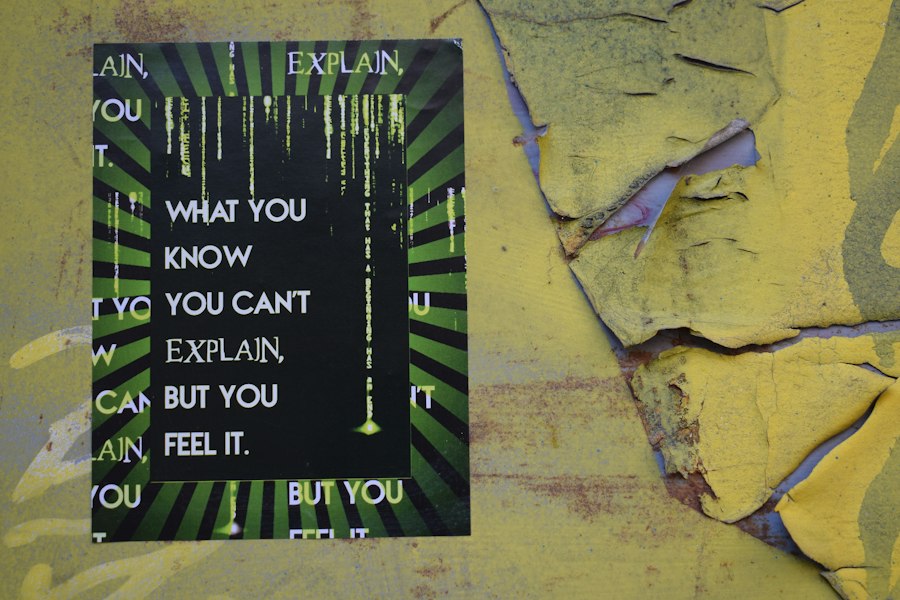
When you feel lost, it’s often because you’ve strayed from your fundamental guiding principles. Your values are like your internal compass; they dictate your actions, your choices, and ultimately, your sense of fulfillment. When you live in alignment with them, you feel a deep sense of peace and purpose. When you don’t, that feeling of unease and disorientation creeps in. Taking the time to consciously identify and reconnect with these core values is a powerful step in finding your way back to yourself.
Identifying What Truly Matters to You
This isn’t about what society tells you should matter, or what your family or friends prioritize. This is about you. Start by making a list. Think about moments when you’ve felt truly alive, deeply satisfied, or profoundly proud. What were the underlying principles at play in those moments? Were you acting with integrity? Contributing to a cause you believed in? Expressing your creativity? Building strong relationships? Conversely, think about times when you’ve felt drained, irritated, or unfulfilled. What values were being violated or neglected in those situations? Common values might include honesty, compassion, creativity, security, adventure, community, personal growth, freedom, integrity, or kindness. Don’t censor yourself; just free-associate and write them down. Once you have a long list, try to group similar ideas and then distill them down to your top 3-5 non-negotiable core values. These are the bedrock of who you are.
Assessing Alignment with Current Life Choices
With your core values firmly in mind, take a critical look at your current life. How do your daily activities, your career, your relationships, and your hobbies align with these values? For example, if creativity is a core value, but your job involves repetitive, uninspired tasks, that’s a misalignment. If community is crucial, but you spend most of your free time isolated, that’s another red flag. Be honest with yourself. This isn’t about judgment, but about awareness. Where are the significant gaps? Where are you compromising your authentic self for external expectations? This assessment can be uncomfortable, as it might highlight areas where significant changes are needed. However, this discomfort is part of the growth process. It’s a necessary step to identify where you’ve drifted off course and to begin charting a new direction that is truer to who you are.
Cultivating Self-Awareness Through Introspection

Self-awareness is the bedrock of personal growth and the antidote to feeling lost. It’s the ability to understand your own emotions, thoughts, strengths, weaknesses, and motivations. Without it, you’re navigating life blindfolded, reacting to external stimuli rather than consciously choosing your path. Developing self-awareness is an ongoing process, a continuous dialogue with your inner self, but it starts with dedicated practices of introspection.
Engaging in Mindful Reflection and Journaling
One of the most effective ways to cultivate self-awareness is through regular mindful reflection. This doesn’t require hours of meditation, though that can certainly help. It can be as simple as taking 10-15 minutes each day to sit quietly and observe your thoughts and feelings without judgment. What emotions are you experiencing? What thoughts are dominating your mind? What physical sensations are present in your body? Simply noticing these things, rather than getting entangled in them, creates a space for understanding. Journaling is a powerful companion to this practice. When you write down your thoughts and feelings, you externalize them, allowing you to see them from a different perspective. Don’t worry about perfect grammar or profound insights; just write freely. You can respond to prompts like: “What brought me joy today?” “What challenged me?” “What am I grateful for?” “What did I learn about myself today?” “What am I avoiding?” Over time, you’ll begin to notice patterns, recurring themes, and deeper insights into your inner workings. This written record becomes a map of your internal landscape, helping you identify what truly resonates with you and what drains your energy.
Seeking Feedback from Trusted Sources
While introspection is crucial, an entirely internal perspective can sometimes be limited. We all have blind spots. Seeking honest, compassionate feedback from people you trust can provide invaluable external insights. These might be close friends, family members, mentors, or even a therapist. Approach these conversations with an open mind and a genuine desire to understand yourself better. Ask questions like: “What are my strengths, from your perspective?” “What do you see as my most challenging areas?” “When do you see me at my best?” “Are there any patterns in my behavior that you’ve noticed that I might be unaware of?” It’s important to choose individuals who will offer constructive feedback, not just praise or criticism. Not all feedback will resonate, and that’s okay. Your job is to listen, reflect, and integrate what feels true and helpful, discarding what doesn’t. This external perspective, when combined with your internal reflection, creates a more holistic and accurate picture of who you are, helping you identify areas for growth and reaffirming your positive qualities.
Embracing Experimentation and Curiosity
Feeling lost often stems from a fear of the unknown, a reluctance to step outside established routines or perceived identities. To find yourself again, you need to cultivate a spirit of experimentation and rekindle your innate curiosity. Life isn’t a linear path, and sometimes the best way to discover where you’re meant to go is to try a few different routes.
Trying New Hobbies, Activities, or Learning Experiences
When you’re stuck in a rut, even a comfortable one, your world can shrink. Expand it by intentionally trying new things. This doesn’t mean you need to quit your job and travel the world (though if that calls to you, go for it!). It can be much simpler. Sign up for a pottery class, join a book club, try a new sport, learn a new language, take an online course in a subject that vaguely interests you, or volunteer for a cause you care about. The goal isn’t necessarily to find your next lifelong passion, although that could happen. The primary aim is to expose yourself to new stimuli, meet different people, and engage parts of your brain or your being that might have been dormant. You might discover hidden talents, unexpected interests, or simply gain a fresh perspective on certain challenges. Each new experience provides data points about what energizes you, what drains you, what challenges you in a good way, and what truly brings you joy. This process of elimination and discovery is crucial for refining your understanding of yourself and what you want from life.
Breaking Out of Routine and Comfort Zones
Routines offer stability, but they can also become restrictive cages, preventing you from discovering new aspects of yourself. If you feel lost, it’s a strong indicator that some aspects of your routine might be contributing to that feeling. Start small. Take a different route to work, try a new restaurant, speak to someone you wouldn’t normally approach, or spend a weekend without a predefined plan. These small shifts disrupt your usual patterns and open up space for novelty and spontaneity. Pushing beyond your comfort zone, even slightly, builds resilience and shows you what you’re capable of. It’s in these moments of slight discomfort that true growth often occurs. Perhaps you’ll discover a hidden strength, a new way of thinking, or a previously unnoticed passion. The key is to approach these experiments with an attitude of curiosity, rather than judgment. There’s no right or wrong outcome; every experience, positive or negative, provides valuable information for your journey of self-discovery. This willingness to explore and to be a beginner again is a powerful antidote to feeling stuck and lost.
If you’re feeling lost in life and seeking ways to reconnect with yourself, you might find it helpful to explore related topics that delve into mental health challenges. For instance, an insightful article on managing emotions can provide valuable strategies for those grappling with feelings of anxiety and depression. You can read more about this in the article on depression, anxiety, and ADHD, which offers practical advice that complements the ten ways to find yourself again.
Setting Intentional Direction and Practicing Self-Compassion
Once you’ve embarked on the journey of self-discovery, acknowledging your disorientation, reconnecting with your values, and cultivating self-awareness through experimentation, the next crucial step is to start intentionally steering your ship. This doesn’t mean having a fully detailed map, but rather setting a general direction based on your newfound insights, while also treating yourself with kindness along the way.
Defining Small, Achievable Goals Towards Your Vision
Feeling lost can be overwhelming because the path forward seems so vast and undefined. To combat this, break down your larger aspirations into smaller, more manageable steps. Based on your identified values and insights from your experiments, what’s one small action you can take this week that moves you even a millimeter closer to feeling more aligned or purposeful? If you’ve discovered creativity is a core value but you haven’t touched a paintbrush in years, a small goal might be to buy a sketchpad and some pencils, or to dedicate 15 minutes to doodling each day. If connection with nature resonated, it could be a 30-minute walk in a local park. If personal growth is key, maybe it’s reading one chapter of a non-fiction book that challenges your perspective. These small wins build momentum, create a sense of accomplishment, and provide concrete evidence that you are capable of change and that progress is being made. Don’t worry about having a perfect five-year plan. Focus on the next logical, achievable step. Regularly review your goals and adjust them as you learn more about yourself and what truly lights you up. This iterative process allows for flexibility and growth, preventing you from feeling stuck again if your initial direction needs tweaking.
Practicing Patience and Self-Kindness on the Journey
Finding yourself is not a destination; it’s an ongoing journey. There will be moments of clarity and moments of confusion. There will be steps forward and perceived steps backward. During these times, it is absolutely crucial to extend compassion to yourself. You wouldn’t berate a lost traveler for not knowing the exact way; you’d offer them a map, directions, or a kind word. Treat yourself with the same empathy. Acknowledge that feeling lost is a human experience, not a personal failing. Avoid self-criticism and harsh judgment. When you falter, or when a new experiment doesn’t yield the results you hoped for, resist the urge to deem yourself a failure. Instead, view it as a learning opportunity. What did this experience teach you? What can you adjust for next time? Celebrate small victories, forgive yourself for missteps, and understand that growth takes time. This journey requires immense courage and vulnerability. Nurturing yourself through this process with kindness and patience will not only make it more bearable but also more sustainable, ensuring that you build a solid foundation of self-acceptance and resilience as you continue to discover and rediscover the authentic you.