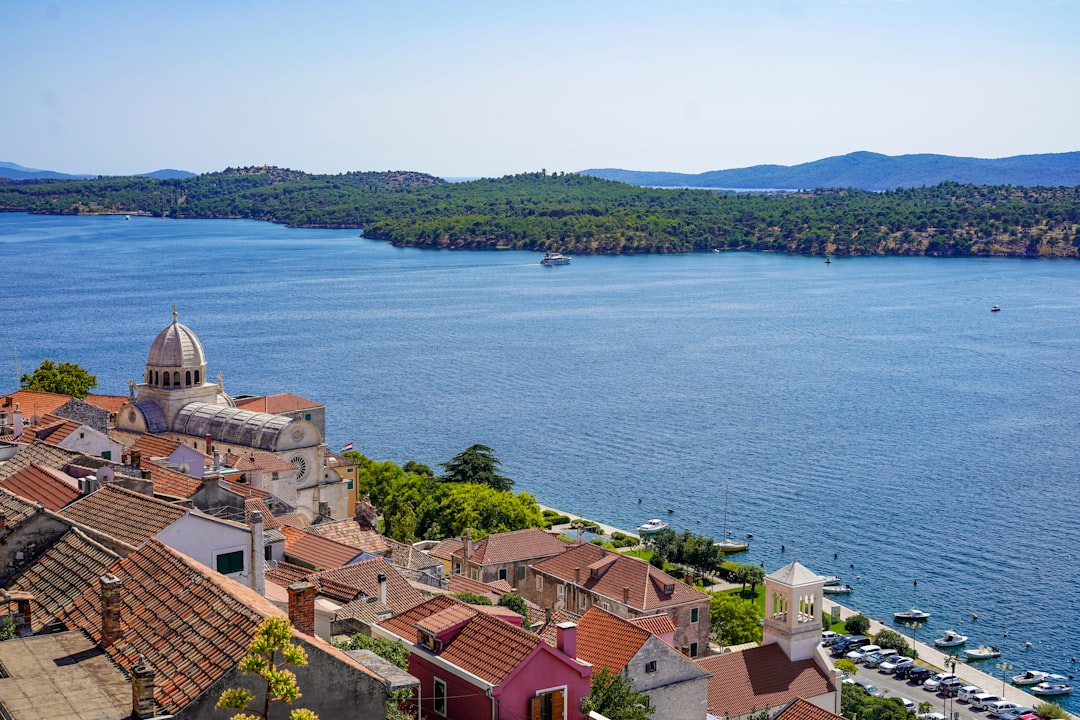
How to Plan the Perfect Croatia Road Trip
I’ve always been a solo traveler at heart, and the open road, with its promise of discovery, calls to me like a siren song. There’s something undeniably freeing about packing my bags, grabbing the keys, and setting off on an adventure entirely on my own terms. Over the years, I’ve honed my road trip planning to a fine art, and when Croatia beckoned with its sapphire waters, ancient cities, and verdant landscapes, I knew exactly how I wanted to experience it: behind the wheel, making my own itinerary. This isn’t just about getting from point A to point B; it’s about savoring every detour, every unexpected vista, every local encounter. Here’s how I meticulously crafted what became, for me, the perfect Croatia road trip.
Before I even considered booking a flight, I dedicated a significant amount of time to the preliminary planning stages. This is where I lay the groundwork for a smooth and enjoyable trip, preventing headaches down the line.
Defining My Travel Style and Priorities
First things first, I had to be honest with myself about what I wanted from this trip. Was I seeking relaxation or adventure? History or nature? A bustling city vibe or quiet coastal towns? For me, Croatia offered a tantalizing blend of all of these, and I wanted to experience as much as possible without feeling rushed. My ideal pace is a leisurely one, allowing for spontaneous stops and deep dives into local culture. I prioritized stunning natural beauty, historical sites, and, of course, delicious food. I also knew I wanted to avoid the peak summer crowds of July and August, preferring the shoulder seasons for their milder weather and fewer tourists. This decision immediately narrowed down my potential travel dates and influenced my route.
Researching Flights and Car Rentals
Once I had my travel style and approximate dates in mind, I dove into flight research. I compared various airlines and departure airports, always keeping an eye out for direct flights to Zagreb or Split, as those tend to be the most common entry points for road trippers. I’ve found that booking flights a few months in advance usually offers the best deals.
Simultaneously, I started my car rental hunt. This is a critical component of any road trip. I always opt for a reputable international car rental company, even if it means paying a little more. Their cars are typically well-maintained, and their customer service is generally more reliable should any issues arise. I also consider the size of the car; for Croatia’s often narrow and winding roads, especially in older towns, a compact or mid-size car is usually my preferred choice. Automatic transmission is a must for me – I want to enjoy the scenery, not wrestle with a gear stick on unfamiliar terrain. I also made sure to inquire about unlimited mileage and comprehensive insurance coverage, including a zero-deductible option. Understanding the fuel policy (full-to-full is always my preference) and any potential one-way rental fees if I planned to pick up in one city and drop off in another was also crucial. For Croatia, an International Driving Permit (IDP) is technically required for non-EU citizens, so I made sure to obtain one before my departure.
Crafting My Ideal Itinerary (and a Backup)
This is where the real fun began! I spent hours poring over maps, travel blogs, and guidebooks, sketching out potential routes. My initial thought was to hug the coastline, and while that remained a strong thread, I quickly realized Croatia offered so much more. I aimed for a balanced itinerary, incorporating highlights like Dubrovnik, Split, Plitvice Lakes, and Rovinj, but also weaving in lesser-known gems.
My core route shaped up to be a roughly two-week journey, starting in Zagreb, heading inland to Plitvice, then down the coast, stopping at various towns and islands, and finally ending in Dubrovnik. I ensured each leg of the journey was manageable, typically no more than 3-4 hours of driving per day, allowing ample time for exploration. I also built in buffer days. Unexpected road closures, a sudden desire to linger longer in a particular spot, or even just a needed rest day can derail a packed itinerary. Having a day or two “in reserve” meant I didn’t feel pressured or rushed. I also had a mental backup plan for each major stop, knowing that flexibility is key to an enjoyable road trip. For example, if I couldn’t get a reservation at a specific restaurant, I already had a few others in mind.
If you’re looking to enhance your Croatia road trip experience, you might find the article on overcoming travel challenges particularly useful. It offers valuable tips and insights that can help you navigate any obstacles you may encounter along the way. For more information, check out the article here: Overcoming Travel Challenges.
Navigating the Croatian Roads: What I Learned on the Go
Driving in a foreign country can be daunting, but with a little preparation and respect for local customs, it quickly becomes second nature.
Understanding Croatian Road Rules and Road Conditions
Before I even touched the steering wheel, I familiarized myself with Croatian road signs and basic rules. Driving on the right side of the road was the same as back home, which was a relief. I paid attention to speed limits, which are generally 50 km/h in urban areas, 90 km/h on open roads, and 130 km/h on highways. Headlights are required at all times during the winter months, and while not mandatory in summer, I found it was a good habit to keep them on for visibility.
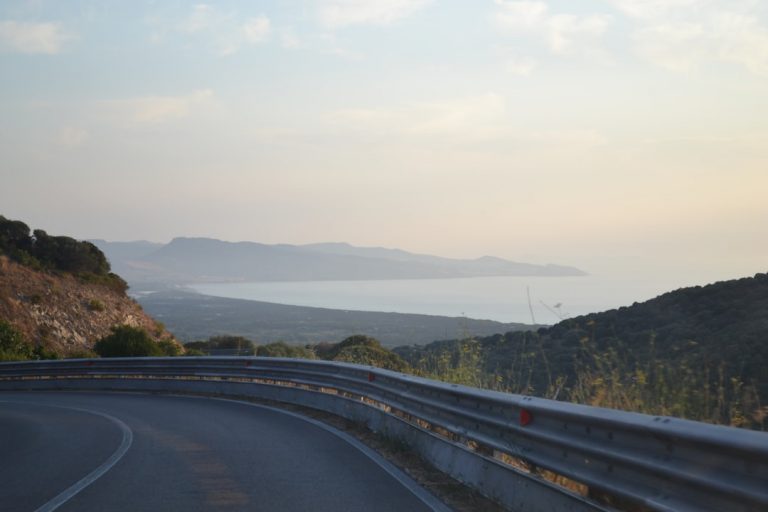
The quality of Croatian roads is generally excellent, especially the major highways (A roads). These are well-maintained, multi-lane, and feature modern rest stops. However, once I ventured off the main routes, particularly into smaller villages or coastal towns, the roads could become narrower, winding, and sometimes steep. I learned to appreciate a steady hand on the wheel and a keen eye for oncoming traffic around blind bends. Parking could be a challenge in popular old towns, often requiring paid parking or a bit of a walk from the designated parking areas. I always factored this extra time into my plans.
The Toll Road System
Croatia utilizes a toll road system on its motorways, which are efficient and connect major cities. When entering a toll road, I’d take a ticket from the machine, and then pay at the exit booth, either with cash (Kuna or Euro are usually accepted, though Kuna is preferred for better exchange rates) or credit card. I found the system straightforward, and the tolls weren’t excessively expensive. I always made sure to have some smaller denominations of cash on hand, just in case.
Essential Navigation Tools
While I loved the idea of a paper map for novelty, in practice, robust navigation tools were my best friends. My primary navigation method was Google Maps on my smartphone. I always downloaded offline maps of the areas I’d be driving through, just in case I encountered patchy signal. I also considered bringing a standalone GPS device, or ensuring my rental car had one, as a reliable backup. For peace of mind, a physical map of Croatia was always tucked away in my glove compartment, allowing me to get a broader overview of regions and quickly pivot if needed.
Accommodation and Dining: My Personal Touches
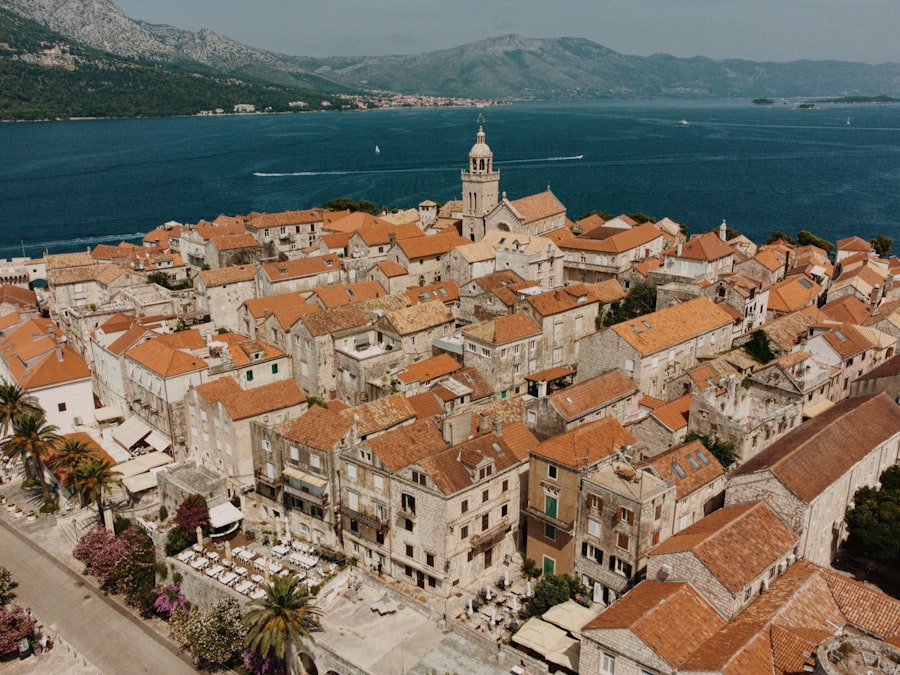
Finding the right places to rest my head and satisfy my appetite is vital for overall trip enjoyment. I approached these aspects with a blend of practical research and a desire for genuine local experiences.
Booking My Stays in Advance
Given my preference for the shoulder seasons, I found that booking accommodation a few months in advance gave me the best choice and often better prices. I used a combination of Booking.com and Airbnb to find my lodgings. I looked for places with good reviews, free parking (a non-negotiable for a road trip!), and a location that allowed for easy exploration without getting stuck in heavy traffic.
I opted for a mix of accommodation types: charming guesthouses in smaller towns, boutique hotels in cities for a touch of luxury, and even a couple of self-catering apartments that allowed me to cook some of my own meals using fresh local produce. This variety kept things interesting and gave me different perspectives on Croatian life. Being a solo traveler, I also appreciated places that felt safe and welcoming.
Savoring Croatian Cuisine Beyond the Tourist Traps
Food is a huge part of travel for me. I wanted to move beyond the ubiquitous pizza and pasta and truly immerse myself in Croatian culinary traditions. My strategy involved a few key approaches.
Firstly, I extensively researched local specialties for each region I was visiting. Along the coast, that meant fresh seafood – grilled fish, black risotto (crni rižot), and scampi. Inland, I looked for peka (meat and vegetables slow-cooked under a bell-like dome), štrukli (a cheesy pastry from Zagreb), and hearty goulash.
Secondly, I made an effort to seek out konobas. These traditional Croatian taverns often offer authentic, home-style cooking at reasonable prices. I’d look for ones a little off the main tourist drag, or those recommended by locals. Asking my guesthouse hosts for their favorite local eateries proved to be an invaluable tip.
Finally, I embraced the joy of local markets. They’re a feast for the senses and an ideal place to pick up fresh fruit, cheese, cured meats, and freshly baked bread for roadside picnics or simple dinners at my apartment. This not only saved money but also allowed me to sample ingredients at their freshest.
Must-Visit Spots on My Croatian Road Trip
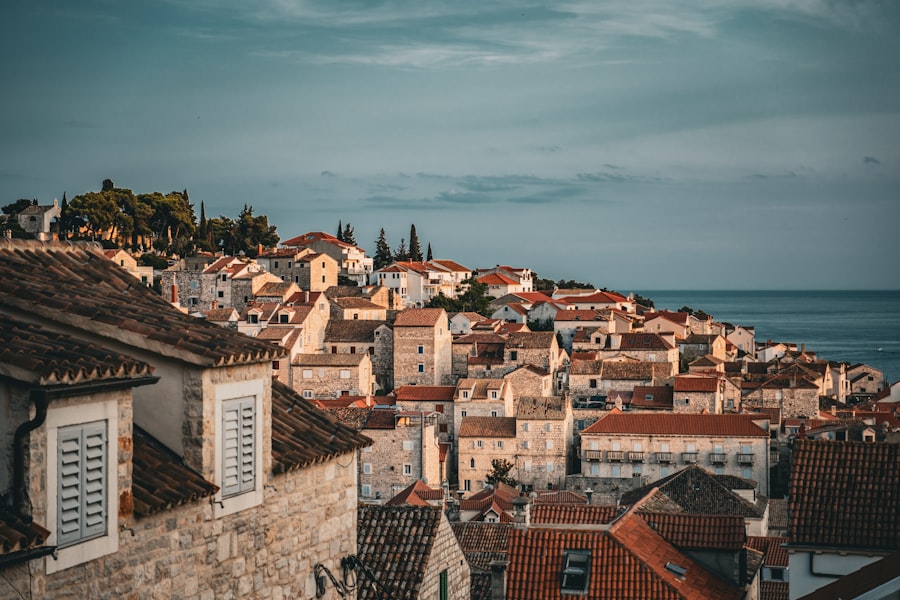
My itinerary was packed, but carefully paced, ensuring I could truly experience each location rather than just rushing through.
Zagreb: A Charming Capital Introduction
My journey began in Zagreb, a city I quickly fell in love with for its Austro-Hungarian architecture, vibrant café culture, and laid-back atmosphere. I spent a couple of days here, exploring the Upper Town (Gornji Grad) with its iconic St. Mark’s Church, wandering through the lively Dolac Market, and enjoying strolls through the numerous parks. The Museum of Broken Relationships was a surprisingly poignant and unique experience. Zagreb, while perhaps not as famous as the coastal cities, offered me a delightful and authentic introduction to Croatia before I hit the open road.
Plitvice Lakes National Park: Nature’s Masterpiece
From Zagreb, I drove inland to Plitvice Lakes National Park, a UNESCO World Heritage site and an absolute must-see. I booked my accommodation just outside the park entrance, allowing me to arrive early and beat some of the crowds. The cascading waterfalls, turquoise lakes, and lush greenery are simply breathtaking. I spent an entire day hiking the well-marked trails, taking boat rides across the larger lakes, and just soaking in the incredible natural beauty. It was a long day of walking, but utterly rewarding.
Split: Ancient History Meets Modern Life
Continuing south, I arrived in Split, a city that immediately captivated me with its Roman heritage. Diocletian’s Palace, a UNESCO site, isn’t just a ruin; it’s a living, breathing part of the city, with shops, restaurants, and apartments nestled within its ancient walls. I got lost (in the best possible way) in its labyrinthine streets, climbed to the top of the Cathedral of St. Domnius for panoramic views, and enjoyed evenings along the Riva promenade. From Split, I also took a day trip to Krka National Park, another stunning waterfall system, which felt a little less crowded than Plitvice and offered the chance for a refreshing swim directly below some of the falls.
Dubrovnik: The Pearl of the Adriatic
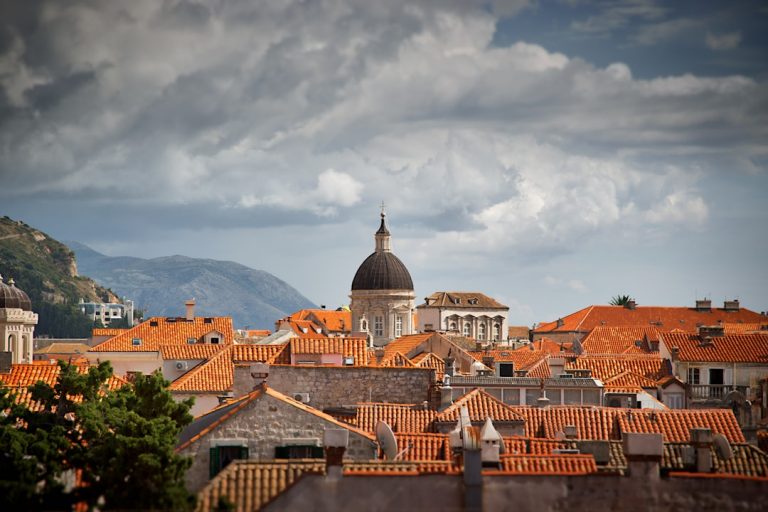
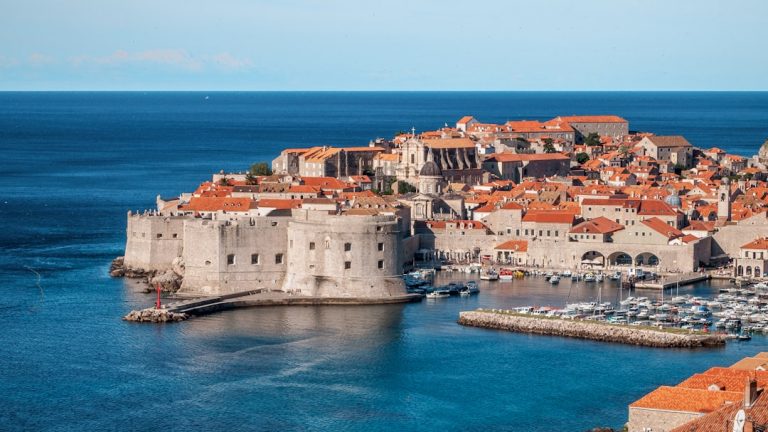
My road trip culminated in Dubrovnik, a city I had dreamed of visiting for years. Its iconic city walls, glistening against the endless blue of the Adriatic, did not disappoint. I spent hours walking along the walls, taking in the panoramic views of the Old Town rooftops and the shimmering sea. I explored the Stradun, visited the Rector’s Palace, and even took the cable car up Mount Srđ for a truly spectacular sunset view. While Dubrovnik can be crowded, especially with cruise ship passengers, arriving earlier in the morning or later in the afternoon allowed me to experience its magic with a little more tranquility. I chose accommodation just outside the city walls, which offered fantastic views and was a comfortable walk to the Pile Gate.
If you’re considering a road trip through the stunning landscapes of Croatia, you might also find it helpful to explore tips on enhancing your self-esteem during your travels. A related article offers valuable insights that can boost your confidence as you navigate new experiences and cultures. For more information, check out this article on self-esteem and discover how to make the most of your journey.
Practical Tips for My Solo Journey
Traveling solo requires a bit more foresight, and I’ve developed some strategies over the years that served me well in Croatia.
Staying Connected and Safe
Reliable internet access was crucial for navigation, booking, and keeping in touch with loved ones. I usually purchased a local SIM card upon arrival, which offered affordable data plans. This allowed me to use Google Maps, access online banking, and quickly look up information.
Safety is always a priority when I travel alone. Croatia generally feels very safe, but I still took standard precautions. I avoided walking alone in poorly lit areas at night, kept my valuables out of sight, and informed a friend or family member of my daily itinerary. I also always had a fully charged phone and a portable power bank. My car was always locked, and I never left valuables visible inside.
Packing Smart and Efficiently
For a road trip, efficient packing is key. I opted for a soft-sided duffel bag instead of a hard suitcase, as it was easier to fit into various car trunks and hotel rooms. My packing list always includes layers of clothing for varying temperatures, comfortable walking shoes, a good quality universal adapter, essential medications, sunscreen, a hat, and a reusable water bottle. Given Croatia’s stunning coastline, swimwear was also high on my list! I also brought a small first-aid kit for minor cuts and scrapes.
Embracing Flexibility and Spontaneity
While my meticulous planning laid a solid foundation, I’ve learned that the most memorable moments on any road trip often come from embracing the unexpected. A chance encounter with a local recommending a hidden cove, a breathtaking viewpoint that required an unplanned detour, or simply lingering longer in a town I particularly enjoyed. My itinerary was a guide, not a rigid set of rules. I allowed myself the freedom to pull over for a photograph, stop at a roadside stand selling local produce, or extend my stay in a place that truly captured my heart. This flexibility is, for me, the very essence of a perfect road trip.
My Croatian road trip was an unforgettable adventure, a tapestry woven with stunning landscapes, rich history, and warm encounters. Planning it myself, down to the smallest detail, gave me a profound sense of ownership and allowed me to tailor every aspect to my personal desires. And as I drove away from Dubrovnik, watching the old city fade into the rearview mirror, I already knew I’d be returning to discover more of Croatia’s magic, one road at a time.