The Ultimate Croatia Travel Guide for First-Time Visitors
Croatia. The name itself conjures images of sapphire waters, ancient cities dusted in sunlight, and islands whispering tales of centuries past. I’d dreamt of visiting for years, poring over travel magazines and gazing at curated Instagram feeds, but it wasn’t until this past summer that my dream finally materialized. And let me tell you, it was everything I’d imagined and more. If you’re a first-time visitor, like I was, the sheer beauty and diversity of this Adriatic gem can feel a little overwhelming. But fear not! I’m here to share my hard-won wisdom, the lessons learned from my own adventure, and to equip you with the ultimate travel guide to make your Croatian sojourn unforgettable.
Stepping off the plane in Dubrovnik, I was immediately struck by the air – a heady mix of sea salt, pine, and something indefinably ancient. It’s a sensory overload, but in the best possible way. Croatia isn’t just a destination; it’s an experience that washes over you, pulling you into its rhythm. For my first-time visit, I knew a well-thought-out plan was essential, not to over-schedule, but to ensure I made the most of my precious time.
Unpacking the Essentials: When to Go and Where to Start
The eternal question for any traveler: when is the “best” time to visit? For me, the shoulder seasons – late spring (May-June) and early autumn (September-October) – offer the perfect sweet spot. I opted for September, and it was a revelation. The summer crowds had thinned, the seas were still warm enough for a dip, and the days remained delightfully sunny.
Spring’s Gentle Awakening
If you prefer fewer people and blooming landscapes, spring is your friend. The weather is generally pleasant, perfect for exploring coastal towns and national parks before the peak summer heat. Think wildflowers in full bloom and a more relaxed atmosphere.
Summer’s Sun-Kissed Charm
Summer (July-August) is undeniably Croatia’s peak season. The atmosphere is electric, the beaches are buzzing, and ferry schedules are at their most frequent. However, be prepared for larger crowds and higher prices. If you crave the vibrant energy and a guaranteed sun tan, this is your time.
Autumn’s Golden Embrace
As I discovered, autumn is a magical time. The light softens, casting a golden hue over the historic stone buildings. The water retains its warmth, and the landscapes are painted in beautiful autumnal colors. It’s ideal for hiking and city breaks.
Winter’s Quiet Allure
While less common for typical tourist itineraries, winter offers a different kind of charm. It’s a time for cozy cafes, fewer tourists, and a chance to experience Croatia at its most authentic. Cities like Dubrovnik and Split are still beautiful, though some islands might feel a bit too quiet.
Choosing where to begin your Croatian adventure is a delightful dilemma. My instinct, and one I highly recommend, is to start in the south. Dubrovnik, with its iconic walled city, is a breathtaking introduction. From there, you can easily hop between islands or head north along the coast, absorbing the evolving landscapes and cultural nuances.
Navigating the Logistics: Flights, Ferries, and Getting Around
Getting to Croatia is relatively straightforward, with major international airports in Dubrovnik, Split, and Zagreb, as well as smaller ones in Zadar and Pula. Once you’re there, Croatia is remarkably well-connected, especially along the coast.
Flights into the Adriatic
I flew into Dubrovnik, and the approach itself was stunning, with glimpses of the turquoise Adriatic below. I found booking my flights well in advance, especially for shoulder season travel, secured the best deals.
The Romance of Ferries
The ferry system is a cornerstone of Croatian travel, connecting the mainland to its numerous islands. Jadrolinija is the main ferry operator, and their website is invaluable for checking schedules and booking tickets, especially for longer routes or specific catamaran services.
Understanding the Currency and Connectivity
Croatia officially adopted the Euro on January 1, 2023, which simplifies things considerably for many travelers. Cash is still useful for smaller purchases, but credit cards are widely accepted in most establishments.
Staying Connected
Purchasing a local SIM card upon arrival is an inexpensive way to stay connected, offering affordable data for navigation, communication, and sharing your adventures. Wi-Fi is also readily available in most hotels, cafes, and restaurants.
For those planning a trip to Croatia and seeking additional travel insights, you might find the article on Iceland travel tips equally valuable. It offers a comprehensive overview of what to expect when visiting Iceland, from stunning landscapes to local cuisine, which can complement your Croatian adventure. Check it out here: Iceland Travel Tips.
Dubrovnik: Stepping into a Fairytale
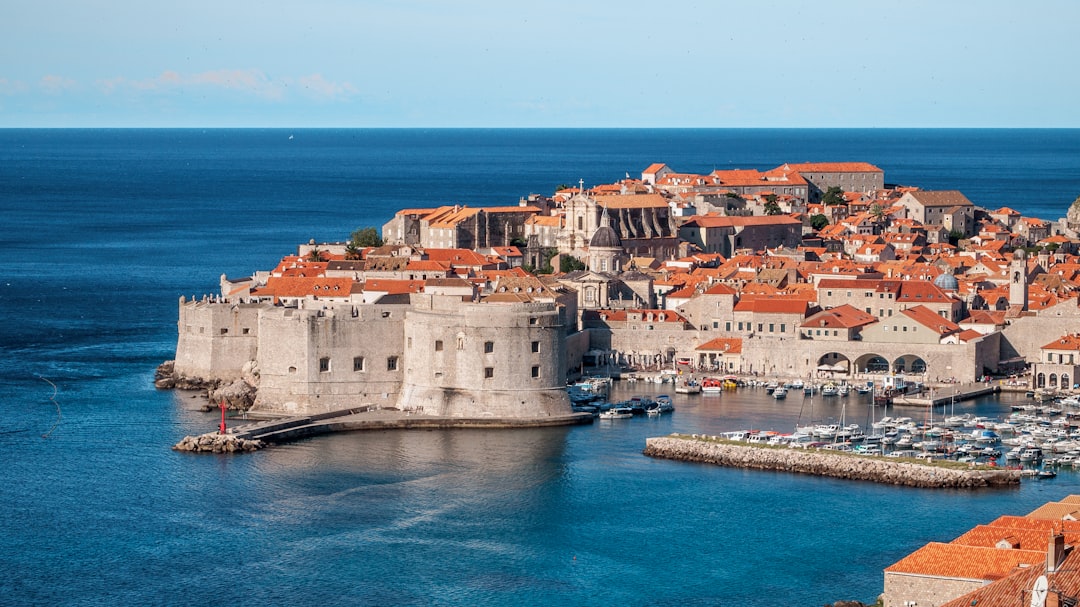
My Croatian journey began in Dubrovnik, and it’s an experience I’ll never forget. The moment I walked through the Pile Gate and into the heart of the Old Town, I felt as though I’d stepped back in time. This UNESCO World Heritage site is a living, breathing museum, and exploring its ancient walls is an absolute must.
The Iconic City Walls: A Historical Promenade
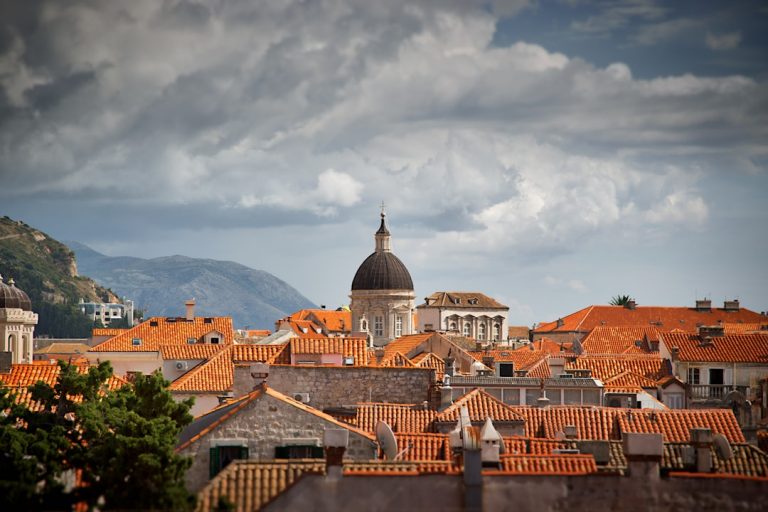
Walking the Dubrovnik city walls is more than just a sightseeing activity; it’s a pilgrimage. The 2-kilometer circuit offers unparalleled views of the terracotta rooftops, the shimmering Adriatic Sea, and the surrounding islands. I dedicated a good half-day to this, taking my time, stopping for photos, and simply soaking in the atmosphere.
Timing is Everything
To avoid the midday sun and the biggest crowds, I recommend walking the walls either first thing in the morning or in the late afternoon. The light is also more photogenic during these times.
What to Bring
Comfortable walking shoes are non-negotiable! Also, bring plenty of water, sunscreen, and a hat.
Exploring the Old Town’s Labyrinthine Charm
Beyond the walls, the Old Town is a magical maze of narrow cobblestone streets, hidden courtyards, and charming squares. I spent hours simply getting lost, discovering tucked-away churches, lively cafes, and artisan shops.
Stradun: The Heartbeat of the City
This magnificent limestone-paved street, the main promenade of Dubrovnik, is a vibrant hub of activity. Lined with shops, cafes, and restaurants, it’s the perfect place to wander, people-watch, and enjoy a gelato.
Rector’s Palace and the Cathedral
These historical landmarks offer a glimpse into Dubrovnik’s rich past as a powerful maritime republic. The Rector’s Palace, in particular, is a stunning example of Gothic-Renaissance architecture.
Lokrum Island: A Verdant Escape
Just a short boat ride from the Old Town, Lokrum Island is a tranquil oasis of lush Mediterranean vegetation. I took a leisurely ferry ride over and spent the afternoon exploring the botanical gardens, visiting the monastery ruins, and even spotting peacocks freely roaming the island.
The Dead Sea
Lokrum boasts a small, salt-filled lake known as the “Dead Sea,” which is a unique and refreshing spot for a dip.
Fort Royal
For panoramic views of Dubrovnik and the surrounding coastline, climb up to Fort Royal. The views are well worth the effort.
The Dalmatian Islands: A Sapphire Archipelago
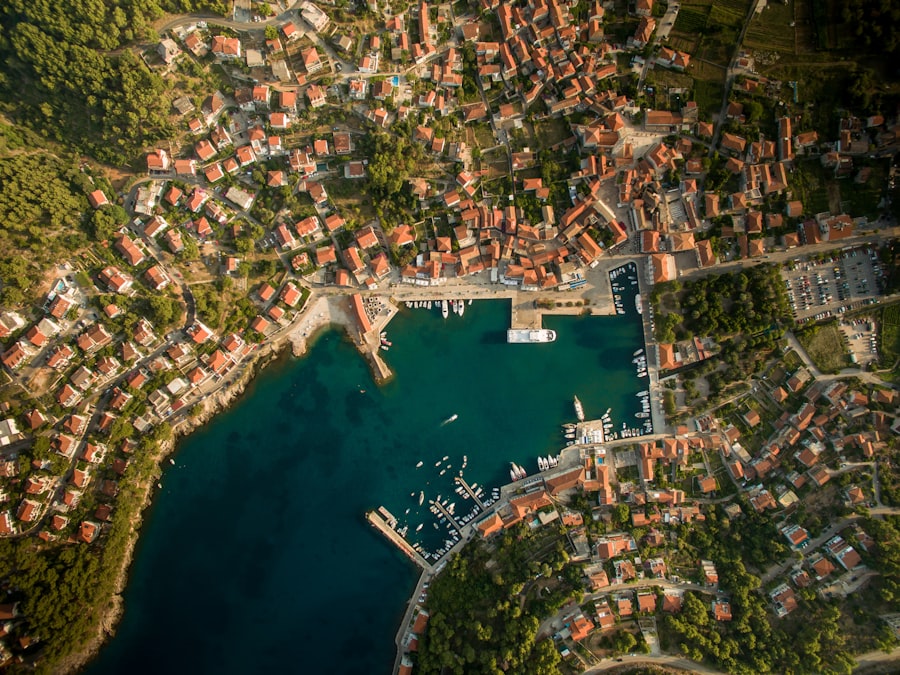
From Dubrovnik, my journey took me north, island-hopping my way through the dazzling Dalmatian archipelago. Each island has its own distinct personality, offering a different flavour of Croatian paradise. I could have spent weeks just exploring these gems.
Hvar: Glamour and Lavender Fields
Hvar is renowned for its glamorous nightlife and beautiful beaches, but it also boasts a rich history and stunning natural beauty. I arrived by catamaran and was immediately captivated by the Venetian architecture of Hvar Town and the vibrant atmosphere.
Hvar Town’s Venetian Charm
Wander through the narrow streets, climb to the Spanish Fortress for incredible panoramic views, and enjoy the lively waterfront promenade.
Lavender Fields and Inland Exploration
Rent a scooter or car and venture inland to discover the island’s famous lavender fields (peak bloom is early summer), charming villages like Stari Grad, and hidden coves.
Beach Bliss on Hvar
From the popular Pakleni Islands to more secluded spots, Hvar offers a variety of beach experiences, from vibrant beach clubs to quiet coves for swimming and sunbathing.
Korčula: A Miniature Dubrovnik
Often described as a “miniature Dubrovnik,” Korčula Town is a walled medieval city perched on a picturesque peninsula. I felt an immediate connection to its history and charm.
Marco Polo’s Alleged Birthplace
Legend has it that the famous explorer Marco Polo was born here, and you can visit his alleged birthplace.
Island Hopping from Korčula
Korčula is an excellent base for exploring nearby smaller islands like Mljet, known for its stunning national park.
Brač: Home of the Golden Horn
Brač is famous for Zlatni Rat (the Golden Horn), a unique pebble beach that changes shape with the tides and currents. While the beach is spectacular, the island offers much more.
The Golden Horn: An Iconic Landmark
This distinctive V-shaped beach is a must-see, perfect for swimming, sunbathing, and water sports.
Vidova Gora: Dalmatia’s Highest Peak
For breathtaking views, hike or drive to Vidova Gora, the highest peak in the Dalmatian islands.
Split: Diocletian’s Palace and a Vibrant City Life
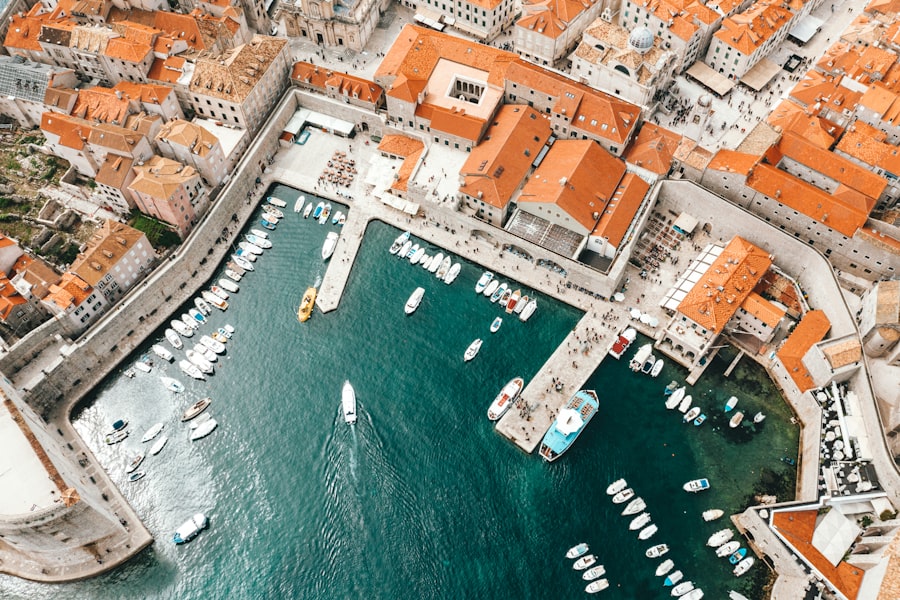
Moving further north, Split captivated me with its unique blend of ancient history and modern buzz. The heart of the city is Diocletian’s Palace, a remarkably preserved Roman palace that has become an integral part of the city’s fabric.
Diocletian’s Palace: A Living Roman Ruin
It’s not often you can walk through a palace that still functions as a living city. Diocletian’s Palace is a UNESCO World Heritage site and much more than just ruins. I found myself wandering through its ancient walls, discovering cafes, shops, and apartments nestled within its Roman structure.
The Peristyle: The Palace’s Grand Courtyard
This is the central square of the palace, an open-air performance space and a focal point for exploring the surrounding Roman temples and buildings.
The Cellars of the Palace
Exploring the dimly lit, remarkably intact basements beneath the palace offers a fascinating glimpse into its original structure and purpose.
Marjan Hill: Panoramic Views and Tranquil Walks
Just a short walk from the city center, Marjan Hill offers a welcome escape into nature and stunning vistas of Split and the surrounding islands. I enjoyed a peaceful walk through its pine-scented paths, rewarded with spectacular views.
Hiking and Biking Trails
Marjan Hill is crisscrossed with well-maintained trails, making it ideal for both leisurely walks and more energetic bike rides.
Chapels and a Zoo
Discover ancient chapels and enjoy the small zoo located on the hill.
Riva Promenade: The Pulse of Split
The Riva is Split’s main promenade, a vibrant waterfront boulevard bustling with cafes, bars, and people from all walks of life. It’s the perfect place to enjoy a coffee, watch the world go by, and soak in the city’s energetic atmosphere.
Sunset Views and People Watching
The Riva is particularly beautiful at sunset, with the sky ablaze with color. It’s also an excellent spot for people-watching.
Culinary Delights
Numerous restaurants line the Riva, offering a range of dining experiences from casual seafood to more refined cuisine.
If you’re planning your first trip to Croatia, you might find it helpful to explore additional resources that can enhance your travel experience. One such article is a fantastic read on living life to the fullest while traveling, which offers insights and tips that can complement your adventure in Croatia. Check out the article here for inspiration on how to make the most of your journey and create unforgettable memories.
Beyond the Coast: Exploring Inland Treasures
While the allure of the Adriatic is undeniable, I also discovered the charm of Croatia’s inland regions. These areas offer a different perspective, with rolling hills, historic towns, and natural wonders waiting to be explored.
Plitvice Lakes National Park: A Natural Masterpiece
No trip to Croatia is complete without a visit to Plitvice Lakes National Park, a UNESCO World Heritage site renowned for its sixteen terraced lakes connected by stunning waterfalls. I was utterly mesmerized by the vibrant turquoise waters and the lush greenery.
The Upper and Lower Lakes
The park is divided into the Upper Lakes and the Lower Lakes, each offering unique vistas and boardwalks that wind through the stunning scenery.
Boat Rides and Hiking Trails
Take a boat ride across the larger lakes and explore the extensive network of hiking trails that allow you to get up close and personal with the waterfalls.
Best Time to Visit Plitvice
While beautiful year-round, late spring and early autumn offer pleasant weather and fewer crowds. In winter, the park transforms into a frozen wonderland.
Zagreb: A Capital of Culture and Charm
Croatia’s capital, Zagreb, might not have the immediate seaside appeal of the coast, but it possesses a unique charm and a vibrant cultural scene. I found myself enchanted by its Austro-Hungarian architecture, its lively cafe culture, and its excellent museums.
Ban Jelačić Square: The Heart of the City
This bustling central square is the perfect starting point for exploring Zagreb. It’s a hub of activity, with street performers, market stalls, and a constant flow of people.
Upper Town (Gornji Grad) and Lower Town (Donji Grad)
Spend time wandering through the charming streets of the Upper Town, with its historic churches and museums, and then explore the grand boulevards and parks of the Lower Town.
Museum Hopping
Zagreb boasts an impressive array of museums, from the Museum of Broken Relationships (a truly unique experience) to art galleries and historical collections.
Istria: A Culinary and Cultural Tapestry
The Istrian peninsula, in the northwest of Croatia, is a region known for its truffles, wine, and charming hilltop towns. It’s a delightful departure from the coast.
Rovinj: The Jewel of Istria
This picturesque fishing town, with its colorful houses cascading down to the sea and its Venetian-inspired architecture, is simply breathtaking. I spent a delightful day exploring its narrow lanes and enjoying fresh seafood.
Pula’s Roman Amphitheatre
The well-preserved Roman amphitheater in Pula is a testament to the region’s ancient past and a stunning sight to behold.
Truffles and Wine Tasting
Istria is a foodie’s paradise. Indulge in truffle hunting tours and sample the region’s excellent wines.
Practical Tips for a Seamless Croatian Adventure
Having navigated my first trip, I’ve gathered a few golden nuggets of advice that I believe will make your own Croatian adventure smoother and more enjoyable.
Mastering the Art of Packing
Croatia’s diverse landscapes and activities call for versatile packing. Think light and layers!
Essential Clothing
- Swimwear: Multiple sets are a must.
- Lightweight clothing: Cotton shirts, linen trousers, and sundresses for warmer days.
- Comfortable walking shoes: You’ll be doing a lot of walking on cobblestones.
- A light jacket or cardigan: For cooler evenings, especially on islands or in higher altitudes.
- Sun protection: A wide-brimmed hat or cap, sunglasses, and high-SPF sunscreen.
- A reusable water bottle: To stay hydrated and reduce plastic waste.
Footwear Focus
Beyond good walking shoes, consider flip-flops or sandals for beach days and a slightly dressier pair if you plan on enjoying some of Croatia’s more upscale dining experiences.
Embracing the Culinary Scene: A Feast for the Senses
Croatian cuisine is a delightful reflection of its diverse influences, from Mediterranean flavors to Central European traditions. I savored every bite.
Seafood Delights
Along the coast and on the islands, seafood is king. Freshly grilled fish, calamari, and shellfish are staples.
Istrian Specialties
Don’t miss out on Istria’s famous truffles, olive oil, and prosciutto.
Inland Flavors
Inland regions offer heartier fare like stews, dumplings, and roasted meats.
Wine and Rakija
Croatia produces some excellent wines, particularly from the Dalmatian coast and Istria. Rakija, a strong fruit brandy, is a popular local spirit.
Navigating Culture and Etiquette
Croatians are generally warm and hospitable people. A few basic courtesies go a long way.
Greetings and Politeness
A smile and a simple “Dobar dan” (good day) or “Hvala” (thank you) are always appreciated.
Tipping
Tipping is not as ingrained as in some other countries, but it’s common to round up the bill or leave around 10% for good service in restaurants.
Respecting Local Customs
Be mindful of noise levels, especially in residential areas, and dress respectfully when visiting churches or monasteries.
My first trip to Croatia was an absolute revelation. It’s a country that captivates the soul with its beauty, its history, and the warmth of its people. This guide, born from my own experiences, is a starting point. The true magic of Croatia lies in its discovery. So pack your bags, open your heart, and get ready for an adventure you’ll cherish forever. I’m already planning my return!