How to Use Nature, Walking and Adventure to Support Your Mental Wellbeing
Embracing the Outdoors for Inner Peace
In today’s fast-paced world, where screens often dominate our attention and demands pull us in countless directions, it’s easy to feel overwhelmed, anxious, and disconnected. You might find yourself grappling with the weight of daily stressors, the sting of self-doubt, or the dull ache of emotional fatigue. But what if the antidote to these modern maladies wasn’t found in another app, a new medication, or a therapist’s couch, but rather in the ancient wisdom of simply stepping outside? For millennia, humans have instinctively turned to the natural world for solace, rejuvenation, and perspective. The rustle of leaves, the vastness of an open sky, the rhythmic crunch of gravel beneath your feet – these aren’t just sensory inputs; they are potent catalysts for profound shifts in your mental landscape. This article will guide you through the transformative power of nature, walking, and adventure, showing you how to harness these fundamental elements to cultivate a more resilient, serene, and vibrant you.
The Science Behind Nature’s Healing Touch
You might intuitively feel better after a stroll in a park, but the benefits of nature extend far beyond a pleasant sensation. Extensive research now supports what our ancestors always knew: spending time in green spaces is profoundly good for your mental health.
Reducing Stress and Anxiety
Consider the constant bombardment of stimuli in your urban environment – car horns, advertisements, the endless scroll of social media. This constant state of heightened alertness can leave your nervous system in overdrive. When you step into a natural setting, even a small urban park, a remarkable transformation begins. Studies have shown that exposure to nature can significantly lower levels of cortisol, your body’s primary stress hormone. This isn’t just about feeling less stressed; it’s a physiological change. Your heart rate decreases, blood pressure stabilizes, and muscle tension eases. The gentle sensory input of nature – the soft sounds, the varied textures, the subtle scents – acts as a balm, quieting the “fight or flight” response and encouraging your parasympathetic nervous system, responsible for rest and digestion, to take over.
Boosting Mood and Cognitive Function
Ever noticed how a walk through the woods can clear your head and spark new ideas? You’re not imagining it. Nature has a remarkable ability to lift your spirits and sharpen your mind. Exposure to natural environments has been linked to increased feelings of happiness, vitality, and awe, while simultaneously reducing feelings of anger, fatigue, and sadness. This “awe effect” is particularly powerful; experiencing something vast and beautiful outside yourself can diminish the perceived importance of your own worries, leading to a sense of perspective and interconnectedness. Furthermore, spending time in nature can improve your cognitive function, enhancing attention span, problem-solving skills, and creativity. This is often attributed to “restorative environments theory,” which posits that natural settings provide a gentle form of stimulation that allows your directed attention (the kind you use for focused tasks) to recover, leading to improved cognitive performance.
Cultivating Mindfulness and Presence
One of the greatest gifts nature offers is an inherent invitation to be present. In a world designed to pull your attention into the past or future, a forest, a mountain, or a coastline demands that you engage with the “now.” The intricate patterns of a leaf, the shifting hues of a sunset, the feeling of wind on your skin – these details gently coax you out of rumination and into the immediate experience. This natural mindfulness practice is incredibly therapeutic. By paying attention to the sensory details of your surroundings, you actively disengage from anxious thoughts and stressful narratives. You learn to observe without judgment, to simply be, which is a cornerstone of many therapeutic approaches to mental well-being.
In exploring the benefits of nature, walking, and adventure for mental wellbeing, you may find it helpful to read a related article that discusses how to enhance your experiences in the great outdoors. The article titled “Spice Things Up” offers practical tips on how to make your outdoor adventures more enjoyable and fulfilling, ultimately contributing to a positive mental state. You can check it out here: Spice Things Up.
The Therapeutic Art of Walking
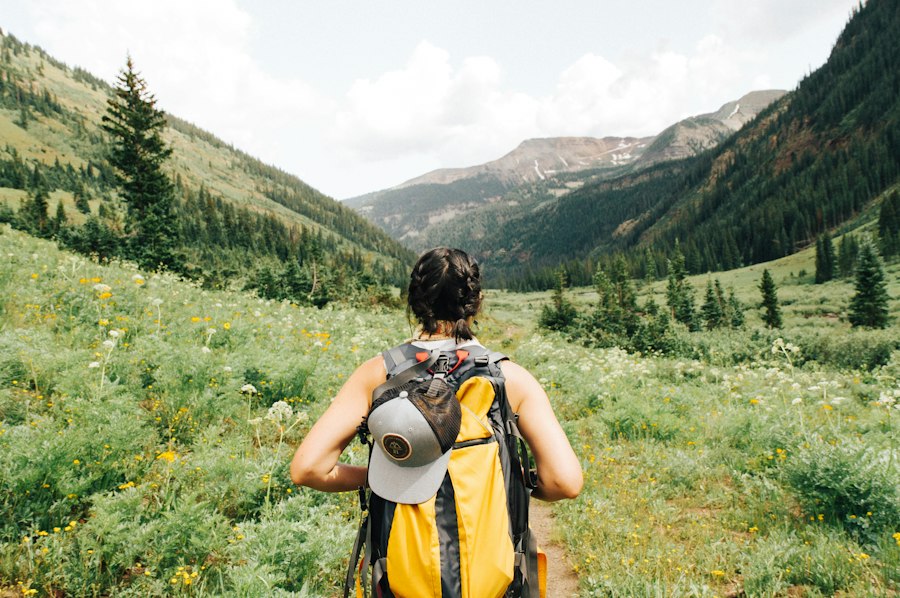
Walking, in its simplest form, is an ancient and powerful tool for mental health. It’s accessible, requires no special equipment, and can be integrated into even the busiest of schedules. Yet, its impact on your psychological state is profound, far exceeding its physical benefits.
The Rhythmic Movement and Its Impact
Think about the repetitive, rhythmic nature of walking – one foot in front of the other, a steady cadence. This simple action has a remarkable effect on your brain. It’s often described as a form of “bilateral stimulation,” similar to what’s used in EMDR (Eye Movement Desensitization and Reprocessing) therapy, where rhythmic left-right stimulation helps process distressing memories. While not a direct therapeutic equivalent, the rhythmic motion of walking can help to organize your thoughts, reduce rumination, and facilitate a more fluid processing of emotions. As you walk, particularly at a moderate pace, your brain tends to enter a more meditative state. The brainwave patterns shift, often towards alpha waves, which are associated with relaxation and a calm, alert mind. This allows you to think more clearly, gain perspective on problems, and even generate creative solutions that might elude you when sitting still.
Walking as a Moving Meditation
You don’t need to sit cross-legged on a cushion to meditate. Walking can be a powerful form of active meditation, especially when combined with a natural setting. Instead of letting your mind wander aimlessly, you can consciously direct your attention to your body and your surroundings.
Engaging Your Senses
As you walk, actively engage all five of your senses. What do you see? The intricate patterns of bark, the dance of light through leaves, the distant horizon. What do you hear? The chirping of birds, the rustle of wind, the crunch of your footsteps. What do you smell? The earthy scent of damp soil, the fragrance of flowers, the fresh air after rain. What do you feel? The sensation of your feet connecting with the ground, the sun on your skin, the breeze through your hair. What do you taste? Perhaps the lingering taste of your morning coffee, or simply the freshness of the air itself. By intentionally focusing on these sensory inputs, you anchor yourself firmly in the present moment, effectively disrupting the cycle of anxious thoughts or worries about the future.
Mindful Breathing During Your Walk
Synchronize your breath with your steps. You might inhale for two steps and exhale for three, or whatever rhythm feels natural and comfortable. Focus on the sensation of your breath entering and leaving your body – the coolness on your nostrils, the expansion and contraction of your chest and abdomen. If your mind wanders (and it will, that’s perfectly normal), gently bring your attention back to your breath and your steps. This simple practice grounds you, calms your nervous system, and enhances the meditative quality of your walk. It’s a profound way to manage stress and cultivate inner peace, one step and one breath at a time.
The Transformative Power of Adventure
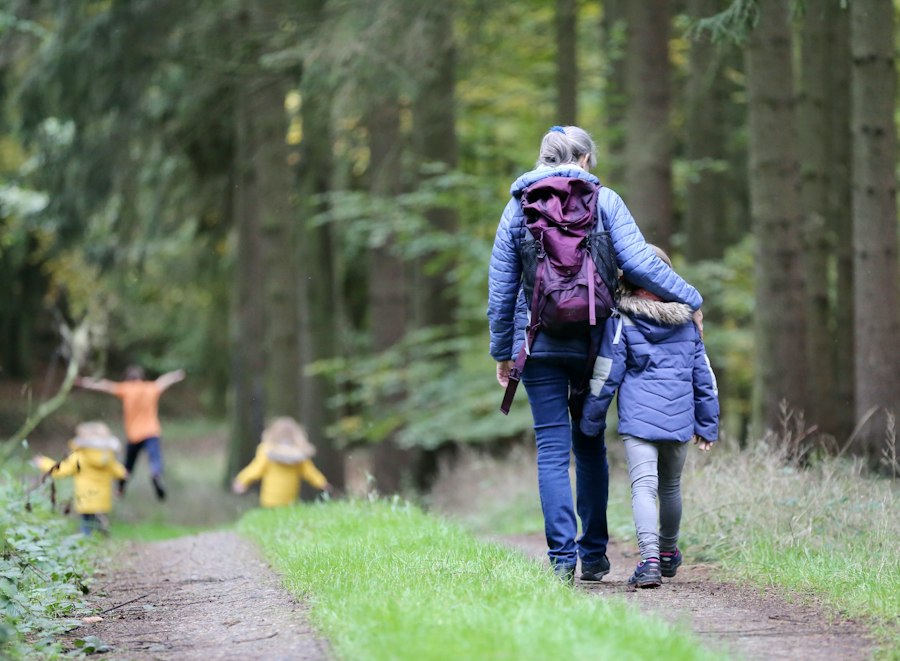
While a gentle stroll in the park offers immense benefits, pushing your boundaries through adventure in nature can unlock an entirely new level of mental well-being. Adventure isn’t necessarily about scaling Everest; it’s about stepping outside your comfort zone, embracing challenge, and discovering your resilience.
Stepping Beyond Your Comfort Zone
You might find yourself in a rut, feeling stuck or uninspired. Adventure, by its very definition, involves an element of the unknown, a departure from the familiar. When you choose to embark on a natural adventure – whether it’s a challenging hike, a kayaking trip, or exploring a new trail – you’re actively choosing to engage with uncertainty. This act of stepping outside your comfort zone, even in small ways, builds confidence and resilience. You learn to trust your instincts, adapt to unforeseen circumstances, and discover capabilities you never knew you possessed. The satisfaction derived from overcoming a physical challenge, navigating an unfamiliar path, or simply enduring a longer-than-expected journey translates directly into a stronger sense of self-efficacy and a belief in your ability to handle life’s other challenges.
Building Resilience Through Challenge
Life throws curveballs, and mental resilience is your ability to bounce back from adversity. Nature-based adventure provides a safe yet potent training ground for building this crucial trait. When you’re out in the wild, you often encounter situations that demand problem-solving, patience, and perseverance. Perhaps the weather changes unexpectedly, a trail is steeper than anticipated, or you get slightly disoriented. These aren’t failures; they are opportunities.
Embracing Discomfort and Learning Adaptability
Consider a multi-day backpacking trip where you’re carrying everything you need, sleeping on the ground, and dealing with varying weather conditions. You might experience physical discomfort, fatigue, or moments of self-doubt. But each time you push through, adapt your plans, or find a solution, you’re strengthening your mental fortitude. You learn that discomfort is temporary, that you are capable of more than you thought, and that you can navigate challenges without crumbling. This direct experience of overcoming adversity in a natural setting provides tangible evidence of your strength and adaptability, which you can then draw upon when facing personal or professional struggles.
Fostering Self-Reliance and Problem-Solving
Adventure often strips away the conveniences of modern life, forcing you to rely on your own skills and judgment. Whether it’s reading a map, building a fire, setting up a tent, or simply finding your way back to the trailhead, these practical tasks engage your problem-solving abilities. The satisfaction of successfully navigating these challenges instills a deep sense of self-reliance and competence. You begin to trust your own inner resources, recognizing that you have the capacity to handle what comes your way. This empowerment is a powerful antidote to feelings of helplessness or anxiety, fostering a proactive and resilient mindset.
Integrating Nature and Movement into Your Daily Life
You don’t need to quit your job and move to a cabin in the woods to reap the benefits of nature. The key is consistent, intentional integration. Small, regular doses of green space and movement can accumulate into profound changes in your mental well-being.
Simple Steps for Everyday Connection
Making nature and walking a part of your routine is easier than you think. Start small, be consistent, and observe how these simple shifts begin to transform your days.
The Morning Ritual
Instead of reaching for your phone first thing, consider starting your day with a “green” ritual. Even a 10-15 minute walk around your neighborhood, focusing on the trees, the sky, and the sounds of nature, can set a positive tone. If you have a park nearby, even better. This gentle movement and exposure to natural light can regulate your circadian rhythm, improve your mood, and help you feel more alert and grounded before the demands of the day begin. If walking outside isn’t feasible, simply spending time near a window with a view of greenery, or tending to indoor plants, can still offer a subtle connection.
Lunchtime Recharge
Break free from your desk during lunch. Seek out the nearest green space, whether it’s a small park, a tree-lined street, or even a community garden. Use this time not just to eat, but to actively disconnect from work and reconnect with the natural world. Take a mindful walk, focusing on your senses. Listen to the birds, feel the breeze, notice the details of plants. Even 20-30 minutes of this “nature bathing” can significantly reduce mental fatigue, improve focus for the afternoon, and lower stress levels. It’s a powerful way to reset your mind in the middle of your day.
Evening Wind-Down
Before screens dominate your evening, consider a post-dinner walk. This can be a reflective time to process the day, clear your head, and prepare for restful sleep. The gentle exercise can help release built-up tension, and the exposure to the fading natural light can signal to your body that it’s time to wind down. If possible, choose a route that feels safe and allows for some quiet reflection, perhaps in a nearby park or a quiet, tree-lined street.
Planning for Deeper Engagements
Beyond daily integration, periodically seeking out more immersive experiences can provide a significant boost to your mental well-being. These don’t have to be epic expeditions, but rather intentional efforts to spend extended time in nature.
Weekend Wanderings
Dedicate at least one weekend day to a longer nature immersion. This could be a hike on a local trail, a visit to a botanical garden, a picnic by a lake, or exploring a regional park. The goal is to spend a significant block of time (a few hours or more) uninterrupted in a natural setting. This allows your mind and body to fully unwind, disconnect from urban stressors, and deeply absorb the restorative benefits of the environment. Consider leaving your phone on silent or even at home, to truly engage with the experience.
Micro-Adventures and Intentional Exploration
Think about incorporating “micro-adventures” into your routine. These are short, close-to-home adventures that offer a sense of novelty and challenge. This could be camping in your backyard, trying a new, more challenging hiking trail, visiting a natural area you’ve never explored before, or even learning a new outdoor skill like birdwatching or identifying local plants. The element of exploration and the slight push outside your routine can be incredibly invigorating for your mental health, fostering curiosity, a sense of accomplishment, and a renewed appreciation for your local environment. These experiences, though small, contribute significantly to a resilient and adventurous spirit.
Exploring the great outdoors can significantly enhance your mental wellbeing, and if you’re interested in combining nature with culinary experiences, you might find inspiration in a related article about Italian adventures. This piece delves into the unique ways you can immerse yourself in Italy’s stunning landscapes while enjoying its rich food culture. Discover how walking through picturesque villages and savoring local delicacies can create a fulfilling journey for both your mind and palate. For more insights, check out this article on Italian adventures.
Sustaining Your Connection for Lasting Well-being
Cultivating a stronger mental state through nature, walking, and adventure isn’t a one-off event; it’s a continuous practice. Just like tending a garden, it requires consistent effort, patience, and a willingness to adapt. Your goal isn’t just to feel better for a day, but to build a lasting foundation of mental resilience and peace.
Overcoming Barriers and Staying Motivated
You’ll inevitably encounter obstacles that threaten to derail your commitment to outdoor well-being. Recognizing these and having strategies to overcome them is crucial for long-term success.
Addressing Time Constraints and Lack of Access
One of the most common barriers is the perceived lack of time. But remember, even 10-15 minutes of mindful walking in nature can make a difference. Break down longer walks into smaller segments if needed. If access to extensive green spaces is limited, get creative. Can you walk around a block with more trees? Explore a community garden? Find a park bench and simply observe the sky and whatever nature is present. Bring nature indoors with plants, natural light, and nature sounds. The key is consistency, not perfection. You might even find that prioritizing these activities actually creates more time by improving your focus and energy.
Battling Inclement Weather and Lack of Enthusiasm
Don’t let a little rain or cold deter you. Invest in appropriate gear – a waterproof jacket, good walking shoes – and learn to embrace the elements. There’s a unique beauty and exhilaration in experiencing nature in all its forms. On days when your motivation wanes, remind yourself of the profound benefits you’ve experienced. Make it a non-negotiable appointment in your calendar. Consider finding a walking buddy for accountability, or exploring new routes to keep things fresh. Remember that some of the most profound “aha” moments often happen when you push past initial resistance.
Cultivating a Lifelong Relationship with the Outdoors
Your journey with nature is a relationship that deepens over time. The more you nurture it, the more it will give back to you. This isn’t just about managing symptoms; it’s about fostering a richer, more fulfilling life.
Reflecting and Journaling Your Experiences
After your walks or adventures, take a few moments to reflect. What did you notice? How did you feel before, during, and after? Did you have any new insights or perspectives? Journaling about your outdoor experiences can deepen your appreciation, help you track your progress, and provide a tangible record of the positive impact nature has on your mental state. This practice reinforces the connection between your outdoor time and your well-being, making it more likely that you’ll continue.
Sharing Your Journey and Inspiring Others
Consider sharing your outdoor experiences with friends and family. Invite them on walks or adventures. Talk about the mental benefits you’ve discovered. Not only can this strengthen your social connections (another vital component of mental health), but it can also inspire others to explore the therapeutic power of nature. When you articulate the positive changes you’ve experienced, you solidify your own commitment and become an advocate for a healthier, more connected way of living. Your journey through nature, walking, and adventure is a profound gift you give to yourself, one step at a time, allowing you to cultivate a resilient mind and a spirit rooted in the tranquility of the natural world.