Must see places in Greece, when to go, what to avoid
Exploring the Ancient Wonders and Island Paradises of Greece
You’ve envisioned it, haven’t you? The sun-drenched ruins, the cerulean waters, the whitewashed villages clinging to volcanic cliffs. Greece beckons with a siren song of history, beauty, and incomparable hospitality. But where do you begin your journey through this mythical land? How do you maximize your experience, and what pitfalls should you steer clear of? This comprehensive guide will illuminate your path, helping you craft an unforgettable Greek adventure that resonates with your personal sense of wonder and exploration. Prepare to be enchanted, informed, and ultimately, inspired to book that flight.
Iconic Must-Visit Destinations
Greece is a tapestry woven with ancient civilizations and breathtaking natural beauty. Deciding where to go can be overwhelming, but certain destinations stand out as truly unmissable for any first-time or returning visitor. Each offers a unique facet of the Greek experience, promising memories that will last a lifetime.
The Cradle of Western Civilization: Athens
Your journey through Greece almost invariably begins in Athens, the vibrant capital and a living museum. You’ll step into the footsteps of philosophers, playwrights, and emperors as you navigate its ancient sites.
The Acropolis and Parthenon
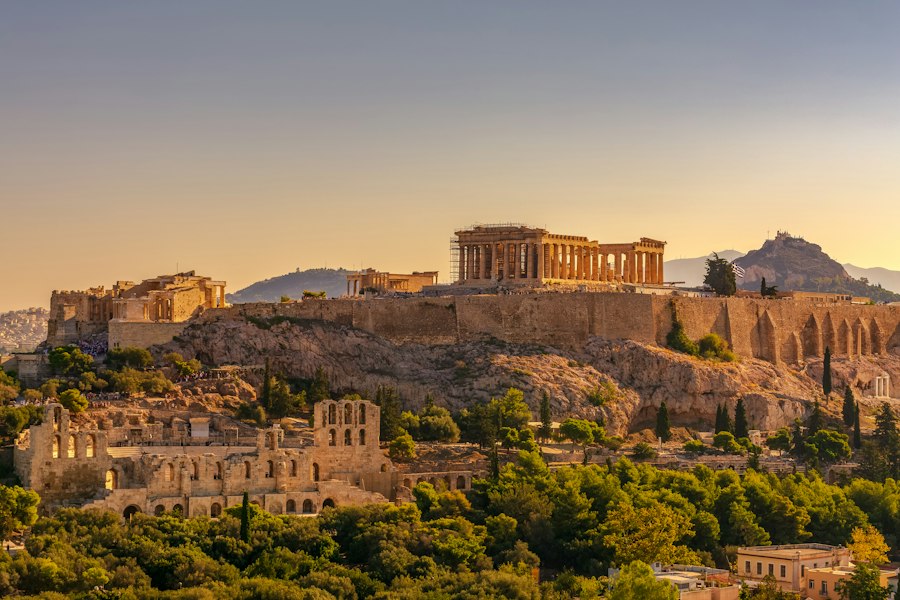
There’s no grander introduction to ancient Greece than the Acropolis. As you ascend the sacred rock, the sheer scale and architectural genius of the Parthenon will leave you breathless. This Doric temple dedicated to the goddess Athena stands as a testament to classical Greek art and architecture, its golden hue at sunset an image forever etched in your memory. Beyond the Parthenon, you’ll explore the Erechtheion, with its famed Caryatids, and the Propylaea, the monumental gateway. Don’t rush your visit; take your time to absorb the panoramic views of modern Athens stretching out beneath you, a stark contrast to the ancient marvels surrounding you. The Acropolis Museum, located at the foot of the hill, offers an invaluable context to the site, housing artifacts discovered on the Acropolis and presenting them with exquisite care.
Ancient Agora and Roman Agora
After the majesty of the Acropolis, descend to the Ancient Agora, the heart of public life in ancient Athens. Here, Socrates debated, democracy was born, and commerce thrived. You can wander through the ruins of temples, stoas, and public buildings, imagining the bustling activity that once filled these spaces. The remarkably preserved Temple of Hephaestus, often overlooked but equally impressive, stands proudly on a small hill, offering a glimpse into the architectural prowess of the era. A short walk away, the Roman Agora, though smaller, features the iconic Tower of the Winds, an ancient meteorological station and clock.
Plaka and Anafiotika
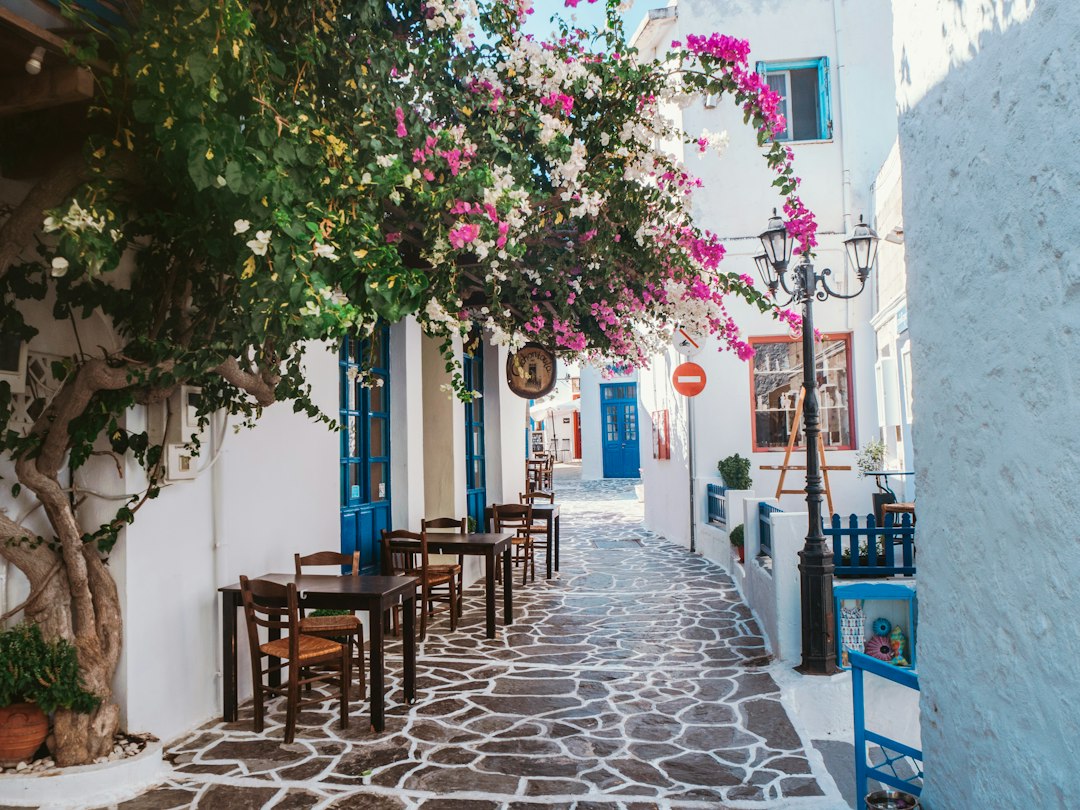
Nestled beneath the Acropolis, the charming neighborhoods of Plaka and Anafiotika offer a delightful contrast to the grandeur of the ancient sites. Plaka, one of Athens’ oldest districts, is a labyrinth of narrow cobblestone streets, neoclassical buildings, and vibrant bougainvillea. You’ll discover countless tavernas serving traditional Greek fare, artisan shops selling local crafts, and small museums. Anafiotika, a tiny, almost hidden village within Plaka, transports you to a Cycladic island with its whitewashed houses and tiny squares, built by islanders who came to Athens to work on the palace construction. It’s a serene escape from the city’s hustle, perfect for a quiet stroll and some stunning photo opportunities.
The Mystical Monasteries of Meteora
Moving from the urban sprawl of Athens, you’ll discover a truly otherworldly landscape in central Greece: Meteora. Here, ancient monasteries perch precariously atop colossal natural sandstone pillars, seemingly defying gravity.
Geological Marvel and Spiritual Retreat
The name “Meteora” literally means “suspended in the air,” and once you witness it, you’ll understand why. These geological formations were created millions of years ago, sculpted by wind and water. From the 11th century onwards, monks began to settle here, seeking solitude and spiritual contemplation. The monasteries they built, often reached by retractable ladders or nets in the past, are incredible feats of engineering and devotion. Today, several are accessible to visitors via carved steps and bridges. You’ll visit a selection of these, such as the Monastery of Great Meteoron, the largest and oldest, or the Monastery of Varlaam, known for its panoramic views. Each monastery offers unique frescoes, icons, and artifacts, providing a deep insight into Orthodox Christian tradition.
Photography and Exploration Tips
Meteora is a photographer’s dream. The best times to capture its ethereal beauty are at sunrise or sunset, when the golden light bathes the rock formations and monasteries in a magical glow. Various viewpoints along the main road offer breathtaking panoramas. Consider hiring a local guide or joining an organized tour to learn about the history and geology of the region in depth. Wear comfortable shoes, as you’ll be doing a fair amount of walking and climbing steps. Remember to dress respectfully when visiting the monasteries; shoulders and knees should be covered, and women may be required to wear skirts (often provided at the entrance).
The Enchanting Cycladic Islands
No trip to Greece is complete without experiencing the iconic beauty of its islands. The Cyclades, with their characteristic whitewashed villages, windmills, and sapphire seas, are perhaps the most famous.
Santorini: Clifftop Beauty
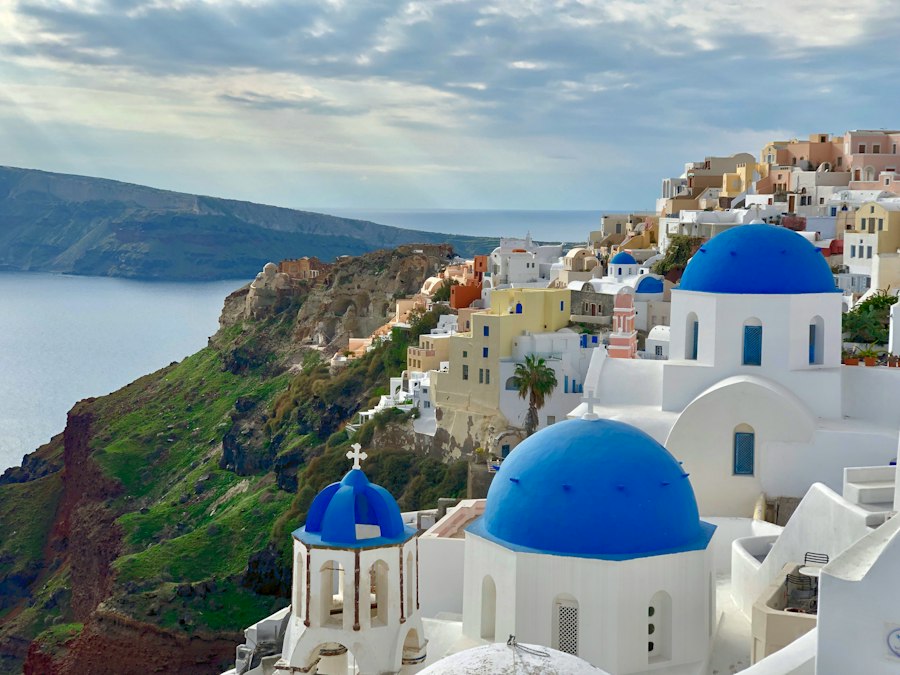
Santorini, a crescent-shaped island formed by a volcanic eruption, is perhaps the most romantic and visually stunning of all Greek islands. Its caldera villages, Fira, Oia, and Imerovigli, cling precariously to cliffs, offering unparalleled views of the Aegean Sea and the submerged volcano. You’ll spend your days marveling at the iconic blue-domed churches, wandering through narrow alleyways, and indulging in exquisite dining experiences.
Sunset in Oia
The sunset in Oia is world-renowned for a reason. Thousands gather daily to witness the sun dip below the horizon, painting the sky in fiery hues of orange, pink, and purple, casting a magical glow over the white villages. While crowded, it’s an experience you truly must have. Arrive early to secure a good spot, or book a table at one of the cliffside restaurants for an unobstructed view. Consider a sunset cruise for a different perspective, often including dinner and drinks.
Volcanic Beaches and Caldera Views
Santorini’s unique geology extends to its beaches. You’ll find black sand beaches like Perissa and Perivolos, and the dramatic Red Beach, characterized by its distinctive volcanic rock and dark red sand. A boat trip around the caldera is highly recommended. You can visit the volcanic hot springs for a therapeutic dip and explore the small island of Thirassia, offering a glimpse into a more traditional island life away from the main tourist hubs.
Mykonos: Cosmopolitan Charm
Mykonos is synonymous with vibrant nightlife, glamorous beaches, and a cosmopolitan atmosphere. While it caters to a high-end crowd, its charm extends beyond its party reputation.
Little Venice and Windmills
The picturesque area of Little Venice in Mykonos Town is a must-see. Here, charming houses with colorful wooden balconies are built right on the water’s edge, reminiscent of its Venetian namesake. It’s an ideal spot for an evening cocktail as the sun sets. Overlooking Little Venice are the famous Mykonos windmills, iconic symbols of the island and perfect for photography, especially at dusk.
Beaches and Nightlife
Mykonos boasts an array of stunning beaches. Psarou and Ornos offer chic beach clubs and fine dining, while Paradise and Super Paradise are known for their lively party atmosphere and DJ sets that continue late into the night. If you’re seeking a more relaxed vibe, try Panormos or Agios Sostis on the north side of the island. The nightlife scene in Mykonos is legendary, with world-class clubs and bars attracting international DJs and a glamorous crowd. Even if you’re not a party animal, a stroll through Mykonos Town after dark reveals its sophisticated energy.
Crete: The Largest Island’s Diverse Offerings
Crete, the largest of the Greek islands, is a microcosm of Greece itself, offering an incredible diversity of landscapes, history, and experiences. You could spend weeks here and still not see it all.
Ancient Minoan Palaces
Crete is the birthplace of the Minoan civilization, one of Europe’s earliest advanced cultures. You’ll journey back in time at the Palace of Knossos, the legendary home of King Minos and the Minotaur. Explore the colorful frescoes, intricate architecture, and vast complex that once housed a sophisticated society. Other significant Minoan sites like Phaistos and Gortyn also offer fascinating glimpses into this ancient world.
Samaria Gorge and Beaches
For nature lovers and hikers, the Samaria Gorge is an unmissable adventure. One of Europe’s longest gorges, it offers a challenging but incredibly rewarding 16-kilometer trek through stunning natural scenery, culminating at the Libyan Sea. Be prepared for a full day’s exertion and bring plenty of water. Beyond the gorge, Crete offers a spectacular coastline. Elafonissi Beach, with its unique pink sands and shallow turquoise waters, feels like a tropical paradise. Balos Lagoon, a truly breathtaking natural wonder, features a stunning confluence of white, pink, and turquoise waters. Preveli Palm Forest and Beach, where a river meets the sea amidst a lush palm grove, is another idyllic spot.
If you’re planning a trip to Greece and want to explore the must-see places, it’s also essential to consider your overall wellness during your travels. For insights on maintaining your fitness while enjoying the beautiful landscapes and rich culture of Greece, check out this related article on fitness tips for travelers. You can find it here: Fitness Tips for Travelers. This resource will help you stay active and energized as you discover the stunning sights of Greece, ensuring you make the most of your adventure.
Optimal Times to Visit Greece
Timing is everything when planning your Greek getaway. The “best” time to visit largely depends on your priorities: do you crave scorching sun and bustling nightlife, or do you prefer milder temperatures and fewer crowds? Greece experiences distinct seasons, each offering a different flavor of the country.
Spring (April to Mid-June)
You’ll find spring to be an exquisite time to visit Greece. The weather is delightfully mild, with temperatures ranging from a comfortable 18°C (64°F) to 25°C (77°F). The landscape is lush and green, adorned with wildflowers after the winter rains.
Pleasant Weather and Fewer Crowds
This period offers the perfect balance. You can comfortably explore ancient ruins without the oppressive heat of summer, and hike in regions like Crete or the Peloponnese. The main tourist sites, while open, are significantly less crowded than in peak season, allowing for a more serene and reflective experience. Island ferries run regularly, and most businesses are open. Prices for accommodation and flights are generally more affordable than in summer.
Easter Celebrations
If your visit coincides with Greek Orthodox Easter (which often falls later than Western Easter), you’re in for a cultural treat. It’s the most important religious holiday in Greece, celebrated with great fervor and unique local traditions. Corfu, for example, is famous for its elaborate Easter festivities, including the throwing of clay pots from balconies. Be aware that some businesses might have limited hours on Good Friday and Easter Sunday, but the overall atmosphere is vibrant and festive.
Summer (Mid-June to August)
This is peak season for a reason: Greece truly shines under the summer sun. Expect hot weather, bustling crowds, and a vibrant atmosphere.
Hot Temperatures and Lively Atmosphere
Temperatures often soar above 30°C (86°F), especially in July and August. If you’re a sun worshipper who loves to swim and relax on beaches, this is your time. The islands come alive with energy, beach clubs are in full swing, and nightlife is at its peak. This is ideal for those who prioritize swimming, sunbathing, and experiencing Greece’s famous island party scene.
High Season Drawbacks
The trade-off for perfect beach weather is the sheer volume of tourists. Popular sites like the Acropolis, Santorini, and Mykonos can be incredibly crowded. Prices for flights, accommodation, and even some activities are at their highest. You’ll need to book everything well in advance, and expect longer queues and more competition for restaurant reservations. If you’re sensitive to heat or prefer a tranquil experience, summer might be overwhelming.
Autumn (September to October)
You’ll discover that autumn is another fantastic window for a Greek adventure, offering a pleasant transition from summer’s heat.
Ideal Balance of Weather and Crowds
The scorching heat begins to subside, with temperatures settling into a comfortable 20°C (68°F) to 28°C (82°F) range. The sea remains warm enough for swimming well into October. Crucially, the massive summer crowds start to thin out, making visits to popular attractions more enjoyable. Prices also begin to drop slightly, offering better value. This period is ideal for exploring historical sites, hiking, and enjoying the islands without the intense heat or throngs of people.
Grape Harvest Festivals
If you’re interested in Greek culture and cuisine, you might catch some of the grape harvest festivals (vintage season) that take place throughout the country in September. Many regions celebrate with traditional music, dancing, and wine tasting, offering a unique local experience. This is also a wonderful time for culinary exploration, as many local produce are at their peak.
Winter (November to March)
You might not initially consider winter for a Greek trip, but it offers a unique, albeit different, experience.
Mild Temperatures and Authentic Local Experience
While some islands become very quiet with many businesses closed, major cities like Athens and Thessaloniki remain vibrant. The weather is mild, especially in the south, with average temperatures around 10°C (50°F) to 15°C (59°F), though rain is more common. This is the time to experience Greece like a local, with fewer tourists and a focus on cultural immersion rather than beach holidays.
Limited Island Access and Closures
Many ferry services to smaller islands operate on a reduced schedule or cease altogether during winter. A significant number of hotels, restaurants, and shops on the islands will be closed. However, major islands like Crete and Rhodes maintain more year-round services. If you’re seeking a winter escape, focus on mainland Greece, including Athens, Thessaloniki, the Peloponnese, and even some ski resorts in the northern mountains. You’ll find a more authentic atmosphere, lower prices, and uncrowded historical sites.
What to Pack for Your Greek Adventure
You’re all set to embark on your Greek journey, but what do you bring? Packing smart will enhance your comfort and enjoyment, ensuring you’re prepared for everything from ancient ruins to island hopping.
Essentials for Comfort and Exploration
No matter the time of year, certain items are universally beneficial for a Greek trip.
Comfortable Footwear
This is perhaps the single most important item. You’ll be doing a significant amount of walking, whether navigating archaeological sites with uneven terrain, strolling through cobblestone villages, or hiking. A pair of supportive, broken-in walking shoes or sneakers is non-negotiable. For the evenings, or if you plan to visit beaches, sturdy sandals are also a good idea. Avoid brand new shoes that could cause blisters.
Lightweight Clothing and Layers
Even in summer, evenings can sometimes have a slight chill, especially on the islands with sea breezes. Pack lightweight, breathable fabrics like cotton or linen. In spring and autumn, layers are key. A light jacket or cardigan will serve you well for cooler evenings or air-conditioned museums. If visiting monasteries, remember to bring items that cover your shoulders and knees – a scarf or a pair of long pants/skirt can be carried in your daypack for easy access.
Sun Protection
The Greek sun is glorious but can be intense. A wide-brimmed hat, sunglasses with good UV protection, and high-SPF sunscreen are absolutely essential, regardless of the season. You’ll be spending a lot of time outdoors, so protecting your skin and eyes is crucial.
Specifics for Seasons and Activities
Beyond the basics, tailor your packing list to the time of year you visit and the activities you plan to enjoy.
Summer (Mid-June to August)
For summer, focus on swimwear, beach cover-ups, and light, airy clothing. Think shorts, t-shirts, sundresses. While temperatures are hot, some restaurants and clubs in Mykonos or Santorini might have a smart-casual dress code in the evenings, so one slightly dressier outfit could be useful.
Spring and Autumn (April-June, September-October)
These shoulder seasons call for more versatility. You’ll still want swimwear, but also pack a light jacket or sweater, and perhaps a pair of longer trousers. Layers are your best friend, allowing you to adapt to temperature fluctuations throughout the day. A light rain jacket could be useful, especially in spring.
Winter (November to March)
If you’re visiting in winter, you’ll need warmer clothes. Think sweaters, long-sleeved shirts, jeans or warm trousers, and a proper waterproof jacket. While Greek winters are mild by northern European standards, they can still be damp and chilly, especially in the north or at higher elevations.
Other Useful Items
- Reusable Water Bottle: Stay hydrated and reduce plastic waste.
- Small Daypack: Essential for carrying water, snacks, sunscreen, and a camera during your daily explorations.
- Travel Adapter: Greece uses Type C and Type F plugs (two round pins).
- Basic First-Aid Kit: Include band-aids for blisters, pain relievers, and any personal medications.
- Power Bank: Keep your phone charged for navigation and photos.
- Camera: To capture the breathtaking scenery.
Navigating and Getting Around Greece
You’ll find that Greece offers a range of transportation options, from efficient public networks to picturesque ferry routes. Understanding how to get around will make your travel seamless and enjoyable.
Inter-City and Island Travel
Connecting the mainland and the islands is straightforward with a bit of planning.
Domestic Flights
For quick transitions between major cities (like Athens to Thessaloniki) or from Athens to popular, more distant islands (such as Santorini, Mykonos, Crete, or Rhodes), domestic flights are your fastest option. Airlines like Aegean Airlines and Olympic Air offer frequent connections. Booking in advance, especially for island flights during peak season, is highly recommended as seats fill up quickly and prices rise.
Ferries and Catamarans
Exploring the Greek islands is synonymous with ferry travel. A vast network of ferries connects the mainland ports (Piraeus, Rafina, Lavrio near Athens) to virtually all inhabited islands.
Standard Ferries
These are generally slower but offer a more economical way to travel, with plenty of deck space to enjoy the sea views. They’re ideal for longer journeys or if you’re not in a rush. Many have cafes and amenities onboard.
High-Speed Ferries and Catamarans
If you’re island hopping and time is a factor, high-speed ferries and catamarans significantly cut down travel times. They are more expensive and often don’t allow access to outdoor decks during the journey, as passengers are seated indoors. They can also be more susceptible to rough seas, leading to cancellations or delays.
Booking Ferry Tickets
You can book ferry tickets online in advance through websites like Ferryhopper or directly with the ferry companies (Blue Star Ferries, Hellenic Seaways, Seajets, etc.). This is especially crucial for popular routes and during peak season. You’ll often collect your physical tickets from the port ticket office or a designated agency before departure.
Buses (KTEL)
On mainland Greece, the intercity bus network (operated by KTEL) is extensive, reliable, and affordable. Buses connect Athens to major towns and cities throughout the country, including destinations like Delphi, Meteora, and the Peloponnese. Bus stations can be found in most towns, and schedules are typically available online or at the station.
Trains
While Greece does have a train network, it’s not as comprehensive as the bus system. The main routes connect Athens to Thessaloniki and some other major cities. For scenic journeys or specific connections, trains can be a comfortable option, but for most tourist routes, buses or domestic flights are often more practical.
Getting Around Cities and Islands
Once you arrive at your destination, you’ll have several options for local transportation.
Taxis and Ride-Sharing
Taxis are readily available in Greek cities and tourist areas. Always ensure the meter is running or agree on a fare beforehand for longer journeys. Ride-sharing apps like Uber are present in Athens and Thessaloniki, offering a convenient way to book rides. On smaller islands, local taxi services are the norm.
Public Transportation
Athens boasts an efficient metro, tram, and bus system that makes navigating the city’s sights easy and affordable. Thessaloniki also has a good bus network. On larger islands like Crete, local buses connect main towns and popular beaches. On smaller islands, public transport might be limited, often relying on a few bus routes.
Car and Scooter Rentals
Renting a car offers the ultimate flexibility, especially on the mainland and larger islands like Crete, Rhodes, or Corfu, where you might want to explore remote beaches or mountain villages. Book in advance, especially during peak season. Ensure you have an International Driving Permit if your license is not from the EU. For smaller islands like Santorini or Mykonos, scooters, ATVs (quads), or small cars are popular options for getting around, but exercise caution due to winding roads and increased traffic.
If you’re planning a trip to Greece and want to explore the must-see places, it’s essential to know when to go and what to avoid to make the most of your experience. For those interested in the rich history and stunning landscapes of Zante, you might find this article on Zante’s plotted history particularly insightful, as it highlights some hidden gems and cultural insights that can enhance your visit.
What to Avoid in Greece
You’re poised for an incredible journey, but knowing what to sidestep can save you time, money, and potential frustration, ensuring your Greek experience remains positive and memorable.
Common Tourist Traps and Overpricing
Being aware of potential pitfalls will help you navigate your trip like a seasoned traveler.
Overpaying for Taxis
While most taxi drivers are honest, you might encounter a few who attempt to overcharge. Always insist on the meter being used. If the driver claims it’s broken or tries to negotiate a flat rate that seems excessive, it’s perfectly acceptable to find another taxi. From Athens airport, there are fixed rates to the city center, so be aware of these. For journeys outside the city, confirm the price with a few drivers before committing.
Restaurants in Very Touristy Areas
Restaurants directly adjacent to major attractions (like the Acropolis or Santorini’s caldera edge) often cater purely to tourists. While convenient, they tend to be overpriced, offer generic food, and might lack authentic flavor. Venture a few blocks away from the main thoroughfare into quieter streets, and you’ll often find more authentic, delicious, and reasonably priced tavernas. Look for places frequented by locals.
Unnecessary Purchases from Persistent Vendors
In very busy tourist areas, you might encounter street vendors who are quite persistent. While some offer genuine local crafts, others may be selling mass-produced souvenirs at inflated prices. If you’re not interested, a polite but firm “no, thank you” is sufficient. Avoid engaging in long conversations if you don’t intend to buy, as it can be difficult to disengage.
Disrespectful Behavior and Cultural Missteps
Being a respectful traveler enhances your experience and fosters positive interactions with locals.
Inappropriate Dress at Religious Sites
When visiting churches, monasteries (especially Meteora), or other religious sites, it’s crucial to dress modestly. This means covering your shoulders and knees. Women may need to wear a skirt (often provided at monastery entrances). Men should avoid tank tops or shorts. Ignoring these customs is seen as disrespectful and may prevent you from entering. Always err on the side of caution.
Being Loud or Overly Demanding
Greeks are generally warm and hospitable people, but they appreciate politeness and respect. Avoid being overly loud or demanding, especially in public spaces or when dealing with service staff. A little patience, a friendly smile, and attempts at basic Greek phrases (like kalimera for good morning, efharisto for thank you, and parakalo for please/you’re welcome) go a long way in fostering good relations.
Ignoring Local Customs and Siesta Times
While the traditional afternoon siesta is less prevalent in bustling cities, in smaller towns and islands, many businesses still close for a few hours in the early afternoon, especially during summer. Respect these local rhythms. Additionally, while Greece is a relatively relaxed society, overt public displays of affection might be viewed as less appropriate in certain settings.
Health and Safety Considerations
Your well-being is paramount, so be mindful of potential health and safety issues.
Excessive Sun Exposure
As mentioned in packing, the Greek sun is powerful. Failing to protect yourself can lead to severe sunburn, heatstroke, or dehydration. Always wear sunscreen, a hat, and sunglasses, and seek shade during the hottest parts of the day (usually between 12 PM and 4 PM). Stay hydrated by drinking plenty of water.
Dehydration
Coupled with sun exposure, dehydration is a real risk, especially during the summer months and if you’re engaging in physical activities like hiking. Carry a reusable water bottle and refill it frequently. Tap water is generally safe to drink in most parts of mainland Greece and larger islands, but in some smaller island communities, it’s advisable to stick to bottled water.
Unregulated ATVs/Scooter Rentals
While renting ATVs or scooters on the islands seems like a fun and convenient way to explore, exercise extreme caution. Roads can be narrow, winding, and poorly maintained, and traffic can be chaotic, especially in peak season. Ensure you have the appropriate license and insurance, always wear a helmet, and if you’re not an experienced rider, consider a small car or public transport instead. Accidents involving tourists on ATVs and scooters are sadly common.
Not Validating Public Transport Tickets
In Athens and Thessaloniki, when using the metro, trams, or buses, you must validate your ticket upon entering the station or vehicle. Failing to do so can result in hefty fines if you’re caught by inspectors. It’s a simple step that avoids unnecessary trouble.
By keeping these tips in mind, you’ll be well-equipped to experience the very best of Greece, leaving with a heart full of cherished memories and a desire to return. Enjoy your journey to this incredible land of ancient myths and modern marvels!