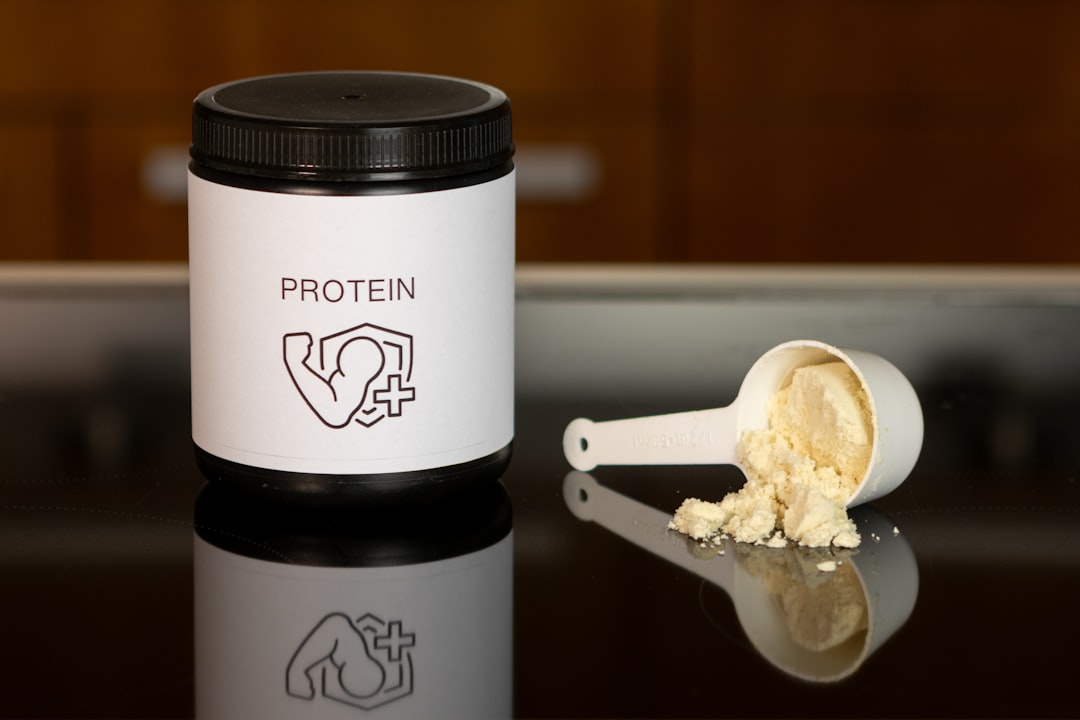
The Role of Protein in Fat Loss and Muscle Definition
As someone deeply invested in optimizing my health and physique, I’ve spent countless hours researching and experimenting with different dietary approaches. One nutritional cornerstone that consistently rises to the top of my priority list, especially when my goals are fat loss and muscle definition, is protein. It’s not just a nutrient; it’s a strategic ally, a foundational bedrock upon which I build my body and achieve my fitness aspirations. I’ve seen firsthand, both in my own journey and in observing others, the profound impact that adequate protein intake has on transforming a physique. It’s a game-changer, and I want to share my insights into why I believe it’s so crucial.
When I’m aiming to shed body fat, my focus isn’t just on reducing calories. I’m thinking about how to do it efficiently, sustainably, and without feeling like I’m constantly battling hunger or losing precious muscle. This is where protein truly shines for me.
The Power of Satiety: Keeping Hunger at Bay
One of the biggest hurdles I face when cutting calories is the nagging feeling of hunger. It’s a powerful physiological signal, and if I don’t manage it effectively, it can derail my best intentions. I’ve learned that protein is my secret weapon in this battle.
How Protein Fills Me Up
I’ve noticed a marked difference in my satiety levels when I prioritize protein. A meal rich in protein, whether it’s lean chicken, a protein shake, or a serving of cottage cheese, leaves me feeling fuller for longer compared to a meal with a similar calorie count but lower in protein. I attribute this to several mechanisms. Protein takes longer to digest than carbohydrates or fats, meaning it spends more time in my stomach, sending signals of fullness to my brain. Additionally, research suggests that protein influences the release of gut hormones like PYY and GLP-1, which are known to suppress appetite. I’ve personally experienced this: a high-protein breakfast keeps me satisfied until lunch, preventing me from grazing on unhealthy snacks.
Reducing Cravings and Unintentional Snacking
When I’m content and full, I’m far less likely to succumb to cravings. Those afternoon urges for something sweet or salty, which could easily add hundreds of unwanted calories, are significantly diminished when I’ve consumed sufficient protein throughout the day. It’s a proactive strategy for preventing overeating, which is invaluable when I’m trying to create a caloric deficit. I find myself making more conscious food choices rather than reactive, hunger-driven ones.
The Thermic Effect of Food (TEF): Burning More Calories Just by Eating
This is one of the more fascinating aspects of protein for me. The idea that my body actually expends energy to digest, absorb, and metabolize the food I eat – the Thermic Effect of Food (TEF) – is something I leverage to my advantage.
Protein’s Higher Metabolic Cost
Of all the macronutrients, protein has the highest TEF. While carbohydrates might have a TEF of 5-10% and fats around 0-3%, protein boasts a TEF closer to 20-30%. This means that for every 100 calories of protein I consume, my body uses 20-30 of those calories just to process it. It’s like a built-in calorie-burning bonus. While the effect might seem small on a meal-to-meal basis, it accumulates over a day and certainly over weeks and months. When I’m actively trying to lose fat, every little bit helps, and this metabolic advantage of protein is certainly not something I overlook.
Aiding in Overall Calorie Deficit
Knowing that my body works harder to process protein makes me feel more confident about my overall calorie deficit. It contributes, however modestly, to the energy expenditure side of the equation. This, combined with protein’s satiating properties, makes achieving and maintaining a calorie deficit much more manageable for me. It’s a synergistic effect that streamlines my fat loss efforts without feeling like I’m constantly battling my own physiology.
In exploring the intricate relationship between diet and fitness, a related article that delves into holistic approaches to wellness can be found at Footsteps and Food. This article emphasizes the importance of a balanced lifestyle, which complements the role of protein in fat loss and muscle definition by highlighting how various dietary choices and lifestyle habits can synergistically enhance overall health and fitness outcomes.
Protecting My Hard-Earned Muscle During Fat Loss
This is perhaps the most critical role protein plays for me during a fat loss phase. While shedding fat is the primary goal, I’m absolutely committed to preserving the muscle mass I’ve worked diligently to build. Losing muscle not only negates aesthetic improvements but also slows down my metabolism, making future fat loss harder.
Battling Muscle Catabolism: The Body’s Tendency to Breakdown
When I’m in a caloric deficit, my body needs to find energy. If I don’t provide enough readily available energy, and especially if my protein intake is low, my body might start breaking down its own muscle tissue for amino acids to use as fuel. This is a scenario I actively try to prevent.
Protein’s Role in Muscle Maintenance
By ensuring a high protein intake, I’m providing my body with a constant supply of amino acids. These amino acids act as building blocks, signaling to my body that it has the resources it needs to repair and maintain existing muscle tissue, even when calories are limited. It’s like sending a clear message: “Don’t touch the muscle! Here are the amino acids you need.” I often adjust my protein intake upwards during cutting phases to maximize this protective effect, aiming for quantities that are sometimes higher than when I’m in a maintenance or growth phase. I’ve found that consuming protein consistently throughout the day, rather than just in one or two large meals, also helps to keep amino acid levels elevated and provide a steady supply for muscle preservation.
Preventing Metabolic Slowdown
Muscle is metabolically active tissue. The more muscle I have, the more calories my body naturally burns at rest. If I lose muscle mass during a fat loss phase, my basal metabolic rate (BMR) will decrease, making it harder to sustain fat loss and easier to regain weight in the future. By maintaining my muscle mass through adequate protein, I’m effectively keeping my metabolism revved up, making the entire fat loss process more efficient and preventing that dreaded metabolic slowdown. This is a long-term strategy for me; I’m not just thinking about short-term weight loss, but about sustainable body composition improvement.
Fueling Muscle Definition: Beyond Just Fat Loss
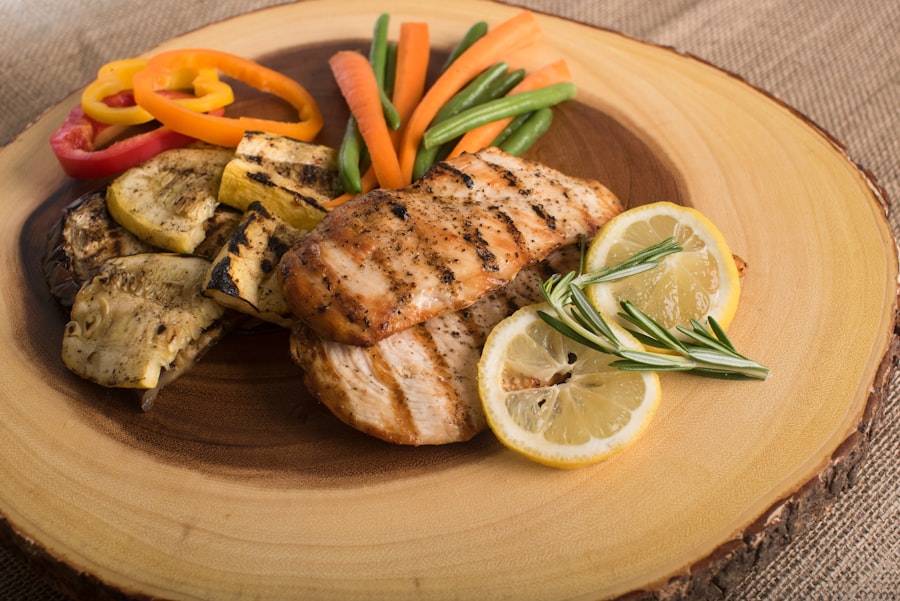
Achieving a lean, defined look isn’t just about reducing body fat; it’s also about having well-developed muscles underneath. Protein is fundamental to both aspects, acting as both a sculptor and a builder.
Muscle Repair and Growth: The Anabolic Signal
Even when I’m in a fat loss phase, I continue to train hard. Intense training causes microscopic damage to muscle fibers, and it’s during the recovery process that muscle repair and growth (hypertrophy) occur. Protein is absolutely essential for this.
Amino Acids as Building Blocks
When I consume protein, it gets broken down into amino acids, which are then used by my body to repair damaged muscle tissue and synthesize new muscle proteins. This “protein synthesis” is the core process of muscle growth. I make sure to consume protein both before and after my workouts to ensure I have a ready supply of amino acids to kickstart this recovery and growth process. I’ve noticed that when I neglect my protein intake, my recovery feels sluggish, and my performance in subsequent workouts suffers. This makes sense, as my body simply doesn’t have the raw materials to efficiently repair itself.
Maximizing Training Adaptations
My goal isn’t just to repair muscle; it’s to encourage adaptation. I want my muscles to become stronger and more visible. By providing ample protein, I’m giving my body the best chance to maximize the adaptive responses to my training stimuli. This means that my efforts in the gym are more likely to translate into tangible improvements in muscle definition and strength, rather than just maintaining the status quo. It’s about optimizing the return on investment from my hard work.
Enhancing Appearance: The Visible Impact
While internal processes are important, ultimately I’m striving for a visibly defined and aesthetic physique. Protein plays a direct role in achieving this.
Firmness and Tone
When I have adequate muscle mass and low body fat, my muscles appear firmer and more toned. Protein is the nutrient that supports the structure and integrity of these muscles. It’s not just about size; it’s about the quality and density of the muscle tissue, which is heavily influenced by consistent protein intake and resistance training. I find that when I’m consistently hitting my protein targets, my muscles feel denser and stronger, even if their size isn’t increasing dramatically during a cut.
Leanness and Vascularity
As I shed body fat, and my muscles are well-maintained and adequately developed thanks to protein, a greater degree of leanness and even vascularity becomes apparent. The interplay between low body fat and well-nourished muscle is what creates that “cut” and defined look. Without enough protein to support the muscle, even with low body fat, the physique can look “soft” rather than sculpted. I actively chase that lean definition, and protein is non-negotiable for me in that pursuit.
Practical Strategies for My Protein Intake
Knowing why protein is important is one thing; consistently integrating it into my diet is another. Over time, I’ve developed several strategies to ensure I meet my protein needs effectively.
Calculating My Needs: A Personalized Approach
I don’t just guess my protein intake. I use specific calculations to tailor it to my body weight, activity level, and current goals.
Grams Per Pound/Kilogram of Body Weight
When I’m in a fat loss and muscle definition phase, I typically aim for a ratio of 0.8 to 1.2 grams of protein per pound of lean body mass, or even total body weight. For example, if I weigh 180 pounds, I’m aiming for anywhere between 144 to 216 grams of protein per day. This might seem like a lot, but I’ve found it’s the sweet spot for me to maximize satiety, preserve muscle, and support recovery. I track my intake diligently, especially when I’m focused on a specific phase of my training. Adjusting based on my current body composition and training intensity is key. If I’m training particularly hard or feeling particularly hungry, I’ll lean towards the higher end of that range.
Adjusting Based on Activity and Goals
My protein needs aren’t static. If I’m engaged in particularly intense resistance training sessions, I might slightly increase my protein intake to support the increased demands on my muscles. Conversely, during a deload week or a less intense period, I might be able to maintain my muscle with a slightly lower intake. It’s a dynamic process, and I listen to my body and adjust accordingly, always keeping my overarching goals in mind. When my primary goal is fat loss, I prioritize protein even more so, because of its protective and satiating effects.
Smart Food Choices: Prioritizing Protein-Rich Foods
I make a conscious effort to build my meals around protein sources. It’s no longer an afterthought; it’s the centerpiece.
Lean Meats, Poultry, and Fish
These are staples in my diet. Chicken breast, turkey, lean cuts of beef, salmon, cod, and tuna provide high-quality protein with minimal fat. I incorporate these into my breakfast, lunch, and dinner. For instance, my breakfast might be egg whites with some shredded chicken, lunch could be a large salad with grilled salmon, and dinner often features lean steak or ground turkey. I prioritize variety to ensure I’m getting a broad spectrum of amino acids and other essential nutrients.
Dairy Products and Eggs
Eggs are a fantastic, versatile, and affordable source of protein. I often start my day with them. Greek yogurt and cottage cheese are also excellent, particularly for snacks or post-workout meals, as they offer casein protein, which digests more slowly, providing a sustained release of amino acids. I often have Greek yogurt with some berries or a scoop of protein powder for a quick, convenient dose of protein.
Plant-Based Protein Sources
While I consume animal products, I also include plant-based proteins for variety and their additional nutritional benefits. Lentils, beans, tofu, tempeh, and edamame are excellent options that provide a good amount of protein along with fiber and other micronutrients. I often make lentil soups, add chickpeas to salads, or incorporate tofu into stir-fries. Exploring these options keeps my diet interesting and ensures I’m getting a complete nutritional profile.
Strategic Supplementation: When and How I Use Protein Powders
While I always aim to get most of my protein from whole foods, supplements have a definite place in my strategy for convenience and to fill any gaps.
Whey, Casein, and Plant-Based Powders
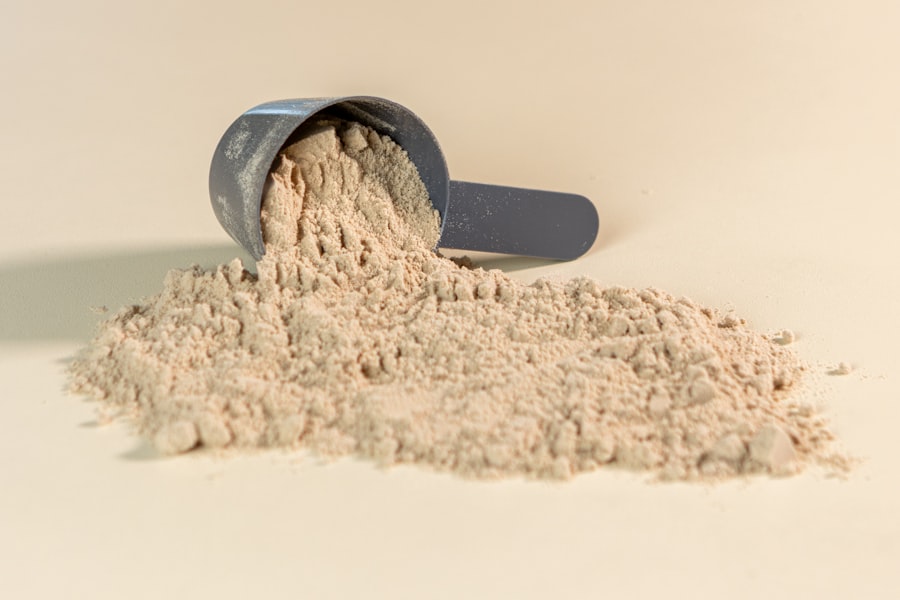
I primarily use whey protein isolate for post-workout recovery due to its rapid absorption and high bioavailability. Casein protein, on the other hand, I sometimes use before bed or when I know I’ll have a longer gap between meals, as its slow digestion provides a sustained amino acid release. I also keep a plant-based protein powder (usually pea or rice protein) on hand for variety or if I feel like minimizing dairy. These powders are incredibly convenient for making quick shakes or adding to oatmeal or smoothies.
Convenience and Meeting Daily Targets
Let’s be honest, sometimes life gets busy. On those days, a protein shake is an absolute lifesaver. It ensures I hit my daily protein targets without having to cook an entire meal or compromise on my goals. It’s a tool in my arsenal, not a replacement for whole foods, but a valuable aid when practicality calls for it. I see them as a reliable way to ensure I consistently provide my body with the building blocks it needs, even on the most hectic days.
Understanding the importance of protein in achieving fat loss and muscle definition is crucial for anyone looking to enhance their fitness journey. A related article that delves deeper into the psychological aspects of motivation and how it influences dietary choices can be found here. This resource complements the discussion on protein by exploring how our feelings and mindset can impact our commitment to a protein-rich diet, ultimately aiding in the pursuit of fitness goals.
My Conclusion: Protein as the Unsung Hero
In my journey toward optimal physique and health, protein has consistently proven to be an unsung hero. It’s not just another macronutrient; it’s a strategic partner that empowers me to achieve my fat loss and muscle definition goals efficiently and sustainably. From its powerful satiating effects that keep hunger at bay, to its unique metabolic advantages, to its absolutely critical role in preserving and building muscle mass, protein underpins every aspect of my success.
When I prioritize protein, I notice a distinct difference in my body composition, my energy levels, and my overall feeling of well-being. My body feels stronger, my muscles appear more defined, and I feel more in control of my appetite. It’s a foundational element of my diet that I will never compromise on, and I firmly believe that anyone serious about transforming their physique should give it the attention and respect it deserves. It’s not just about eating more protein; it’s about understanding its multifaceted role and strategically integrating it into a comprehensive plan. For me, protein isn’t just part of the diet; it is the diet, the core around which I build my plates and my progress.