Are You Being Emotionally Neglected or Overwhelmed in Your Relationship?
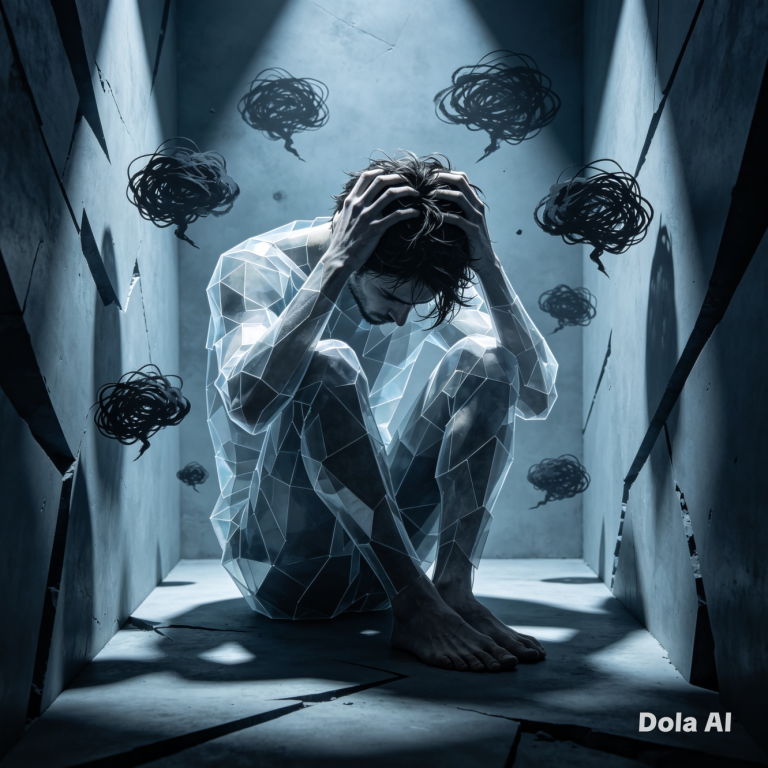
Imagine this: you’re sharing your day with your partner, detailing a significant achievement at work or a deep personal worry, and you’re met with a mumbled “uh-huh,” a scroll through their phone, or a quick change of subject. Or, perhaps, the opposite scenario unfolds. Your partner is constantly at your side, their emotions spilling over, demanding your immediate and undivided attention, leaving you feeling drained, suffocated, and unable to catch your breath. These are the extremes of problematic emotional dynamics in a relationship, and both can leave you feeling utterly alone.
It’s easy to get caught in the daily grind, the ebb and flow of life, and overlook the subtle – or not-so-subtle – ways your emotional needs are being met, or not met. You might be questioning yourself: “Is this normal? Am I being too sensitive? Or am I just expecting too much?” Navigating the emotional landscape of a relationship can be complex, and understanding where you stand is the crucial first step towards fostering healthier connections. This article will delve into the signs and symptoms of both emotional neglect and emotional overwhelm in your relationship, empowering you to identify these patterns and explore pathways toward greater equilibrium and connection.
The Silent Erosion: Recognizing Emotional Neglect
Emotional neglect is the absence of emotional responsiveness and attunement. It’s the quiet void where support, validation, and genuine connection should be. It’s less about outright conflict and more about a pervasive lack of emotional presence. You might feel like you’re living with a roommate rather than a partner, or that your deepest feelings are going unnoticed and unacknowledged. This can be a slow, insidious process, chipping away at your sense of self-worth and the intimacy within the relationship.
Are Your Feelings Being Seen and Heard?
One of the most significant indicators of emotional neglect is the consistent lack of validation for your emotions. When you express sadness, excitement, frustration, or anxiety, do you receive a genuine response, or are your feelings brushed aside, minimized, or ignored?
Lack of Attentive Listening
Consider your conversations. Are you truly being heard? This goes beyond simply the words being spoken; it’s about your partner’s engagement. Do they make eye contact? Do they ask clarifying questions? Do they remember details of what you’ve shared in the past? If your partner frequently interrupts, distracts themselves with other tasks (like their phone), or seems indifferent when you’re sharing something important to you, this is a red flag for neglect. It communicates that your thoughts and feelings aren’t a priority.
Minimization and Dismissal of Your Experiences
Imagine confiding in your partner about a stressful day at work, only to be met with, “Oh, it’s not that bad,” or “You’re always worrying about something.” This invalidation can make you feel like your struggles are unimportant or that you’re overreacting. Similarly, if you share a moment of joy or success, and your partner offers a lukewarm response or quickly shifts the focus, it can leave you feeling deflated and uncelebrated. Your emotional responses are valid, regardless of how your partner perceives them, and a healthy relationship requires acknowledgment of these feelings.
Emotional Unavailability and Distance
Emotional neglect often manifests as a partner who is emotionally distant or unavailable. They might be physically present but mentally checked out, unwilling or unable to engage in deep emotional conversations. This can stem from various reasons, including their own past experiences, a fear of intimacy, or simply a lack of emotional literacy. You might find yourself constantly seeking connection, only to be met with a wall of indifference or a reluctance to open up. This emotional solitude can be incredibly isolating within a partnership.
Lack of Support During Difficult Times
When you’re going through a rough patch, whether it’s a personal crisis, illness, or job loss, your partner’s response is a crucial indicator. Do they offer comfort, practical help, or simply a listening ear? Or do they withdraw, become defensive, or seem unconcerned? A partner who consistently fails to show up emotionally during your times of need can create a deep sense of abandonment, leaving you feeling like you’re facing challenges alone.
Feeling Like an Emotional Burden
Conversely, sometimes emotional neglect can arise when a partner feels overwhelmed or incapable of handling your emotions, and their solution is to shut down. This can lead you to feel like you’re a burden when you express your feelings, causing you to suppress your emotions and hesitate to reach out for support. This self-censorship is a clear sign that your emotional needs are not being met healthily within the relationship.
If you’re exploring the nuances of emotional neglect and feeling overwhelmed in your relationship, you might find it helpful to read a related article on the topic. This article delves into the signs of emotional neglect and offers practical advice on how to address these issues effectively. For more insights, check out this resource: here.
Drowning in Intensity: Navigating Emotional Overwhelm
On the other end of the spectrum lies emotional overwhelm. This isn’t about a lack of emotion, but rather an excess, an intensity that can feel suffocating. Your partner might be highly expressive, but their emotions become a constant demand on your energy and attention, leaving you feeling drained and unable to maintain your own emotional balance.
When Emotions Become a Constant Demand
Emotional overwhelm occurs when your partner’s emotional needs become a constant, high-pressure demand on your resources. It’s not about occasional emotional support, but a perpetual state where your partner’s emotional well-being hinges predominantly on your immediate and constant attention.
Excessive Emotional Outbursts and Instability
Do your partner’s emotions seem to vacillate wildly? Are there frequent, intense outbursts of anger, sadness, or anxiety that disproportionately impact you? While everyone experiences emotional ups and downs, consistent and extreme volatility can be emotionally taxing. You might find yourself walking on eggshells, constantly trying to anticipate and manage their emotional state to avoid triggering a negative reaction. This creates a tense and unpredictable environment.
Constant Need for Reassurance and Validation
While seeking reassurance is normal, an excessive need for it can be overwhelming. If your partner constantly requires you to confirm their worth, their attractiveness, or their place in your life, it can feel like a never-ending emotional task. This can stem from their own insecurities, but it places a significant burden on you to be their sole source of validation.
Intense Dependency and Lack of Autonomy
When a partner exhibits intense emotional dependency, they may struggle to function or find happiness without your constant input and approval. This can manifest as clinging behavior, jealousy over your time with others, or an inability to make decisions independently. You might feel like you’re being suffocated by their reliance on you, with little room for your own interests or personal space.
Over-Sharing and Emotional Dumping
While healthy communication involves sharing, “emotional dumping” is different. This is when a partner disproportionately offloads their emotional burdens onto you without regard for your capacity to receive them. This can involve constant complaints, catastrophizing, or sharing every minor anxiety and worry without seeking solutions or offering respite. You become their primary emotional dumping ground, which can lead to compassion fatigue and burnout.
Difficulty with Boundaries and Personal Space
A partner who is emotionally overwhelming often struggles with setting and respecting boundaries. They might intrude on your personal space, demand your attention even when you’re busy, or disregard your need for downtime. This can feel like a constant invasion, making it difficult to maintain your own sense of self and recharge your emotional batteries. You might feel guilty for needing space or asserting your needs, further perpetuating the cycle.
The Impact on You: How These Dynamics Affect Your Well-being
Regardless of whether you’re experiencing neglect or overwhelm, the impact on your individual well-being and the health of your relationship can be profound and detrimental. You are not a problem for feeling this way; these are legitimate responses to unhealthy relational patterns.
The Gradual Erosion of Self-Esteem and Confidence
When your emotional needs are consistently unmet through neglect, it can lead to a deep-seated belief that you are not worthy of attention or care. You might start to doubt your own perceptions and feelings, internalizing the message that your emotional world doesn’t matter. Conversely, being constantly bombarded by a partner’s intense emotions can leave you feeling depleted and inadequate, as if you’re failing to meet their demands or manage the emotional intensity.
Increased Stress, Anxiety, and Burnout
Living in a state of emotional neglect can create a chronic sense of loneliness and anxiety. You may constantly feel a low-grade hum of unhappiness and unease, always seeking a connection that isn’t there. Emotional overwhelm, on the other hand, can lead to acute stress, anxiety, and outright emotional burnout. The constant pressure to manage another person’s emotional state, coupled with the lack of personal space and downtime, can leave you feeling utterly exhausted and depleted.
Compromised Physical Health
The mind-body connection is powerful. Chronic stress resulting from emotional neglect or overwhelm can manifest physically. You might experience sleep disturbances, headaches, digestive issues, a weakened immune system, and an increased susceptibility to illness. Your body is sending signals that something is not right, and it’s often rooted in the emotional environment you’re inhabiting.
Isolation and Loneliness Within the Relationship
Ironically, an emotionally neglected individual can feel incredibly lonely even when physically with their partner. The lack of genuine emotional connection creates a chasm that feels insurmountable. Similarly, when you’re overwhelmed, you might withdraw to protect yourself, creating emotional distance even while your partner is demanding your presence. This can lead to a profound sense of isolation within the very unit meant to provide companionship and support.
Damage to Intimacy and Trust
At the heart of any healthy relationship lies intimacy and trust. Emotional neglect erodes trust because it signifies a lack of core support and understanding. You learn that you can’t rely on your partner for emotional sustenance. Emotional overwhelm can also damage trust, as you may start to resent your partner or feel manipulated by their emotional intensity, leading to a guardedness that stifles true intimacy.
Taking Stock: Identifying Your Role and Your Partner’s
Understanding these dynamics is crucial, but it’s also important to avoid falling into a blame game. Relationships are a two-way street, and your own behaviors and patterns can, inadvertently, contribute to these imbalances. Self-awareness is the first step towards positive change.
Examining Your Own Emotional Communication Style
Reflect on how you express your own emotions. Are you direct and clear, or do you tend to hint or suppress your feelings? Are you open to your partner’s emotional expressions, or do you tend to shut down or become defensive? Sometimes, our own communication styles can inadvertently contribute to the dynamic, either by not signaling our needs effectively or by not being receptive to our partner’s attempts to connect emotionally.
Recognizing Patterns from Past Relationships or Upbringing
Our past experiences significantly shape our relational patterns. Did you grow up in an environment where emotions were openly expressed and managed healthily, or were they suppressed or chaotic? Were you a caregiver for a parent or sibling? These early experiences can unconsciously influence how you approach emotional intimacy and how you manage your own and your partner’s emotions in adulthood. Understanding these roots can provide valuable insight into your current relational dynamics.
Assessing Your Partner’s Readiness for Change
While you are an active participant in your relationship, your partner also plays a significant role. Are they aware of the emotional dynamics at play? Are they receptive to feedback? Are they willing to consider their own role in the imbalance? Genuine change requires a willingness from both individuals to acknowledge the issues and commit to working on them. If your partner is consistently defensive or dismissive of your concerns, it can be a significant hurdle to overcome.
If you find yourself questioning whether you are experiencing emotional neglect or feeling overwhelmed in your relationship, you might also be interested in exploring how confidence plays a crucial role in personal well-being. Understanding the connection between self-esteem and relationship dynamics can provide valuable insights. For more information on this topic, check out this related article on confidence and its impact on your emotional health.
Towards a Healthier Emotional Connection: Strategies for Healing and Growth
Recognizing these patterns is the catalyst for change. The good news is that with awareness, intention, and effort, you can work towards a more balanced and fulfilling emotional connection.
Open and Honest Communication is Key
This is the cornerstone of any healthy relationship, especially when addressing emotional imbalances. Schedule dedicated time to talk about your feelings and needs. Use “I” statements to express your experiences without placing blame. For example, instead of saying, “You never listen to me,” try, “I feel unheard when I share my day and don’t receive a response beyond a minimal acknowledgment.” Active listening, where you focus on understanding your partner’s perspective without interrupting or formulating your rebuttal, is equally important.
Setting and Respecting Boundaries
Boundaries are essential for both emotional neglect and overwhelm. If you are experiencing neglect, your boundary might be: “I need at least 10 minutes of focused conversation with you each evening to share my day.” If you are experiencing overwhelm, your boundary might be: “I love you deeply, and I want to support you, but I need some quiet time alone for an hour each evening to recharge.” Clearly communicate your boundaries and, crucially, stick to them. Learning to say “no” without guilt is a vital skill.
Seeking Professional Support
Sometimes, the patterns are too deeply ingrained, or the emotional wounds too significant, to navigate alone. A couples therapist can provide a safe and neutral space to explore these dynamics, help you develop healthier communication strategies, and facilitate a deeper understanding of each other’s emotional needs. Individual therapy can also be incredibly beneficial for addressing personal patterns and building your own resilience.
Practicing Empathy and Validation
Actively try to understand your partner’s perspective, even if you don’t agree with it. When they express an emotion, validate their experience, even if it’s just to say, “I hear that you’re feeling really frustrated right now.” This doesn’t mean you have to agree with the cause of their frustration, but acknowledging their feeling is a powerful act of connection. Similarly, learn to articulate your own needs and feelings in a way that invites empathy, rather than defensiveness.
Cultivating Self-Care and Emotional Resilience
You cannot pour from an empty cup. Prioritize your own well-being. Engage in activities that recharge you, whether it’s exercise, spending time in nature, pursuing hobbies, or connecting with supportive friends. Building your own emotional resilience will equip you to better navigate the challenges within your relationship and to avoid becoming depleted by either neglect or overwhelm.
Your relationship should be a source of strength, comfort, and genuine connection. By honestly assessing the emotional dynamics at play, you empower yourself to cultivate a healthier and more fulfilling partnership. Remember, you deserve to feel seen, heard, and supported, and you don’t have to navigate these complexities alone.